
Windows Project Management Software: Streamline Your Projects
Windows project management software is your secret weapon for conquering complex projects and achieving goals. It’s not just about to-do lists; it’s about orchestrating teams, managing resources, and staying on track with crystal-clear visibility. From agile sprints to intricate product launches, these tools empower you to navigate the chaos and deliver impressive results.
Imagine a central hub where everyone can collaborate, track progress, and share updates in real-time. That’s the power of Windows project management software. It streamlines communication, eliminates confusion, and fosters a sense of shared purpose. Whether you’re a small team or a large enterprise, the right software can transform your project management approach.
Introduction to Windows Project Management Software
Project management software has become an indispensable tool for organizations of all sizes, streamlining workflows, enhancing collaboration, and driving project success. In the Windows environment, a wide range of project management software solutions are available, each offering unique features and functionalities to meet diverse project needs.
Key Features and Functionalities
Project management software in the Windows environment is designed to address the critical aspects of project planning, execution, monitoring, and completion. Common features and functionalities include:
- Task Management:Enables users to create, assign, prioritize, and track tasks, fostering clear responsibilities and efficient progress monitoring.
- Project Planning and Scheduling:Provides tools for creating project timelines, setting milestones, and establishing dependencies between tasks, ensuring projects stay on track.
- Resource Management:Allows for the allocation and tracking of resources, including personnel, equipment, and budget, optimizing resource utilization and preventing overallocation.
- Collaboration and Communication:Facilitates seamless collaboration among team members through features like shared project spaces, real-time chat, and document sharing, enhancing communication and coordination.
- Reporting and Analytics:Generates comprehensive reports and dashboards that provide insights into project progress, performance metrics, and key indicators, enabling data-driven decision-making.
- Risk Management:Supports the identification, assessment, and mitigation of potential risks, enabling proactive risk management and minimizing project disruptions.
Real-World Applications
Windows project management software finds widespread applications across diverse industries and organizations, enabling efficient project management and achieving organizational goals.
Finding the right Windows project management software can be a bit of a challenge, but it’s essential for keeping everything organized and on track. I’m currently considering switching to a new system, and the recent sale on the Apple Watch Ultra 2 at its lowest with 10 off for Memorial Day has me thinking about how much easier it would be to track deadlines and progress right from my wrist.
Once I’ve settled on a new project management solution, I’ll be sure to share my experience and recommendations!
- Software Development:Software development companies utilize project management software to track development sprints, manage code repositories, and ensure timely software releases.
- Construction and Engineering:Construction and engineering firms leverage project management software to plan and execute complex projects, monitor resource allocation, and manage project timelines effectively.
- Marketing and Advertising:Marketing and advertising agencies employ project management software to plan and execute marketing campaigns, track campaign performance, and manage client relationships.
- Non-Profit Organizations:Non-profit organizations use project management software to manage fundraising initiatives, organize volunteer efforts, and track program outcomes.
Key Features of Windows Project Management Software
Windows project management software provides a comprehensive suite of tools designed to streamline project execution and ensure successful outcomes. These tools address critical aspects of project management, enabling teams to collaborate effectively, track progress, and deliver projects on time and within budget.
Task Management
Effective task management is the cornerstone of successful project execution. Project management software offers features that facilitate the creation, assignment, and tracking of tasks, ensuring that all project activities are properly organized and monitored.
- Task Creation and Assignment:These tools allow users to define tasks, set deadlines, and assign responsibilities to team members. This ensures clarity and accountability for each project activity.
- Task Dependencies:Project management software allows users to define dependencies between tasks, ensuring that tasks are completed in the correct sequence. This helps to prevent delays and maintain project flow.
- Task Prioritization:Features like task prioritization enable users to prioritize tasks based on their importance and urgency. This helps teams focus on the most critical tasks first, ensuring that project goals are met efficiently.
- Task Tracking and Progress Monitoring:Project management software provides real-time visibility into task progress, allowing users to track completion status, identify potential bottlenecks, and take corrective action as needed. This ensures that projects stay on track and deadlines are met.
Examples of software tools that excel in task management include:
- Asana:Asana is a popular project management tool that provides robust task management features, including task creation, assignment, dependencies, and progress tracking.
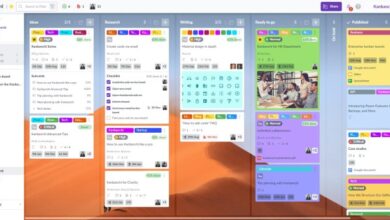
- Trello:Trello is a visual task management tool that uses Kanban boards to organize tasks and track progress. Its intuitive interface and flexibility make it a popular choice for teams of all sizes.
Scheduling
Project scheduling is crucial for planning and executing projects effectively. Project management software offers features that enable users to create detailed project schedules, track progress against deadlines, and identify potential scheduling conflicts.
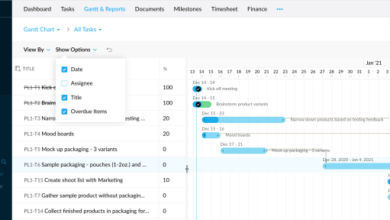
- Gantt Charts:Gantt charts are visual representations of project schedules, displaying tasks, dependencies, and deadlines. They provide a clear overview of the project timeline, allowing users to identify potential scheduling conflicts and adjust plans as needed.
- Calendar Integration:Project management software integrates with calendars, allowing users to view project deadlines and tasks alongside their personal schedules. This helps to prevent scheduling conflicts and ensures that project deadlines are met.
- Resource Allocation:Project management software enables users to allocate resources to tasks, ensuring that the right people are assigned to the right projects at the right time. This helps to optimize resource utilization and prevent overallocation.
Examples of software tools that excel in scheduling include:
- Microsoft Project:Microsoft Project is a powerful project management tool that offers comprehensive scheduling features, including Gantt charts, resource allocation, and calendar integration.
- Smartsheet:Smartsheet is a cloud-based project management tool that provides a flexible platform for creating and managing project schedules, with features like Gantt charts, task dependencies, and resource allocation.
Resource Allocation
Effective resource allocation is essential for optimizing project performance and ensuring that projects are completed within budget. Project management software offers features that enable users to allocate resources to tasks, track resource utilization, and identify potential resource constraints.
- Resource Management:Project management software allows users to create a resource pool, define resource availability, and allocate resources to tasks. This ensures that the right resources are assigned to the right projects at the right time.
- Resource Tracking:These tools provide real-time visibility into resource utilization, allowing users to monitor resource availability, identify potential bottlenecks, and adjust resource allocation as needed.
- Resource Forecasting:Project management software can help users forecast resource requirements based on project plans and resource availability. This enables proactive resource planning and helps to prevent resource shortages.
Examples of software tools that excel in resource allocation include:
- Monday.com:Monday.com is a project management tool that offers robust resource management features, including resource allocation, tracking, and forecasting.
- Wrike:Wrike is a collaborative work management platform that provides features for resource allocation, tracking, and reporting, enabling users to optimize resource utilization and project performance.
Collaboration Tools
Effective collaboration is crucial for successful project management. Project management software offers features that facilitate communication, information sharing, and teamwork, ensuring that all team members are aligned and working towards common goals.
- Communication Channels:Project management software provides built-in communication channels, such as chat, email, and forums, allowing team members to communicate easily and efficiently.
- File Sharing and Collaboration:These tools allow team members to share files, documents, and other project artifacts, facilitating collaboration and ensuring that everyone has access to the latest information.
- Real-time Collaboration:Project management software offers features that enable real-time collaboration on tasks, documents, and projects, allowing team members to work together simultaneously and stay in sync.
Examples of software tools that excel in collaboration include:
- Slack:Slack is a popular team communication platform that provides a centralized hub for team communication, file sharing, and collaboration.
- Microsoft Teams:Microsoft Teams is a collaborative workspace that offers features for team communication, file sharing, and video conferencing, facilitating seamless collaboration.
Reporting
Reporting is essential for tracking project progress, identifying areas for improvement, and making informed decisions. Project management software offers features that enable users to generate reports on various aspects of project performance, providing valuable insights into project status and progress.
- Project Status Reports:These reports provide an overview of project progress, including task completion status, resource utilization, and budget performance. They help stakeholders stay informed about project status and identify potential risks or issues.
- Resource Utilization Reports:Resource utilization reports track resource allocation and utilization, identifying potential overallocation or underutilization of resources. This information helps to optimize resource allocation and ensure that projects are completed within budget.
- Financial Reports:Project management software can generate financial reports, such as budget tracking reports and cost estimates, providing insights into project costs and profitability.
Examples of software tools that excel in reporting include:
- Jira:Jira is a project management tool that provides comprehensive reporting features, allowing users to track project progress, identify bottlenecks, and generate custom reports based on specific criteria.
- Zoho Projects:Zoho Projects is a project management tool that offers a range of reporting options, including project status reports, resource utilization reports, and financial reports, providing valuable insights into project performance.
Popular Windows Project Management Software Solutions
Choosing the right project management software is crucial for any organization, regardless of size. With numerous options available, it’s essential to compare and contrast various solutions to find the best fit for your specific needs. This section delves into popular Windows project management software options, analyzing their pricing, features, user interface, integration capabilities, and target audience.
Comparison of Popular Windows Project Management Software Solutions
This table provides a comprehensive comparison of four popular Windows project management software solutions, highlighting their key strengths and weaknesses.
| Software Name | Pricing | Features | User Interface | Integration Capabilities | Target Audience |
|---|---|---|---|---|---|
| Microsoft Project | Starts at $7.50 per user per month | Comprehensive project management features, including Gantt charts, resource management, risk management, and collaboration tools. | Intuitive and user-friendly interface, with a familiar look and feel for Microsoft Office users. | Seamless integration with other Microsoft products, such as Office 365, Teams, and Azure. | Large enterprises, project managers, and teams requiring advanced project management capabilities. |
| Asana | Free for basic plans, paid plans starting at $10.99 per user per month | Task management, project planning, communication, and collaboration tools. | Clean and modern interface, with a focus on simplicity and ease of use. | Integrates with various popular tools, including Slack, Google Drive, and Dropbox. | Teams and organizations of all sizes, from startups to large corporations. |
| Monday.com | Free for basic plans, paid plans starting at $8 per user per month | Highly customizable work management platform, with features for project management, task management, CRM, and marketing. | Visual and intuitive interface, with drag-and-drop functionality and customizable dashboards. | Integrates with various third-party applications, including Slack, Zoom, and Google Workspace. | Teams and organizations of all sizes, with a focus on agility and flexibility. |
| Jira | Starts at $7.50 per user per month | Agile project management, bug tracking, and issue management features. | Powerful and customizable interface, with a focus on software development teams. | Integrates with various development tools, including Git, Jenkins, and Bamboo. | Software development teams, IT departments, and organizations using agile methodologies. |
Benefits of Using Windows Project Management Software
Project management software is a valuable tool for businesses and individuals alike, offering numerous benefits that streamline workflows, enhance collaboration, and ultimately lead to successful project outcomes. From improved planning and execution to enhanced communication and increased productivity, these software solutions provide a comprehensive suite of features designed to optimize project management processes.
Improved Project Planning and Execution
Effective project planning forms the foundation for successful project execution. Windows project management software empowers users to create detailed project plans, define clear objectives, and establish realistic timelines. These software solutions often provide features such as Gantt charts, which visually represent project tasks, dependencies, and deadlines.
Choosing the right Windows project management software is crucial for keeping your team organized and on track. But it’s also important to be aware of emerging threats like the generative AI ransomware threats in the UK , which can compromise sensitive project data.
By implementing strong security measures and choosing software with robust data encryption, you can help protect your projects from these risks and ensure continued success.
This visual representation allows users to easily identify potential bottlenecks, optimize resource allocation, and track progress effectively. By providing a centralized platform for project planning, these software solutions ensure that all stakeholders are aligned on project goals, timelines, and deliverables.
Enhanced Collaboration and Communication
Collaboration and communication are essential for successful project management. Windows project management software facilitates seamless collaboration by providing a shared platform for teams to communicate, share information, and track progress. Features like real-time chat, document sharing, and task assignment enable team members to stay connected and informed throughout the project lifecycle.
This enhanced communication fosters transparency, reduces ambiguity, and minimizes the risk of miscommunication, ultimately leading to more efficient project execution.
Increased Productivity and Efficiency
Windows project management software streamlines workflows and automates repetitive tasks, thereby freeing up valuable time for team members to focus on high-value activities. Features such as task automation, progress tracking, and reporting provide real-time insights into project status, enabling teams to identify and address potential issues proactively.
This proactive approach minimizes delays, optimizes resource utilization, and ultimately contributes to increased productivity and efficiency.
Reduced Project Risks and Delays
Project risks and delays can significantly impact project success and profitability. Windows project management software offers a range of features designed to mitigate these risks and prevent delays. For instance, risk management modules allow users to identify, assess, and prioritize potential risks, enabling proactive mitigation strategies.
Additionally, real-time progress tracking and reporting provide early warnings of potential issues, allowing teams to take corrective action before they escalate into major delays.
Better Resource Utilization and Cost Management, Windows project management software
Efficient resource allocation and cost management are critical for successful project completion. Windows project management software provides tools for resource planning, allocation, and tracking, ensuring that the right resources are assigned to the right tasks at the right time. This optimization of resource utilization minimizes waste and maximizes productivity.
Additionally, these software solutions offer features for budgeting, cost tracking, and expense reporting, enabling users to monitor project costs effectively and make informed decisions regarding resource allocation and expenditure.
Choosing the Right Windows Project Management Software
Choosing the right project management software can be a daunting task, especially considering the plethora of options available. The key is to find a solution that perfectly aligns with your unique project needs and team dynamics. This decision should be a strategic one, as the right software can significantly enhance productivity, streamline workflows, and improve overall project success.
Factors to Consider
To navigate this selection process effectively, it’s crucial to consider several key factors that will guide your decision. These factors encompass project characteristics, team dynamics, budget constraints, industry-specific requirements, and integration with existing systems.
The most effective project management software is the one that best fits your specific needs.
- Project Size and Complexity:For smaller, less complex projects, a simple and intuitive software might suffice. However, larger, intricate projects with multiple stakeholders and dependencies require a robust solution with advanced features like Gantt charts, resource allocation, and risk management.
- Team Size and Collaboration Needs:Consider the size of your team and the level of collaboration required. For distributed teams or those working on complex projects, a software with strong communication and collaboration tools, like real-time chat, file sharing, and task assignments, is essential.
- Budget Constraints:Software pricing varies significantly, from free open-source options to expensive enterprise solutions. Establish a clear budget and explore software options within that range.
- Industry-Specific Requirements:Certain industries have unique project management needs. For instance, software development teams might require specific tools for agile project management, while construction companies need software that supports scheduling, resource tracking, and cost management.
- Integration with Existing Systems:Ensure that the chosen software seamlessly integrates with your existing systems, such as CRM, accounting, or communication platforms. This avoids data silos and ensures a smooth workflow.
Flowchart for Selecting the Right Software
[Start]
Windows project management software is essential for keeping projects on track, but it’s crucial to remember that even these tools can be vulnerable. For example, the recent blastradius vulnerability radius protocol highlights the importance of securing network access points.
This vulnerability could potentially affect how project teams collaborate remotely, emphasizing the need for robust security measures in all aspects of project management.
- > Define Project Needs
- > Evaluate Software Options
- > Assess Budget Constraints
- > Consider Team Dynamics
- > Analyze Industry-Specific Requirements
- > Evaluate Integration with Existing Systems
- > Choose the Best Fit
- > [End]
Implementing and Using Windows Project Management Software
Successfully implementing and using Windows project management software is a crucial step in streamlining your project workflows and achieving project success. This involves a strategic approach that considers user training, data migration, process optimization, and ongoing support.
Step-by-Step Implementation Guide
Implementing Windows project management software involves a systematic approach to ensure a smooth transition and maximize user adoption. Here’s a step-by-step guide:
- Define project goals and requirements:Clearly define the project objectives, specific needs, and expected outcomes. This includes identifying the key functionalities required, such as task management, resource allocation, communication tools, and reporting capabilities.
- Choose the right software:Select a software solution that aligns with your project needs, budget, and team size. Consider factors like user-friendliness, features, integrations, and scalability.
- Plan data migration:If you’re transitioning from another system, carefully plan the migration of existing project data. This may involve exporting data, mapping fields, and importing data into the new software. Ensure data integrity and accuracy during the migration process.
- Configure and customize the software:Customize the software settings to match your organization’s processes, workflows, and reporting requirements. This may include defining task statuses, creating custom fields, and setting up notifications.
- Train users and provide support:Provide comprehensive training to all users on how to navigate the software, utilize its features, and apply best practices. Ongoing support is crucial to address user queries, troubleshoot issues, and ensure continuous adoption.
- Pilot test and refine:Implement a pilot test with a small group of users to identify any challenges or areas for improvement. Use feedback to refine the implementation process and ensure a smooth rollout to the entire team.
- Go live and monitor performance:Once the software is fully implemented, monitor its performance and track user adoption. Collect feedback from users and make necessary adjustments to optimize the software’s effectiveness.
The Importance of Training and Onboarding
Effective training and onboarding are critical for successful implementation and user adoption of Windows project management software.
- Familiarization with the software:Training helps users understand the software’s interface, functionalities, and navigation. It familiarizes them with key features and how to apply them effectively.
- Process integration:Training should demonstrate how to integrate the software into existing project workflows and processes. This helps users understand how the software can enhance their daily tasks and streamline project management.
- Best practice guidance:Training should provide best practices for utilizing the software to maximize its benefits. This includes tips for task prioritization, resource allocation, communication, and reporting.
- Support and ongoing guidance:Ongoing support ensures users have access to assistance when needed. This can be provided through dedicated support channels, user manuals, FAQs, and online resources.
Maximizing the Benefits of Windows Project Management Software
To achieve project success, it’s essential to leverage the software effectively and implement best practices.
- Establish clear project goals:Define specific, measurable, achievable, relevant, and time-bound project goals. This provides a clear roadmap for the project and ensures everyone is aligned on the objectives.
- Break down projects into manageable tasks:Divide large projects into smaller, more manageable tasks. This makes it easier to track progress, assign responsibilities, and estimate timelines.
- Utilize task dependencies:Define dependencies between tasks to ensure a logical flow of work. This helps prevent delays and ensures tasks are completed in the correct sequence.
- Assign tasks and resources effectively:Assign tasks to the appropriate team members and allocate resources efficiently. This ensures accountability and optimizes resource utilization.
- Track progress and monitor performance:Regularly track project progress, monitor performance against goals, and identify potential roadblocks. This allows for proactive adjustments and ensures projects stay on track.
- Communicate effectively:Utilize the software’s communication tools to facilitate collaboration and keep stakeholders informed. This includes sharing updates, progress reports, and any relevant information.
- Regularly review and refine processes:Regularly review and refine your project management processes to identify areas for improvement. This ensures the software remains effective and aligned with your evolving needs.
Future Trends in Windows Project Management Software
The world of project management is constantly evolving, driven by advancements in technology and changing business needs. Windows project management software is at the forefront of this evolution, embracing emerging trends to enhance productivity, efficiency, and collaboration.
Impact of Artificial Intelligence and Machine Learning
Artificial intelligence (AI) and machine learning (ML) are revolutionizing project management by automating tasks, providing data-driven insights, and improving decision-making.
- Automated Task Allocation:AI-powered algorithms can analyze project requirements and team member skills to automatically assign tasks, ensuring optimal resource allocation and workload balance. For instance, a project management software might suggest assigning a specific task to a team member with relevant expertise based on their past performance and skill set.
- Predictive Analytics:ML algorithms can analyze historical project data to identify patterns and predict potential risks or delays. This allows project managers to proactively mitigate issues and ensure projects stay on track. Imagine a project management software predicting potential delays based on past project data, allowing for proactive adjustments to the project timeline.
- Personalized Recommendations:AI can provide personalized recommendations to project managers based on their specific needs and project context. For example, a software might suggest relevant project templates, best practices, or tools based on the project type, team size, and other factors.