

Gigamon Cloud Security Report: Protecting Your Digital Assets
The Gigamon Cloud Security Report delves into the critical landscape of safeguarding digital assets in today’s increasingly cloud-dependent world. As businesses embrace cloud computing, the need for robust security solutions becomes paramount. Gigamon, a leading provider of network visibility and security solutions, offers a comprehensive approach to securing cloud environments, ensuring data integrity and resilience against evolving threats.
This report examines the evolving threats and vulnerabilities in cloud environments, analyzing the impact of cloud adoption on security challenges. It highlights Gigamon’s key products and services, showcasing their capabilities in threat detection, prevention, and response. By exploring best practices for securing cloud infrastructure, applications, and data, the report empowers organizations to build a robust security posture.
Introduction
In today’s digital landscape, where businesses heavily rely on cloud-based services, ensuring the security of these environments is paramount. The shift towards cloud computing has introduced new security challenges, requiring organizations to adapt their security strategies and adopt comprehensive solutions.Gigamon plays a vital role in enhancing cloud security by providing a platform that enables organizations to gain deep visibility into their cloud infrastructure.
This visibility empowers security teams to detect and respond to threats effectively, ensuring the protection of sensitive data and applications.This report delves into the critical aspects of cloud security, examining the latest trends, emerging threats, and best practices for safeguarding cloud environments.
The report focuses on key areas, including:
Cloud Security Trends
The cloud security landscape is constantly evolving, with new threats and vulnerabilities emerging regularly. This section explores the latest trends in cloud security, providing insights into the challenges organizations face and the strategies they are adopting to mitigate risks.
- Growing adoption of cloud services:The increasing reliance on cloud services has expanded the attack surface, making organizations more vulnerable to cyberattacks. As more businesses migrate to the cloud, the number of cloud-based attacks is expected to rise significantly.
- Rise of cloud-native threats:With the adoption of cloud-native technologies, such as containers and serverless computing, new attack vectors have emerged. These threats are often difficult to detect and mitigate, requiring specialized security solutions.
- Increased sophistication of cyberattacks:Cybercriminals are becoming more sophisticated in their attacks, using advanced techniques to bypass traditional security measures. This necessitates the adoption of more robust and adaptive security solutions.
Cloud Security Challenges
Organizations face numerous challenges in securing their cloud environments. This section highlights some of the key challenges and provides recommendations for overcoming them.
The Gigamon Cloud Security Report highlights the growing importance of cloud security, and with that comes a demand for specialized skills. The report indicates that most in-demand tech skills for freelancers are in cloud security, threat intelligence, and data privacy.
These skills are crucial for organizations to navigate the complexities of cloud environments and protect their sensitive data. Understanding these trends is essential for anyone looking to build a career in cybersecurity, as the Gigamon report underscores the need for skilled professionals to secure the increasingly complex cloud landscape.
- Visibility and control:One of the biggest challenges in cloud security is achieving comprehensive visibility and control over cloud resources. Traditional security tools may not be effective in cloud environments, requiring organizations to adopt new approaches.
- Data security and compliance:Protecting sensitive data stored in the cloud is essential, especially for organizations subject to regulatory compliance requirements. This involves implementing robust data encryption and access control mechanisms.
- Threat detection and response:Detecting and responding to threats in a timely manner is crucial in cloud security. Organizations need to adopt advanced threat detection and response solutions that can identify and neutralize threats quickly.
Cloud Security Best Practices, Gigamon cloud security report
This section Artikels best practices for securing cloud environments, covering key areas such as access control, data encryption, and security monitoring.
- Implement strong access control:Limiting access to cloud resources based on the principle of least privilege is essential. This involves implementing multi-factor authentication and role-based access control mechanisms.
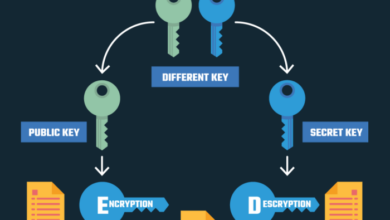
- Encrypt data at rest and in transit:Data encryption is crucial for protecting sensitive information stored in the cloud. Organizations should encrypt data both at rest (when stored) and in transit (when being transmitted).
- Implement robust security monitoring:Continuous monitoring of cloud environments is essential for detecting and responding to threats. This involves using security information and event management (SIEM) tools and security orchestration, automation, and response (SOAR) platforms.
Gigamon’s Role in Cloud Security
Gigamon provides a comprehensive platform for enhancing cloud security, offering visibility, control, and threat detection capabilities.
- Network visibility:Gigamon provides deep visibility into network traffic, allowing organizations to monitor and analyze data flowing through their cloud infrastructure. This visibility enables them to identify potential threats and security vulnerabilities.
- Security analytics:Gigamon’s platform offers advanced security analytics capabilities, enabling organizations to detect and respond to threats in real time. This includes threat intelligence, anomaly detection, and behavioral analysis.
- Cloud security automation:Gigamon’s platform supports automation of security tasks, reducing the burden on security teams and improving efficiency. This includes automated threat detection, response, and remediation.
Cloud Security Landscape
The cloud security landscape is a constantly evolving environment, with new threats and vulnerabilities emerging regularly. As organizations increasingly adopt cloud technologies, the traditional security perimeter is blurring, leading to new challenges and opportunities for security professionals.
Evolving Threats and Vulnerabilities in Cloud Environments
The rapid adoption of cloud services has created a new attack surface for malicious actors. Traditional security controls, designed for on-premises environments, may not be sufficient to protect cloud resources.
The Gigamon Cloud Security Report highlighted the increasing sophistication of cyber threats, reminding us that even the most secure systems can be vulnerable. It made me think about the incredible story of a man who tracked down his Apple Watch after it was lost in the ocean for a year – find my tracks down an apple watch lost in the ocean for a year.
This amazing feat showcases the power of technology and its potential to recover even seemingly lost items. It’s a stark contrast to the challenges we face in the cybersecurity realm, where threats are constantly evolving and require constant vigilance.
- Misconfigurations:Misconfigured cloud services are a common source of vulnerabilities. For example, an improperly configured storage bucket could expose sensitive data to unauthorized access.
- Insecure APIs:Cloud APIs are powerful tools, but they can also be exploited by attackers. If APIs are not properly secured, attackers could gain unauthorized access to sensitive data or disrupt cloud services.
- Data Breaches:Cloud data breaches can have significant financial and reputational consequences. Attackers may target cloud storage services, databases, or other sensitive data repositories.
- Insider Threats:Insider threats are a growing concern in cloud environments. Employees with privileged access to cloud resources could potentially misuse their credentials or access sensitive data.
- Supply Chain Attacks:As organizations rely on third-party cloud providers, supply chain attacks are becoming more prevalent. Attackers may target vulnerabilities in cloud providers’ software or services to compromise customer data.
Impact of Cloud Adoption on Security Challenges
Cloud adoption presents both challenges and opportunities for security. The shift to cloud computing has resulted in a more distributed and complex security landscape, making it more difficult to protect sensitive data and applications.
- Shared Responsibility Model:Cloud providers share responsibility for security with their customers. However, the exact division of responsibility can vary depending on the cloud service and the specific security controls involved. This shared responsibility model can create confusion and ambiguity, leading to security gaps.
- Increased Attack Surface:Cloud adoption has increased the attack surface for organizations. The use of multiple cloud providers, services, and applications creates a complex network of interconnected systems that can be difficult to secure.
- Data Security and Privacy:Data security and privacy are critical concerns in cloud environments. Organizations need to ensure that their data is stored and processed securely, in compliance with relevant regulations.
- Compliance and Auditing:Compliance with industry regulations and standards is essential for organizations using cloud services. Cloud providers offer various compliance certifications, but organizations need to ensure that their cloud deployments meet these standards.
Key Trends Shaping the Cloud Security Landscape
The cloud security landscape is constantly evolving, with new trends emerging regularly. These trends are shaping the way organizations approach cloud security.
- Cloud Security Posture Management (CSPM):CSPM tools help organizations to assess and manage their cloud security posture. They provide visibility into cloud resources, identify security vulnerabilities, and recommend remediation actions.
- Cloud Workload Protection Platforms (CWPPs):CWPPs provide comprehensive security for cloud workloads. They offer features such as intrusion detection and prevention, vulnerability scanning, and malware protection.
- Cloud Access Security Broker (CASB):CASBs control access to cloud applications and data, ensuring that only authorized users can access sensitive information. They provide features such as data loss prevention, threat detection, and compliance enforcement.
- Serverless Security:Serverless computing is a growing trend, and organizations need to adapt their security strategies to protect serverless applications. This includes securing serverless functions, managing serverless identities, and monitoring serverless deployments.
- Cloud Security Automation:Automating cloud security tasks is essential for organizations to scale their security operations. Automation can help to streamline security processes, reduce manual errors, and improve efficiency.
Gigamon’s Cloud Security Solutions

Gigamon offers a comprehensive approach to cloud security that helps organizations secure their applications and data across various cloud environments. Gigamon’s solutions provide visibility, control, and automation for cloud security, enabling organizations to detect, prevent, and respond to threats effectively.
The Gigamon Cloud Security Report highlighted some alarming trends in cloud security, particularly the increasing sophistication of cyberattacks. While we’re all focused on protecting our data, it’s nice to see some exciting news in the tech world like the upcoming OLED iPad Pro bezels are the thinnest pro models have ever been and a new matte finish option is on the way.
Hopefully, these new iPad features will make it easier for businesses to manage their cloud security solutions and stay ahead of the curve when it comes to protecting their data.
Gigamon’s Cloud Security Products and Services
Gigamon’s cloud security solutions are built on a foundation of deep packet inspection, network traffic analysis, and security orchestration. These solutions provide organizations with the ability to monitor and analyze network traffic, identify security threats, and automate security responses.Gigamon offers a range of products and services for cloud security, including:
- Gigamon Cloud Visibility Platform: This platform provides comprehensive visibility into cloud environments, enabling organizations to monitor network traffic, identify security threats, and troubleshoot performance issues. The platform supports a wide range of cloud environments, including AWS, Azure, and GCP.
- Gigamon Threat Intelligence: This service provides access to real-time threat intelligence, enabling organizations to identify and respond to known and emerging threats. Gigamon’s threat intelligence is based on data from a global network of sensors, providing organizations with insights into the latest attack trends.
- Gigamon Security Orchestration and Automation: This solution automates security workflows, enabling organizations to respond to threats more quickly and efficiently. Gigamon’s security orchestration and automation platform integrates with leading security information and event management (SIEM) and security orchestration, automation, and response (SOAR) solutions.
Gigamon’s Capabilities in Threat Detection, Prevention, and Response
Gigamon’s cloud security solutions provide organizations with the capabilities to detect, prevent, and respond to threats in cloud environments.
Threat Detection
Gigamon’s solutions use deep packet inspection and network traffic analysis to identify suspicious activity and potential threats. This includes:
- Malicious traffic detection: Gigamon’s solutions can identify malicious traffic patterns, such as known malware signatures, command-and-control communications, and data exfiltration attempts.
- Anomaly detection: Gigamon’s solutions can detect deviations from normal traffic patterns, indicating potential security breaches or compromised systems.
- Vulnerability scanning: Gigamon’s solutions can scan cloud environments for known vulnerabilities, identifying potential entry points for attackers.
Threat Prevention
Gigamon’s solutions can help organizations prevent threats by blocking malicious traffic and enforcing security policies. This includes:
- Firewalling: Gigamon’s solutions can act as a firewall, blocking unauthorized access to cloud resources and preventing malicious traffic from entering the network.
- Intrusion prevention: Gigamon’s solutions can detect and block intrusion attempts, preventing attackers from gaining access to cloud environments.
- Data loss prevention: Gigamon’s solutions can prevent sensitive data from being exfiltrated from cloud environments, protecting confidential information from unauthorized access.
Threat Response
Gigamon’s solutions help organizations respond to threats quickly and effectively by providing visibility into the attack, automating security workflows, and integrating with other security tools. This includes:
- Threat isolation: Gigamon’s solutions can isolate compromised systems from the network, preventing further damage and containing the attack.
- Incident response: Gigamon’s solutions can provide visibility into the attack, enabling security teams to understand the scope of the breach and develop a response plan.
- Security automation: Gigamon’s solutions can automate security workflows, such as blocking malicious traffic, isolating compromised systems, and notifying security teams.
Cloud Security Best Practices

Securing cloud infrastructure, applications, and data is paramount in today’s digital landscape. With the increasing reliance on cloud services, organizations must adopt robust security practices to mitigate risks and protect sensitive information. This section Artikels essential best practices for securing cloud environments, covering aspects from infrastructure hardening to continuous monitoring and threat intelligence.
Infrastructure Security
Implementing strong security controls at the infrastructure level is crucial for safeguarding cloud resources. This involves measures such as:
- Secure Configuration Management:Ensure cloud infrastructure components are configured according to security best practices. This includes regularly updating operating systems and software, disabling unnecessary services, and enforcing strong access controls.
- Network Segmentation:Divide the cloud network into smaller, isolated segments based on function and sensitivity. This helps to limit the impact of security breaches and prevent lateral movement of attackers within the network.
- Data Encryption:Encrypt data at rest and in transit to protect it from unauthorized access. This includes encrypting data stored in databases, object storage, and during data transfers.
- Vulnerability Scanning and Patching:Regularly scan cloud infrastructure for vulnerabilities and promptly apply security patches to address identified weaknesses.
- Security Monitoring and Logging:Implement comprehensive monitoring and logging solutions to detect suspicious activity and security incidents in real-time.
Application Security
Securing cloud applications is equally critical to prevent data breaches and ensure business continuity. Key security measures include:
- Secure Development Practices:Integrate security into the software development lifecycle (SDLC) to build secure applications from the ground up. This involves practices like code review, security testing, and vulnerability scanning.
- Authentication and Authorization:Implement strong authentication mechanisms, such as multi-factor authentication (MFA), to verify user identities and control access to applications.
- Input Validation and Sanitization:Validate and sanitize user inputs to prevent injection attacks, such as SQL injection and cross-site scripting (XSS).
- API Security:Secure APIs to prevent unauthorized access and data breaches. This involves measures like API key management, rate limiting, and input validation.
- Runtime Application Security:Monitor and protect applications during runtime to detect and respond to threats. This includes measures like intrusion detection and prevention systems (IDS/IPS) and runtime application self-protection (RASP).
Data Security
Data security is a fundamental aspect of cloud security. Organizations must implement robust measures to protect sensitive data from unauthorized access, modification, or disclosure. This involves:
- Data Loss Prevention (DLP):Implement DLP solutions to detect and prevent sensitive data from leaving the cloud environment. This includes monitoring data transfers, identifying sensitive data patterns, and blocking unauthorized data exfiltration.
- Data Masking and Tokenization:Mask or tokenize sensitive data to protect it from unauthorized access. This involves replacing sensitive data with non-sensitive substitutes, making it unusable for malicious purposes.
- Data Backup and Recovery:Implement regular data backups and disaster recovery plans to ensure data availability and minimize downtime in case of security incidents or accidental data loss.
- Data Governance and Compliance:Establish clear data governance policies and ensure compliance with relevant regulations, such as GDPR and HIPAA.
Continuous Monitoring and Threat Intelligence
Continuous monitoring and threat intelligence are essential for proactive security posture. This involves:
- Security Information and Event Management (SIEM):Implement a SIEM solution to collect, analyze, and correlate security events from various sources. This provides real-time visibility into security threats and enables timely incident response.
- Threat Intelligence Sharing:Subscribe to threat intelligence feeds and collaborate with security communities to stay informed about emerging threats and vulnerabilities.
- Security Automation and Orchestration (SOAR):Automate security tasks and workflows to improve efficiency and reduce response times.
- Security Awareness Training:Educate employees about cloud security best practices, common threats, and phishing attacks to minimize human error and improve overall security awareness.
Future Trends and Predictions: Gigamon Cloud Security Report
The cloud security landscape is constantly evolving, driven by the emergence of new technologies, shifting threat vectors, and the increasing adoption of cloud-native applications. To stay ahead of these changes, organizations need to understand the key trends shaping the future of cloud security and adapt their strategies accordingly.
The Rise of Cloud-Native Security
Cloud-native security is a fundamental shift in how organizations approach security in the cloud. It emphasizes the integration of security controls throughout the entire development lifecycle, from design and coding to deployment and operation. This approach aims to prevent security vulnerabilities from emerging in the first place rather than relying solely on reactive measures.
- Shift-Left Security:This involves incorporating security considerations early in the development process, ensuring that security is built into the application from the start.
- DevSecOps:This practice integrates security into DevOps workflows, automating security testing and deployment processes to ensure continuous security monitoring and remediation.
- Serverless Security:As serverless computing gains traction, organizations need to adopt new security strategies to protect serverless functions and data. This includes implementing identity and access management (IAM), securing function code, and monitoring for suspicious activity.
The Growing Importance of Zero Trust
The zero-trust security model assumes that no user or device can be trusted by default, regardless of its location or network access. This approach requires organizations to verify every access request and enforce least-privilege access policies.
- Identity and Access Management (IAM):Organizations must implement robust IAM solutions to manage user identities, enforce access controls, and track user activity. This is crucial for enforcing the principle of least privilege and preventing unauthorized access to sensitive data.
- Multi-Factor Authentication (MFA):MFA adds an extra layer of security by requiring users to provide multiple forms of authentication before granting access. This significantly reduces the risk of unauthorized access, even if credentials are compromised.
- Data Loss Prevention (DLP):DLP solutions help organizations identify and prevent the unauthorized transfer of sensitive data outside the organization’s control. This is particularly important in cloud environments where data can be easily shared and accessed remotely.
The Evolving Threat Landscape
The threat landscape is constantly evolving, with attackers becoming more sophisticated and targeting new vulnerabilities. Organizations need to stay ahead of these threats by adopting proactive security measures and investing in advanced security technologies.
- Cloud-Specific Attacks:Attackers are increasingly targeting cloud environments, exploiting vulnerabilities in cloud services and infrastructure. This includes attacks such as cloud misconfigurations, API abuse, and data breaches.
- Ransomware and Data Extortion:Ransomware attacks are becoming more common, with attackers encrypting data and demanding payment for its release. This poses a significant risk to organizations, as it can disrupt operations and lead to significant financial losses.
- Supply Chain Attacks:Attackers are targeting software supply chains to compromise applications and gain access to sensitive data. This can involve injecting malicious code into software packages or exploiting vulnerabilities in open-source libraries.
The Rise of Artificial Intelligence (AI) in Security
AI is transforming the security industry, enabling organizations to automate tasks, detect threats more effectively, and respond to incidents faster.
- Threat Detection and Response (TDR):AI-powered security solutions can analyze vast amounts of data to identify suspicious activity and potential threats in real time. This allows organizations to respond to threats more quickly and effectively.
- Security Automation:AI can automate repetitive security tasks, such as vulnerability scanning, incident response, and threat intelligence gathering. This frees up security teams to focus on more strategic tasks.
- Security Analytics:AI can analyze security data to identify patterns and trends, helping organizations understand their security posture and identify areas for improvement. This allows for more proactive security measures and a more informed approach to risk management.