Underwater Noises Detected During Titanic Tourist Sub Search Us Coast Guard Says 5011
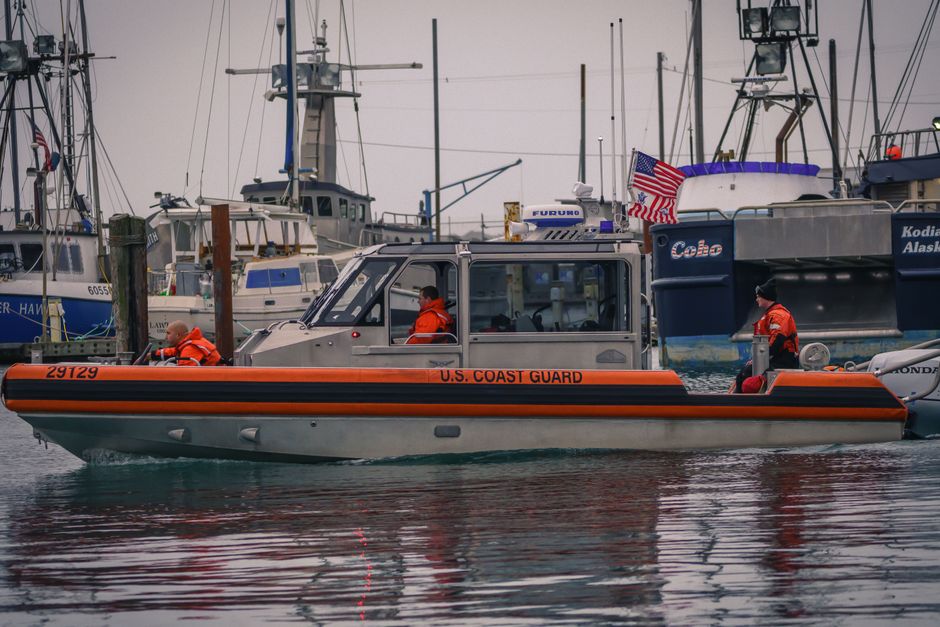
Mysterious Underwater Noises During Titanic Tourist Sub Search: A Deep Dive into the US Coast Guard’s Findings
The frantic search for the missing Titanic tourist submersible, Titan, which vanished with five individuals aboard on June 18, 2023, was dramatically complicated by the detection of recurring underwater noises. These sounds, initially offering a glimmer of hope, ultimately became a source of profound mystery and intensified the already high-stakes rescue operation. The US Coast Guard, leading the extensive international search and rescue effort, confirmed the presence of these noises, which fueled speculation and debate among experts and the public alike. Understanding the timeline, nature, and implications of these detected sounds is crucial to grasping the complexities of the Titan submersible incident and the challenges faced by search teams.
The initial detection of these acoustic signals occurred approximately 30 minutes after the submersible lost contact with its support ship, the Polar Prince. A Canadian P-3 Aurora aircraft, equipped with sonar buoys designed to detect submarines and other underwater vessels, picked up the sounds in the vicinity of the last known communication with Titan. These initial reports were met with a surge of cautious optimism. The presence of regular, distinct noises suggested the possibility of a functioning vessel, potentially a signal from the distressed submersible itself. The US Coast Guard, under the command of Rear Admiral John Mauger, acknowledged these reports, stating that sonar equipment had indeed detected “recurring noises” in the search area. This intelligence immediately redirected search efforts, focusing a significant portion of resources on pinpointing the origin of these sounds.
The nature of these underwater noises was complex and, as further analysis unfolded, increasingly puzzling. While initial reports described them as "banging" or "knocking" sounds, subsequent briefings from the Coast Guard indicated a more nuanced acoustic profile. The noises were described as both regular and intermittent, suggesting a deliberate action rather than random environmental phenomena. Experts involved in acoustic analysis meticulously reviewed the recordings, attempting to identify patterns that could be attributed to the Titan submersible. Theories ranged from the submersible itself emitting sounds to generate attention, to the possibility of debris falling from the vessel. The regularity of the sounds was a key factor that kept hope alive, implying that something within the search area was actively producing these signals.
The US Coast Guard, in its public statements, maintained a cautious approach to interpreting these noises. While acknowledging their significance, they emphasized that it was impossible to definitively confirm their origin. Rear Admiral Mauger repeatedly stressed that the sounds could be indicative of something other than the submersible. This included the possibility of background ocean noise, the sounds of other vessels in the area, or even natural geological activity. The vastness and complexity of the underwater environment meant that interpreting acoustic data was a formidable task. Despite the uncertainty, the potential of these noises to lead rescuers to the submersible was too great to ignore, and they remained a central focus of the search strategy.
The search area itself was immense and technically challenging. The Titan submersible was located in a region of the North Atlantic Ocean known for its extreme depths, turbulent currents, and vast, largely unexplored seabed. The Titanic wreck lies at a depth of approximately 12,500 feet (3,800 meters), a pressure environment that is incredibly hostile to human life and technological equipment. This extreme depth presented significant challenges for sonar detection, as sound waves can be distorted and attenuated by water pressure and temperature variations. Furthermore, the remote location meant that deployment of specialized deep-sea search equipment was time-consuming and logistically complex.
The deployment of remotely operated vehicles (ROVs) became a critical component of the search, particularly in light of the underwater noises. Several ROVs, capable of descending to the ocean floor and providing visual confirmation, were brought into the search area. These advanced underwater robots were tasked with investigating the locations from which the acoustic signals were believed to originate. The process of deploying and maneuvering these ROVs at such extreme depths is a meticulous and time-consuming undertaking. They are guided by sophisticated sonar systems and human operators who must navigate treacherous underwater terrain while battling limited visibility. The hope was that these ROVs would be able to visually identify the Titan submersible, or any debris, if they were indeed located in the vicinity of the detected sounds.
The timeline of events surrounding the detection of the noises is crucial. The Titan submersible lost communication with the Polar Prince roughly one hour and 45 minutes into its dive to the Titanic wreck. The initial sounds were detected several hours after this loss of contact. This delay in detection meant that the submersible had already been submerged for a significant period, increasing the urgency of the rescue efforts. The Coast Guard and its international partners worked around the clock, coordinating a multi-faceted search involving ships, aircraft, and specialized underwater equipment. The intermittent nature of the noises also added to the complexity, as search teams had to constantly monitor acoustic data and adjust their search patterns accordingly.
Expert analysis of the sounds played a pivotal role in shaping the search strategy. Acoustic experts, familiar with the sound signatures of various marine vessels and equipment, were brought in to scrutinize the recordings. They looked for characteristics that might distinguish the sounds of the Titan submersible from other potential sources. This involved analyzing the frequency, amplitude, and repetition patterns of the noises. However, the lack of a definitive "signature" for the Titan submersible’s operational sounds made this analysis particularly challenging. Unlike military submarines, which have well-documented acoustic profiles, the sounds produced by a commercial deep-sea exploration vehicle were less understood.
The potential for misinterpretation of underwater acoustics cannot be overstated. The ocean is a noisy environment, filled with the sounds of marine life, geological activity, and human-made vessels. Distinguishing a faint signal from a distressed submersible amidst this cacophony is a monumental task. The US Coast Guard acknowledged this challenge, highlighting that even with advanced technology, definitive identification of the source of the sounds remained elusive. This inherent uncertainty meant that search efforts had to be broad, encompassing a wide geographical area and considering multiple possibilities.
The psychological impact of these noises on the families of the missing passengers and the rescue teams was also significant. The initial reports of sounds offered a potent, albeit fragile, source of hope. This hope would ebb and flow with each subsequent update, creating a rollercoaster of emotions. For the rescue teams on the ground, these sounds provided a potential lead, a tangible piece of information in an otherwise desperate situation. However, the inability to definitively confirm their origin also added to the immense pressure and frustration.
Ultimately, the search for the Titan submersible concluded tragically. On June 22, 2023, debris from the submersible was found on the seabed, approximately 1,600 feet (488 meters) from the bow of the Titanic. The US Coast Guard announced that the debris field was consistent with a catastrophic implosion of the pressure hull. While the underwater noises had provided a focal point for the search, they did not lead directly to the location of the submersible or offer any indication of its fate prior to the discovery of the debris. The cause of the implosion remains under investigation, with factors such as hull integrity and the immense pressure at that depth being primary considerations.
The detection of underwater noises during the Titan submersible search serves as a stark reminder of the profound challenges associated with deep-sea exploration and rescue. It underscores the complexities of acoustic detection, the vastness and inherent noise of the ocean, and the critical importance of robust analytical capabilities. While these sounds initially offered a beacon of hope, their ultimate origin remains a subject of speculation. The US Coast Guard’s meticulous approach to investigating these signals, coupled with their honest communication about the inherent uncertainties, provided a comprehensive, albeit ultimately tragic, account of the search efforts. The incident has undoubtedly spurred further research into deep-sea acoustics and the development of more advanced detection and identification technologies for future deep-ocean missions. The echoes from the abyss, while unresolved in their origin during the search, will undoubtedly continue to inform our understanding of the mysteries that lie beneath the waves. The data gathered from these acoustic events, even in the absence of a definitive explanation for their source, will contribute to the ongoing scientific endeavor to comprehend the vast and largely unknown underwater world. The search for the Titan became a testament to human resilience and ingenuity in the face of unimaginable adversity, with the mysterious underwater noises adding a layer of profound enigma to this tragic chapter in maritime exploration history. The continued analysis of the acoustic data by scientists and engineers may eventually shed further light on the sounds that briefly ignited hope in the darkest depths.


