New York Confronts Fragmented Mosquito Surveillance Amid Rising Public Health Threats

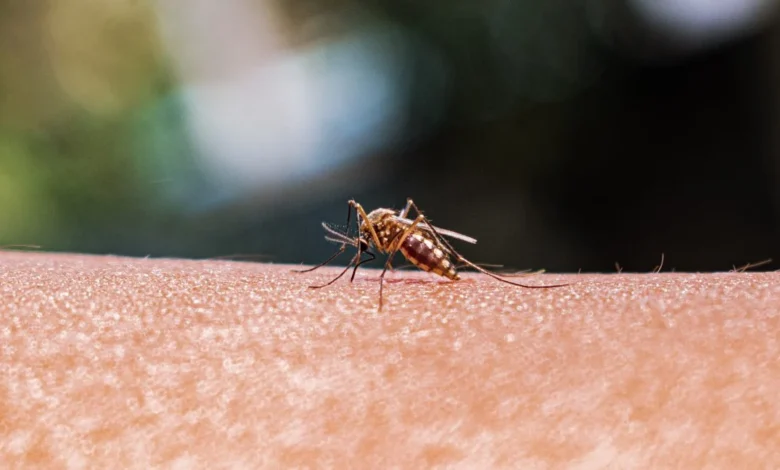
New York State is grappling with a persistent and growing public health challenge: an inadequate and fragmented system for monitoring mosquito populations, which are critical vectors for numerous diseases. This disjointed approach, characterized by a lack of coordination, inconsistent funding, and logistical hurdles across its 62 counties, leaves the state vulnerable to outbreaks of mosquito-borne illnesses like West Nile Virus (WNV) and Eastern Equine Encephalitis (EEE), and makes it difficult to detect the arrival of new invasive species that could carry even more exotic pathogens such as Zika, Dengue, and Chikungunya. Experts warn that the current "hit or miss" surveillance system is reactive rather than proactive, often leading to public health responses only after a problem has already escalated.
The Invisible Threat: Mosquito-Borne Diseases in New York
Mosquito-borne diseases pose a significant, yet often underestimated, threat to public health in New York. The state has a long history of grappling with such illnesses, particularly West Nile Virus. Since its introduction to the United States in 1999, WNV has become endemic, with cases reported annually across New York. According to the New York State Department of Health (NYSDOH), hundreds of human cases have been confirmed over the past two decades, often resulting in neuroinvasive disease, hospitalization, and even fatalities. Eastern Equine Encephalitis (EEE), though rarer, is far more virulent, carrying a mortality rate of up to 33% in humans and causing severe neurological damage in survivors. These diseases are not just a rural phenomenon; mosquitoes thrive in diverse environments, from dense urban centers to sprawling agricultural lands.
Beyond these established threats, the specter of invasive mosquito species looms large. Species like Aedes aegypti and Aedes albopictus, often referred to as Asian tiger mosquitoes, are aggressive daytime biters and highly efficient vectors for diseases such like Zika, Dengue, and Chikungunya. While these diseases are not yet endemic in New York, the presence and expansion of these mosquito species due to climate change and increased global travel create a clear pathway for future local transmission. For instance, Aedes albopictus has been steadily expanding its range northward, now commonly found in many parts of New York, including New York City and Long Island. The warmer temperatures and altered precipitation patterns associated with climate change are extending mosquito breeding seasons and allowing these invasive species to establish themselves in previously inhospitable regions, making robust surveillance more critical than ever.
The Current "Patchwork" Problem: A System Under Strain
The existing mosquito surveillance infrastructure in New York is largely decentralized, operating primarily at the county level. While some counties boast well-established and effective programs, many others struggle due to a combination of resource constraints, geographical challenges, and a lack of standardized protocols. This creates what Dr. Laura Leydet, a prominent researcher in this field, describes as a "patchwork system" where surveillance is "hit or miss." Her lab, in particular, has found that this fragmented approach allows invasive mosquito species to "fly under the radar," potentially establishing populations undetected until they pose an immediate threat.
The labor-intensive and expensive nature of effective monitoring further exacerbates these challenges. Teams of field technicians are required to traverse diverse terrains, often in challenging conditions, to set and check traps. These traps come in various forms, each designed to target specific mosquito behaviors. For instance, "gravid traps" utilize "stinky water" – a concoction of decaying organic material – to attract female mosquitoes seeking an oviposition site to lay their eggs. Other traps rely on carbon dioxide (CO2) to mimic the breath of mammals, drawing in mosquitoes hunting for a blood meal.
The logistical hurdles associated with these methods are substantial. Dry ice, a common source of CO2 for traps, can be particularly difficult to obtain in rural parts of New York. As Leydet noted, "the team had to make their own" in some instances, highlighting the extent of the ingenuity and effort required to maintain even basic surveillance in remote areas. Once samples are collected, they must be transported to laboratories where specialists meticulously identify, sort, and test the collected mosquitoes. This process demands highly trained entomologists and public health scientists capable of differentiating between hundreds of mosquito species and performing complex molecular tests, such as Polymerase Chain Reaction (PCR) or Enzyme-Linked Immunosorbent Assay (ELISA), to detect the presence of pathogens like West Nile Virus. The scarcity of such specialized personnel, particularly in less affluent counties, represents another critical bottleneck in the current system.
Funding Gaps and Operational Disconnects
Beyond the immediate operational and logistical challenges, funding emerges as a perennial obstacle to effective mosquito surveillance. Leydet succinctly captured this dilemma: "If the county doesn’t have money or resources, these programs fade away." This vulnerability means that surveillance efforts are often subject to the whims of local budgets, which can fluctuate dramatically based on economic conditions or competing public health priorities. When programs diminish or cease, the state loses its eyes and ears on the ground, creating blind spots where mosquito populations can proliferate unchecked and diseases can spread silently.
The consequence of this underfunding and decentralization is a predominantly reactive public health strategy. "If we don’t have these surveillance programs, then all we’re doing is responding to a problem when it’s already a problem, and that’s never how prevention works," Leydet emphasized. This reactive posture is not only less effective in controlling disease spread but also significantly more costly in the long run. Emergency responses to outbreaks often involve widespread pesticide spraying, which is expensive, can have broader environmental impacts, and is a measure taken only after human cases have already emerged. Proactive prevention, on the other hand, focuses on identifying threats early, allowing for targeted interventions that are both more efficient and less disruptive.
The economic toll of mosquito-borne diseases is substantial. Beyond the direct healthcare costs for treating infected individuals, outbreaks can lead to lost productivity, decreased tourism, and significant expenditure on emergency vector control measures. For example, a major WNV outbreak can cost a state millions of dollars in public health response alone, dwarfing the investment required for consistent, proactive surveillance. The current system, by failing to provide comprehensive early warning, inadvertently increases the state’s exposure to these considerable economic burdens.
A Legislative Push for Comprehensive Surveillance
The recognition of these systemic flaws has prompted a significant legislative initiative in New York State. A bill, S10393, was introduced in the New York State Legislature during the current session, aiming to fundamentally reform the state’s approach to mosquito monitoring. This landmark legislation seeks to establish a comprehensive, statewide mosquito surveillance program, directly addressing what the bill itself describes as the "sparse and disintegrated" current system.
The primary objective of S10393 is to lay the groundwork for a unified and standardized surveillance network. While the full text outlines specific provisions, the general intent is to foster greater centralization, coordination, and data sharing among counties and with the state health department. Key provisions are expected to include:
- Standardized Protocols: Mandating uniform methods for trap deployment, sample collection, and laboratory analysis across all participating entities, ensuring data consistency and comparability.
- Dedicated Funding Streams: Establishing a consistent and sufficient funding mechanism to support county-level programs, preventing their dissolution due to budget shortfalls.
- Inter-agency Cooperation: Facilitating formal channels for communication and data exchange between county health departments, state agencies (like NYSDOH and DEC), and academic institutions.
- Centralized Data Repository: Creating a statewide database for mosquito surveillance data, allowing for real-time tracking of mosquito populations, species distribution, and pathogen detection. This would enable predictive modeling and rapid identification of emerging threats.
- Training and Technical Support: Providing resources for training local personnel in advanced entomological techniques and laboratory diagnostics.
The bill, sponsored by concerned legislators, reflects a growing consensus that public health cannot afford the vulnerabilities inherent in the current fragmented system. Proponents argue that a unified approach is not merely an administrative improvement but a critical investment in public safety and economic stability. It signals a shift from a reactive crisis management model to a proactive, evidence-based public health defense strategy.
The Science of Surveillance: Methods and Challenges
Effective mosquito surveillance is a multifaceted scientific endeavor. The methods employed are precise and continually evolving, demanding expertise in entomology, epidemiology, and public health. As noted, two primary types of traps are widely used:
- Gravid Traps: These traps target female mosquitoes, particularly those that have already taken a blood meal and are now "gravid" (pregnant) and seeking a place to lay their eggs. They are baited with stagnant water infused with organic matter, mimicking natural breeding sites. The collected mosquitoes are crucial for disease detection because a gravid female, having recently fed, is a strong indicator of potential virus transmission in the area.
- CO2 Traps (e.g., CDC Light Traps): These traps release carbon dioxide, often from dry ice, to attract mosquitoes actively seeking a blood meal. They are highly effective at collecting a wide range of mosquito species, including those that transmit diseases like West Nile Virus. The logistical challenge of sourcing dry ice in remote areas, as highlighted by Leydet, underscores a practical hurdle for consistent deployment.
Once collected, mosquito samples undergo rigorous laboratory analysis. Entomologists meticulously sort and identify individual mosquitoes, often under microscopes, to species level. This identification is vital, as different species have varying capacities to transmit specific pathogens. For example, Culex species are primary vectors for WNV, while Aedes species are notorious for transmitting Dengue and Zika. Following identification, mosquitoes are often pooled by species, location, and date, and then tested for the presence of viruses. Molecular techniques like RT-PCR (Reverse Transcription Polymerase Chain Reaction) are used to detect viral RNA, providing definitive evidence of pathogen circulation.
The effectiveness of these scientific methods is heavily reliant on systematic deployment and comprehensive data sharing. Without a centralized system, individual counties might collect valuable data, but the inability to aggregate and analyze this information across a broader geographical area limits its utility in understanding statewide trends or predicting larger outbreaks. The proposed legislation aims to bridge this data gap, transforming isolated data points into a cohesive epidemiological picture for New York.
Proactive Measures vs. Reactive Responses
A comprehensive surveillance program enables a shift towards proactive public health interventions, which are far more effective and less disruptive than reactive measures. Proactive strategies include:
- Source Reduction: This involves identifying and eliminating standing water sources where mosquitoes lay their eggs. Public education campaigns encouraging residents to "tip and toss" containers, clean gutters, and maintain swimming pools are critical components. Targeted removal of larger breeding habitats, such as abandoned tires or clogged storm drains, is also essential.
- Larvicides: These are biological or chemical agents applied to standing water to kill mosquito larvae before they mature into biting adults. Bacillus thuringiensis israelensis (Bti) is a common biological larvicide that specifically targets mosquito and blackfly larvae, posing minimal risk to other aquatic life, pets, or humans. Its targeted application in known breeding sites is a highly effective and environmentally conscious control method.
- Public Warning and Education: Timely communication to the public about mosquito activity and disease risk is paramount. This includes advising residents to use insect repellent containing DEET, picaridin, or oil of lemon eucalyptus; wearing long sleeves and pants during peak mosquito activity (dawn and dusk); and ensuring window screens are in good repair.
In contrast, reactive measures, often necessitated by the failure of proactive strategies, typically involve more widespread and intensive interventions. The most common reactive measure is adulticide spraying, where pesticides are dispersed over larger areas to kill adult mosquitoes. While sometimes necessary to rapidly reduce mosquito populations during an outbreak and prevent further human cases, widespread spraying is often a last resort due to its higher cost, potential non-target impacts on other insects, and public concern regarding chemical exposure. The goal of a robust surveillance system is to minimize the need for such broad-scale interventions by enabling early, targeted, and less intrusive control methods.
Broader Implications: Health, Economy, Environment
The implications of strengthening New York’s mosquito surveillance system extend far beyond immediate disease prevention. From a public health perspective, a comprehensive program would significantly reduce the incidence of mosquito-borne illnesses, alleviating strain on healthcare systems and improving overall community well-being. Early detection means fewer human cases, fewer hospitalizations, and ultimately, fewer deaths.
Economically, the investment in a centralized surveillance program is likely to yield substantial returns. The cost of preventing outbreaks through consistent monitoring and targeted interventions is demonstrably lower than the economic burden of responding to full-blown epidemics. This includes direct healthcare costs, lost productivity from illness, and the economic impact on sectors like tourism and outdoor recreation, which can be severely affected by public health advisories related to mosquito-borne diseases. A robust system provides greater predictability and stability for public health planning and resource allocation.
Environmentally, a proactive approach minimizes the need for extensive pesticide application. By identifying specific breeding sites and high-risk areas early, control efforts can be highly localized, utilizing environmentally friendly larvicides or targeted adulticides only where absolutely necessary. This reduces the overall chemical footprint, safeguarding beneficial insects, pollinators, and the broader ecosystem.
Furthermore, a centralized system could foster innovation. With standardized data, researchers could leverage advanced technologies like Geographic Information Systems (GIS) for precise mapping of mosquito habitats and disease hotspots. Predictive modeling, incorporating climate data and historical trends, could forecast future outbreak risks, allowing for even earlier and more strategic interventions. The integration of citizen science initiatives, where the public reports mosquito activity or standing water, could also augment official surveillance efforts, creating a more comprehensive and community-engaged defense.
The Road Ahead: Overcoming Centralization Challenges
While the benefits of a comprehensive, centralized mosquito surveillance program are clear, the path to its implementation is not without challenges. Leydet’s observations underscore the practical difficulties: "There is general interest in these programs, but when you start seeing what they cost, it’s like, ‘Maybe we’re not that interested.’" The initial investment required to establish standardized infrastructure, train personnel, and ensure sustained funding can be substantial, and securing long-term political will to maintain such funding is crucial.
Coordinating efforts across a state as geographically and demographically diverse as New York presents its own set of complexities. Balancing state-level mandates with the unique needs and existing expertise of individual counties will require careful negotiation and collaboration. Some counties may already have robust programs and might resist sweeping changes, while others may welcome the support but require significant capacity building.
Despite these hurdles, the consensus among public health experts is that the current approach is unsustainable in the face of expanding mosquito ranges and emerging disease threats. The proposed legislation, S10393, represents a critical step towards building a more resilient and responsive public health infrastructure in New York. As Leydet concluded, even with the inherent difficulties, "any help is better than nothing." The urgency of the situation demands a unified, forward-looking strategy to protect New Yorkers from the growing threat of mosquito-borne diseases, transforming a fragmented defense into a cohesive and effective statewide shield.
This article originally appeared on Inside Climate News, a nonprofit, non-partisan news organization that covers climate, energy, and the environment.