LimeWire Reimagined: The Evolution of a Digital Icon into a Generative AI Publishing Ecosystem

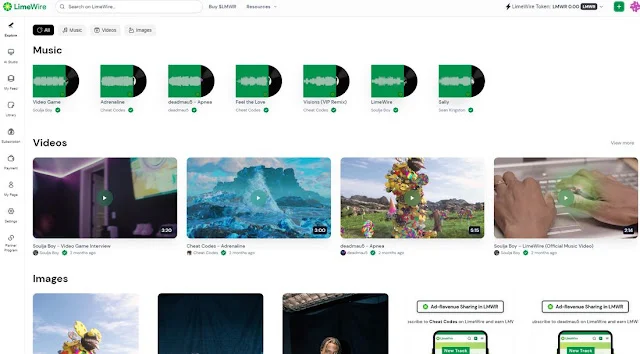
The digital landscape is currently witnessing a profound shift in how creative content is produced, distributed, and monetized. LimeWire, a brand historically synonymous with the peer-to-peer file-sharing revolution of the early 2000s, has successfully transitioned into the generative artificial intelligence sector. Today, the platform operates as a sophisticated AI-powered content studio, providing users with the tools to generate, publish, and monetize digital assets while leveraging blockchain technology to ensure ownership and authenticity. This pivot represents a strategic departure from the platform’s contentious past, aligning instead with the emerging "creator economy" that prioritizes intellectual property rights and decentralized revenue streams.
A Chronological Shift: From P2P to AI Innovation
The history of LimeWire is one of the most notable arcs in internet history. Launched in 2000, the original LimeWire served as a central hub for millions of users to exchange music and software files. However, the platform faced significant legal challenges related to copyright infringement, culminating in a 2010 court order that forced its closure.
Following a decade of dormancy, the brand was acquired by a new management team with a vision to rehabilitate the name within the framework of Web3 technology. In 2022, the company launched its NFT marketplace, signaling a commitment to digital ownership. By 2023, the focus shifted further toward generative AI, integrating large-scale language and image models to allow users to create content directly on the platform. This evolution reflects a broader trend in the tech industry: legacy brands seeking to reinvent themselves through high-growth sectors like AI and blockchain.
The Technical Architecture of LimeWire AI Studio
At the core of the modern LimeWire platform is the LimeWire AI Studio. Unlike standalone image generators that merely produce output, the studio is designed as a publishing ecosystem. It currently hosts support for industry-leading generative models, including Stable Diffusion 2.1, Stable Diffusion XL, and DALL-E 2.
The studio’s functionality is built on a modular approach. Users provide text-based prompts—ranging from simple descriptors to complex, multi-layered instructions—which the platform then translates into visual media. Beyond basic generation, the platform offers advanced settings, including the ability to adjust samplers, aspect ratios, and aesthetic styles such as cinematic, pixel art, anime, and analog film. By integrating these diverse models, LimeWire enables a level of creative versatility that serves both hobbyists and professional digital artists.
Blockchain Integration and Intellectual Property
A defining feature of the new LimeWire is its automatic integration with the Polygon and Algorand blockchains. When a user generates an image through the AI studio and chooses to publish it, the platform triggers a "minting" process. This converts the digital image into a Non-Fungible Token (NFT), effectively recording the creation on a distributed ledger.
This mechanism serves two primary purposes: verification and monetization. By assigning a unique digital signature to every piece of content, LimeWire provides a transparent audit trail of ownership. This is particularly significant for artists looking to protect their work in an era where AI-generated content often faces questions regarding copyright and provenance. Once an asset is minted, the creator retains the ability to trade it, sell it, or license it, creating a secondary market for AI-generated art that was previously difficult to establish.
The Creator Economy and Revenue Models
LimeWire’s business model is explicitly built around the "creator-first" philosophy. Recognizing that content creators are the lifeblood of the platform, the company has implemented a tiered monetization structure. Creators can earn revenue in two primary ways: through advertising and through direct fan interaction.
When content is published publicly on the platform, it is eligible for ad revenue sharing. The platform distributes 70% of the ad revenue generated by a creator’s content back to the individual. These payouts are denominated in LMWR, the native utility token of the LimeWire ecosystem. This cryptocurrency can be traded on major exchanges such as Kraken, ByBit, and Uniswap, or utilized within the platform to purchase additional credits for AI generation.
Furthermore, the platform facilitates a subscription-based model. Creators have the option to gate their content, making it accessible only to premium subscribers. This allows artists to build a dedicated fanbase, similar to platforms like Patreon or Substack, but with the added benefit of blockchain-backed asset ownership. The platform also includes a royalty feature; every time a piece of content is traded on the secondary market, the original creator is entitled to a 2.5% royalty, ensuring long-term residual income for successful digital works.
Comparative Analysis of Pricing Tiers
LimeWire maintains an accessible entry point for new users while scaling for professional creators. The platform operates on a credit-based system, where each image generation consumes a specific number of tokens.
- Free Tier: Designed for experimentation, this tier offers 10 credits, allowing for up to 20 image generations per day. It includes a 50% ad revenue share.
- Pro Tier ($9.99/mo): Provides 1,000 monthly credits (approx. 2,000 images), early access to new models, and a 50% ad revenue share.
- Pro Plus ($29/mo): Offers 3,750 credits (approx. 7,500 images) and increases the ad revenue share to 60%.
- Pro Elite ($49/mo): Provides 5,000 credits (approx. 10,000 images) and a 70% ad revenue share.
- Pro Ultimate ($99/mo): The highest tier, offering 11,250 credits (approx. 22,500 images) and a 70% ad revenue share.
All paid tiers include additional benefits such as priority image generation speeds, a "Pro" profile badge, and an ad-free experience for the user. This structure allows the platform to generate steady, recurring revenue while incentivizing creators to scale their output as they grow their audience.
Broader Market Implications
The emergence of platforms like LimeWire signals a significant shift in the relationship between AI and intellectual property. By combining generative tools with a blockchain-based marketplace, LimeWire is effectively creating a standardized framework for the "AI-generated asset" class.
From an industry perspective, this model addresses several criticisms leveled against generative AI. While many AI platforms are criticized for being "black boxes" that produce content without compensating the original artists, LimeWire’s integration of royalty payments and blockchain tracking provides a potential solution for fair compensation. If successful, this could set a precedent for other platforms to follow, particularly as the legal landscape surrounding AI copyright continues to evolve.
However, challenges remain. The volatility of the cryptocurrency market, in which the LMWR token is denominated, introduces a layer of financial risk for creators. Additionally, the platform must compete with established tech giants and specialized AI startups that are rapidly releasing their own proprietary tools. LimeWire’s success will likely depend on its ability to execute its roadmap, which includes the integration of AI music and video generation tools—a logical next step given the company’s historical association with the music industry.
Looking Ahead: AI-Driven Media Production
As LimeWire continues to iterate on its proprietary AI models, the scope of the platform is expected to expand. The transition from static images to dynamic video and audio generation represents the next frontier in synthetic media. By enabling creators to produce comprehensive multimedia content—music, visuals, and video—within a single, integrated environment, LimeWire is positioning itself as a vertically integrated creative studio for the next generation of digital artists.
In summary, the modern LimeWire represents a bridge between the decentralized ethos of the early web and the sophisticated, automated possibilities of modern artificial intelligence. By providing a low-barrier-to-entry environment for content generation, while simultaneously offering the tools for professional-grade monetization, the platform is carving out a unique niche in the competitive AI landscape. Whether this transformation will achieve the same cultural ubiquity as its predecessor remains to be seen, but the structural foundations it has laid suggest a robust vision for the future of digital creativity.
Related posts: