Meta Debuts Camera-Free Ray-Ban Audio Glasses and Gen 3 AI Hardware at Connect 2026 To Address Growing Privacy Concerns

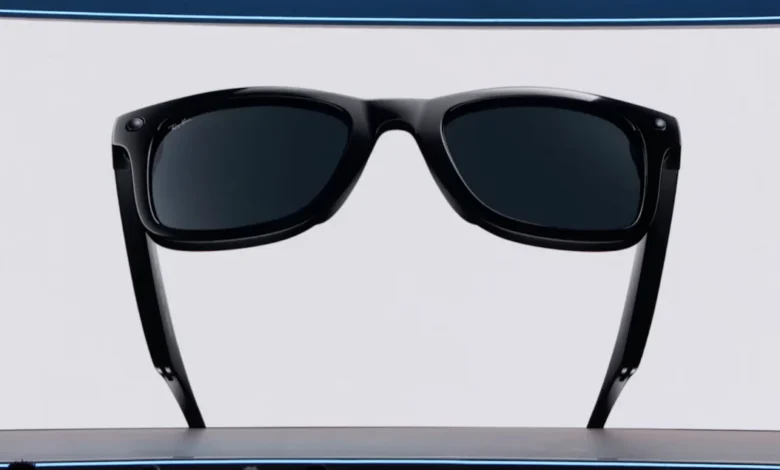
Meta has officially introduced its first-ever camera-free smart eyewear, the Ray-Ban Meta Audio, during its annual Connect 2026 conference. Developed in collaboration with longstanding hardware partner EssilorLuxottica and priced starting at $349, the newly unveiled device marks a strategic pivot for the tech conglomerate. By stripping away visual recording capabilities, Meta aims to address mounting public scrutiny and reputational damage stemming from the misuse of its earlier camera-equipped smart glasses, which critics frequently labeled as privacy hazards and "pervert glasses" due to instances of non-consensual recording in public spaces.
The introduction of the audio-only variant represents a calculated effort to broaden the appeal of smart eyewear while neutralizing the "creepiness factor" that has historically hindered mainstream adoption. Alongside the camera-free model, Meta also pulled back the curtain on its third-generation camera-enabled AI glasses, expanded its global retail footprint, introduced high-profile celebrity partnerships, and showcased an advanced suite of software updates anchored by its new personal artificial intelligence assistant, Muse.
Background Context and the Privacy Controversy
The wearable technology sector has experienced a contentious few years regarding consumer privacy, and Meta has shouldered a significant portion of that burden. Since the initial rollout of its AI-powered smart glasses, the company has faced widespread criticism from privacy advocates, journalists, and everyday consumers. Reports frequently highlighted individuals—predominantly men—using the covert recording capabilities of the frames to capture video footage of unsuspecting subjects in public settings, restaurants, and transit systems.
In mid-2026, public pushback intensified as privacy watchdog organizations and media outlets underscored the ease with which users could bypass social boundaries. Meta previously attempted to mitigate these concerns through software patches, including a security update designed to disable the device’s camera entirely if the external LED recording indicator light was physically tampered with or blocked. Despite these technical safeguards, the core anxiety surrounding surreptitious filming persisted, creating a persistent market resistance that threatened to stall the broader growth of augmented reality and smart accessories.
By launching a dedicated audio-only line, Meta is attempting to bifurcate its hardware strategy. The company is offering a product tailored for consumers who desire seamless, voice-activated utility and high-fidelity sound without the baggage associated with optical lenses and image sensors.
Design, Technical Specifications, and Audio Features
Engineered entirely around acoustic performance and daily wearability, the Ray-Ban Meta Audio glasses dispense with the bulky hardware required to house camera modules. This structural omission allows the new frames to be notably sleeker and lighter than their camera-equipped counterparts, tipping the scales at a mere 43 grams.
During the keynote presentation on Wednesday, Meta CEO Mark Zuckerberg emphasized the transformative potential of dedicated ear-free listening experiences. “Once you get used to high-quality audio, it’s just a thing that you want all the time, right?” Zuckerberg remarked to the audience, noting that internal development revealed a distinct market demand for a standalone category of audio-centric eyewear that could rival popular tethered hearables like Apple’s AirPods.
The Ray-Ban Meta Audio devices are equipped to stream music, handle podcasts, execute voice calls, translate foreign languages in real time, and interface directly with Meta’s newly deployed conversational intelligence, Muse. To ensure comfort and durability, the glasses feature adjustable temple tips, swappable nose pads, and overextension hinges.
Battery performance is a cornerstone of the new hardware release. Meta claims the glasses deliver up to 12 hours of continuous operation on a single charge. Furthermore, the accompanying protective charging case extends total aggregate battery life up to 48 hours, positioning the accessory for all-day utilization.
Fashion Integration and Customization Options
Recognizing that consumer acceptance of wearable technology heavily relies on traditional aesthetics, Meta and EssilorLuxottica have heavily invested in diverse styling choices. The Ray-Ban Meta Audio line will launch with an expansive palette, offering 23 distinct color and lens combinations.

In addition to updating existing frames, the release introduces two fresh silhouettes: the retro-inspired "Clubmaster" style and the "Burbank," characterized as a classic, timeless rectangular frame. Mirroring previous iterations in Meta’s smart glasses lineup, buyers will also have the option to order the frames fitted with custom optical prescription lenses through participating retail channels.
Preorders for the Ray-Ban Meta Audio glasses are scheduled to officially open on October 13.
The Next Generation: Ray-Ban Meta Gen 3 and Global Expansion
While the audio-only model caters to privacy-conscious consumers, Meta remains fully committed to visual capture technology. At the same time, the company unveiled its next-generation flagship hardware: the Ray-Ban Meta (Gen 3).
The Gen 3 lineup expands beyond the traditional Wayfarer design by introducing two brand-new frame geometries: the classic Aviator and the Zena, which features a pronounced cat-eye frame profile. Technologically, the Gen 3 models are upgraded with a 12-megapixel camera capable of shooting 3K Ultra HD video. Audio capture and voice commands are managed by a sophisticated six-microphone array, while the internal battery is engineered to deliver up to nine hours of continuous usage.
Meta also announced a significant broadening of its global footprint. The EssilorLuxottica-partnered hardware ecosystem is rolling out to an expanded roster of international markets. To bolster brand cachet, Meta is scaling up its celebrity marketing strategy. Following successful prior collaborations with media personality Kylie Jenner, the company announced a new strategic brand partnership with global music icon Lisa, aimed at capturing younger, style-conscious demographic segments.
Software Enhancements and the Muse AI Assistant
Across all hardware variants—both audio-only and camera-equipped—users will gain deep integration with Meta’s upgraded personal assistant, Muse. The rollout of Muse is intended to unify the company’s hardware ecosystem under a more responsive, context-aware conversational engine.
During the Connect 2026 conference, Meta executives offered a preview of upcoming software features slated for future deployment across the device portfolio. These include support for Dolby Atmos Capture, an advanced multi-frame image selection tool designed to automatically pick the optimal photograph from a rapid burst of frames, and user-selectable framing options for switching between landscape and portrait orientations.
Additionally, Meta addressed accessibility by announcing specialized hearing enhancement tools designed to aid individuals experiencing mild hearing loss. Other forthcoming features include more detailed contextual responses, adjustable audio equalization modes, and highly customizable physical and voice controls.
Addressing Data Privacy Concerns
In tandem with its hardware announcements, Meta addressed data governance head-on by teasing a new architectural framework referred to as "private processing." According to company statements, this proprietary security layer is engineered to ensure that personal data processed by the glasses remains isolated, preventing Meta from accessing or viewing user telemetry and media logs.
While cybersecurity experts and independent privacy watchdogs will likely subject "private processing" to rigorous auditing upon its release, the inclusion of the feature underscores Meta’s urgent need to rebuild trust with a skeptical public. By balancing the launch of a non-recording audio alternative with stringent privacy safeguards on its optical devices, Meta is attempting to navigate the delicate intersection of pervasive ambient computing and consumer civil liberties.