The Rise of Generative AI in Music and the Looming Legal Crisis for the Recording Industry

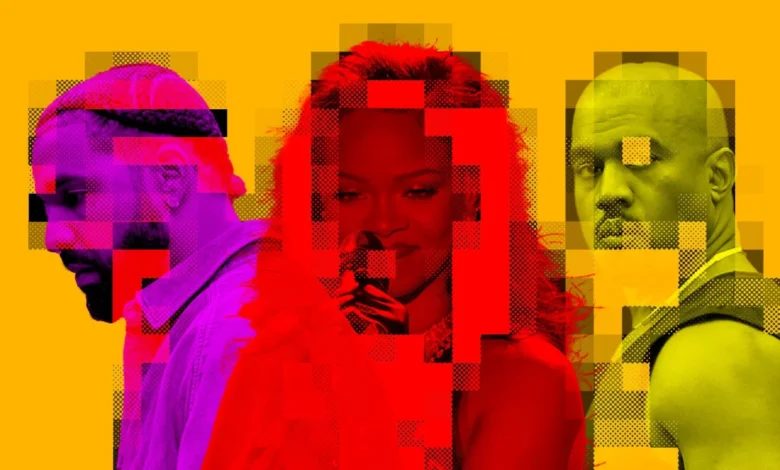
The emergence of powerful generative artificial intelligence tools has fundamentally altered the landscape of the music industry, creating a profound tension between technological innovation and intellectual property rights. As sophisticated software allows users to clone the voices of iconic artists with startling accuracy, the digital sphere—spanning platforms like YouTube, Instagram, and TikTok—has become flooded with unauthorized performances. From AI-generated raps by Eminem and Jay-Z to viral "collaborations" between Drake and The Weeknd, the industry is grappling with a phenomenon that threatens to upend traditional models of copyright, artistic integrity, and celebrity likeness.
The Chronology of an AI-Driven Disruption
The infiltration of AI into mainstream music production has accelerated rapidly over the last several months. In February 2023, world-renowned DJ David Guetta ignited a firestorm by incorporating an AI-generated Eminem vocal track into a live performance. Guetta later noted that he had created the vocals as a demonstration of the technology’s capabilities, yet the move underscored the ease with which a digital "deepfake" could mimic a superstar without their consent.
Shortly thereafter, the French hip-hop duo AllttA released "Savages," a track featuring the unmistakable voice of Jay-Z. While the track garnered praise for its technical proficiency and the uncanny quality of the vocal synthesis, it marked a shift from experimental hobbyism to polished, professional-sounding releases. The trend reached a fever pitch in April 2023 with the release of "Heart on My Sleeve," a track purportedly featuring Drake and The Weeknd. The song went viral, deceiving many listeners into believing it was an official collaboration. While rumors circulated that the track was part of a sophisticated marketing ploy, its success demonstrated that AI-generated content could command significant listener attention, often outpacing organic promotional efforts.
The Mechanism of Disruption: How Vocal Synthesis Works
The primary driver behind this surge is the open-source tool So-Vits-SVC (Soft-Voice-to-Voice-Conversion). Unlike earlier text-to-speech models, So-Vits-SVC allows users to train a model on a specific artist’s vocal data, effectively creating a "voice skin" that can be applied to any melodic or lyrical input. The tool has cultivated a massive, decentralized community of creators on platforms like Discord and TikTok, where users share models trained on the catalogs of Kanye West, Rihanna, and Freddie Mercury.
For many creators, the process is akin to "modding" a video game. Users scrape acapella tracks from leaked or unreleased studio sessions, feed the audio into the software, and refine the model through iterative training. This barrier to entry has lowered to the point where college students and hobbyists, such as those within the "Kanye unreleased community," can produce high-fidelity content in a matter of days. This shift has democratized music production but has simultaneously stripped away the gatekeeping mechanisms that labels and management teams previously relied upon to protect their artists’ brands.
Official Responses and the Corporate Counter-Attack
The music industry has not remained idle in the face of this technological encroachment. Universal Music Group (UMG), the world’s largest music conglomerate, has emerged as the most vocal opponent of unauthorized AI training. The label has reportedly initiated direct outreach to major streaming services, including Spotify and Apple Music, requesting that they implement measures to prevent AI developers from "scraping" their platforms for training data. UMG argues that the unauthorized use of their copyrighted catalog to train machine learning models constitutes a flagrant violation of intellectual property laws.
The sentiment among major labels is mirrored by a growing apprehension within financial circles. Analysts at BNP Paribas Exane have categorized AI-generated music as a "new disruptive threat," warning that the technology could permanently degrade the value of major labels’ back catalogs. By allowing fans to generate "new" content from their favorite stars, AI diminishes the scarcity that has historically underpinned the economics of recorded music.
Legal Ambiguity and the Question of Identity Theft
Despite the industry’s alarm, the legal framework governing AI-generated music remains underdeveloped. Current copyright laws were largely designed for human creators, leaving a vacuum regarding the rights of performers over their own vocal timbre and "sonic likeness."
Jonathan Bailey, a technology consultant and former executive at Soundwide, suggests that the industry may need to pivot toward a legal theory centered on identity theft or the right of publicity. "I think you can make a persuasive argument that using AI to reanimate a voice to have an artist perform something they never created is a form of identity theft," Bailey noted. However, established entertainment attorneys are cautious. Donald Passman, a preeminent lawyer representing clients like Adele and Taylor Swift, has declined to offer definitive legal opinions on the matter, citing the novelty of the technology and the desire to avoid taking positions that could complicate future litigation.
The ethical dilemma is further complicated by the use of AI to "resurrect" deceased artists. Projects like BohemianRhapsod.ai, which allows users to conduct a choir of AI-generated Freddie Mercury vocals, raise uncomfortable questions about legacy, posthumous consent, and the moral rights of estates. While some argue that such projects are a form of digital tribute, others view them as a parasitic exploitation of an artist’s life work.
Broader Implications for the Creative Economy
The rise of AI-generated music represents a fundamental shift in the definition of artistic authorship. For creators like Jered Chavez, a student who uses AI to create comedic mashups of rappers singing anime theme songs, the technology offers a creative outlet that was previously unimaginable. Yet, even those within the community acknowledge the risks. "Obviously, people that make this music and use this AI are taking someone’s likeness and, most of the time without permission, creating something that’s essentially putting words in people’s mouths," Chavez admitted.
This "wild west" era of music production is unlikely to be contained by copyright takedowns alone. As tools become more accessible and models more efficient, the cat-and-mouse game between labels and independent creators will likely intensify. The potential outcomes range from a complete regulatory crackdown that mandates strict licensing for AI models to a new, hybrid industry model where artists license their voices to AI companies for a fee, effectively turning their vocal identity into a tradeable asset.
Furthermore, the impact on the listener experience cannot be overlooked. The charm of the "AI-cover"—such as the viral Kanye West cover of the Plain White T’s "Hey There Delilah"—lies in the subversion of expectations. It provides fans with a sense of agency and participation in the creative process. However, this novelty may come at the cost of the professional artist’s ability to control their narrative. When a fan can generate a thousand variations of a Drake song, the singular, curated vision of the artist is diluted.
Conclusion: A New Frontier
As the industry stands on the precipice of this transition, the debate is no longer whether AI will affect the music business, but how the business will survive the AI revolution. The current period is defined by a lack of consensus, as hobbyists continue to push the boundaries of what is technically possible while labels scramble to build legal firewalls.
Whether this technology ultimately leads to a creative renaissance or a decline in the value of human performance remains to be seen. What is clear is that the relationship between the listener, the artist, and the recorded track has been permanently altered. As courts and legislators begin to weigh in on the matter, the music industry must prepare for a future where the voice—once the most personal and unique marker of an artist—is now a reproducible digital commodity. The path forward will require a delicate balance between protecting the rights of those who build musical legacies and fostering the innovation that defines the next generation of creative expression. For now, the only certainty is that the AI-generated track is here to stay, and the industry is forced to adapt to a reality where the lines between human art and synthetic approximation are more blurred than ever before.