Coronavirus Pandemic Latest March 2 2023 117568
Coronavirus Pandemic Update: March 2, 2023, 117568
As of March 2, 2023, the ongoing novel coronavirus (COVID-19) pandemic continues to be a significant global health concern, though its trajectory has demonstrably shifted from the acute crisis phases of earlier years. The cumulative number of confirmed cases worldwide has surpassed 677 million, with an estimated death toll exceeding 6.8 million. These figures represent the overwhelming majority of infections and fatalities since the pandemic’s inception. While daily new case counts have significantly decreased from their peaks, the virus remains endemic in many populations, necessitating continued vigilance and adaptation of public health strategies. The emergence and spread of new variants, while less disruptive than Omicron and its sublineages, still pose a threat, particularly to vulnerable populations and those with waning immunity from prior infections or vaccinations. Public health agencies globally are monitoring these variants closely through genomic surveillance, assessing their transmissibility, severity, and potential to evade existing immune defenses. The focus has shifted from broad-scale containment to managing the virus as an ongoing public health challenge, integrating COVID-19 prevention and treatment into routine healthcare practices.
The dominant variants circulating globally at the beginning of March 2023 are primarily sublineages of Omicron, such as XBB.1.5, often referred to as "Kraken," and BA.2.75.2. XBB.1.5, in particular, has shown increased transmissibility and immune evasion capabilities, leading to its emergence as the dominant strain in several countries, including the United States. While XBB.1.5 has demonstrated a higher propensity for infection, current data suggest it does not inherently cause more severe disease than previous Omicron subvariants. However, its rapid spread can still lead to increased hospitalizations and strain healthcare systems, especially in regions with lower vaccination rates or a higher proportion of immunocompromised individuals. The continuous evolution of the virus underscores the importance of robust genomic surveillance systems. These systems allow scientists to identify new variants, track their spread, and assess their potential impact on public health interventions, including vaccine effectiveness and the need for updated vaccine formulations. The World Health Organization (WHO) and national public health bodies like the Centers for Disease Control and Prevention (CDC) in the United States are actively involved in this surveillance, providing real-time data and risk assessments to guide policy decisions.
Vaccination remains a cornerstone of the global response to COVID-19. As of early March 2023, approximately 70% of the global population has received at least one dose of a COVID-19 vaccine, and over 65% are fully vaccinated. However, significant disparities persist between high-income and low-income countries, with many nations still struggling to achieve even basic vaccination coverage. Booster campaigns continue to be recommended, particularly for individuals at higher risk of severe illness, including the elderly, immunocompromised individuals, and healthcare workers. The effectiveness of vaccines against infection has diminished with the emergence of Omicron and its subvariants, but they continue to provide robust protection against severe disease, hospitalization, and death. Research into updated vaccine formulations targeting dominant circulating variants is ongoing, with bivalent vaccines already available and further iterations anticipated. These updated vaccines aim to elicit a stronger immune response against the specific spike proteins of newer variants, potentially improving protection. The long-term efficacy and the need for annual or semi-annual booster shots are subjects of ongoing scientific investigation.
The therapeutic landscape for COVID-19 has also evolved considerably. Antiviral medications, such as Paxlovid (nirmatrelvir/ritonavir) and molnupiravir, have become widely available and are recommended for individuals with mild to moderate COVID-19 who are at high risk of progressing to severe illness. These oral antivirals, when administered early in the course of infection, have demonstrated significant reductions in hospitalization and death. Monoclonal antibody treatments, while still a viable option for some patients, have seen their utility decrease against newer, more immune-evasive variants, as many of these treatments are less effective at neutralizing them. The development of new therapeutic agents, including those targeting different stages of viral replication and the host immune response, continues in clinical trials. The accessibility and affordability of these treatments remain critical challenges in many parts of the world, exacerbating existing health inequities. Efforts are underway to expand access through global initiatives and local manufacturing partnerships.
The long-term consequences of COVID-19, commonly referred to as "long COVID" or post-COVID conditions (PCC), are increasingly recognized as a significant public health burden. Millions of individuals worldwide continue to experience a range of persistent symptoms, including fatigue, cognitive dysfunction ("brain fog"), shortness of breath, and cardiovascular issues, months or even years after their initial infection. Research into the underlying mechanisms of long COVID is a major focus, with various hypotheses being investigated, including persistent viral reservoirs, immune dysregulation, and microvascular damage. While there is no single cure for long COVID, a multidisciplinary approach to symptom management, including physical therapy, cognitive rehabilitation, and psychological support, is often employed. The economic and social impact of long COVID is substantial, affecting individuals’ ability to work, participate in daily activities, and maintain their quality of life. Greater investment in research, patient advocacy, and clinical care for long COVID is crucial.
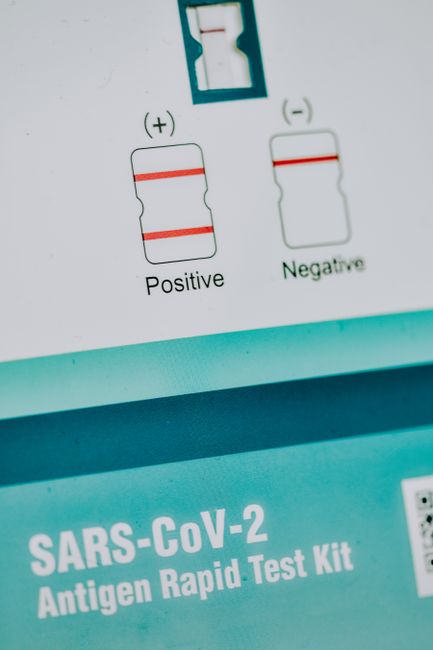
Public health measures have transitioned from widespread mandates to more targeted recommendations. Masking is generally no longer mandated in most public spaces in many countries, but it remains a recommended tool for individuals in high-risk settings, those experiencing symptoms, or in areas with significant viral circulation. Testing strategies have also evolved, with a greater emphasis on rapid antigen tests for at-home use and more accessible PCR testing for diagnosis and public health monitoring. Isolation and quarantine guidelines have been relaxed in many regions, reflecting a shift towards managing the virus rather than eradicating it. However, updated guidance from health authorities continues to emphasize staying home when sick and practicing good hygiene, such as regular handwashing and covering coughs and sneezes, as fundamental measures to reduce transmission. The ongoing adaptation of public health strategies reflects a dynamic understanding of the virus and its impact on societies.
The economic implications of the pandemic, while less acute than in previous years, continue to be felt. Supply chain disruptions, labor shortages, and inflationary pressures stemming partly from pandemic-related economic stimulus and disruptions are still present in many economies. The healthcare sector continues to face challenges related to staff burnout, capacity constraints, and the need to address the backlog of elective procedures delayed during peak pandemic periods. Mental health services are also under considerable strain, addressing the widespread psychological impact of the pandemic, including increased rates of anxiety, depression, and trauma. Global cooperation remains essential for equitable vaccine distribution, therapeutic access, and the development of future pandemic preparedness strategies. The lessons learned from COVID-19 are being integrated into ongoing efforts to strengthen global health security and build more resilient healthcare systems capable of responding to future health crises. The pandemic has underscored the interconnectedness of global health, economies, and societal well-being, necessitating a coordinated and sustained international response. The ongoing surveillance of viral evolution, coupled with advancements in vaccination and therapeutics, will continue to shape the future trajectory of the COVID-19 pandemic.