Democratizing the Directors Chair How Lightcrafts Spark Story Platform is Reshaping the Future of Independent Filmmaking and Virtual Production

The global film industry is currently navigating a period of profound transition, characterized by a growing disconnect between massive studio tentpoles and an audience increasingly hungry for narrative originality. As traditional Hollywood formulas face scrutiny for their reliance on established franchises, a new wave of creators is emerging from the digital periphery. Projects such as the viral sensation Backrooms and the psychological thriller Obsession have demonstrated that high-concept, ambitious storytelling no longer requires the backing of a major studio to find a global audience. Central to this shift is the evolution of filmmaking technology, specifically tools that allow creators to bridge the gap between a raw idea and a visual reality. At the forefront of this movement is Lightcraft, a technology firm whose co-founder and president, Elijah Welch, is championing a new platform called Spark Story, designed to provide independent filmmakers with the same pre-visualization (previs) capabilities once reserved for multi-million-dollar blockbusters.
The challenge of modern filmmaking has rarely been a lack of imagination; rather, it is the logistical and financial hurdle of translating a mental image into a shared vision. For decades, the process of pre-visualization—creating a digital, low-fidelity version of a film before physical production begins—was the exclusive domain of companies like Industrial Light & Magic or Weta FX. By the time a project like Avatar or a Marvel Cinematic Universe entry reached the set, every camera angle and lighting setup had been tested in a virtual environment. For the independent creator, however, the first time they see their vision is often the day they arrive on set, where every minute of experimentation costs thousands of dollars. Lightcraft’s Spark Story, set to launch its beta phase at SIGGRAPH 2026, aims to dismantle this barrier by offering an interactive, accessible previs toolset that integrates directly with mobile technology and industry-standard software.
The Evolution of Pre-Visualization and Virtual Production
To understand the significance of Spark Story, one must examine the chronology of cinematic production techniques. Historically, filmmaking was divided into rigid silos: pre-production (writing and storyboarding), production (principal photography), and post-production (editing and visual effects). The rise of "found footage" hits like The Blair Witch Project in 1999 and the early low-budget successes of directors like Sam Raimi and Peter Jackson proved that ingenuity could bypass budget constraints. However, those films were often limited by their technical simplicity.
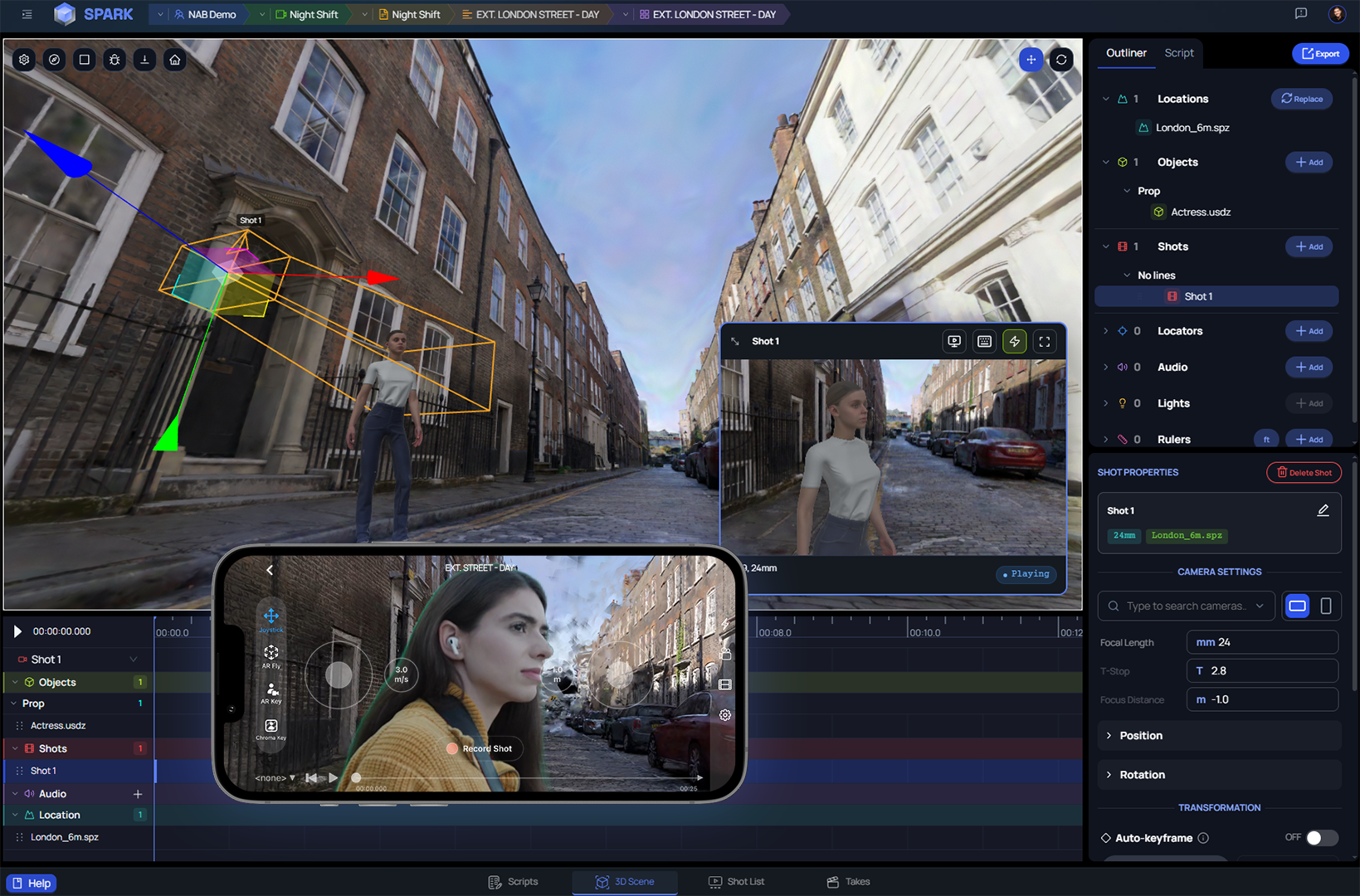
The 2010s saw the birth of the "Virtual Production" era, catalyzed by the use of real-time game engines like Unreal Engine in projects such as The Mandalorian. This allowed filmmakers to see digital backgrounds and visual effects through the camera lens in real-time. While revolutionary, the hardware requirements—massive LED "Volumes" and high-end server racks—remained prohibitively expensive for the average creator. Lightcraft’s intervention represents the next logical step in this timeline: the miniaturization and democratization of virtual production. By leveraging the processing power of modern iPhones and the flexibility of augmented reality (AR), Spark Story allows a director to walk through a digital set in their living room, framing shots and testing camera movements before a single actor is hired.
Technical Specifications and the Centrality of the Script
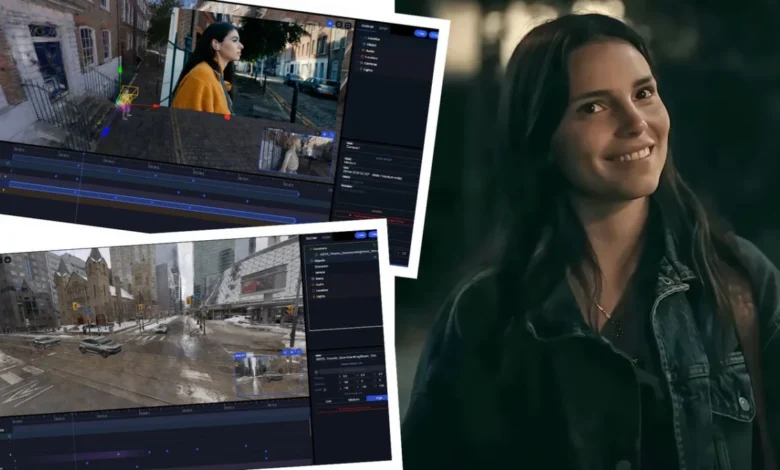
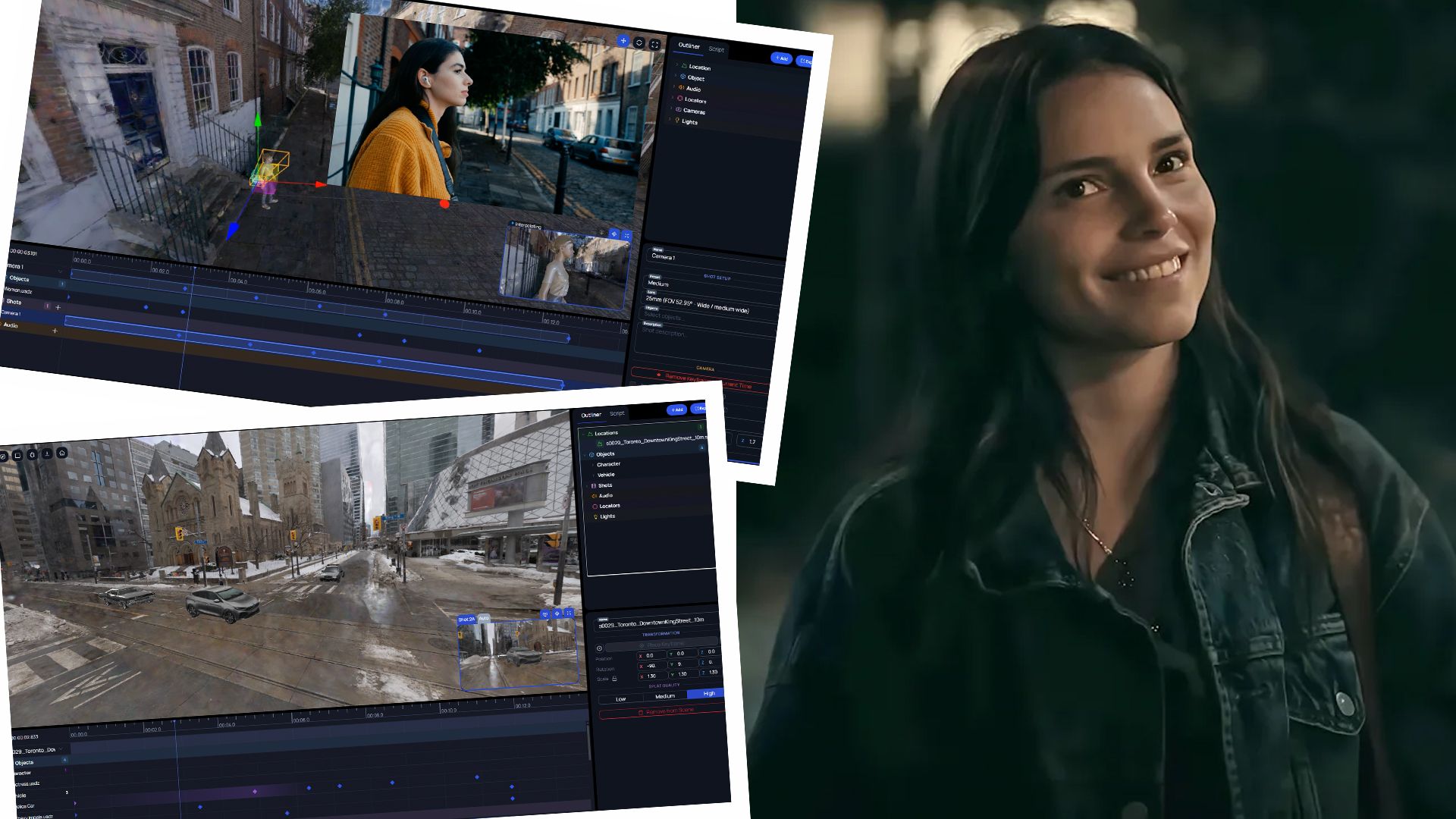
Unlike many digital tools that prioritize visual aesthetics over narrative structure, Spark Story is built upon the philosophy that the screenplay is the "central nervous system" of a film. This script-centric approach is facilitated by Spark Atlas, a feature within the platform that connects every digital asset, camera take, and piece of metadata directly to specific lines in the script. When a filmmaker imports a screenplay, the platform generates a database where assets are organized by scene, ensuring that the creative team remains aligned throughout the production lifecycle.
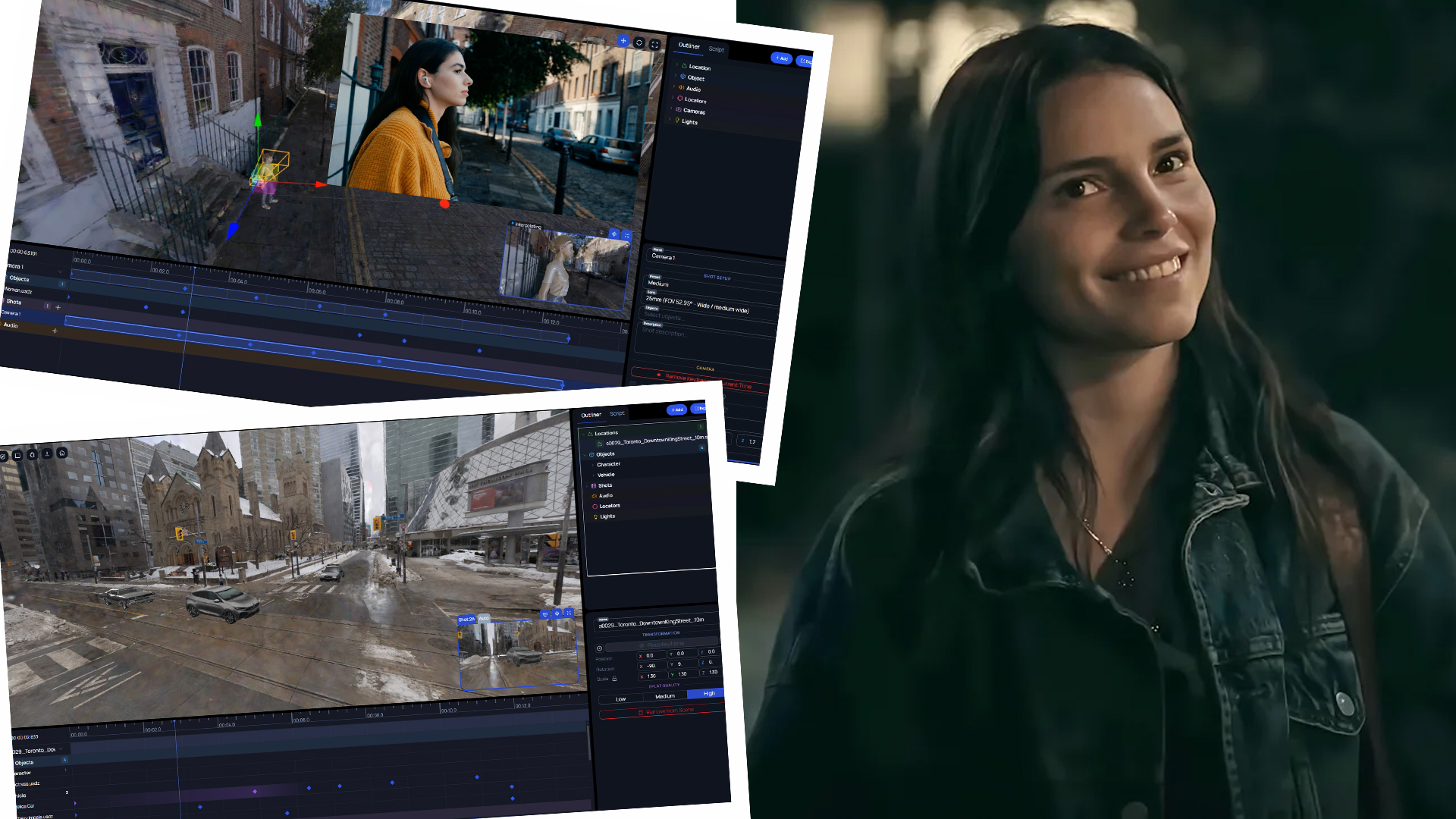
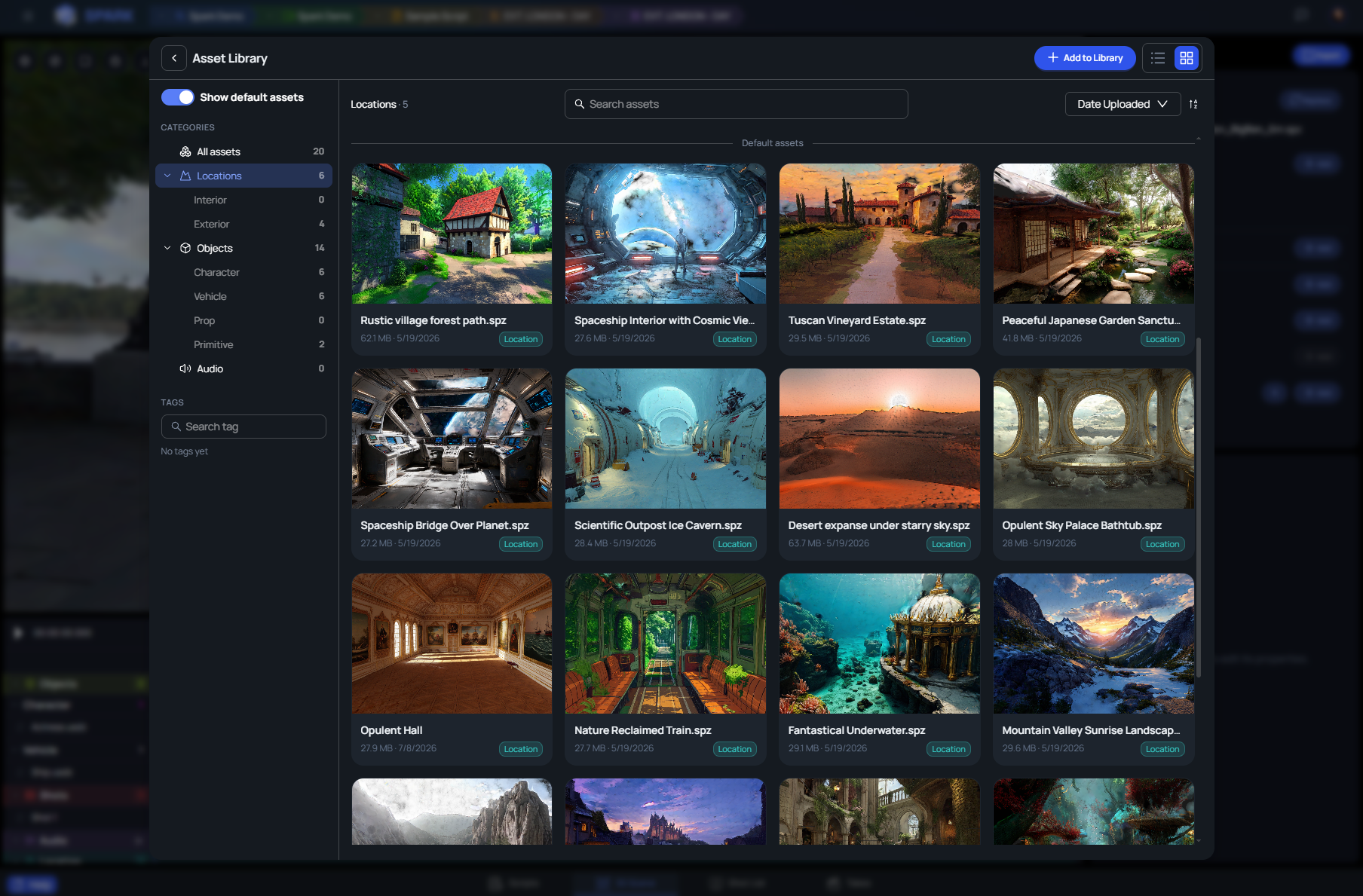
The platform’s technical versatility is further enhanced by its compatibility with established 3D ecosystems. Spark Story supports direct imports from Blender, Unreal Engine, and Maya, allowing artists to bring custom-built environments into the previs space. Furthermore, the platform includes a comprehensive library of 3D assets and real-time compositing tools. During live demonstrations, Welch has showcased the ability to use an iPhone as a virtual camera. By moving the phone through physical space, the director controls a virtual camera within a 3D environment, enabling the capture of complex drone-style shots or handheld movements that would be difficult to storyboard traditionally.
Supporting Data and the Rise of the Creator Economy
The market for virtual production and advanced filmmaking tools is experiencing exponential growth. Industry analysts project that the global virtual production market, valued at approximately $3.1 billion in 2023, will grow at a compound annual growth rate (CAGR) of nearly 20% through 2030. This growth is driven not just by Hollywood, but by the explosion of the "creator economy." Platforms like YouTube, TikTok, and Instagram have created a generation of technically proficient editors and videographers who are now looking to scale their content into long-form narrative cinema.
Data from software providers like Blender indicates a massive uptick in the use of 3D tools among hobbyists and independent professionals. By providing a bridge between these 3D tools and the traditional craft of directing, Lightcraft is tapping into a demographic that possesses the skills to build worlds but lacks the institutional framework to manage a professional film set. Welch notes that the transition from 30-second social media clips to 30-minute short films is the next major frontier for digital creators. Spark Story is positioned as the "Google Docs of 3D," allowing for collaborative, cloud-based iteration that mirrors the workflow of modern software development more than the rigid hierarchies of old-school cinema.
Industry Reactions and the Shift Toward Iterative Filmmaking
The response from the filmmaking community to the announcement of Spark Story has been one of cautious optimism mixed with significant interest. Traditional cinematographers have long expressed frustration with the "fix it in post" mentality, which often results in ballooning budgets and creative compromises. The ability to "fix it in previs" offers a more sustainable alternative. By allowing for infinite iteration at zero marginal cost, directors can experiment with radical ideas—such as non-linear camera paths or experimental lighting—without the fear of wasting a production day.
Elijah Welch emphasizes that the primary goal is to "get folks unstuck." In the traditional model, a great idea often dies in the transition from the page to the pitch. When a creator can present a fully realized, albeit low-resolution, version of a sequence to investors or collaborators, the likelihood of a project being greenlit increases. This transparency reduces the risk for producers and gives the creative team a "north star" to follow once principal photography begins.
Broader Implications for the Cinematic Landscape
The long-term impact of platforms like Spark Story extends beyond mere cost-cutting. We are witnessing a fundamental shift in the "language" of cinema. When the tools of high-end production are placed in the hands of a broader, more diverse group of creators, the resulting stories are likely to deviate from the established tropes of the studio system. The success of films like Backrooms—which began as a short film created in Blender by a teenager—proves that audiences are no longer tethered to the "Hollywood look." They are tethered to original, immersive experiences.
Furthermore, the integration of AR and real-time metadata tracking suggests a future where the boundary between the "virtual" and "real" sets continues to blur. As Spark Story moves toward its 2026 beta launch, the industry will be watching closely to see if it can truly deliver on the promise of professional-grade previs for the masses. If successful, Lightcraft may not just be launching a new app; it may be ushering in an era where the only limit to cinematic scale is the quality of the script itself.
In conclusion, the democratization of filmmaking technology is moving into its most sophisticated phase yet. By focusing on the script as the foundation and utilizing mobile hardware to lower the entry barrier, Lightcraft’s Spark Story provides a glimpse into a future where the next Peter Jackson or Sam Raimi might not need a lucky break or a massive budget—just a smartphone, a solid story, and the willingness to iterate until their vision is perfect. The cinematic revolution is no longer being televised; it is being pre-visualized.