Bitcoin Hits 28k As Uncertainty Surrounds Banks 159571
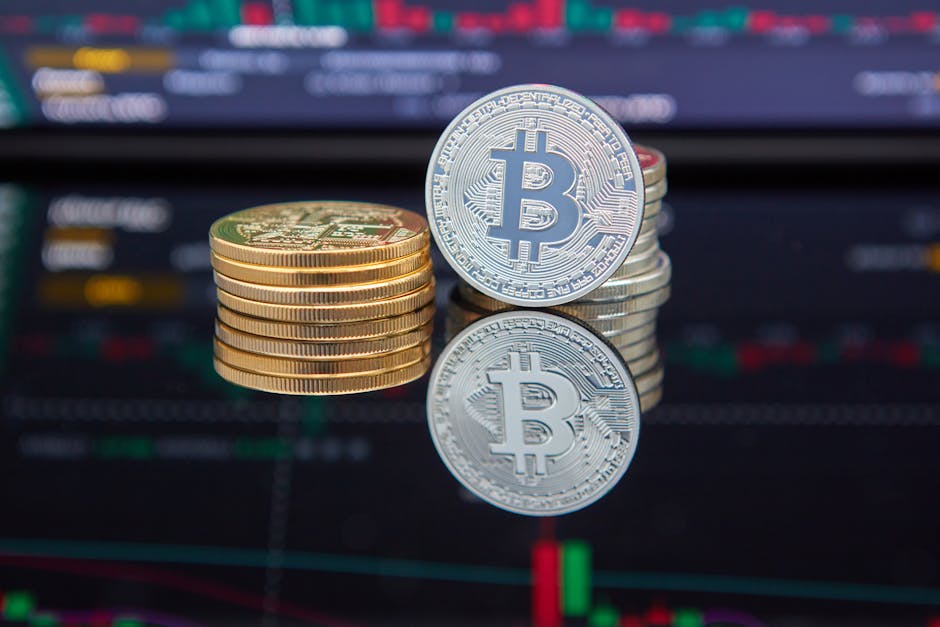
Bitcoin Surges Past $28,000 Amidst Banking Sector Turmoil
The cryptocurrency market, long characterized by its volatility, has witnessed a significant surge in Bitcoin’s price, pushing it comfortably above the $28,000 mark. This ascent is not an isolated event; it is deeply intertwined with a growing sense of apprehension and uncertainty surrounding the stability of traditional banking institutions. The recent collapses of Silicon Valley Bank (SVB) and Signature Bank, coupled with the ongoing stress experienced by Credit Suisse, have injected a potent dose of fear into the global financial system, prompting a reassess of asset classes and investment strategies. Investors, once heavily reliant on the perceived safety of conventional banking, are now actively seeking alternatives, and Bitcoin, with its decentralized nature and independent infrastructure, is emerging as a compelling refuge.
The narrative surrounding Bitcoin has historically been one of a potential hedge against inflation and a digital alternative to fiat currency. However, the current market dynamics are painting a more immediate and visceral picture: Bitcoin as a sanctuary from systemic financial risk. The failure of these prominent banks has exposed vulnerabilities within the very bedrock of the financial world, raising fundamental questions about deposit insurance, liquidity management, and the interconnectedness of the global financial ecosystem. In the wake of these events, traditional safe havens like government bonds are experiencing diminished appeal, as investors grapple with the potential for contagion and further institutional failures. This shift in investor sentiment directly benefits Bitcoin, which operates outside the purview of centralized control and regulatory oversight that has, in this instance, proven insufficient to prevent significant disruptions.
The price action of Bitcoin, breaking through key resistance levels and maintaining upward momentum, is a clear signal of this flight to digital assets. Analysts are observing a renewed interest from both retail and institutional investors who are diversifying their portfolios away from assets perceived to be at risk. The decentralized nature of Bitcoin means it is not subject to the same bank run dynamics that plague traditional financial institutions. There is no single point of failure, no central authority to impose withdrawal limits or freeze assets. This inherent resilience, amplified by the current banking anxieties, is a powerful draw for those seeking to protect their capital from the potential fallout of further banking distress.
Beyond the immediate banking crisis, broader economic factors continue to contribute to Bitcoin’s strength. Persistent inflation, despite efforts by central banks to curb it, remains a concern for many. In an inflationary environment, the purchasing power of fiat currency erodes, making assets with finite supply, like Bitcoin, more attractive. The programmed scarcity of Bitcoin, capped at 21 million coins, positions it as a deflationary asset, offering a potential store of value over the long term. This underlying economic rationale, combined with the current banking turmoil, creates a potent cocktail of demand drivers for Bitcoin.
The regulatory landscape surrounding cryptocurrencies, while still evolving, has also played a subtle role. While regulatory uncertainty can sometimes dampen enthusiasm, the current situation highlights the limitations of existing financial regulations. The collapses of SVB and Signature Bank suggest that even within regulated systems, significant risks can materialize. This, paradoxically, might lead to a more nuanced approach to cryptocurrency regulation, with a greater appreciation for the potential benefits of decentralized systems in offering alternatives to traditional financial structures. The focus might shift from outright prohibition to finding frameworks that foster innovation while mitigating risks, a scenario that could be more conducive to Bitcoin’s growth and adoption.
Furthermore, the technological advancements and increasing adoption of Bitcoin are not to be underestimated. The Lightning Network, a layer-2 scaling solution, continues to mature, promising faster and cheaper transactions, which are crucial for wider everyday use. The growing acceptance of Bitcoin by merchants, albeit still nascent, and the development of institutional-grade infrastructure for trading and custody are all building a more robust ecosystem. These developments, while happening independently of the banking crisis, provide a solid foundation upon which increased investor confidence can be built. The current crisis acts as an accelerant, bringing attention to these existing strengths and driving demand.
The impact of Bitcoin’s rise extends beyond its own price. A strong Bitcoin often signals a broader positive sentiment within the cryptocurrency market. Altcoins, while often more volatile, can benefit from the increased liquidity and investor interest that a rising Bitcoin generates. As capital flows into Bitcoin, some of that capital is likely to spill over into other digital assets as investors seek higher potential returns, albeit with increased risk. This ripple effect can contribute to overall market growth and innovation within the blockchain space.
However, it is crucial to acknowledge the inherent risks associated with Bitcoin and cryptocurrencies. The market remains susceptible to significant price swings driven by speculation, regulatory news, and technological developments. The decentralized nature, while a strength in avoiding bank runs, also means there is no central authority to bail out investors in case of a severe downturn. The security of individual wallets and exchanges remains paramount, and the threat of hacks and exploits is ever-present. Therefore, while the current environment favors Bitcoin, a cautious and informed approach to investment is always recommended.
The current narrative of Bitcoin as a safe haven is a significant departure from its earlier perception. It underscores the evolving role of digital assets in the global financial landscape. The banking sector’s current fragility is not just a short-term event; it is a potential paradigm shift that could lead to a more permanent reevaluation of where investors place their trust and their capital. The resilience and decentralized nature of Bitcoin, once seen as fringe characteristics, are now being recognized as powerful attributes in an increasingly uncertain financial world.
The increased demand for Bitcoin is not solely driven by fear. There is also a growing understanding of its underlying value proposition as a digital store of value and a potential medium of exchange. The technological innovation and the development of a growing ecosystem of applications and services built on blockchain technology are contributing to its long-term potential. The current banking crisis has simply acted as a catalyst, accelerating the adoption of these digital alternatives.
The media attention surrounding Bitcoin’s surge past $28,000, directly linked to banking sector concerns, serves to further educate a wider audience about the existence and potential benefits of cryptocurrencies. This increased awareness can lead to further adoption and investment, creating a positive feedback loop. While the short-term price movements can be driven by speculation and fear, the underlying fundamentals of Bitcoin, coupled with the ongoing structural issues within the traditional financial system, suggest that this upward trend could have more staying power than previous rallies.
The future trajectory of Bitcoin will undoubtedly be influenced by a multitude of factors. The resolution of the current banking crisis, the actions of central banks, regulatory developments, and continued technological innovation will all play a role. However, the fact that Bitcoin is even being considered as a significant alternative to traditional banking institutions in times of distress is a testament to its growing maturity and its potential to fundamentally alter the financial landscape. The $28,000 mark is not just a price point; it represents a psychological and strategic shift in how investors perceive and utilize digital assets in the face of systemic risk.