Top Apple Analyst Says The Apple Vision Pro Should Sell Out Soon After It Is Available Apples Ar Headset Is Set For A Huge Launch
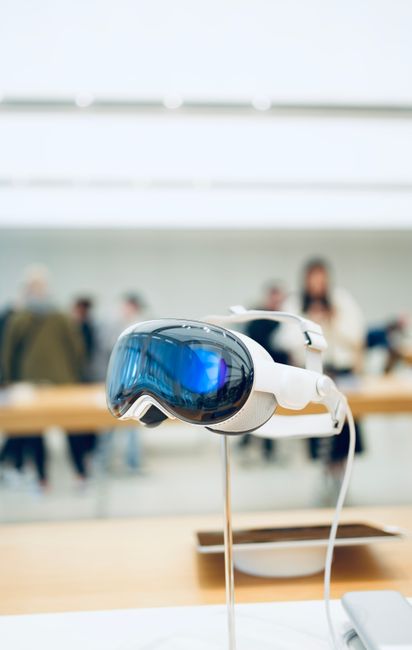
Top Apple Analyst Predicts Vision Pro Sell-Out: A Huge Launch for Apple’s AR Headset
Renowned Apple analyst Ming-Chi Kuo, a consistent predictor of the tech giant’s product performance, has issued a strong forecast: Apple’s highly anticipated Vision Pro augmented reality headset is poised for a rapid sell-out upon its release. This assertion is rooted in a confluence of factors, including robust demand, limited initial production, and Apple’s proven track record of creating high-demand, premium devices. Kuo’s analysis suggests that Apple has strategically orchestrated the Vision Pro’s launch to capitalize on pent-up consumer interest and establish a significant presence in the nascent spatial computing market. The company’s meticulous approach to product development, coupled with its unparalleled brand loyalty, sets the stage for a launch that could redefine consumer expectations for AR technology.
The primary driver behind Kuo’s sell-out prediction is the anticipated demand exceeding the initially conservative production estimates. Reports indicate that Apple is planning a more restrained initial production run for the Vision Pro, a common strategy for new, high-priced hardware categories. This scarcity, combined with intense pre-launch hype, is a potent recipe for immediate sell-outs. Consumers eager to experience Apple’s vision for spatial computing are expected to form queues, both physically and virtually, to secure one of the first available units. This is a playbook Apple has successfully executed with numerous product launches, from the original iPhone to its various Apple Watch iterations and the AirPods Pro. The limited supply, intentionally managed by Apple, creates an aura of exclusivity and urgency, compelling early adopters to act swiftly. Furthermore, the premium pricing of the Vision Pro, while a barrier for some, also signals to a dedicated segment of the market that this is a cutting-edge, aspirational product, further fueling demand among those willing and able to invest in the latest Apple technology.
Beyond the immediate supply-demand dynamic, the Vision Pro’s technological prowess and Apple’s ecosystem integration are significant factors contributing to its projected success. The headset boasts an array of advanced features, including high-resolution displays, sophisticated eye-tracking and hand-tracking capabilities, and a custom silicon architecture designed for demanding AR/VR applications. This technological leap is expected to differentiate the Vision Pro from existing VR headsets, positioning it as a more immersive and versatile device. Apple’s ability to seamlessly integrate the Vision Pro into its existing ecosystem of iPhones, iPads, and Macs is another critical advantage. This cross-device functionality, a hallmark of Apple’s product strategy, will allow users to effortlessly transition between their familiar devices and the spatial computing environment, enhancing user experience and promoting broader adoption. The "walled garden" approach, often criticized, becomes a strength here, ensuring a more cohesive and intuitive user journey for existing Apple customers.
The "spatial computing" paradigm shift is a key narrative Apple is actively promoting, and it resonates with Kuo’s optimistic outlook. Instead of framing the Vision Pro solely as a virtual reality headset, Apple is positioning it as a new platform for computing, entertainment, and productivity. This broader vision encompasses a wide range of potential applications, from immersive gaming and cinematic viewing experiences to advanced productivity tools and collaborative workspaces. The success of this framing will depend on developers embracing the platform and creating compelling content, but initial developer interest, as evidenced by early previews and developer kits, suggests a strong foundation. The ability to interact with digital content in a three-dimensional space, blending the digital and physical worlds, represents a fundamental evolution in how we engage with technology, and the Vision Pro aims to be the vanguard of this evolution.
Apple’s meticulous approach to design and user experience is also a critical element in its anticipated launch success. The company has a well-established reputation for delivering products that are not only technologically advanced but also aesthetically pleasing and intuitively easy to use. The Vision Pro is expected to continue this tradition, with a focus on comfort, ergonomics, and a refined user interface. This attention to detail, often overlooked by competitors, is a significant differentiator for Apple and contributes to its strong brand loyalty. The premium materials, the seamless integration of hardware and software, and the overall polished presentation of the Vision Pro are all designed to create a luxurious and desirable product that justifies its high price point and fosters immediate consumer enthusiasm. The unboxing experience, the initial setup, and the day-to-day interaction are all carefully crafted to reinforce the premium nature of the device.
The limited initial availability, while driving sell-outs, also serves as a strategic move to manage production and gather real-world feedback before a wider rollout. Apple typically employs a phased approach to product launches, allowing it to refine its manufacturing processes and address any unforeseen issues that may arise. This cautious strategy mitigates the risk of large-scale product failures and ensures that when the Vision Pro eventually becomes more widely available, it will be a more polished and reliable device. The initial scarcity also allows Apple to gauge demand more accurately and adjust production volumes accordingly, preventing oversupply and potential markdowns that could tarnish the premium image of the product. It also creates a sense of urgency and exclusivity, further enhancing its appeal to early adopters.
The long-term implications of the Vision Pro launch extend beyond immediate sales figures. If successful, the headset could solidify Apple’s position as a leader in the emerging AR/VR market and pave the way for future iterations and broader adoption of spatial computing. The initial sell-out would be a powerful signal to investors and developers alike, demonstrating the viability and potential of Apple’s spatial computing strategy. This could encourage further investment in the ecosystem, leading to a virtuous cycle of innovation and adoption. The Vision Pro is not just a product launch; it’s a statement of intent, an assertion of Apple’s commitment to defining the next era of personal computing. The success of this initial phase is crucial for building momentum and establishing a dominant presence in this nascent but rapidly evolving market.
Furthermore, the economic impact of such a successful launch should not be underestimated. A sell-out scenario for a high-priced device like the Vision Pro would translate into significant revenue for Apple, bolstering its already substantial financial standing. This financial success would empower Apple to continue investing heavily in research and development, further accelerating innovation in spatial computing and other emerging technologies. The ripple effect could also extend to the broader tech industry, stimulating competition and driving innovation across the AR/VR landscape. The demand generated by a sell-out would also necessitate increased manufacturing and supply chain activity, creating jobs and economic opportunities.
The psychological impact of an Apple sell-out cannot be overstated. Apple has a unique ability to create genuine desire and anticipation for its products. The Vision Pro, with its futuristic appeal and promises of a new computing paradigm, is perfectly positioned to tap into this phenomenon. The news of a sell-out would reinforce Apple’s image as a cutting-edge innovator and solidify its place at the forefront of technological advancement. This perception is invaluable for maintaining brand loyalty and attracting new customers. The narrative of scarcity and immediate demand becomes a self-fulfilling prophecy, encouraging more people to want the product because it’s perceived as highly desirable and difficult to obtain.
In conclusion, top Apple analyst Ming-Chi Kuo’s prediction of an imminent sell-out for the Apple Vision Pro is a well-reasoned assessment based on a combination of strategic production planning, immense pre-launch hype, Apple’s unparalleled brand strength, and the revolutionary potential of spatial computing. The limited initial supply, coupled with the allure of cutting-edge technology and seamless ecosystem integration, is expected to create a surge in demand that will quickly deplete available stock. This launch is not merely about selling a device; it’s about launching a new era of computing, and the initial sell-out will be a critical indicator of its success and Apple’s continued dominance in shaping the future of technology. The market is primed, the technology is poised, and Apple’s execution is historically reliable, all pointing towards a launch that will be characterized by rapid and widespread sell-outs.