The Evolution of Digital Marketing: Key Trends Shaping the Future of E-Commerce and Brand Strategy

Marketing is, much like the e-commerce industry, in a state of constant evolution. Every year, new trends emerge, inspired by the strategic pivots of major influential brands or introduced by innovative agencies proposing novel promotional concepts. Over the past few years, marketing has been heavily influenced by communication methods and product promotion models rooted in social interaction, spanning across dynamic social media ecosystems and video-first platforms. As consumer behaviors shift and digital channels saturate, financial and time investments in marketing—encompassing both organic and paid acquisition strategies—have grown exponentially. Brands must now meet consumers at the exact right moment on the right channel, prompting a rigorous reevaluation of traditional outreach.
Understanding the changing consumption patterns of target markets requires a close examination of emerging methodologies. Industry data indicates that global digital ad spending continues to climb steadily, with businesses allocating larger portions of their annual budgets to performance marketing, consumer data analytics, and immersive technologies. To navigate this shifting landscape successfully, a comprehensive analysis of the primary marketing trends defines the trajectory for the upcoming period, providing organizations with actionable insights to optimize their acquisition channels.
The Shift Toward Responsible Artificial Intelligence
Responsible artificial intelligence has transitioned from a theoretical concept to a foundational requirement for modern enterprise marketing. As machine learning models and generative AI tools become ubiquitous in campaign creation, data analysis, and consumer targeting, regulatory bodies and consumers alike are demanding greater accountability. Responsible artificial intelligence refers to the ethical, transparent, and socially responsible deployment of AI technologies across all commercial operations.

This operational shift involves several key principles and practices, including algorithmic fairness, data privacy compliance, and mitigation of inherent biases in automated decision-making. Historically, the rapid adoption of AI outpaced regulatory frameworks, leading to widespread concerns regarding consumer surveillance and misinformation. In response, industry leaders, policymakers, and marketing associations have established guidelines to ensure AI systems are auditable and explainable. Analysts note that brands prioritizing responsible AI not only mitigate legal and reputational risks but also build stronger, trust-based relationships with an increasingly skeptical consumer base.
Sustainability as a Core Digital Strategy
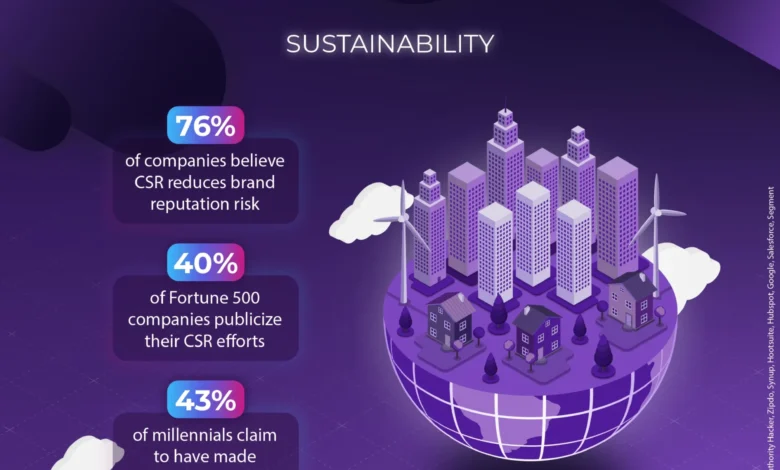
In the context of contemporary digital marketing, integrating sustainability has transformed from a corporate social responsibility checkbox into a crucial component of overarching brand strategies. Modern consumers, particularly Millennials and Generation Z, actively evaluate a company’s environmental footprint before making purchasing decisions. Consequently, digital marketing campaigns must authentically communicate sustainable products and services across various digital channels, including corporate blogs, social media networks, promotional videos, and targeted online advertisements.
The application of sustainability within digital marketing manifests in multiple ways. Through strategic communication, companies highlight the eco-friendly attributes of their offerings to attract environmentally conscious buyers. Social media serves as a powerful catalyst for raising awareness about sustainability issues and internal corporate actions. Enterprises frequently share their green initiatives, publish educational content on sustainable living, and encourage follower participation in community-driven environmental projects.
Furthermore, digital influencers play a significant role in promoting sustainable products and lifestyles. Collaborations with content creators whose personal values align with environmental stewardship help brands reach broader, highly engaged audiences while reinforcing an eco-friendly corporate image. To substantiate these claims and combat greenwashing, companies are increasingly utilizing advanced technologies such as blockchain. Blockchain ensures end-to-end transparency in the supply chain, enabling consumers to verify the origin and lifecycle journey of sustainable products. Additionally, mobile applications and proprietary online tools provide detailed metrics regarding product environmental footprints, empowering consumers to make informed purchasing choices.

Personalization further enhances sustainability efforts. By leveraging customer data, companies can recommend eco-friendly products that align with individual consumer preferences. Loyalty programs and gamified rewards are frequently designed to incentivize responsible purchasing behavior, while digital platforms invite consumers to participate directly in corporate social responsibility initiatives, such as recycling programs and conservation campaigns.
Conversational Search and Voice-Activated Optimization
Intuitive and conversational searches have become pivotal for effective consumer outreach in an era dominated by smart devices. The widespread adoption of voice search and AI-powered smart assistants marks a profound shift in how businesses discover and engage with their target audiences.
Unlike traditional text-based queries, which typically rely on fragmented keywords, voice search enables users to articulate inquiries naturally, mirroring everyday human conversation. This behavioral change necessitates a fundamental restructuring of content optimization strategies. Marketers are now required to pivot toward semantic search, incorporating complete phrases, colloquialisms, and direct questions commonly used in daily interactions.
Concurrently, the rapid advancement of artificial intelligence has rendered smart assistants—such as Apple’s Siri, Google Assistant, and Amazon Alexa—significantly more sophisticated. These systems no longer merely retrieve web pages; they understand context, deliver hyper-personalized responses, and anticipate user needs based on behavioral history. Marketing professionals must adapt their digital architecture to ensure content is accessible and optimized for the algorithmic preferences of these AI ecosystems. By mastering the nuances of conversational search and semantic queries, businesses can enhance user experience, elevate brand visibility, and secure sustained consumer engagement in an increasingly voice-driven marketplace.

The Ascendancy of Short-Form and Immersive Video Content
Video content has firmly established itself as an indispensable medium for capturing consumer attention and promoting products or services with maximum efficiency. Within this domain, two dominant trends command industry attention: concise, highly engaging social media videos and immersive, interactive video experiences.
Short-form videos have become essential for brands aiming to capture fleeting consumer attention spans. Platforms like TikTok, Instagram Reels, and YouTube Shorts have conditioned audiences to consume content in mere seconds. To succeed, brands must craft impactful videos that hook viewers from the very first frame, utilizing storytelling, humor, and striking visuals to drive interaction. These snippets serve as ideal vehicles for rapid product demonstrations, authentic customer testimonials, and time-sensitive promotional offers.
Conversely, immersive and interactive video content caters to consumers seeking deeper brand engagement. Technologies such as 360-degree video, virtual reality (VR), and augmented reality (AR) allow users to step directly into a brand’s universe. In the retail sector, for instance, AR applications enable consumers to virtually try on apparel, accessories, or cosmetics prior to purchase. Industry data shows that these immersive experiences significantly bolster consumer confidence, reduce product return rates, and drive substantially higher conversion rates across e-commerce platforms.
Hyper-Personalization Through Advanced Data Analytics
The hyper-personalization of content represents the pinnacle of modern customer-centric marketing strategies. Moving far beyond basic demographic segmentation, hyper-personalization focuses on delivering tailored offers and bespoke messaging designed around the unique, real-time needs and interests of individual consumers.

This sophisticated approach relies heavily on artificial intelligence and machine learning algorithms capable of parsing vast quantities of consumer data. By analyzing historical purchase behaviors, browsing patterns, and real-time brand interactions, AI systems segment audiences with micro-precision. Retailers and service providers utilize these insights to dynamically adjust website layouts, email campaigns, and product recommendations on an individual basis.
Economic analysts project that hyper-personalization will yield substantial returns on investment as consumer expectations for tailored experiences continue to rise. However, this trend also places increased pressure on organizations to maintain rigorous data governance and transparent privacy practices, ensuring that personalization efforts do not cross the boundary into intrusive surveillance.
Broader Industry Implications and Future Outlook
The convergence of responsible artificial intelligence, sustainability initiatives, conversational search, video innovation, and hyper-personalization signals a transformative period for the global marketing industry. As these trends mature, businesses face both unprecedented opportunities for consumer engagement and complex operational challenges.
Industry experts emphasize that successful navigation of this landscape requires a balanced approach that pairs technological capability with ethical stewardship. Companies that invest in robust data infrastructure, transparent communication, and adaptable digital strategies will likely outperform competitors sluggish to respond to evolving consumer expectations. Ultimately, the future of marketing belongs to enterprises capable of fostering genuine, value-driven connections through seamless, technologically advanced, and socially responsible channels.