Apple Expands South Bay Footprint with New Sunnyvale Lease, Signaling Continued Strategic Investment in R&D and AI Infrastructure

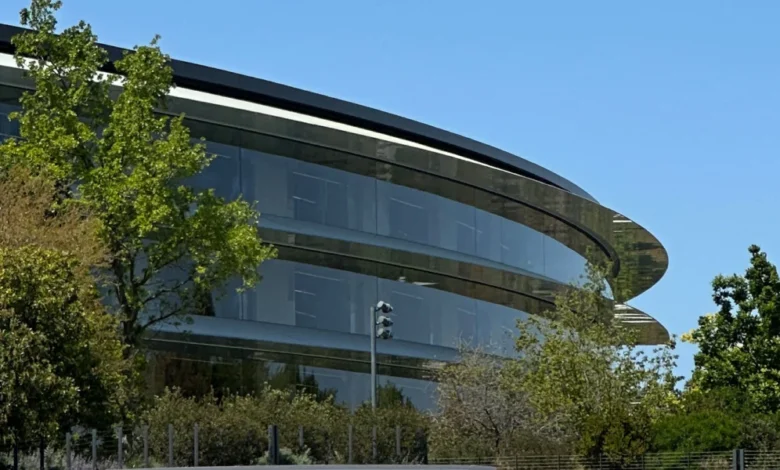
Cupertino, CA – In a significant move that underscores its ongoing commitment to the South Bay’s thriving technology ecosystem, Apple has secured a new 125,800-square-foot office lease at 580 North Mary Avenue in Sunnyvale. This latest expansion marks the tech giant’s first major reported real estate transaction in the region for 2026, building upon an aggressive and substantial investment campaign totaling over $1 billion in the preceding year. The acquisition of this substantial new facility is seen by industry observers as a strategic reinforcement of Apple’s physical presence, particularly as the company continues to innovate in critical areas such as artificial intelligence, advanced hardware development, and specialized research and development.
The deal, initially brought to light by The Mercury News and subsequently reported by AppleInsider, highlights Apple’s persistent demand for prime commercial real estate in Silicon Valley, even amidst evolving post-pandemic work models. This latest lease solidifies Apple’s strategic footprint in Sunnyvale, a city that has become a crucial hub for the company’s diverse operations outside of its iconic Cupertino headquarters. The expansion not only provides additional capacity for Apple’s growing workforce but also signals a broader trend of tech behemoths recommitting to physical office and lab spaces, driven by the collaborative demands of complex engineering and scientific endeavors.
A Chronology of Concentrated Expansion
Apple’s real estate strategy in the South Bay has been characterized by methodical and significant investments, particularly evident throughout 2025. This period saw the company embark on a series of high-value acquisitions, collectively pushing its local real estate spend past the billion-dollar mark and adding over 1.5 million square feet of office and lab space.
The aggressive push began with the $166.9 million purchase of the three-building Cupertino Gateway complex. Situated strategically close to Apple’s main campuses, this acquisition provided immediate expansion capabilities within its home city. Shortly thereafter, Apple executed a $350 million acquisition of the two-building Mathilda Commons campus in Sunnyvale, demonstrating a clear focus on bolstering its presence in this adjacent, highly desirable tech corridor. This was quickly followed by an even larger $365 million deal for the neighboring four-building Mathilda Campus, further cementing Apple’s dominance in that specific Sunnyvale locale.
The year concluded with another substantial investment, as Apple spent $216 million on two additional buildings along Stevens Creek Boulevard in Cupertino. These consecutive transactions in 2025, culminating in well over a billion dollars in capital expenditure, painted a clear picture of Apple’s long-term vision for physical growth and its unyielding belief in the necessity of dedicated, state-of-the-art facilities for its innovation engine. The 2026 lease at 580 North Mary Avenue, therefore, represents a continuation of this deliberate strategy, extending Apple’s capacity and operational flexibility in a region vital to its global success.
Strategic Rationale: Fueling Innovation and Collaboration

The decision by Apple to continuously expand its physical infrastructure in the South Bay is not merely a matter of accommodating growth; it is deeply intertwined with its core business strategy and future technological ambitions. While many companies grappled with the implications of remote work during and after the pandemic, tech leaders like Apple have consistently emphasized the irreplaceable value of in-person collaboration, particularly for complex hardware and software development.
The nature of Apple’s work, which often involves highly sensitive prototypes, specialized laboratory equipment, and tightly integrated teams working on proprietary technologies like custom silicon, advanced displays, and cutting-edge AI, necessitates secure and collaborative physical spaces. The new Sunnyvale facility, like its predecessors, is expected to house teams dedicated to these critical areas. For instance, the ongoing global race in artificial intelligence demands significant computing power and specialized research environments, often requiring physical proximity for optimal teamwork and data security. Similarly, the iterative design and engineering processes for Apple’s hardware products, from iPhones and Macs to the Vision Pro, thrive on direct interaction among engineers, designers, and project managers.
Furthermore, these expansions can be viewed as a strategic move to attract and retain top talent in a highly competitive market. Offering state-of-the-art facilities, strategically located within the heart of Silicon Valley, enhances Apple’s appeal to engineers, researchers, and creative professionals who value both cutting-edge work environments and a vibrant tech community. The ability to provide ample, high-quality workspace also allows for flexibility in hybrid work models, ensuring that employees have access to optimal environments when they are on campus.
South Bay Real Estate Market Dynamics: A Resurgent Landscape
Apple’s latest lease comes at a pivotal moment for the South Bay’s commercial real estate market, which is showing clear signs of recovery and renewed vitality. After a period of uncertainty and elevated vacancy rates spurred by the pandemic’s impact on office utilization, the market has begun to stabilize and improve.
According to Colliers, a prominent commercial real estate services firm, the office vacancy rate in the South Bay—defined as Santa Clara County and Fremont—stood at 14.1% in the second quarter of 2026. This figure represents a notable improvement from the 14.8% recorded in the fourth quarter of 2025 and a significant decrease from the 16.2% vacancy rate observed in the second quarter of 2025. This positive trend indicates increasing demand and absorption of office space, reflecting a broader economic resurgence and a recalibration of corporate real estate strategies.
Industry analysts attribute this improvement to several factors. Firstly, major tech companies, having navigated the initial phases of remote work, are now solidifying their long-term strategies, which often involve a hybrid approach that still requires substantial office footprints. Secondly, the rapid advancements in fields like artificial intelligence, biotechnology, and advanced manufacturing are driving demand for specialized lab and R&D facilities, which are less amenable to fully remote operations. The South Bay, with its dense concentration of talent and established infrastructure, remains a prime location for these industries.
The renewed leasing activity, spearheaded by giants like Apple and Amazon, serves as a powerful indicator of market confidence. These large-scale commitments from anchor tenants often catalyze further investment and development in the surrounding areas, reinforcing the South Bay’s status as a global innovation hub.
Comparative Analysis: Amazon’s Parallel Expansion
Apple is not alone in its aggressive real estate maneuvers in Sunnyvale. The report by The Mercury News also highlighted a significant parallel move by Amazon, another tech titan, which agreed to lease a substantial 316,600 square feet of office space at 1000 Enterprise Way, also in Sunnyvale.
This simultaneous expansion by two of the world’s most influential technology companies underscores a collective strategic imperative within the industry. Both Apple and Amazon are heavily invested in cutting-edge research and development, cloud computing, AI, and various hardware initiatives. Their parallel investments in prime South Bay real estate suggest a shared conviction that physical presence, collaborative workspaces, and access to the region’s unparalleled talent pool remain critical for sustained innovation and competitive advantage. The scale of these leases by both companies injects significant momentum into the commercial real estate market, signaling a robust recovery and long-term commitment from the tech sector.
Broader Impact and Implications for the South Bay
The continued and substantial real estate investments by Apple, complemented by similar moves from other tech giants like Amazon, carry significant implications for the South Bay region on multiple fronts:
Economic Stimulation: The leasing and acquisition of millions of square feet of commercial space directly stimulates the local economy. It supports construction jobs, property management services, and a myriad of ancillary businesses, from local eateries and retail establishments to transportation and housing services. These large corporate presences act as economic anchors, fostering a vibrant ecosystem.
Job Creation and Talent Attraction: Expansion of physical office space inherently implies a growing workforce. Apple’s continuous investment in the South Bay indicates plans for increased hiring, further drawing top talent to the region. This influx of skilled professionals contributes to the intellectual capital of Silicon Valley, reinforcing its status as a global technology leader.
Real Estate Market Stability and Growth: For the commercial real estate market, these major leases and acquisitions provide crucial stability and drive future growth. They reduce vacancy rates, support property values, and encourage further development of high-quality office and lab spaces tailored to the evolving needs of the tech industry. The renewed confidence from anchor tenants helps to de-risk investments for developers and landlords.

Infrastructure Demands and Development: A growing corporate presence and workforce invariably place demands on local infrastructure, including transportation, housing, and public services. While posing challenges, these demands also often spur necessary infrastructure investments and urban planning initiatives, leading to long-term improvements in regional livability and connectivity. Local governments and planning commissions will need to continually adapt to these growth patterns to ensure sustainable development.
Competitive Landscape: The scramble for prime real estate among tech giants like Apple, Amazon, Google, and others reflects an intense competitive landscape for talent and market share. Securing strategic locations in the South Bay provides these companies with advantages in attracting and retaining employees, fostering innovation, and maintaining their leadership positions in rapidly evolving technological sectors.
Future Outlook: A Continued Trajectory of Growth
Looking ahead, Apple’s consistent real estate strategy in the South Bay suggests a sustained trajectory of growth and investment in its core capabilities. The company’s focus on securing large, modern office and lab spaces is a testament to its belief in the enduring value of physical collaboration for driving innovation, particularly in areas like AI and advanced hardware, where breakthrough developments often require complex, in-person teamwork and specialized facilities.
As the South Bay real estate market continues its recovery, driven by the robust demand from the tech sector, Apple’s actions are likely to serve as a bellwether for other companies. The continued infusion of capital and talent into Sunnyvale and Cupertino reinforces the region’s unparalleled position as the epicenter of global technological advancement, ensuring its vibrancy for years to come. This strategic expansion is not just about adding square footage; it is about building the physical foundations for Apple’s next generation of revolutionary products and services.