The Rise of Bird Hands: How a Viral TikTok Hand Gesture Sparked a Gender Divide Debate Online

The modern digital landscape is defined by its ability to hyper-fixate on the minutiae of human behavior, transforming everyday communication habits into cultural battlegrounds. The latest manifestation of this phenomenon is "bird hands," an internet slang term and viral discourse describing a specific hand gesture frequently observed among women on social media platforms like TikTok, X (formerly Twitter), and YouTube.
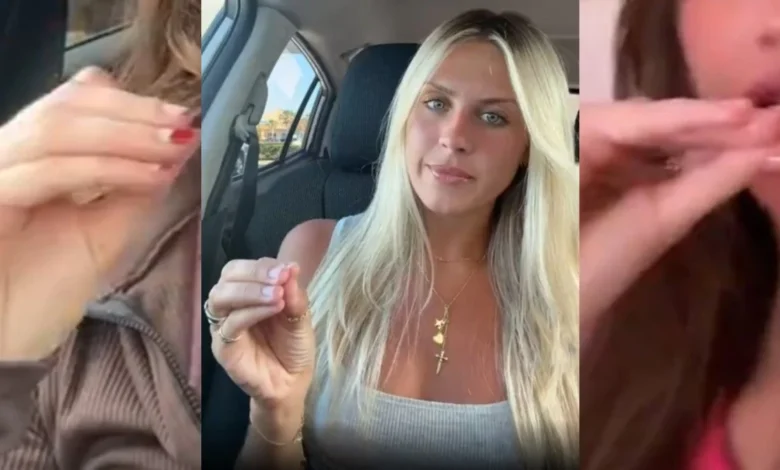
Characterized by the tips of a speaker’s fingers pinching together to resemble the head and beak of a bird—often aimed outward to emphasize a point—the gesture has become a focal point of cultural friction. While online subcultures, particularly the digital "manosphere," have increasingly framed the gesture as a red flag denoting volatility, dominance, or manipulation, women and digital commentators have pushed back, defending it as a natural mechanism of emphatic communication. As the debate over bird hands continues to evolve throughout 2025 and 2026, it offers a revealing lens into modern digital polarization, gender dynamics, and the swift lifecycle of internet vernacular.
Anatomy and Definition of the Gesture
To understand the cultural footprint of bird hands, one must first examine the physical presentation of the gesture itself. When performing bird hands, an individual typically brings the tips of their thumb and fingers together, creating a focused, pointed shape reminiscent of a bird’s beak or, as some linguistic comparisons note, the classic Italian pinched-fingers gesture (ma che vuoi).
In practice, speakers use this hand posture dynamically, thrusting or gesturing with the pinched fingers toward the camera or an imagined interlocutor to underscore a crucial argument, express frustration, or list grievances. While the gesture is anatomically gender-neutral and utilized by speakers of all backgrounds, internet discourse has specifically spotlighted its usage by women—particularly in video content where creators passionately dissect dating standards, relationship dynamics, or perceived unattractive traits in men.
The semantic meaning attached to the gesture, however, is heavily divided along ideological lines. Critics within male-centric online spaces argue that the precision and intensity of the hand posture reflect an aggressive or overly controlling communication style. Conversely, linguistic and cultural observers point out that hand gestures are an intrinsic component of human communication, utilized instinctively to add visual weight to verbal cadence.
Chronology and Origins of the Phenomenon
The trajectory of bird hands from an unremarked-upon physical tick to a formalized piece of internet lexicon followed a rapid, algorithmic escalation beginning in early 2025.
The discourse traces its roots back to March 2025, when digital content aggregators and commentators began noticing a recurring visual motif in viral videos. On March 18, 2025, the official X account for the Whatever Podcast—a prominent platform within the manosphere and dating-podcast ecosystem—published a screen capture of a TikTok creator making the pinched-fingers gesture while discussing traits she found unattractive in men. The accompanying caption, "WHY DO THEY ALL DO THE THING WITH THEIR HAND?!" struck a chord with viewers, garnering significant engagement and establishing a template for subsequent commentary.
Throughout the spring of 2025, similar observations circulated across X and TikTok, with male-oriented accounts cataloging instances of women using the gesture during passionate monologues. The label "bird hands" began to solidify as a pejorative shorthand in June 2025. A notable inflection point occurred on June 11, 2025, when dating and subculture commentator @ItIsHoeMath quoted a video shared by U.S. Senator Cory Booker. The video featured a woman named Viv speaking on immigration policy while utilizing animated hand movements. The resulting post explicitly invoked the term "bird hands," intertwining the emerging slang with broader political and cultural commentary.
This cross-pollination between dating discourse and political critique propelled the phenomenon into mainstream video essay formats. On June 21, 2025, a comprehensive video essay by hoe_math exploring the psychological and behavioral underpinnings attributed to the gesture surpassed one million views, cementing its status as a recognized internet meme. Subsequent analyses by creators such as The Dadvocate in September 2025 further broadened the discourse, bringing the debate to a wider demographic of digital consumers.

Counter-Narratives and the Defense of Emphatic Expression
As the characterization of bird hands as a psychological "red flag" gained traction among male content creators, female users and defenders of the gesture mounted a counter-offensive, reframing the conversation around double standards in communication styles.
By early 2026, the debate had shifted from mere observation to active pushback. On March 25, 2026, TikTok creator @frigidbarrell published a viral video arguing that the widespread condemnation of bird hands was fundamentally misguided. She suggested that the gesture was not only a common feature of women speaking to female-centric audiences but also served as a natural visual frame for showcasing manicures and hand jewelry. The video resonated deeply, accumulating over 1.8 million views within six months.
The defense crystallized further on June 1, 2026, when TikToker @bee_genevieve posted a viral commentary asserting that the aversion to bird hands stemmed from discomfort with assertive female speech. She argued that men who expressed irritation at the gesture were fundamentally reacting to women attempting to articulate definitive points, noting that effective emphasis requires active listening—an outcome she claimed critics sought to avoid. The video crossed 2.1 million views, galvanizing thousands of users to share their own experiences and realizations about their body language.
Despite these pushbacks, the meme continued to be weaponized by detractors. By September 2026, compilation images comparing various creators utilizing the gesture under headings such as "Learn the signs of crazy" were circulating widely on X, demonstrating that the cultural divide over the interpretation of the body language remained deeply entrenched.
Broader Societal Implications and Digital Culture Analysis
The rapid evolution and weaponization of bird hands offer a revealing case study in how contemporary digital ecosystems process human behavior. Sociologists and digital media analysts note several key implications of the phenomenon:
-
The Pathologization of Everyday Habits: The trend highlights a growing tendency within modern internet subcultures to pathologize mundane physical mannerisms. By categorizing standard conversational body language as clinical or psychological indicators of instability ("red flags"), online commentators can easily dismiss opposing viewpoints or reduce complex individuals to caricatures.
-
Gendered Standards of Communication: The discourse underscores persistent double standards regarding how men and women are permitted to express passion, frustration, or authority in public forums. While animated hand gestures by male public figures or debaters are frequently read as dynamic or authoritative, identical physical expressiveness by women in digital spaces is occasionally subjected to hyper-scrutiny and labeled as aggressive or unstable.
-
The Acceleration of Memetic Slang: The transition of bird hands from an unarticulated visual observation to a codified piece of digital slang in a matter of months illustrates the hyper-efficient categorization systems of modern social media. Algorithms that reward engagement and tribalism ensure that niche observations are quickly elevated to ideological touchstones.
Conclusion
What began as a casual observation regarding a common hand movement has transformed into a multifaceted cultural artifact. Whether viewed through the lens of internet satire, gendered communication barriers, or the relentless categorization of digital subcultures, bird hands capture the peculiar mechanics of modern discourse. As internet vernacular continues to shape real-world perceptions, the debate over a simple pinched-finger gesture serves as a reminder of how deeply contested the language of the body remains in the digital age.