John Deere and the Evolution of the Right to Repair Movement in Modern Agriculture

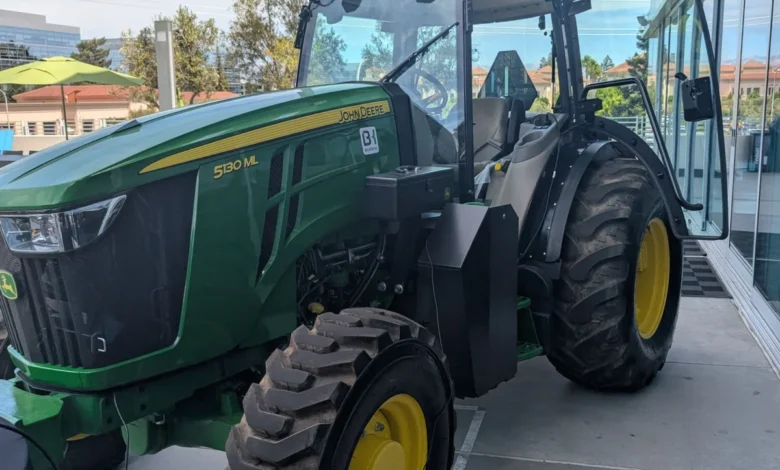
The landscape of modern agriculture has undergone a seismic shift as machinery has evolved from purely mechanical implements into sophisticated, sensor-laden data hubs. At the heart of this transformation sits the John Deere 5130ML tractor, a machine that, while capable of precision farming, has become a focal point in the heated, decade-long legal and cultural debate surrounding the Right to Repair. Recently, John Deere opened its doors in Santa Clara, California, to showcase its "Operations Center Pro Service," an initiative designed to provide owners with the digital tools necessary to perform their own repairs. This gesture marks a potential turning point in a relationship between manufacturer and farmer that has been characterized by years of tension, litigation, and accusations of corporate monopolization.
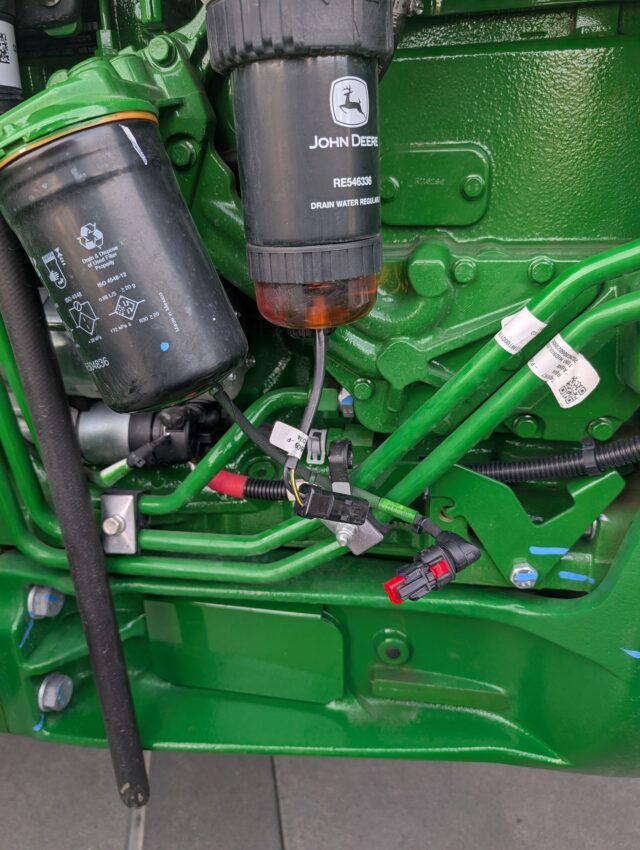
For a non-mechanic, the task of repairing a piece of heavy agricultural equipment is daunting. Yet, during a demonstration at the company’s corporate office, the process proved deceptively simple. By connecting a laptop to the 5130ML, a user is greeted by a diagnostic interface that identifies faults—in this case, a disconnected water-in-fuel (WiF) sensor—and provides direct access to the relevant digital manual. Clicking a few wires back into place cleared the alert, underscoring the potential utility of the software. However, for many in the agricultural sector, the gulf between this controlled, sanitized demo and the reality of field-side repair remains significant.
A Decade of Digital Discontent
The friction between John Deere and its customers stems from the transition to "smart" tractors. Modern machines are now equipped with 4G connectivity, complex electronic control units (ECUs), and autonomous navigation systems. As these machines became more reliant on software, John Deere implemented digital locks, effectively preventing farmers from accessing diagnostic codes or modifying their own hardware. This shift essentially transformed equipment owners into users of licensed software, rather than owners of physical property.
The timeline of this conflict is well-documented. By 2015, the issue had reached the public consciousness, with organizations like the Electronic Frontier Foundation and the broader Right to Repair movement challenging the DMCA (Digital Millennium Copyright Act) exemptions regarding vehicle software. As farmers found themselves unable to repair minor issues during critical planting or harvest windows without waiting for a dealer technician—often at significant cost and delay—the frustration grew.
In April 2026, the culmination of these pressures resulted in a $99 million settlement aimed at compensating farmers for repair-related costs. This was followed shortly by a Federal Trade Commission (FTC) investigation into the company’s repair practices. While John Deere has consistently denied wrongdoing, these legal milestones have forced a change in strategy. The company’s current focus is the promotion of the Operations Center Pro Service, an attempt to bridge the gap between proprietary control and user accessibility.
The Economics of the Pro Service
John Deere’s Pro Service, launched in 2025, is marketed as the definitive solution for owner-led maintenance. Access to the software is tiered, with an annual fee of $195 per machine for basic diagnostics, while larger operations or independent repair shops can pay up to $5,995 annually for fleet-wide coverage. The platform allows users to access technical documentation, link to parts catalogs, and view the diagnostic history of the equipment.
Despite the comprehensive nature of the software, adoption remains limited. John Deere reports approximately 1,000 daily users. Given that there are roughly 1.8 million farms in the United States, this adoption rate suggests a significant disconnect between the manufacturer’s offering and the needs of the average agricultural producer.
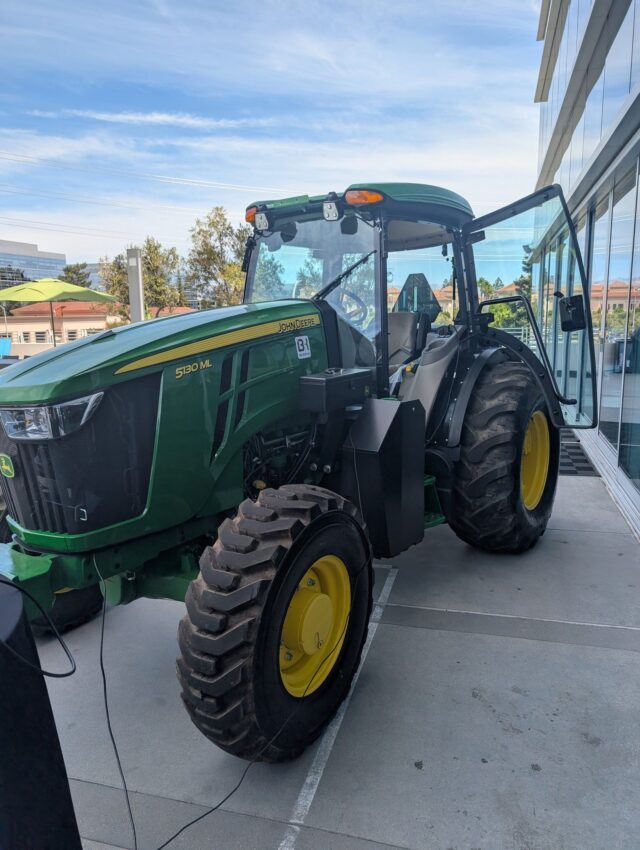
Jahmy Hindman, Senior Vice President and Chief Technology Officer at John Deere, maintains that the system is designed with the owner in mind. "It is owner-friendly," Hindman noted during the demonstration. "I think that’s always been our intent." He emphasized that as tractors incorporate up to 50 individual controllers, the complexity necessitates a sophisticated interface to ensure safety and system integrity. However, the reliance on an internet-connected, proprietary platform raises concerns among farmers about data privacy and the longevity of support should the company shift its business model in the future.
The Skepticism of the Field
The reception among the farming community has been, at best, cautious. Jared Wilson, a Missouri-based farmer and a plaintiff in the recent $99 million class-action lawsuit, characterizes the current state of repair access as "fundamentally flawed." According to Wilson, the software is useful for routine maintenance, but it fails to address the "tree" of diagnostic codes that appear during complex, multi-system failures.
"If you have three or four different diagnostic codes, where do you start?" Wilson asks. He argues that many farmers have resorted to using "cracked" or gray-market versions of John Deere’s internal service tools. These unauthorized versions often provide deeper, more granular access than the consumer-facing Pro Service, allowing for workarounds that the official software does not yet permit.
Furthermore, there is a persistent concern regarding "Product Improvement Plans" (PIPs). These are notifications regarding potential issues that John Deere identifies through its data collection systems. Critics argue that the delay between the identification of a flaw and the release of a fix through the Pro Service leaves farmers vulnerable. In the eyes of many, the software is not a tool for empowerment but a gatekeeping mechanism that ensures the dealership remains the primary point of service.
Broader Implications for the Right to Repair
The dispute with John Deere serves as a case study for the wider Right to Repair movement, which encompasses everything from consumer electronics to medical devices. As products become increasingly digitized, the definition of ownership is being redefined. If a manufacturer can remotely disable a tractor or force a specific service route through software, the consumer’s right to maintain their property is effectively nullified.
Willie Cade, a board member of Repair.org, views the situation through a lens of corporate monopoly. "Their real customer is not the farmer; their real customer is Wall Street," Cade argues. For advocates like Cade, the issue is not just about changing a sensor on a tractor; it is about establishing a legal precedent that protects the rights of individuals to repair the goods they purchase.
The agricultural industry is uniquely sensitive to these issues because tractors are durable goods, often intended to last for decades. The reliance on cloud-based software creates an "expiration date" for hardware that was previously limited only by mechanical wear and tear. If society fails to secure the right to bypass these digital barriers, agricultural productivity could become tethered to the subscription status of the farmer, a prospect that many find alarming.
Looking Toward the Future
John Deere’s attempt to "move the needle" through its current software suite acknowledges that the status quo is unsustainable. By integrating AI-driven chatbots and improving the accessibility of diagnostic information, the company is attempting to satisfy the requirements of the FTC settlement while maintaining its intellectual property and safety standards.

However, the path forward remains contentious. For the company, the challenge lies in regaining the trust of a customer base that has been alienated by years of restrictive policies. For the farmers, the goal is parity—the ability to access the same level of diagnostic and repair capability that a dealership technician enjoys, without the friction of proprietary, subscription-based barriers.
As the industry moves forward, the success of these programs will likely be measured not by the features included in the software, but by the level of autonomy granted to the owners. If the Pro Service evolves into a truly transparent, offline-capable, and comprehensive diagnostic platform, it could serve as a model for the future of equipment maintenance. Conversely, if it remains a restricted gatekeeper, the demand for independent, unauthorized solutions will continue to grow, keeping the Right to Repair at the center of the legislative and legal conversation for years to come.
The case of the 5130ML tractor and its WiF sensor may seem like a minor anecdote in the vast machinery of American agriculture, but it represents the vanguard of a much larger struggle. The outcome of this debate will ultimately determine who controls the future of the farm—the manufacturer who built the machine, or the farmer who relies on it to feed the nation.
Related posts: