Navigating the High-Stakes World of Healthcare Social Media: Regulations, Risks, and Strategic Opportunities

The digital transformation of healthcare has fundamentally altered how hospitals, private practices, pharmaceutical enterprises, and public health agencies communicate with their constituents. What began decades ago as basic online directory listings has evolved into a dynamic ecosystem where healthcare organizations leverage public platforms like Facebook, Instagram, LinkedIn, TikTok, and YouTube to educate populations, recruit clinical talent, manage brand perception, and cultivate vital patient communities. However, unlike consumer retail or corporate finance, digital communications in the medical sector operate under an unforgiving regulatory microscope. A single mismanaged post can instantaneously trigger federal investigations, severe financial penalties, and irreversible reputational damage.

The Intersection of Opportunity and Regulatory Constraint
At its core, healthcare social media encompasses any public-facing digital communication executed by health systems, clinics, regulatory bodies, medical device manufacturers, and individual practitioners acting in a professional capacity. While the foundational objectives mirror those of other industries—building brand recognition, driving audience engagement, and establishing market authority—the operational environment is entirely distinct. Marketing teams in standard commercial sectors must navigate general consumer trends, ad spend efficiencies, and public relations tone. Healthcare marketing departments, conversely, are legally bound by strict federal health information privacy laws, complex advertising standards, and rigid professional licensing board guidelines.

This duality of high opportunity paired with severe risk dictates every facet of an effective healthcare digital strategy. On one hand, a robust online presence provides undeniable advantages. According to industry analyses, proactive patient-facing communication bridges critical gaps between clinical visits, improves general health literacy, and dismantles skepticism regarding modern medicine. Conversely, the margin for error is razor-thin, demanding rigorous oversight, comprehensive compliance workflows, and institutional iron discipline.
Core Benefits: Building Trust, Public Health, and Talent Acquisition

Establishing a consistent, values-driven digital footprint serves as a foundational element for long-term patient loyalty. Unlike traditional consumer products where brand recognition drives immediate retail purchases, healthcare brand perception directly influences clinical trust. When prospective patients research providers online, organizations that transparently display their core organizational values, humanize their clinical staff, and highlight patient-centric success stories immediately signal operational credibility before an individual ever steps foot inside a facility.
For public health agencies and government bodies, social channels have proven indispensable during public health crises. Whether disseminating rapid guidance during a seasonal influenza surge, addressing localized disease outbreaks, or managing product safety recalls, official public health accounts can reach millions of citizens instantaneously. This rapid dissemination capability allows agencies to actively intercept and counter medical misinformation while public conversations are actively occurring, rather than reacting through sluggish traditional news cycles.
Furthermore, the healthcare sector continues to grapple with unprecedented staffing shortages and retention challenges. Hospitals and regional health networks increasingly utilize professional networks like LinkedIn and visual platforms like Instagram to showcase workplace culture, highlight professional development pathways, and share authentic "day-in-the-life" content from nurses, technicians, and physicians. This targeted employer branding allows institutions to differentiate themselves in a fiercely competitive labor market, reducing overall cost-per-hire metrics and accelerating time-to-fill for critical clinical roles.
Navigating Severe Regulatory Landscapes and Compliance Pitfalls
The regulatory framework governing healthcare communications is a complex patchwork of federal statutes, international mandates, and regional licensing requirements. Compliance is not an optional administrative checklist; it is a legal imperative where non-compliance carries existential business risks.
The Health Insurance Portability and Accountability Act (HIPAA) Privacy Rule applies universally to all digital communication channels. It strictly prohibits the unauthorized disclosure of protected health information (PHI) without explicit, verifiable written patient consent. PHI encompasses any individually identifiable health data, including patient names, photographic images, specific medical record numbers, precise treatment details, or contextual clues that could allow a third party to deduce a patient’s identity.
Federal enforcement agencies, such as the U.S. Department of Health and Human Services Office for Civil Rights (OCR), maintain aggressive enforcement records. Historically, OCR has resolved or penalized hundreds of compliance breaches totaling over $144 million, affecting entities ranging from nationwide pharmacy conglomerates to local private clinics. Regulatory penalties for severe HIPAA violations can eclipse $2.1 million per violation category annually. Even well-intentioned digital gestures—such as celebrating a pediatric patient’s successful recovery or posting a celebratory team photo that inadvertently captures patient files in the background—constitute actionable violations if proper authorization protocols are bypassed.
Beyond privacy legislation, pharmaceutical, biotechnology, and medical device sectors must strictly adhere to regulations enforced by the Food and Drug Administration (FDA) and the Federal Trade Commission (FTC). The FDA meticulously regulates product promotion, mandating that all efficacy claims on social channels be scientifically substantiated and accompanied by a "fair balance" disclosure detailing potential risks and side effects. Simultaneously, the FTC enforces rigorous truth-in-advertising standards, placing the complete burden of proof on the advertiser for any health-related claims. Ambiguous phrases such as "clinically proven" or "doctor recommended" without robust, verifiable clinical evidence can trigger civil penalties and formal warnings.
International and regional mandates further compound these complexities. In Canada, Health Canada enforces stringent restrictions on direct-to-consumer advertising for prescription medications, while the European Union’s General Data Protection Regulation (GDPR) mandates explicit, granular consent before utilizing any individual’s data in digital marketing collateral. Furthermore, emerging state-level legislation in the United States—such as Washington state’s My Health My Data Act—broadens regulatory oversight to cover consumer health data outside traditional HIPAA definitions, directly impacting website tracking pixels and targeted digital advertising campaigns.
Mitigating Risks: Misinformation, Negative Reviews, and Crisis Management

Digital platforms frequently serve as the primary source where individuals encounter medical information, yet data from the Pew Research Center indicates that a stark minority of users view social media health content as highly accurate. This dynamic creates a fertile breeding ground for medical misinformation, ranging from unverified treatment remedies to inaccurate public health claims. To combat this effectively, healthcare organizations must implement proactive social listening infrastructure to track emerging false narratives, establish rapid-response protocols, and partner with authoritative clinical voices to flood digital feeds with evidence-based facts.
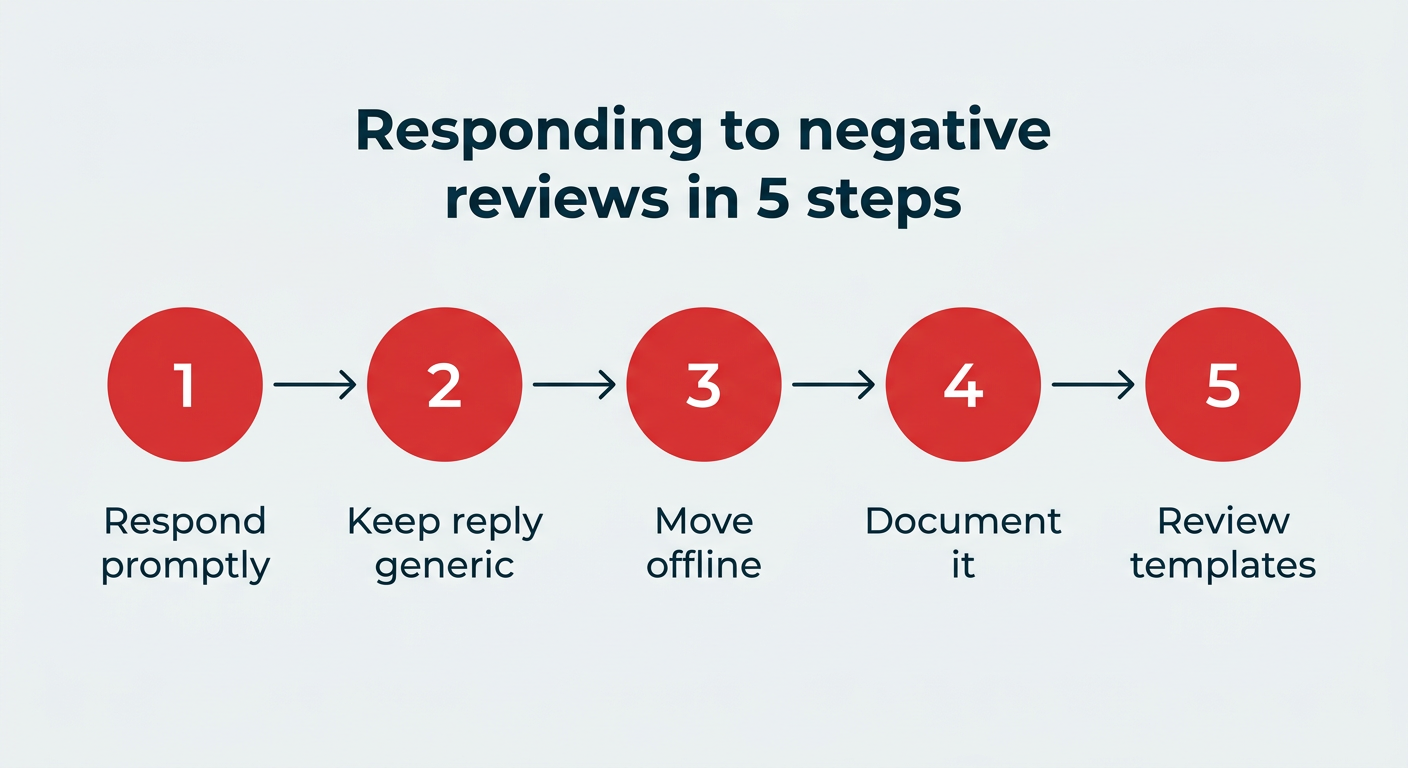
Managing negative public reviews presents another delicate operational hurdle. While public feedback is inevitable, responding improperly can easily cross legal boundaries. A provider acknowledging that a disgruntled reviewer is a patient—even implicitly—constitutes a disclosure of PHI. Consequently, standard crisis protocols dictate that organizations must respond promptly, maintain neutral and generic messaging, immediately transition the conversation to a secure, offline communication channel (such as a designated patient relations telephone line), and comprehensively document the interaction for compliance auditing.
Strategic Implementation and AI Governance in Modern Healthcare
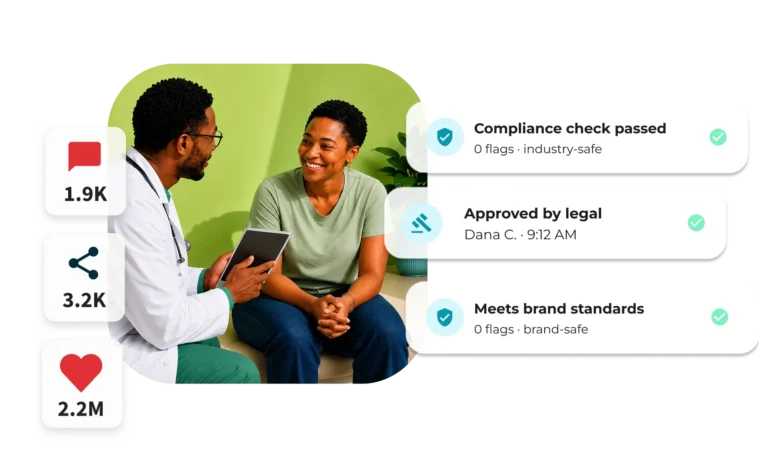
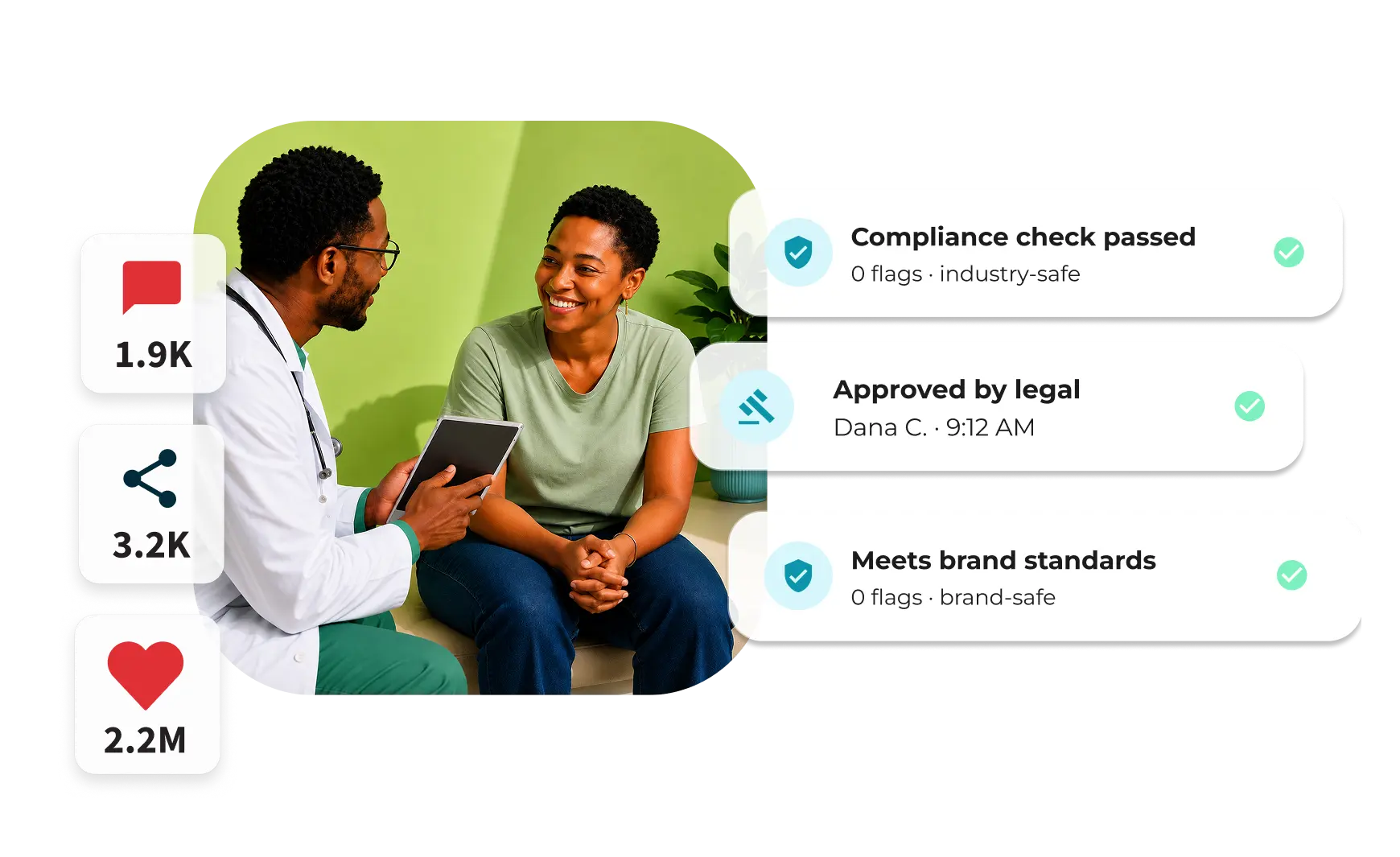
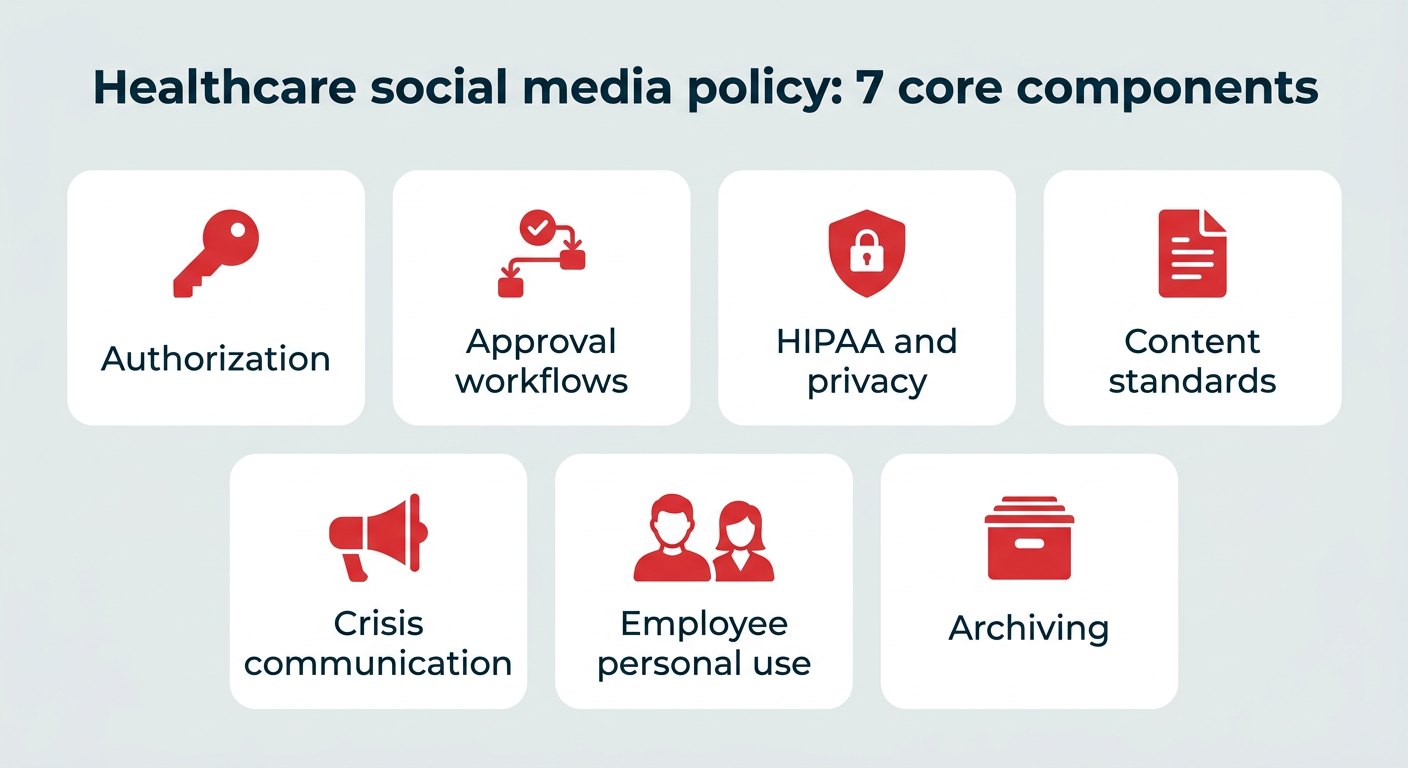
To manage these multifaceted responsibilities without exhausting limited administrative resources, leading healthcare systems are increasingly adopting centralized governance frameworks. A comprehensive social media policy must dictate explicit authorization hierarchies, mandatory content approval workflows, rigorous HIPAA compliance guidelines, and strict protocols for employee personal social media usage.
Simultaneously, the integration of artificial intelligence (AI) tools into healthcare marketing workflows is accelerating rapidly. While generative AI offers unprecedented efficiencies in drafting educational copy, scheduling posts, and analyzing audience metrics, it introduces distinct trust and compliance vulnerabilities. Industry surveys indicate that a majority of consumers remain skeptical of AI-generated medical content.
To safely capture the operational efficiencies of AI, healthcare institutions must enforce strict guardrails: never input sensitive protected health information into public AI models, mandate human editorial and clinical review for every generated asset, utilize traceable multi-tier approval workflows, and maintain an immutable audit trail of content creation. By combining sophisticated enterprise management software with unwavering adherence to regulatory standards, healthcare organizations can successfully navigate the digital landscape—fostering genuine patient engagement, protecting institutional integrity, and advancing public health literacy on a global scale.