Google Sets September 21 Pre-Order Date for Brand-New AI-Powered Googlebook Laptop Lineup

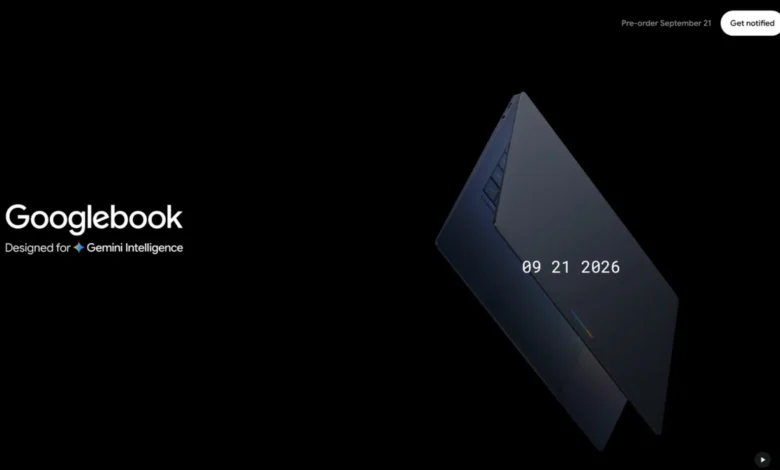
Google has officially announced that consumers will be able to place pre-orders for its highly anticipated line of "Googlebooks" starting September 21 at 9:00 a.m. ET. The reveal marks a major strategic shift for the technology giant, as Googlebooks represent an entirely new category of premium laptops specifically engineered for the modern "intelligence system" era. While initial teasers were dropped earlier this year during The Android Show, this week’s confirmation provides the first concrete timeline for when these next-generation devices will finally become available to the public.
Alongside the announcement, Google has launched a dedicated website highlighting key features, aesthetic designs, and countdown details for the upcoming hardware release. Although the company has kept a tight lid on exact pricing, specific configurations, and shipping dates, industry insiders anticipate that hardware partners including Acer, ASUS, Dell, HP, and Lenovo will introduce their own iterations of the Googlebook in the coming months.
The Genesis of the Googlebook Initiative
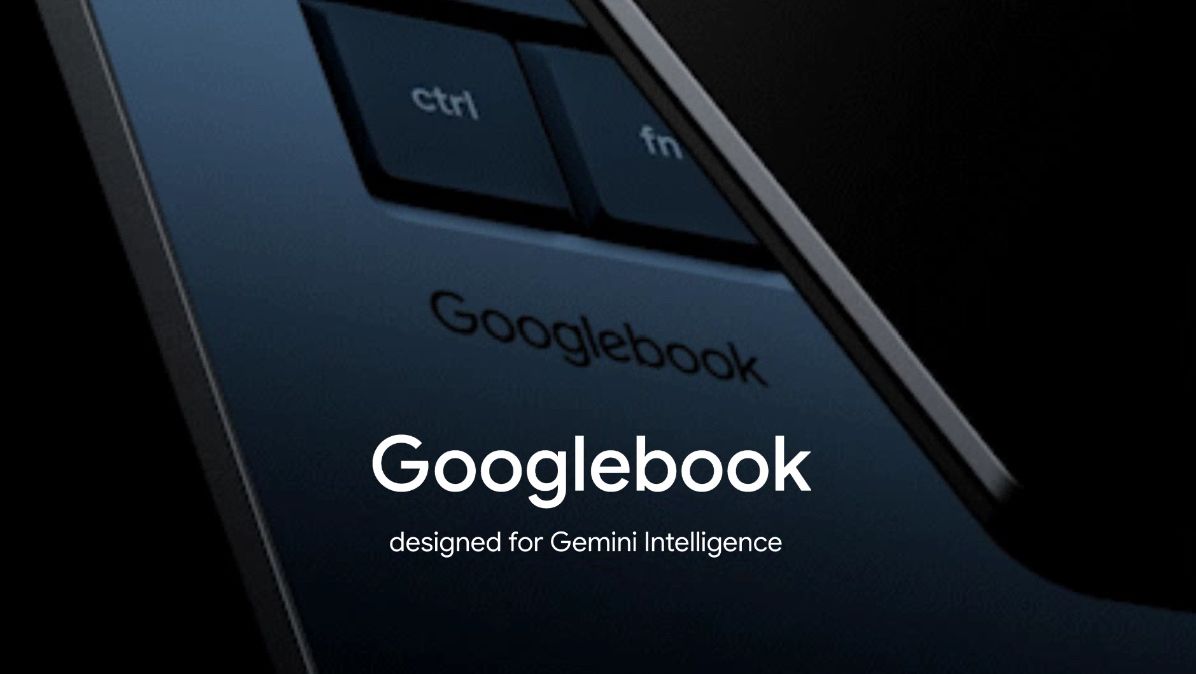
The conceptual foundation of the Googlebook was first hinted at earlier this year, taking industry watchers by surprise during a segment of The Android Show. Positioned as a "one more thing" hardware reveal, Google introduced the concept not merely as an iterative update to traditional computing, but as a paradigm shift. For over a decade, Google’s laptop ecosystem has been dominated by Chromebooks—devices primarily reliant on the lightweight ChromeOS and cloud-centric architecture.
However, the rapid acceleration of artificial intelligence, particularly generative AI models and local machine learning capabilities, necessitated a complete structural rethink. Google determined that existing operating systems could not fully optimize the hardware-software synergy required for ambient, AI-first computing. Consequently, the company developed an entirely new Android-based technology stack to serve as the foundational architecture for Googlebooks. Remarkably, as of the pre-order announcement, Google has still not disclosed the official marketing moniker for this novel operating system, fueling intense speculation within the tech community ahead of the September 21 launch.
Chronology of the Rollout
The path from concept to commercial availability has moved swiftly, characterized by strategic, measured disclosures from Google:
- Early 2024: Google unveils the "Googlebook" concept during The Android Show, describing it as a premium laptop class built for the intelligence era, though withholding release dates and hardware specifications.
- Mid-September 2024: Google begins dispatching confirmation emails to registered users and tech enthusiasts, officially setting the pre-order window for September 21 at 9 a.m. ET.
- September 2024: The official dedicated portal (googlebook.google) goes live, featuring teaser imagery, brand positioning, and the impending pre-order countdown.
- September 21, 2024: Consumer pre-orders officially open, expected to feature initial hardware offerings from major manufacturing partners.
- Late 2024 (Projected): Anticipated retail shipping dates and the broader availability of partner hardware models from brands like HP, Dell, Lenovo, ASUS, and Acer.
Deep Integration with Gemini and Advanced Software Features
At the core of the Googlebook value proposition is a profound integration of artificial intelligence, anchored heavily by Google’s Gemini ecosystem. Promotional materials on the newly launched Googlebook website emphasize capabilities designed to fundamentally alter how users interact with their personal computers.
Chief among these innovations is the "Magic Pointer." Unlike traditional cursors, the Magic Pointer acts as an intuitive conduit to Gemini, allowing users to invoke contextual AI assistance directly through cursor movements and localized interactions on the screen. Furthermore, the platform introduces conversational widget creation. Instead of navigating complex menu systems or relying on pre-installed applets, users can generate customized desktop widgets simply by typing or speaking a natural language description of what they want to see and track.
In addition to standalone AI tools, Googlebooks are engineered to bridge the gap between desktop productivity and mobile convenience. The ecosystem features deep, native synchronization with Android smartphones. Users will no longer be restricted to traditional file transfers or third-party mirroring applications; instead, they can seamlessly open and run mobile apps directly from their Android phones on the Googlebook interface, alongside instantaneous access to phone-stored files and notifications.
Market Implications and Competitive Landscape
The launch of the Googlebook platform arrives at a fiercely competitive and transitional moment for the global personal computer market. Traditional laptop manufacturers are grappling with shifting consumer demands, fluctuating component costs—particularly rising RAM prices—and the imperative to integrate neural processing units (NPUs) capable of handling local AI workloads.
By moving away from ChromeOS and establishing a new Android-derived technology stack, Google is effectively blurring the historical lines between mobile operating systems and desktop computing environments. This unified approach could pose a significant challenge to both traditional Windows laptops and Apple’s macOS ecosystem, particularly for users deeply entrenched in the mobile Android environment.
However, challenges remain. The success of the Googlebook initiative will heavily depend on developer adoption, the fluid performance of the unproven operating system, and hardware pricing strategies set by Google’s manufacturing partners. With competing products—such as laptops powered by advanced RTX Spark architectures—also vying for consumer attention ahead of the holiday shopping season, the market will closely scrutinize how well Googlebooks translate high-end AI promises into everyday practical utility.
As the September 21 pre-order window approaches, consumers and industry analysts alike await further clarifications regarding hardware specifications, partner pricing tiers, and official shipping schedules. What is already clear, however, is that Google is charting a bold new course for the future of personal computing—one where artificial intelligence is not merely an added application, but the fundamental operating layer of the machine.