TikTok Unveils Comprehensive Creator Showcase and Community Activations for Hispanic Heritage Month 2026

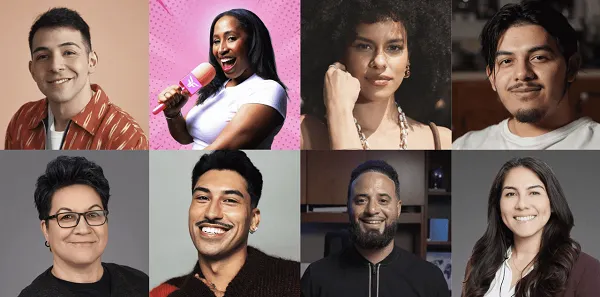
As Hispanic Heritage Month officially commences, running annually from September 15 through October 15, major digital platforms are rolling out extensive cultural programming to recognize the profound economic, social, and creative contributions of Hispanic and Latino communities. Short-form video giant TikTok has officially announced its lineup of activations, community partnerships, and promotional campaigns designed to highlight the vibrant tapestry of #HispanicTikTok. At the center of this year’s rollout is a prominent creator showcase featuring journalist Fernando Hurtado, musician Jasmine Wesley, and comedian Eric Sedeño, alongside a series of interactive in-app challenges, community engagement competitions, and exclusive profile interviews.
This comprehensive initiative underscores TikTok’s ongoing strategy to elevate historically marginalized voices, deepen platform engagement, and provide a digital home where cultural identity, tradition, storytelling, and language are continuously shared and celebrated on a global scale.
Understanding the Significance of Hispanic Heritage Month on Digital Platforms
Hispanic Heritage Month holds a unique position in the cultural calendar of the United States and the broader Americas. Originally established as Hispanic Heritage Week under President Lyndon B. Johnson in 1968, the observance was later expanded by President Ronald Reagan in 1988 to cover a full 30-day period starting September 15. The dates are culturally and historically significant, marking the independence anniversaries of several Latin American nations, including Costa Rica, El Salvador, Guatemala, Honduras, and Nicaragua on September 15, followed by Mexico on September 16, Chile on September 18, and Belize on September 21.
In the contemporary media landscape, digital ecosystems like TikTok have transformed how cultural milestones are observed, discussed, and transmitted across generations. Rather than relying solely on traditional broadcast media or institutional events, younger generations now turn to social media platforms to curate their own heritage narratives. Hashtags such as #HispanicTikTok, #LatinTikTok, and #CasaTikTok have evolved into digital town squares where millions of users exchange recipes, explore ancestral roots, debate cultural nuances, and celebrate linguistic diversity.
By formalizing its support through dedicated activations, TikTok is acknowledging the immense cultural footprint and economic power of its Hispanic and Latino user base. Industry analysts point out that digital platforms increasingly rely on authentic community storytelling to drive user loyalty and retention, making cultural heritage months critical windows for targeted engagement.
The 2026 Creator Showcase: Spotlight on Hurtado, Wesley, and Sedeño
The centerpiece of TikTok’s 2026 Hispanic Heritage Month campaign is its curated creator showcase, designed to spotlight exceptional talent across diverse disciplines, including journalism, music, and comedy.
Leading the journalism cohort is Fernando Hurtado, a digital-first reporter recognized for his incisive coverage of social issues, cultural identity, and community-driven news. Hurtado’s inclusion highlights the growing importance of independent and platform-native journalists who utilize short-form video to make complex socio-political issues accessible to younger demographics. Through dynamic reporting and on-the-ground storytelling, Hurtado exemplifies how digital media has democratized information dissemination within Hispanic communities.
In the realm of music, Jasmine Wesley brings her unique auditory artistry to the forefront of the campaign. Wesley, a talented musician whose work frequently bridges contemporary mainstream genres with traditional Latin rhythms, represents the dynamic evolution of modern Hispanic music. Her participation in the showcase emphasizes TikTok’s historical role as a primary engine for music discovery and artist promotion, where independent creators can bypass traditional gatekeepers to build massive, dedicated global audiences.
Rounding out the trio is comedian Eric Sedeño, whose sharp wit, relatable humor, and satirical commentary on modern life have earned him a massive following. Sedeño utilizes comedy as a vehicle to explore cultural intersections, familial expectations, and shared generational experiences within Latino households. His comedic voice resonates deeply with audiences seeking both entertainment and validation of their bicultural or multicultural realities.
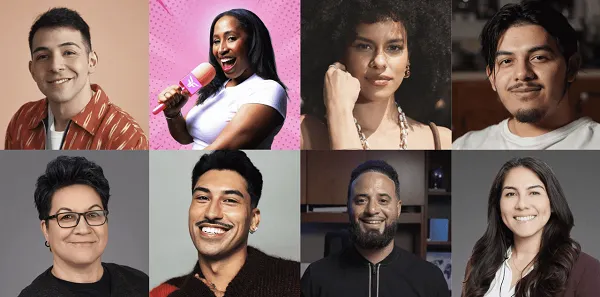
TikTok has confirmed that it will publish in-depth interviews with Hurtado, Wesley, and Sedeño via its official TikTok Creators profile. These interviews will delve into their creative processes, the influence of their heritage on their professional endeavors, and their perspectives on building community within digital spaces.
Interactive Activations, Hashtag Campaigns, and Community Competitions
Beyond the marquee creator showcase, TikTok’s 2026 strategy emphasizes broad-based user participation through a series of interactive activations and competitive incentives. The platform is inviting its global community to engage with localized traditions, historical education, and artistic expression.
To streamline discovery and foster community solidarity, TikTok is championing a suite of official campaign hashtags, including #HispanicTikTok, #LatinTikTok, #HispanicHeritageTikTokContest, and #CasaTikTok. These dedicated digital channels will serve as repositories for user-generated content ranging from historical retrospectives and linguistic explorations to culinary demonstrations and family storytelling.
To further stimulate participation, TikTok has launched the #HispanicHeritageTikTokContest. This competition encourages creators of all follower tiers to share their unique cultural stories, family traditions, and creative projects. By incentivizing content creation through competition, TikTok aims to surface emerging talent who might otherwise struggle to gain visibility within the platform’s sprawling algorithmic ecosystem.
Official Statements and Corporate Positioning
In official communications released to mark the launch of the program, TikTok representatives articulated the core philosophy guiding this year’s initiatives:
“We’re honoring creators, families, and communities who celebrate and share Hispanic and Latino heritage on TikTok through storytelling, tradition, language, and lived experiences. From cultural customs to historical figures, #HispanicTikTok continues to be a space where people can celebrate and share their stories.”
Industry observers note that this messaging aligns with TikTok’s broader corporate efforts to demonstrate social responsibility and inclusivity. As technology companies face ongoing scrutiny regarding content moderation, creator monetization, and community equity, proactive cultural programming serves as a tangible demonstration of support for historically underrepresented demographics.
By positioning itself as a cultural facilitator rather than a mere distributor of entertainment, TikTok seeks to reinforce its emotional connection with user groups that view the platform not only as an application, but as a vital community lifeline.
Background Context: The Economic and Cultural Weight of Hispanic Creators
To fully appreciate the scope of TikTok’s 2026 campaign, one must examine the broader socioeconomic context of Hispanic and Latino populations in the United States and digital markets worldwide. According to recent demographic data, the U.S. Hispanic population has surpassed 65 million, representing nearly 20% of the total population and driving a significant share of national demographic growth.

Furthermore, the economic output of the U.S. Latino population—often measured as the Latino GDP—ranks among the largest globally, outpacing many sovereign nations. This economic clout translates directly into digital consumption. Studies consistently show that Hispanic consumers over-index in mobile internet usage, social media engagement, and digital content creation.
Despite these impressive metrics, representation in legacy media has historically lagged behind demographic realities. Digital platforms like TikTok have effectively bypassed these historical bottlenecks, providing a decentralized medium where Hispanic creators can build direct-to-consumer enterprises, command lucrative brand partnerships, and shape cultural conversations on their own terms.
Economic and Platform Implications
The rollout of structured campaigns like the Hispanic Heritage Month creator showcase carries significant implications for both creators and the platform itself.
For creators such as Fernando Hurtado, Jasmine Wesley, and Eric Sedeño, official platform endorsement translates into heightened visibility, expanded audience reach, and enhanced credibility in negotiations with commercial brands. Brand partnerships during cultural heritage months have become a lucrative revenue stream for digital creators, and platform-backed validation often acts as a catalyst for long-term career sustainability.
For TikTok, investing in community-specific programming is a proven retention strategy. By fostering a sense of belonging and cultural pride, the platform deepens user loyalty in an increasingly hyper-competitive social media market where rivals such as Meta (Instagram Reels) and YouTube (Shorts) continually vie for creator talent and user attention.
Moreover, targeted cultural initiatives help mitigate reputational risks by demonstrating active engagement with diverse communities, ensuring that the platform remains a welcoming and dynamic environment for global expression.
Looking Ahead: The Evolution of Digital Heritage Celebration
As Hispanic Heritage Month 2026 progresses, the success of TikTok’s initiatives will be measured not only by aggregate view counts and hashtag engagement metrics, but by the lasting connections forged between creators and their audiences.
The integration of diverse voices—spanning journalism, music, and comedy—illustrates the multifaceted nature of modern Hispanic and Latino identity, rejecting monolithic representations in favor of individual nuance and collective celebration. As digital platforms continue to mature, initiatives like TikTok’s creator showcase highlight the evolving intersection of technology, culture, and community representation in the twenty-first century.
Related posts: