Meta Connect 2026: Mark Zuckerberg Unveils the Muse Personal AI, Next-Generation Ray-Ban Glasses, and a Ultra-Lightweight Tethered VR Headset

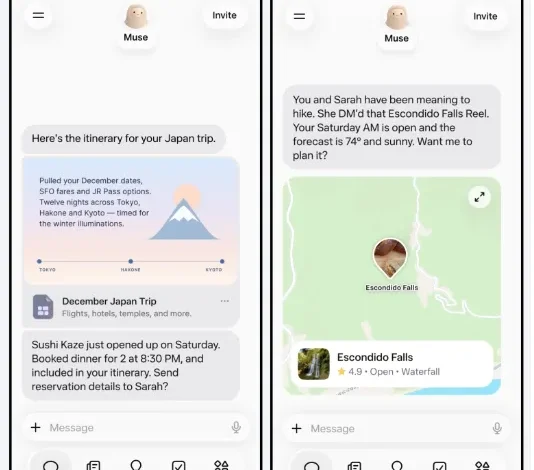
Meta Platforms has officially shifted its corporate horizon, positioning artificial intelligence at the absolute core of its hardware and software ecosystem. During the highly anticipated Meta Connect 2026 conference held at the company’s Menlo Park headquarters, CEO Mark Zuckerberg took the stage to outline this strategic realignment. While previous years focused heavily on building out the immersive virtual realms of the metaverse, the 2026 showcase made it unequivocally clear that generative AI, agentic software integrations, and privacy-first consumer electronics are now steering the technological giant’s roadmap.
The premier announcement of the multi-day event was the widespread introduction of Meta’s Muse personal AI agent. Designed to operate as a ubiquitous digital companion, Muse represents the operational centerpiece of the company’s pivot. Accompanied by Chief AI Officer Alexandr Wang and Reality Labs chief Andrew Bosworth, Zuckerberg detailed an expansive lineup of ecosystem updates. These included massive security architecture upgrades, major retail partnerships designed to give AI agents autonomous functionality, a flurry of redesigned Ray-Ban smart glasses featuring advanced spatial audio and privacy protections, and a radical reimagining of hardware ergonomics via an ultra-lightweight, tethered virtual reality headset.
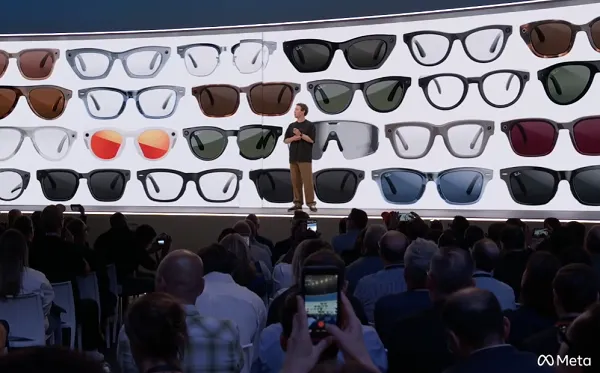
The Strategic Pivot: From Metaverse Ambitions to AI Dominance
The narrative framing of Meta Connect 2026 marked a stark departure from past keynotes. Reflecting on the company’s trajectory, Zuckerberg explained the fundamental shift in product development philosophy during his opening address. When Meta initially began conceptualizing smart eyewear and hardware form factors, leadership operated under the assumption that the metaverse infrastructure needed to be established first, with artificial superintelligence eventually arriving to populate those spaces.
However, the explosive, unprecedented advancements in generative and agentic AI over the preceding years forced a profound strategic realignment. Rather than waiting for the metaverse to mature as a standalone environment, Meta recognized that advanced AI capabilities needed to be brought front and center immediately, serving as the connective tissue across all hardware devices. Muse was born out of this necessity—functioning not just as a conversational chatbot, but as an active, context-aware agent capable of executing real-world tasks on behalf of the user.
Meet Muse: The Core Personal AI Agent
As the primary delivery system for Meta’s new AI-first strategy, Muse received extensive detailing throughout the conference. Addressing persistent consumer anxieties regarding data privacy, Zuckerberg introduced Meta Secure VM, a proprietary private data processing architecture designed to power Muse. According to Meta, this secure environment ensures that user data processed by the AI is strictly compartmentalized and inaccessible to unauthorized parties, explicitly promising that even Meta employees cannot view or harvest private user information handled through the system.
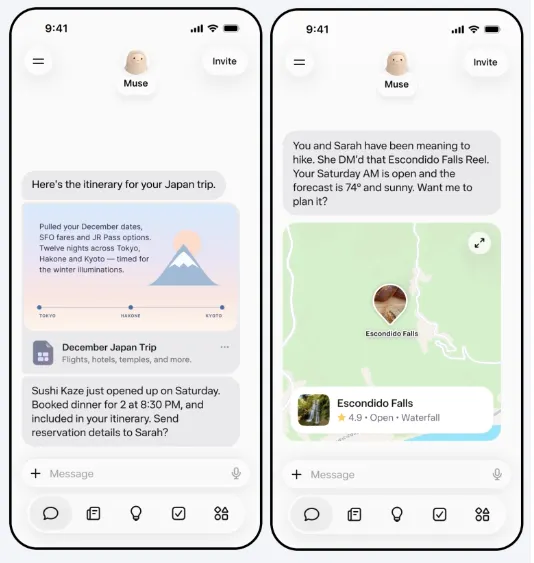
Alexandr Wang, Meta’s Chief AI Officer, took to the stage to elaborate on the functional evolution of Muse and preview forthcoming capabilities designed to elevate the agent’s autonomy. Among the most notable updates is the introduction of dedicated email addresses for Muse agents. This feature is engineered to drastically improve the software’s functional capacity, allowing the AI to manage correspondence, coordinate schedules, and interact directly with third-party web services on the user’s behalf.
To bridge the gap between conversational AI and practical consumer utility, Meta announced a wave of major commercial partnerships. Major retail and service brands—including Walmart, BestBuy, Gap, Sephora, Expedia, Instacart, and Wayfair—are integrating their platforms with Meta’s ecosystem. This collaboration allows Muse users to seamlessly connect with these service providers, enabling the AI to execute tasks such as cross-platform price comparisons, grocery delivery orders, travel bookings, and apparel shopping through simple conversational prompts.
Furthermore, Meta confirmed regional expansions and personalization updates for the platform. Muse is officially rolling out in Canada, expanding its geographic footprint beyond the United States. Users will also soon gain the ability to completely customize their Muse agent’s voice, tailoring the auditory experience to their personal preferences.
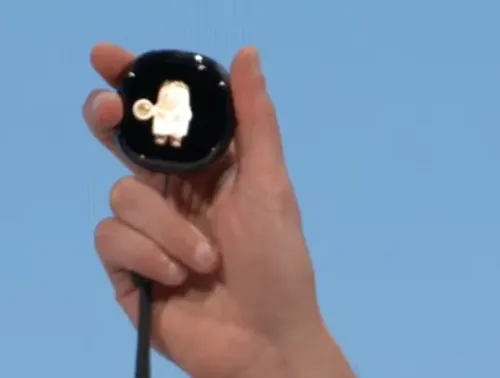
In a glimpse toward future hardware form factors, Zuckerberg also previewed an experimental, in-development device tentatively titled Muse Charm. Described as a Tamagotchi-like companion gadget, the Charm is intended to provide users with constant, low-friction access to their Muse agent without requiring them to wear smart glasses continuously throughout the day.
Privacy, Audio Innovations, and the Ray-Ban Meta Gen 3 Lineup
Transitioning from software to hardware, Meta’s presentation on its wearable technology portfolio addressed growing public scrutiny head-on. Recent controversies surrounding unauthorized visual recordings through smart glasses and past vulnerabilities regarding LED recording indicator tampering prompted Meta to institute sweeping structural changes regarding hardware privacy.
Zuckerberg announced the nationwide rollout of private processing protocols for all Meta smart glasses. Mirroring the security philosophy of the Muse architecture, these updates guarantee that media captured through the glasses is processed with enhanced encryption, ensuring that internal Meta staff cannot access user-captured content.
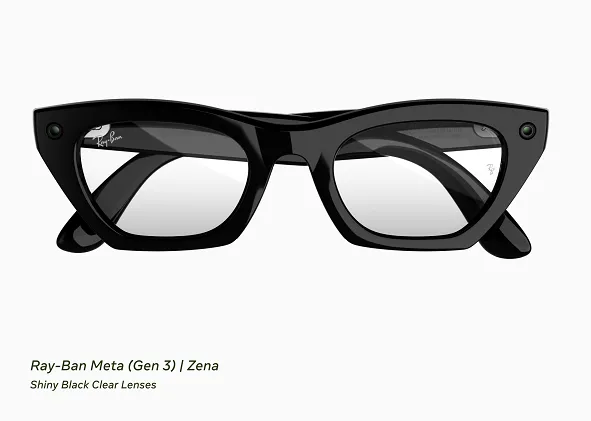
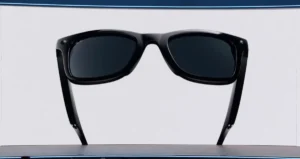
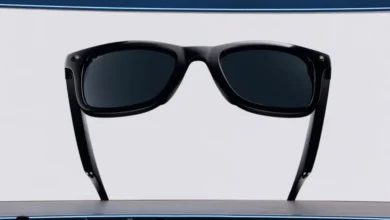
Building upon the success of previous generations, Meta introduced the Ray-Ban Meta Gen 3, which boasts a noticeably slimmed-down frame profile and extended battery life. The Gen 3 hardware introduces advanced capture modes alongside Dolby Atmos spatial audio capture, giving the device the capability to accurately replicate the dynamic acoustic environment of scenes recorded by the user.
In addition to the standard camera-equipped models, Meta surprised attendees by announcing a dedicated audio-only AI glasses variant. This new style provides seamless connectivity to Meta AI via voice commands while completely omitting the camera apparatus, effectively eliminating consumer privacy concerns related to unauthorized filming in public or private spaces.
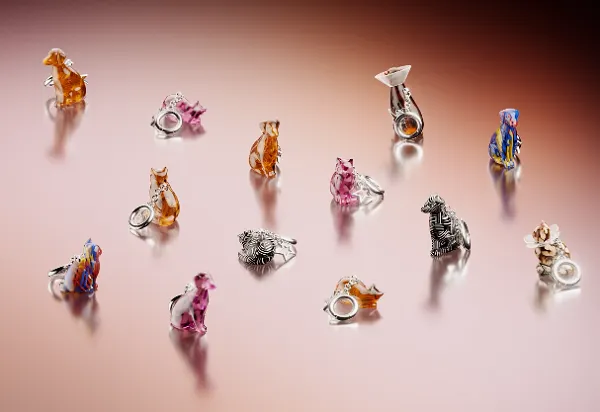
The expanded smart glasses lineup also welcomes new aesthetic variations, including Aviator and Zena styles, alongside an updated Adventurer model priced competitively at $249. Continuing Meta’s strategy of high-profile cultural collaborations—following previous partnerships with figures like Kylie Jenner—the company announced an upcoming collection designed in partnership with global K-Pop superstar Lisa. The Lisa glasses feature custom-designed frames accompanied by specialized charms inspired by her personal pets.
Finally, Zuckerberg provided an update on the high-end Meta Display glasses. Having faced months of widespread inventory shortages due to overwhelming consumer demand, Meta announced it is finally catching up with backlogs and preparing to launch the Display model in additional international markets.
A Radically Redefined VR Experience: Meta VR Glasses
The hardware showcase culminated in a significant revelation regarding Meta’s virtual reality roadmap. Reality Labs chief Andrew Bosworth joined Zuckerberg to unveil the company’s next-generation VR hardware, simply titled Meta VR Glasses.
The most striking characteristic of the new headset is its physical profile: it is five times lighter than the current Meta Quest 3 headset, bringing the total weight down to a remarkable 100 grams. This radical reduction in facial weight was achieved by abandoning the traditional all-in-one hardware architecture. Instead, Meta adopted a tethered design philosophy.
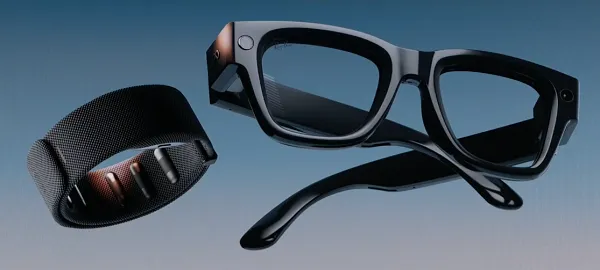
According to official product specifications, the VR Glasses handle the internal sensors and high-resolution display panels, while a companion compute unit—referred to as the "puck"—houses the primary processor, battery, and storage. Connected to the headset via a seamless optical tether, this puck is designed to conveniently clip onto a user’s pocket or bag during operation.
The new VR device deeply integrates the user’s Muse AI bot, allowing individuals to navigate menus, organize applications, and manage virtual spaces using natural conversational prompts. Meta intends to position the device as a multi-functional media center, capable of combining cinematic movie-watching experiences, virtual multi-monitor computer workspaces, and high-end immersive gaming into a single portable package.
Priced at $1,299, the Meta VR Glasses are scheduled to begin shipping in the spring, marking a bold, premium step forward for the company’s hardware division even as its overarching software focus firmly establishes itself in the realm of artificial intelligence.