The Legal Paradox of Meme Ownership: How Dude With Sign Sparked a Wave of Intellectual Property Litigation


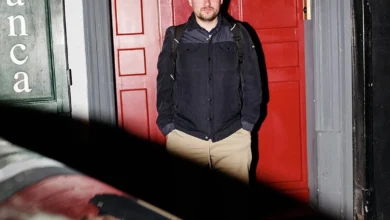
The rise of the internet-famous Instagram account @dudewithsign has transcended mere viral entertainment to become a case study in the complexities of modern intellectual property law. Featuring Seth Phillips, a tall man in sunglasses holding cardboard protest signs inscribed with humorous, relatable aphorisms, the account has amassed over 8 million followers. What began as a quirky social media experiment curated by the marketing firm Jerry Media has evolved into a lucrative advertising engine. However, the commercial success of the brand has triggered a significant legal fallout, as Jerry Media—an entity itself historically plagued by allegations of content misappropriation—has launched an aggressive campaign to sue brands for unauthorized use of its imagery.
The Genesis and Evolution of a Viral Phenomenon
The concept behind @dudewithsign was originally conceived by Elliot Tebele, the founder of the prominent Instagram meme aggregator @fuckjerry. While Tebele initially experimented with the format, it was Seth Phillips who adopted the persona and transformed it into a global digital phenomenon. By capturing the zeitgeist of modern life—with pithy observations ranging from the mundane annoyances of cold plunges to the skepticism regarding online review culture—Phillips turned a simple prop into a powerful marketing tool.
The account quickly pivoted from organic content to sponsored partnerships. Major corporations, including Wingstop, CVS, and Dunkin’, have engaged Phillips to hold custom-designed signs that integrate their products into his signature style. This transition from grassroots humor to corporate influence established a clear commercial value for the imagery, prompting Jerry Media to protect its assets with increasing vigilance.
A Chronology of Litigation
Since November 2022, FJerry—the parent company behind the account—has initiated at least seven lawsuits against various commercial entities. These companies allegedly utilized the "Dude With Sign" format by digitally altering the cardboard sign to feature slogans promoting their own products or services. Among the defendants named in these legal actions are Avid, All Access Dietetics, Itchy, BruMate, RQ Insurance, and Snak Club.
The nature of the infringement typically follows a specific pattern: a brand takes an existing image of Phillips, edits the text on the sign to align with their brand identity, and posts it to their official social media channels. In some instances, such as the case of Snak Club, the brand tagged the official @dudewithsign account in the post. While these brands likely viewed the posts as clever "guerrilla marketing," Jerry Media viewed them as clear violations of copyright and unauthorized commercial endorsements. Most of these cases have since been dismissed, with industry observers suggesting that the majority were settled out of court or resolved following the deletion of the disputed content.
The Legal Framework of Intellectual Property in Memes
From a strictly legal standpoint, Jerry Media holds a defensible position. Intellectual property law protects original creative works, including photographs. By capturing a staged photo of Phillips in a recognizable persona, Jerry Media owns the copyright to that image. When a third-party brand modifies that image for commercial purposes, they are not only infringing upon the copyright of the photograph but are also potentially creating a "false endorsement" scenario.
Under the Lanham Act, which governs trademarks and unfair competition in the United States, brands are prohibited from using a person’s likeness or a brand’s intellectual property in a way that suggests a false association. When a brand like Snak Club posts an image of Phillips—a professional influencer—holding a sign that says "Eat more Snak Club," they create a reasonable assumption among the consumer base that a paid partnership exists. If no such contract exists, the brand is effectively harvesting the goodwill and audience of the influencer without compensation, a practice that the law generally disfavors.
The Irony of the Jerry Media Legacy
The legal offensive launched by Jerry Media is marked by a profound sense of irony, given the company’s own history with intellectual property. For nearly a decade, @fuckjerry and its sister accounts, such as @beigecardigan, built an empire by aggregating content—primarily screenshots of viral tweets and comedic jokes—without compensating or crediting the original creators.
This practice reached a boiling point in 2019, when the #fuckfuckjerry movement gained momentum. Comedians and Twitter users, including high-profile figures like Amy Schumer and John Mulaney, publicly criticized the company for profiting from the labor of others. The controversy was further fueled by reports that Jerry Media was running advertisements on content that it did not own and had not licensed. This historical context complicates the current public perception of the firm. While Jerry Media is technically correct in its current legal pursuit, its reputation as an entity that long ignored the copyright claims of independent creators has invited intense scrutiny and accusations of hypocrisy.
Broader Implications for Digital Marketing
The "Dude With Sign" lawsuits signal a shift in how digital marketing agencies and brands interact with internet culture. As memes become more central to advertising, the boundaries between "user-generated content" and "commercial property" are blurring.
For brands, the lesson is clear: the viral nature of a meme does not grant public domain status. Even if a brand creates a "meme-style" image, the unauthorized use of a copyrighted persona or a specific, trademarked influencer character creates significant legal risk. The cost of legal defense, coupled with the potential for court-ordered damages, far outweighs the short-term engagement metrics gained from a single social media post.
Furthermore, these legal actions highlight the professionalization of the influencer economy. As influencers like Phillips move toward professional, agency-backed management, the "Wild West" era of meme marketing is coming to an end. Agencies are increasingly using automated tools to monitor image usage across platforms, making it easier than ever for rights holders to identify and pursue infringers.
The Role of Fyre Fest and Corporate Reputation
It is also necessary to contextualize Jerry Media’s current legal strategy within its broader corporate history. The company’s involvement in the disastrous Fyre Festival—a luxury music festival that collapsed under allegations of fraud—further complicates its public image. While Jerry Media’s role was primarily in digital marketing, the ensuing documentaries, particularly the one produced by Hulu, painted a portrait of a firm that prioritized growth and viral reach above ethical considerations.
For legal experts and marketing professionals, the current litigation cycle is a reminder that in the digital age, companies must be prepared to defend their brand assets with the same intensity with which they once sought to exploit the assets of others. However, the optics of the situation remain difficult for Jerry Media. By acting as the aggrieved party in copyright disputes, the firm is forced to adopt a moral stance that many in the comedy and content-creation community argue they have not earned.
Conclusion: The Future of Digital Intellectual Property
The ongoing legal battles surrounding @dudewithsign represent a pivotal moment in the evolution of internet law. As platforms continue to prioritize video and image-based content, the value of a recognizable digital persona will only increase. Whether these lawsuits will serve as a deterrent to brands or simply as a warning to be more diligent in their content licensing remains to be seen.
Ultimately, the case serves as a stark reminder that while the internet is a space for sharing and remixing, commercial exploitation remains subject to the rigorous standards of copyright and trademark law. For Jerry Media, the transition from being the "meme thief" to the "intellectual property defender" is a complex navigation of reputation management. While they may win their cases in court, they continue to face a "court of public opinion" that is well-versed in the history of their business practices. The future of the "Dude With Sign" brand will likely continue to thrive as an advertising powerhouse, provided it can manage the inherent friction between its past reputation and its current role as an enforcer of digital property rights.
Related posts: