The Evolving Landscape of Digital Marketing: Key Trends Shaping the Future of E-Commerce and Brand Strategy

The global marketing ecosystem, intrinsically linked to the rapid expansion of the e-commerce sector, continues to undergo profound structural transformations. Year after year, shifting consumer behaviors, technological innovations, and the strategic pivots of influential global brands force marketing agencies and corporate communications departments to redefine how they capture audience attention. Over the past several years, the paradigm of consumer engagement has shifted decisively toward social interaction, mobile-first communication, and dynamic video content. Consequently, corporate investments in digital marketing—spanning both organic search optimization and paid acquisition channels—have surged to unprecedented levels. Enterprises now recognize that precise timing and channel relevance are paramount to addressing the fragmented habits of modern target demographics.
To navigate this continuously shifting terrain, industry analysts and digital strategists continuously evaluate emerging trends that dictate how brands allocate their budgets and design their customer acquisition funnels. Understanding these trajectories is no longer optional for businesses aiming to maintain a competitive edge in a saturated digital marketplace.
The Evolution of Digital Strategy: Historical Context and Market Pressures
The trajectory of digital marketing over the past decade has been defined by a transition from broad, mass-market broadcasting to hyper-targeted, data-driven personalization. In the early 2010s, digital strategies primarily focused on search engine optimization (SEO) built around rigid keyword densities and static display advertising. However, the proliferation of smartphones, the ubiquity of high-speed mobile internet, and the meteoric rise of social media platforms fundamentally altered the consumer journey.
By the late 2010s and early 2020s, privacy regulations such as the European Union’s General Data Protection Regulation (GDPR) and the California Consumer Privacy Act (CCPA), alongside Apple’s App Tracking Transparency framework, began dismantling traditional third-party cookie tracking. This regulatory squeeze forced marketers to seek innovative, privacy-compliant methodologies to reach consumers. At the same time, consumer expectations shifted dramatically. Modern buyers demand transparency, ethical corporate behavior, and seamless, frictionless digital interactions across every touchpoint.

Industry data from major digital research firms underscores these financial commitments. Global digital ad spending surpassed $600 billion, with mobile advertising commanding the lion’s share of investments. Organizations are no longer viewing digital marketing as a supplementary expense, but as a core operational infrastructure requiring sophisticated technological integration. Below is a comprehensive analysis of the five primary marketing trends defining this new era of commerce.
1. Responsible Artificial Intelligence and Ethical Automation
The integration of artificial intelligence into marketing workflows has accelerated exponentially, shifting from experimental chatbots to core algorithms that drive content creation, predictive analytics, and programmatic advertising. However, this widespread adoption has given rise to a critical counterpart: responsible artificial intelligence.
Responsible AI encompasses the ethical, transparent, and socially responsible deployment of machine learning and generative AI technologies. As consumers become increasingly wary of algorithmic bias, deepfakes, and invasive data harvesting, brands face mounting pressure to govern their AI usage responsibly. Key principles governing this trend include data privacy protection, algorithmic transparency, bias mitigation, and clear accountability for AI-generated outputs.
Industry trade groups and regulatory bodies have increasingly called for standardized frameworks to audit marketing algorithms. When a brand deploys AI to segment audiences or personalize messaging, it must ensure that consumer data is gathered with explicit consent and protected against breaches. Furthermore, organizations must audit their machine learning models to prevent discriminatory targeting based on race, gender, or socioeconomic status. By adopting a transparent posture toward AI utilization—such as explicitly disclosing when content or customer service interactions are machine-generated—companies can build long-term trust and mitigate reputational risks.
2. Mainstreaming Sustainability in Digital Campaigns
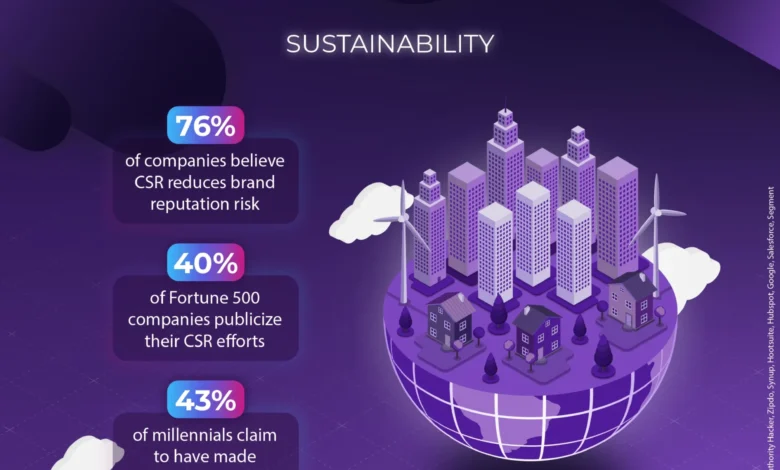
Environmental consciousness has transitioned from a niche corporate social responsibility (CSR) initiative to a fundamental pillar of modern brand strategy. Consumers, particularly within the Millennial and Generation Z demographics, increasingly vote with their wallets, favoring brands that demonstrate genuine ecological stewardship. Consequently, integrating sustainability into digital marketing has become a vital imperative for market survival.

This integration manifests across multiple digital touchpoints. Companies are leveraging social media platforms, corporate blogs, and digital video campaigns not merely to sell products, but to educate audiences on environmental preservation, circular economies, and eco-friendly manufacturing processes.
Communicating Sustainable Products and Services
Effective sustainability marketing avoids vague "greenwashing" claims in favor of verifiable impact metrics. Digital channels allow brands to deploy creative campaigns that highlight specific ecological attributes—such as biodegradable packaging, carbon-neutral supply chains, or ethically sourced raw materials. These campaigns successfully capture the attention of eco-conscious consumers who actively seek out responsible alternatives.
Engagement and Awareness via Social Media
Social media serves as a potent vehicle for driving grassroots environmental movements. Brands utilize platforms like Instagram, LinkedIn, and YouTube to document their green initiatives, share educational content, and invite followers to participate in community clean-ups or recycling drives. Furthermore, strategic partnerships with sustainability-focused digital influencers allow brands to amplify their ecological messaging to dedicated, highly engaged communities.
Utilizing Technology for Traceability and Transparency
To substantiate sustainability claims, forward-thinking enterprises are adopting advanced technologies such as blockchain. Blockchain infrastructure provides an immutable, transparent ledger of a product’s lifecycle, enabling consumers to scan a digital code and verify the exact origin, transit history, and ethical labor practices involved in its creation. Additionally, mobile applications designed to calculate individual carbon footprints help consumers make informed, sustainable purchasing decisions.
Personalization and Customer Engagement
Data analytics enable companies to cross-reference consumer preferences with sustainable product lines, delivering tailored recommendations that align with individual ethical values. Loyalty programs are increasingly being restructured to reward responsible consumer behaviors, such as returning used packaging for recycling or opting for consolidated, low-emission shipping methods.

3. Conversational Search and Semantic Optimization
The mechanics of how consumers discover information online are undergoing a seismic shift. Traditional keyword-stuffed search queries are rapidly being supplanted by conversational, natural-language searches, driven by the proliferation of voice-activated smart assistants and AI-powered search engines.
Consumers now interact with devices the same way they speak to human beings, using complete sentences, contextual questions, and colloquial phrases. This behavioral change requires marketers to completely overhaul their SEO methodologies. Optimizing for conversational search demands a pivot toward semantic search optimization, where algorithms evaluate the intent and context of a query rather than merely matching isolated keywords.
Smart assistants—including Apple’s Siri, Amazon’s Alexa, and Google Assistant—have evolved to possess sophisticated contextual awareness. They can anticipate user needs based on past behavior, local data, and real-time triggers. For digital marketers, this means ensuring that brand content is formatted to answer direct questions concisely, often targeting "Position Zero" featured snippets on search engine results pages. Brands that successfully adapt to the nuances of voice search and AI-driven conversational interfaces secure higher visibility, superior user engagement, and a distinct competitive advantage.
4. Short-Form Video and Immersive Visual Content
In an era defined by hyper-fragmented attention spans, video content has cemented its status as the undisputed king of digital engagement. Within this medium, two distinct yet complementary trends dominate modern media consumption: ultra-short, high-impact social videos and immersive, interactive visual experiences.
Short-form video platforms—most notably TikTok, Instagram Reels, and YouTube Shorts—have conditioned global audiences to consume narrative content in a matter of seconds. For businesses, this requires a radical compression of the traditional marketing pitch. Successful short-form campaigns must capture viewer attention within the first three seconds through striking visuals, disruptive storytelling, or humor. These formats are uniquely suited for rapid product demonstrations, authentic customer testimonials, and time-sensitive promotional announcements.

Conversely, immersive technologies such as 360-degree video, augmented reality (AR), and virtual reality (VR) are redefining how consumers interact with digital products before making a financial commitment. Retail and e-commerce brands, particularly in apparel, cosmetics, and furniture, are deploying AR applications that allow customers to virtually try on clothing, test makeup shades, or visualize how a sofa fits into their living room. These immersive digital environments drive unprecedented levels of consumer engagement and have been clinically proven to reduce product return rates while boosting conversion metrics.
5. The Imperative of Content Hyper-Personalization
The era of blanket, one-size-fits-all email blasts and generic digital advertising is drawing to a close. Hyper-personalization represents the cutting edge of consumer targeting, utilizing advanced artificial intelligence and machine learning algorithms to synthesize vast quantities of consumer data and deliver bespoke messages tailored to the immediate, individual needs of each buyer.
Powered by predictive analytics, hyper-personalization evaluates historical purchase behaviors, real-time browsing patterns, geographical data, and platform interactions. Instead of segmenting audiences into broad demographic categories, AI models generate dynamic content in real time. This ensures that every consumer visiting an e-commerce storefront sees product recommendations, pricing incentives, and editorial content specifically curated for their unique psychological profile and purchasing intent.
Market analysts note that while hyper-personalization yields dramatically higher return on ad spend (ROAS) and customer lifetime value (LTV), it also requires rigorous adherence to data governance standards. As regulatory frameworks tighten globally, brands must balance the depth of their personalization engines with absolute transparency regarding how consumer data is collected, stored, and utilized.
Broader Economic Implications and Future Outlook
The convergence of responsible artificial intelligence, sustainability mandates, conversational search optimization, short-form video dominance, and hyper-personalization signals a mature, highly sophisticated phase in the evolution of digital marketing. Corporations are no longer competing merely on product quality or pricing parity; they are competing on the quality, relevance, and ethical integrity of their digital engagement strategies.

As these trends solidify into standard industry practices, the division between technology infrastructure and marketing execution will continue to blur. Chief Marketing Officers (CMOs) must work in tandem with Chief Technology Officers (CTOs) and Chief Information Security Officers (CISOs) to deploy scalable, compliant, and customer-centric campaigns. Businesses that successfully harmonize technological innovation with ethical responsibility and authentic consumer connection will undoubtedly lead the global commercial landscape in the years ahead.
Related posts: