In the modern digital landscape, possessing an impressive website, top-tier content, and a seamless user experience is no longer a guarantee of online visibility. Even with these foundational elements firmly in place, a business can remain entirely invisible to both traditional search engines like Google and generative artificial intelligence tools such as ChatGPT.
The underlying reason for this digital invisibility lies in how modern discovery algorithms operate. Contemporary search architectures do not evaluate a website in a vacuum. Instead, they conduct a holistic evaluation of the broader web, analyzing what external, credible sources communicate about a brand to determine its authenticity, authority, and whether it deserves to be ranked or recommended to users. Every time a trusted publication, an active online community, or an industry expert references a company, it constructs a layer of external credibility that algorithms heavily factor into their decision-making processes.

Understanding Brand Mentions: Linked Versus Unlinked References
A brand mention is formally defined as any third-party reference to a business, its products, or its executives across the digital ecosystem. These references can manifest in news articles, community discussion threads, video platforms, podcasts, and social media networks. Broadly speaking, brand mentions are categorized into two primary forms: linked and unlinked mentions.
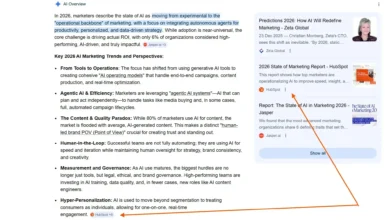
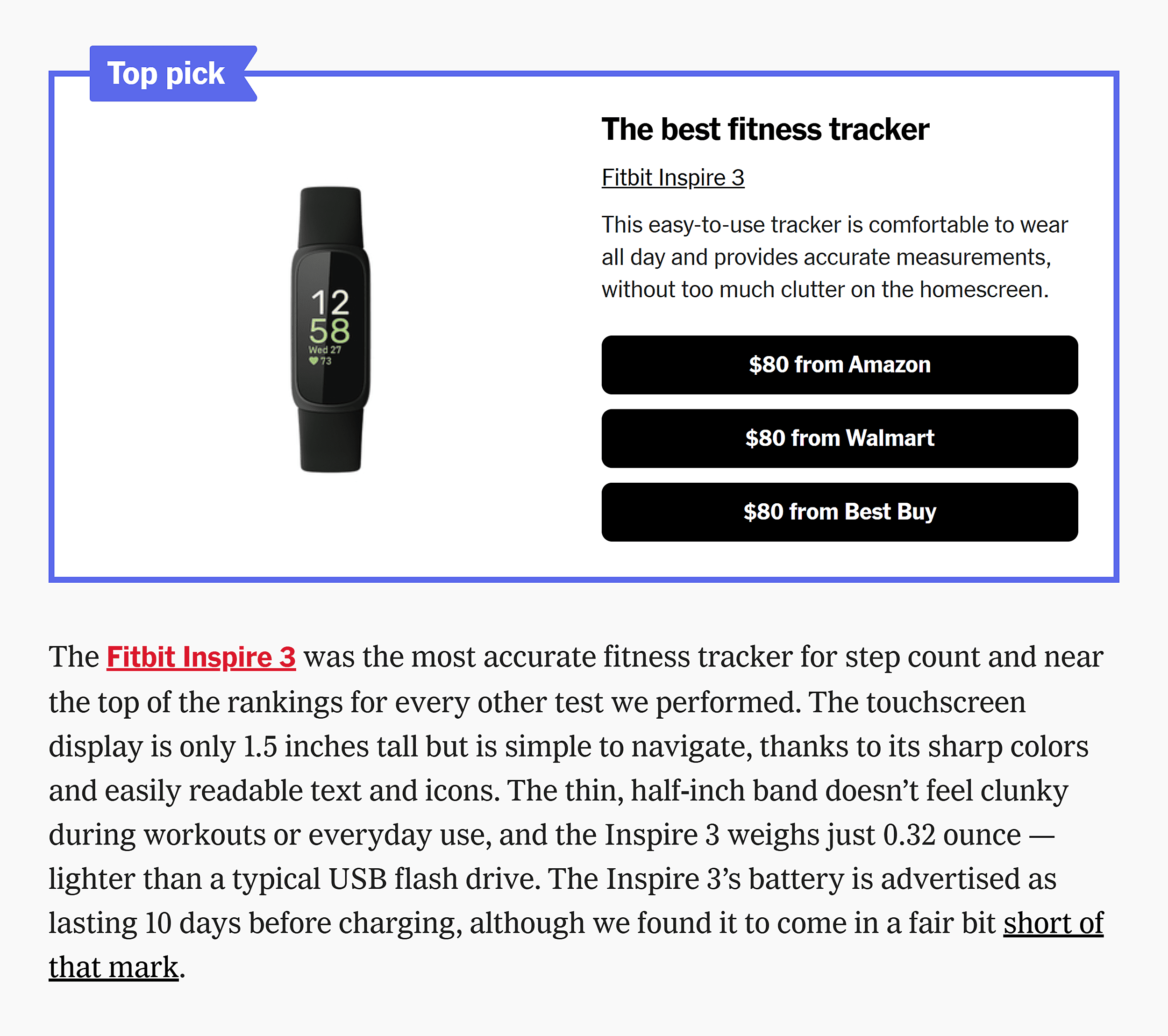
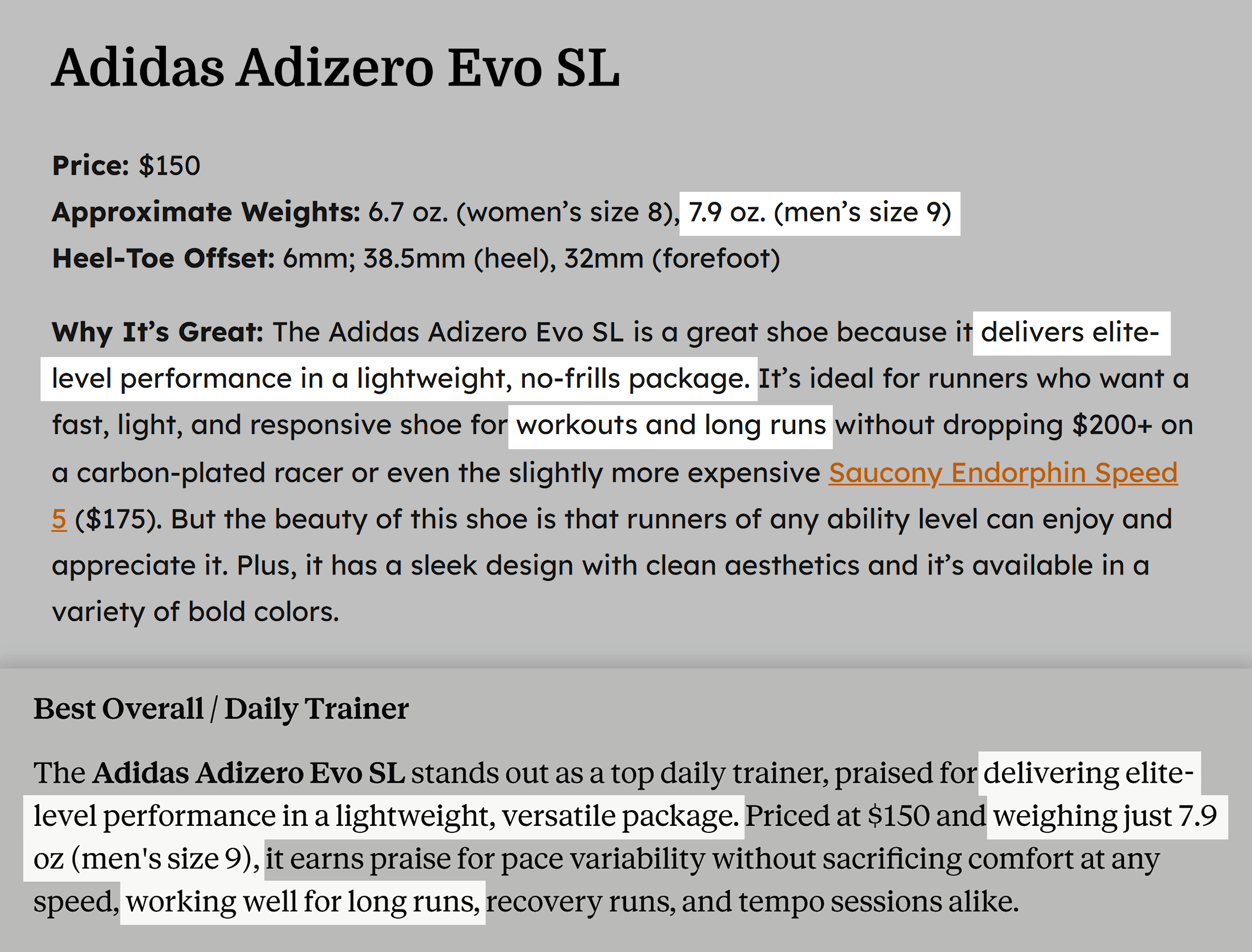
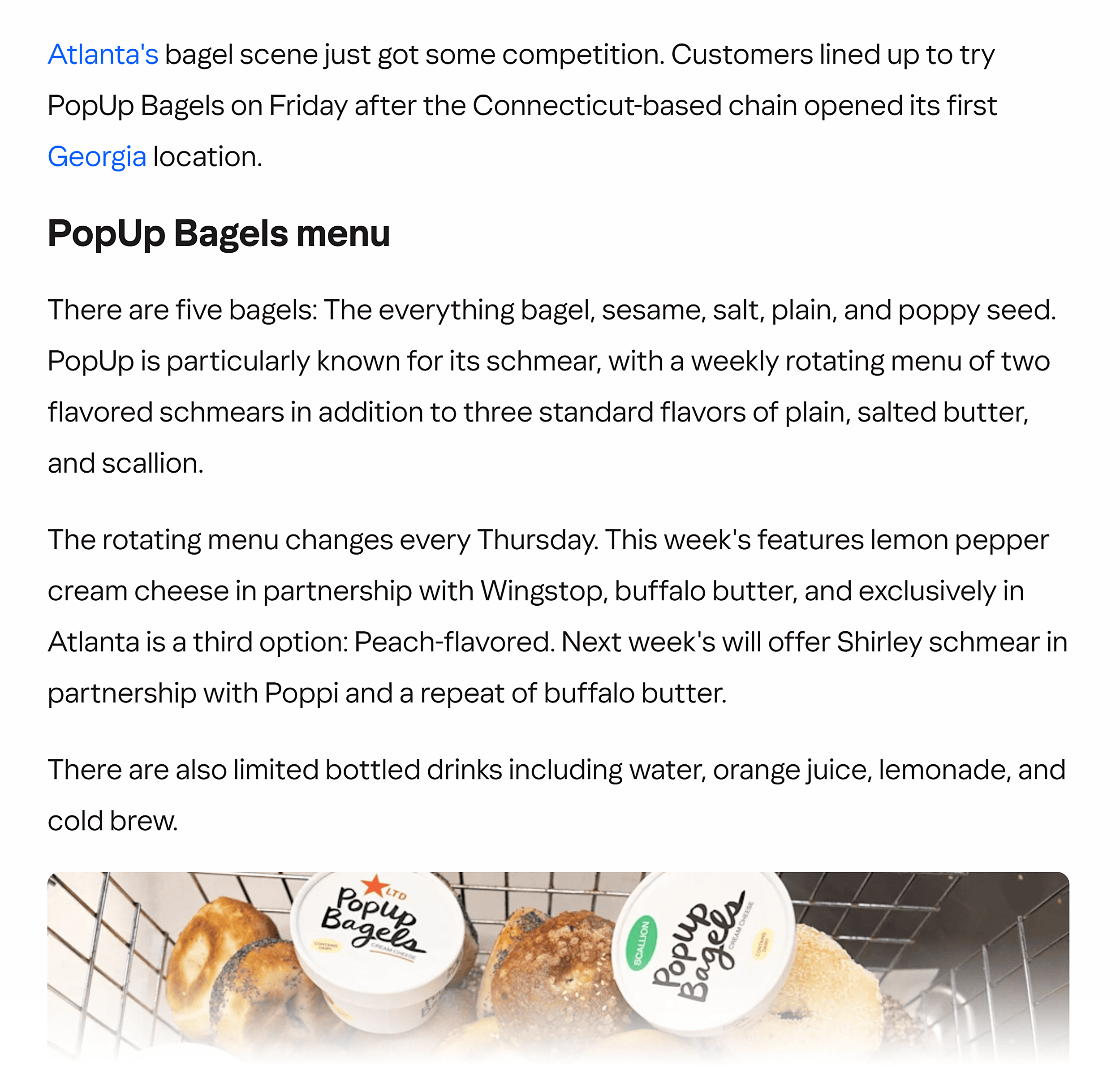
Linked mentions incorporate a clickable hyperlink directed toward a company’s domain, accompanied by the brand name. For instance, comprehensive product roundups published by major news organizations frequently mention consumer brands while embedding a direct pathway to the product purchasing page. These linked citations serve a dual purpose: they pass direct referral traffic to the target domain while simultaneously transferring domain authority.

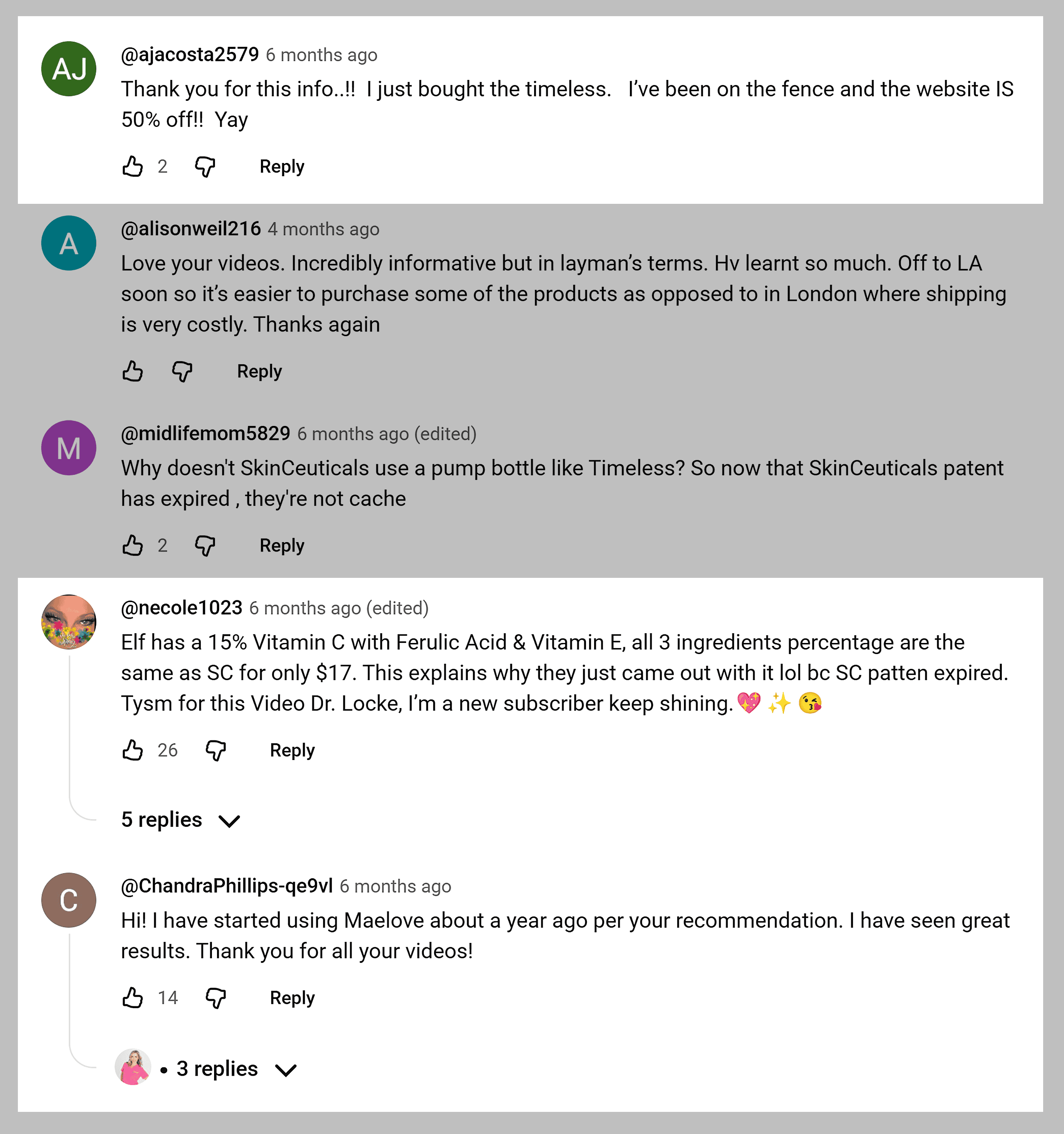
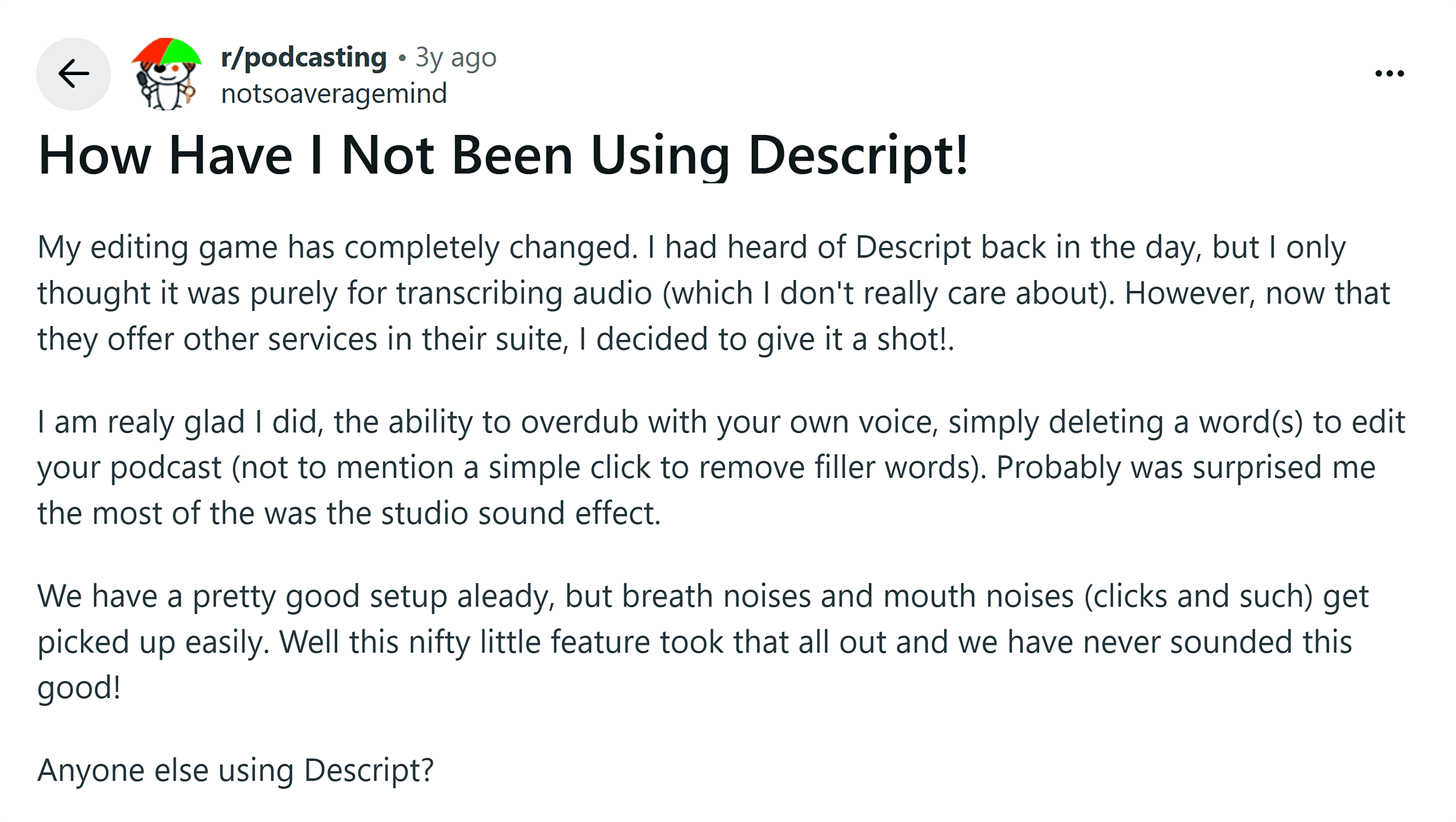
Conversely, unlinked mentions reference a brand name without incorporating a hyperlink. A common example occurs on peer-to-peer discussion platforms like Reddit, where users frequently debate, recommend, or critique products by name without supplying a direct URL. While unlinked mentions fail to generate direct click-through traffic or pass link equity, they play a critical role in establishing brand context for search engines and large language models (LLMs). Algorithms utilize these textual associations to understand the entity’s real-world footprint, utility, and consumer sentiment.
The Divergence Between Web and LLM Mentions
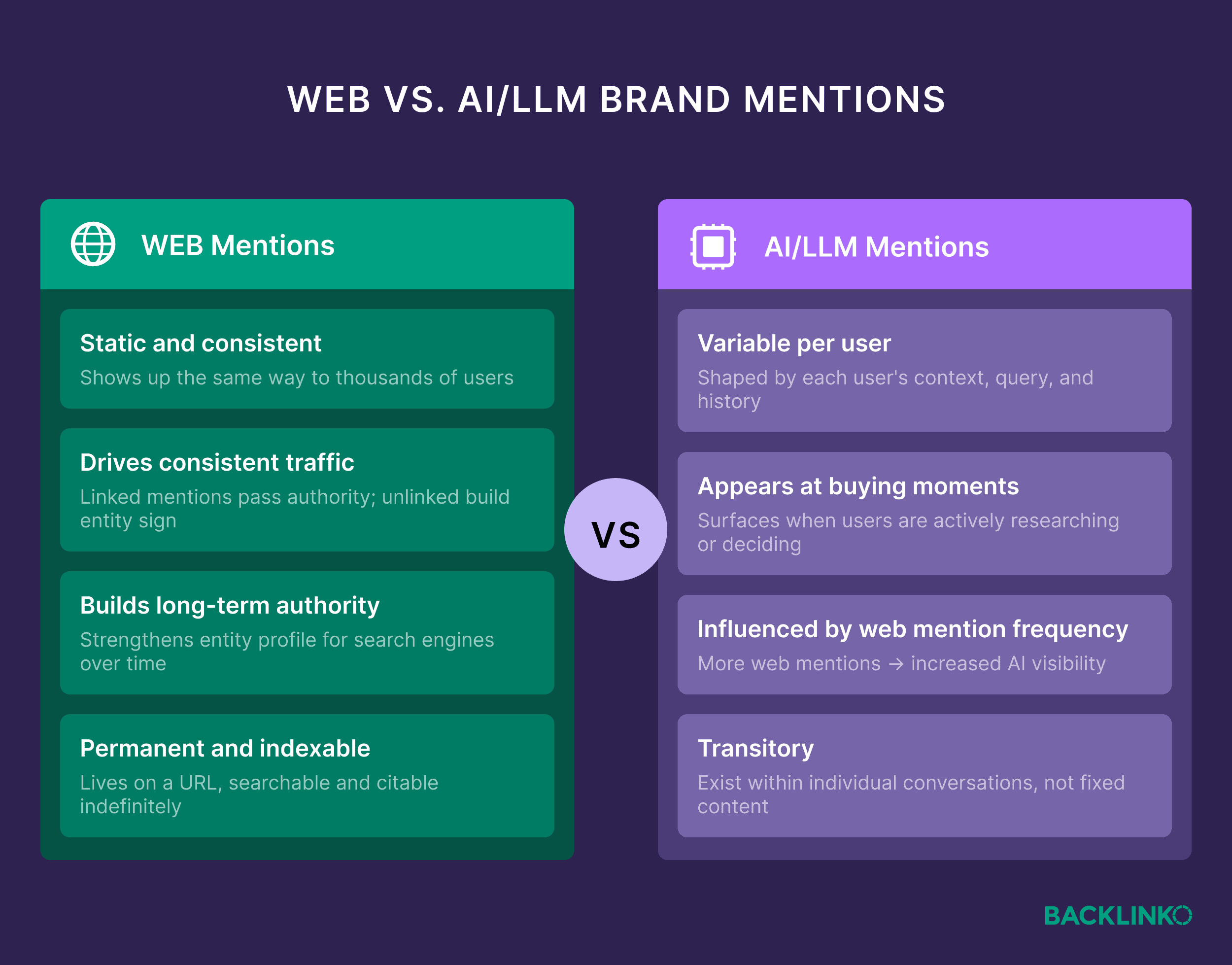
A crucial distinction must be made between brand mentions occurring across the traditional web and those generated dynamically within AI-driven search environments. When an LLM references a brand in response to a user query, that mention is inherently dynamic. LLM outputs vary significantly based on user context, conversational history, and personalization parameters. Furthermore, these conversational outputs are ephemeral; they exist solely within that isolated session and are not publicly indexed as static web pages.
In contrast, a traditional web mention is static and uniform, presenting the exact same information to potentially thousands of prospective customers. Securing visibility within AI search results is the ultimate objective, but accumulating consistent brand mentions across authoritative web properties is the primary mechanism to achieve that goal. The frequency and consistency with which a brand appears across trusted digital channels directly correlate with its likelihood of being surfaced by generative AI tools.
The Evolving Mechanics of Authority and the Knowledge Graph
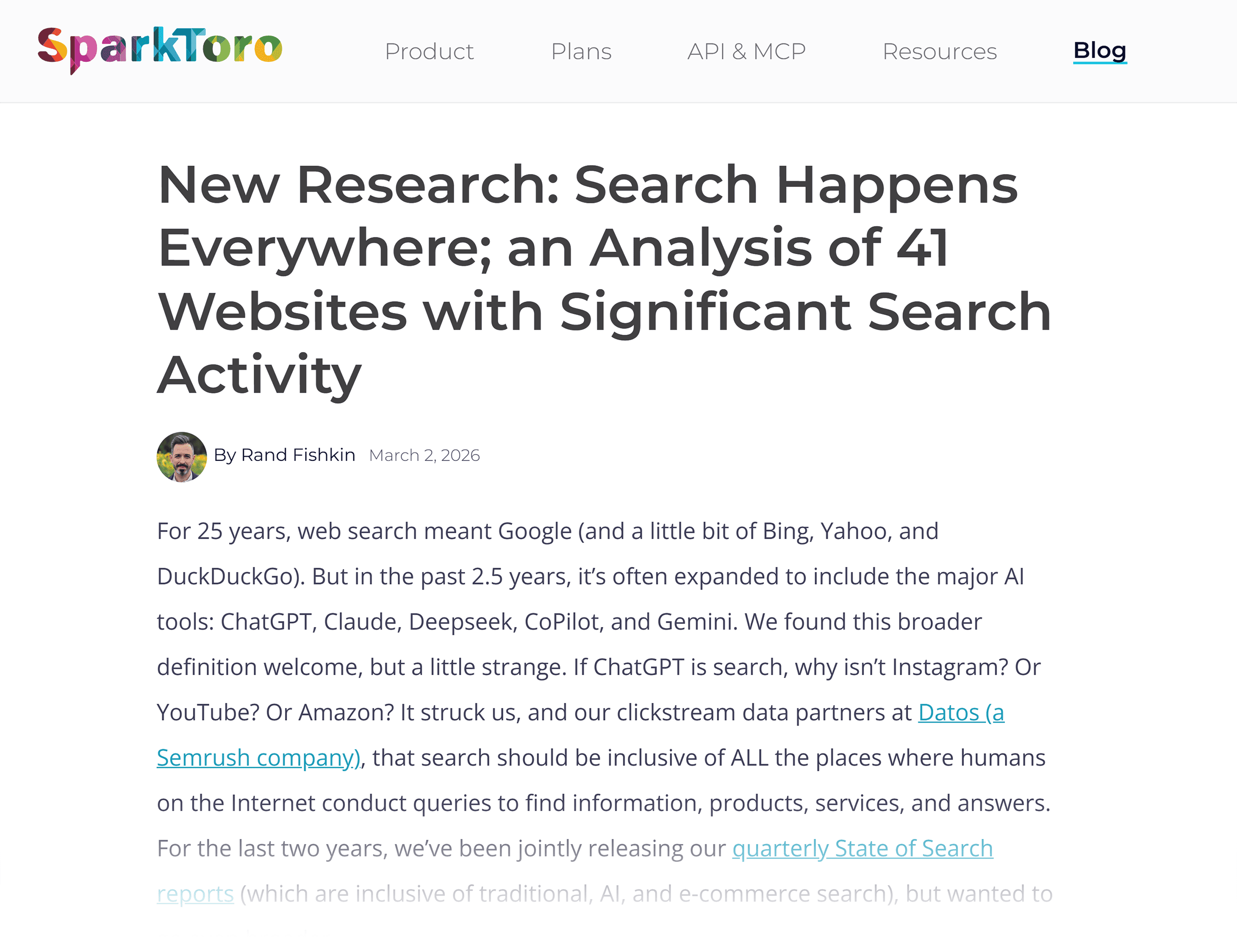
Brand mentions have historically contributed to organic visibility, but their strategic importance has escalated dramatically alongside algorithmic shifts. Search engines evaluate corporate entities by analyzing the consensus of the wider web. They scrutinize who is mentioning the brand, the contextual framework of the discussion, and the consistency of these references over time.
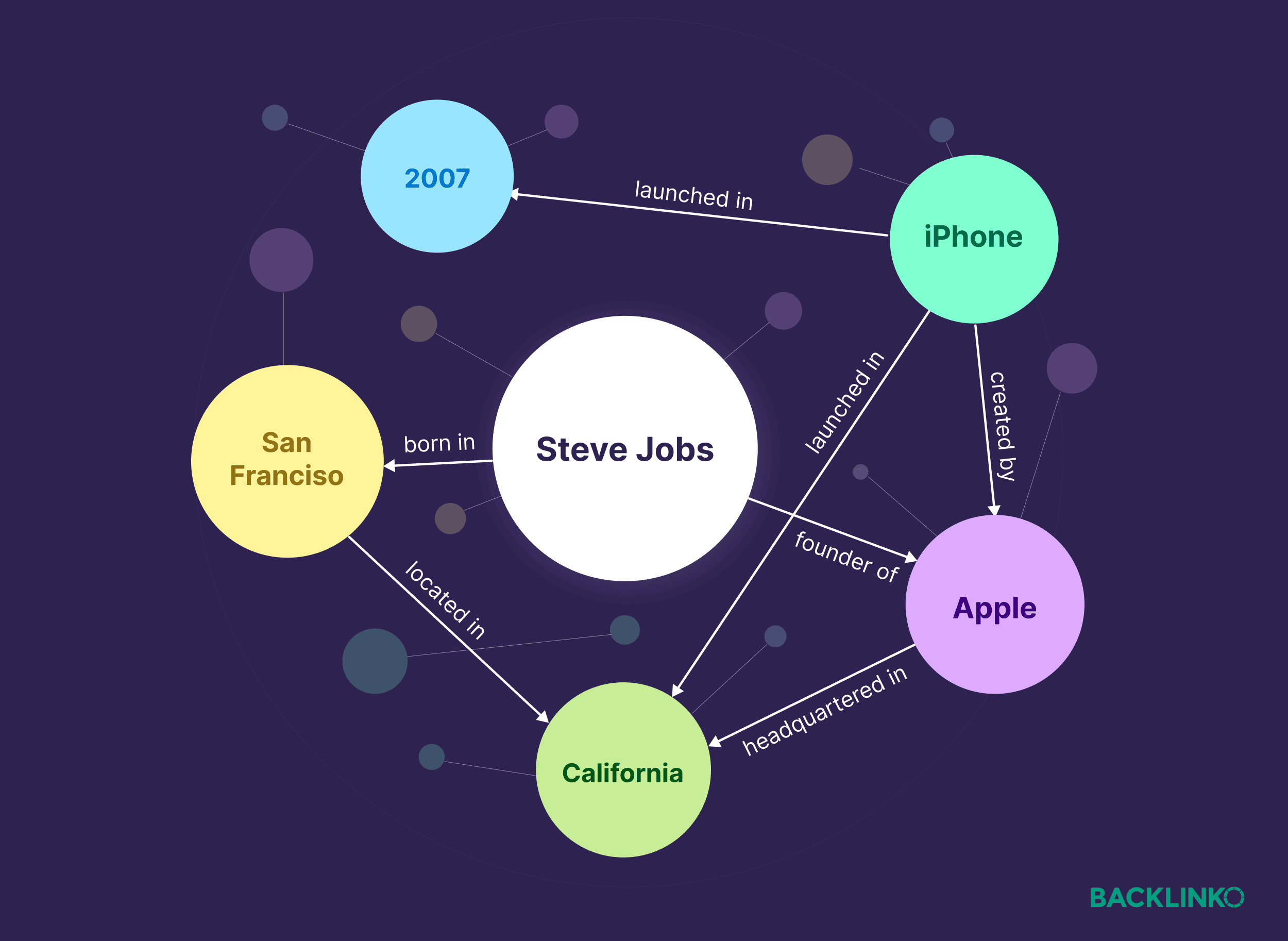
Google, for example, formalizes these relationships through its Knowledge Graph—a massive semantic database designed to map connections between people, organizations, concepts, and physical objects. Brand mentions serve as the primary data feeds that allow search engines to build, refine, and validate entity-level authority. Without a robust ecosystem of external mentions, an enterprise struggles to establish a distinct, recognized entity profile within these semantic databases.
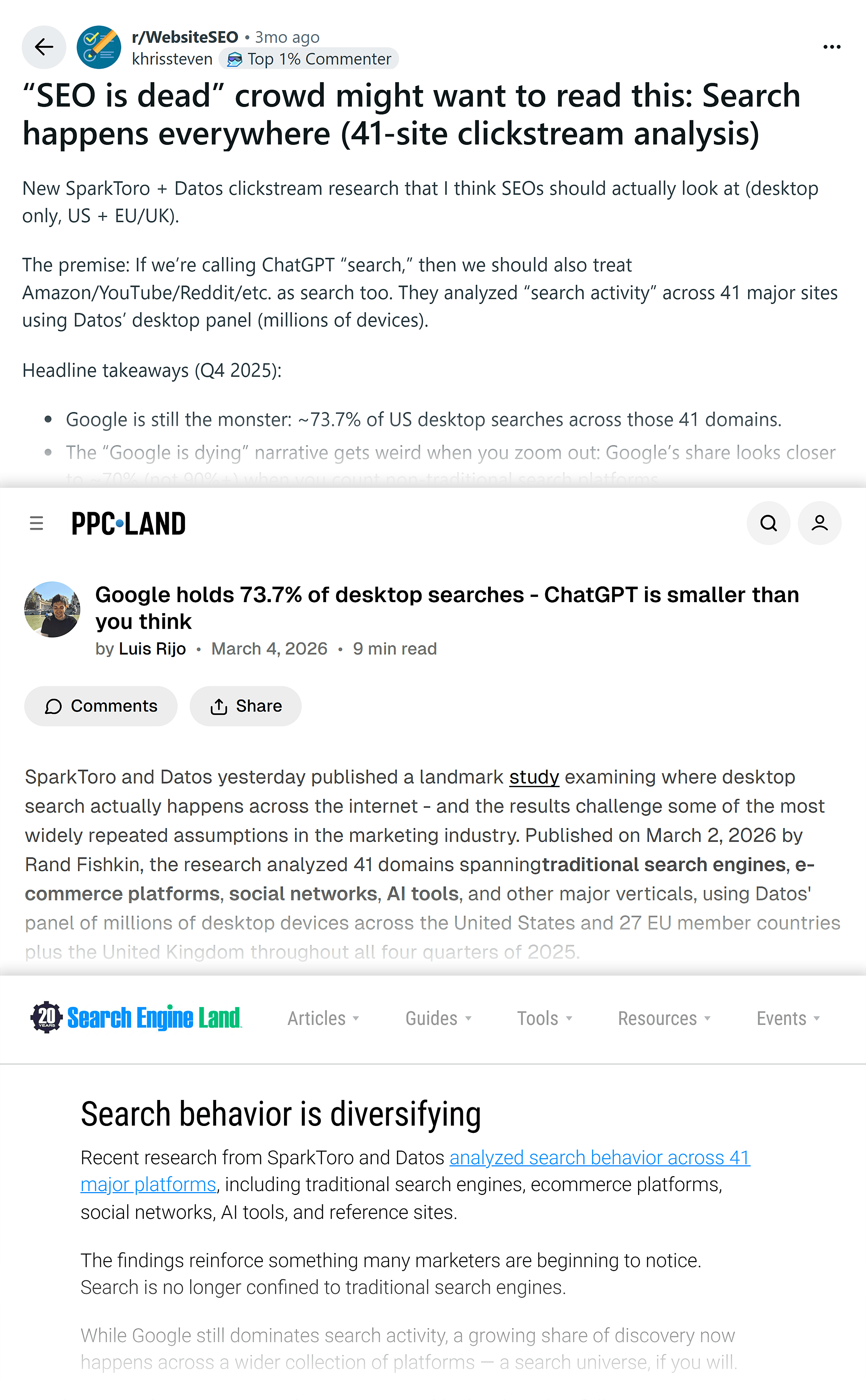
Furthermore, brand mentions act as powerful catalysts for audience expansion. When an influential content creator or industry publication references a business, the brand is immediately introduced to a relevant audience that may not have been actively searching for its specific solutions. This organic exposure frequently drives direct consumer action, steering high-intent traffic toward the brand from previously untapped demographic segments.
Anatomical Breakdown of a High-Value Brand Mention
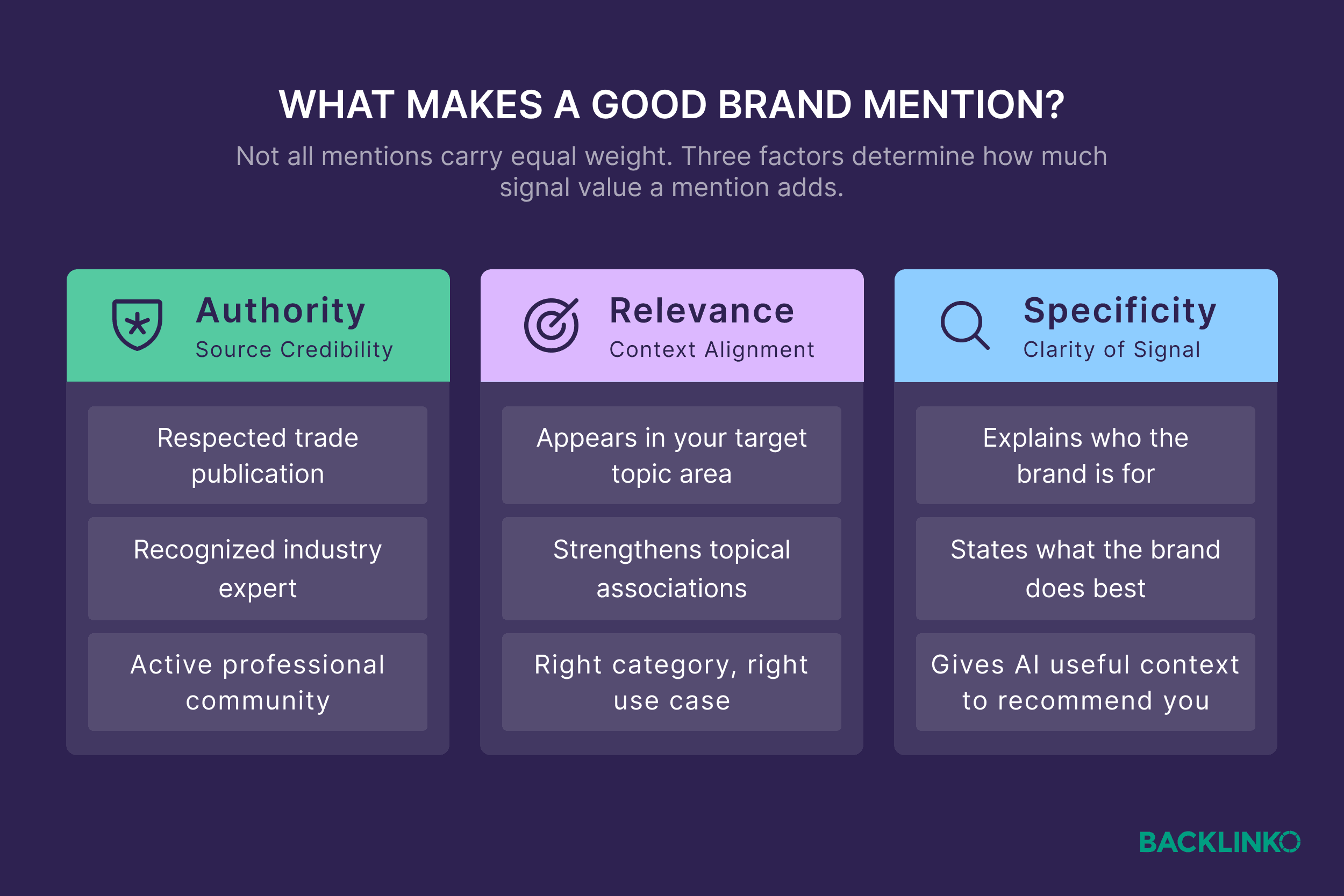
Not all brand mentions carry equal weight in the eyes of search algorithms. The overall quality of a mention is determined by three core pillars: authority, relevance, and specificity.
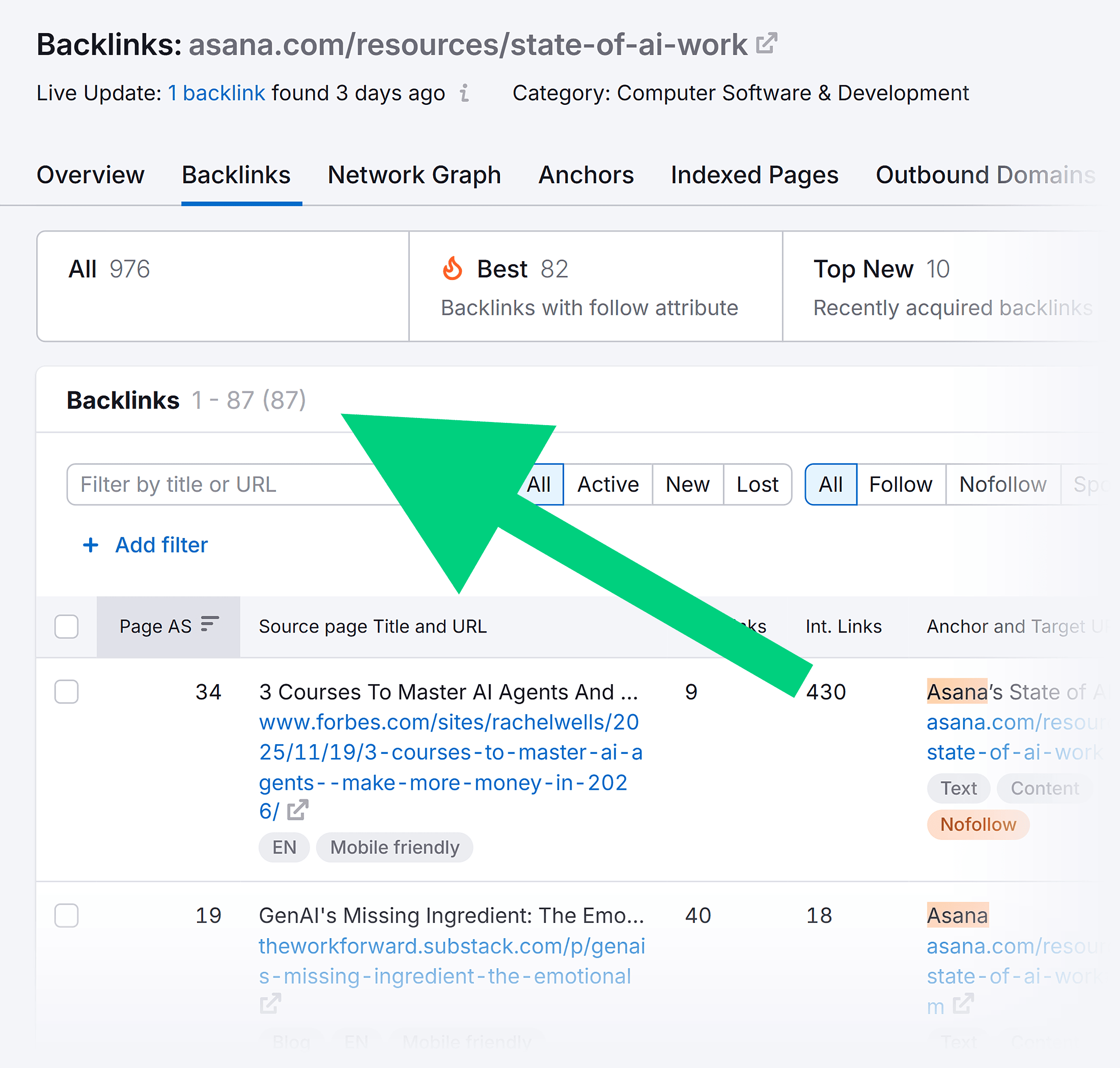
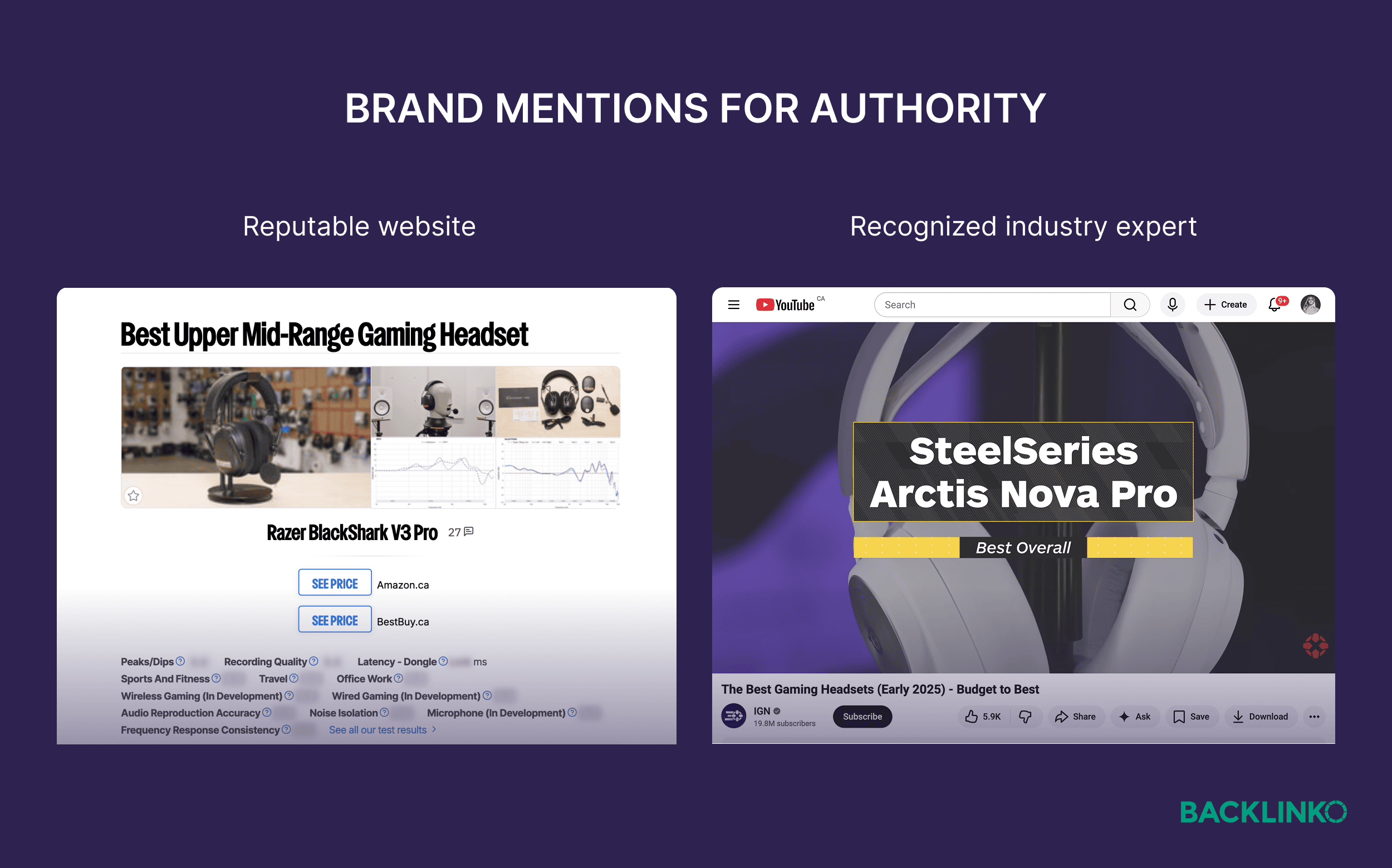
Authority relates directly to the credibility and domain strength of the source publishing the reference. A feature article in a respected trade publication or mainstream media outlet sends a exponentially stronger algorithmic signal than a passing remark on an obscure, low-traffic blog. High-authority mentions validate the legitimacy of a business in the eyes of automated evaluators.
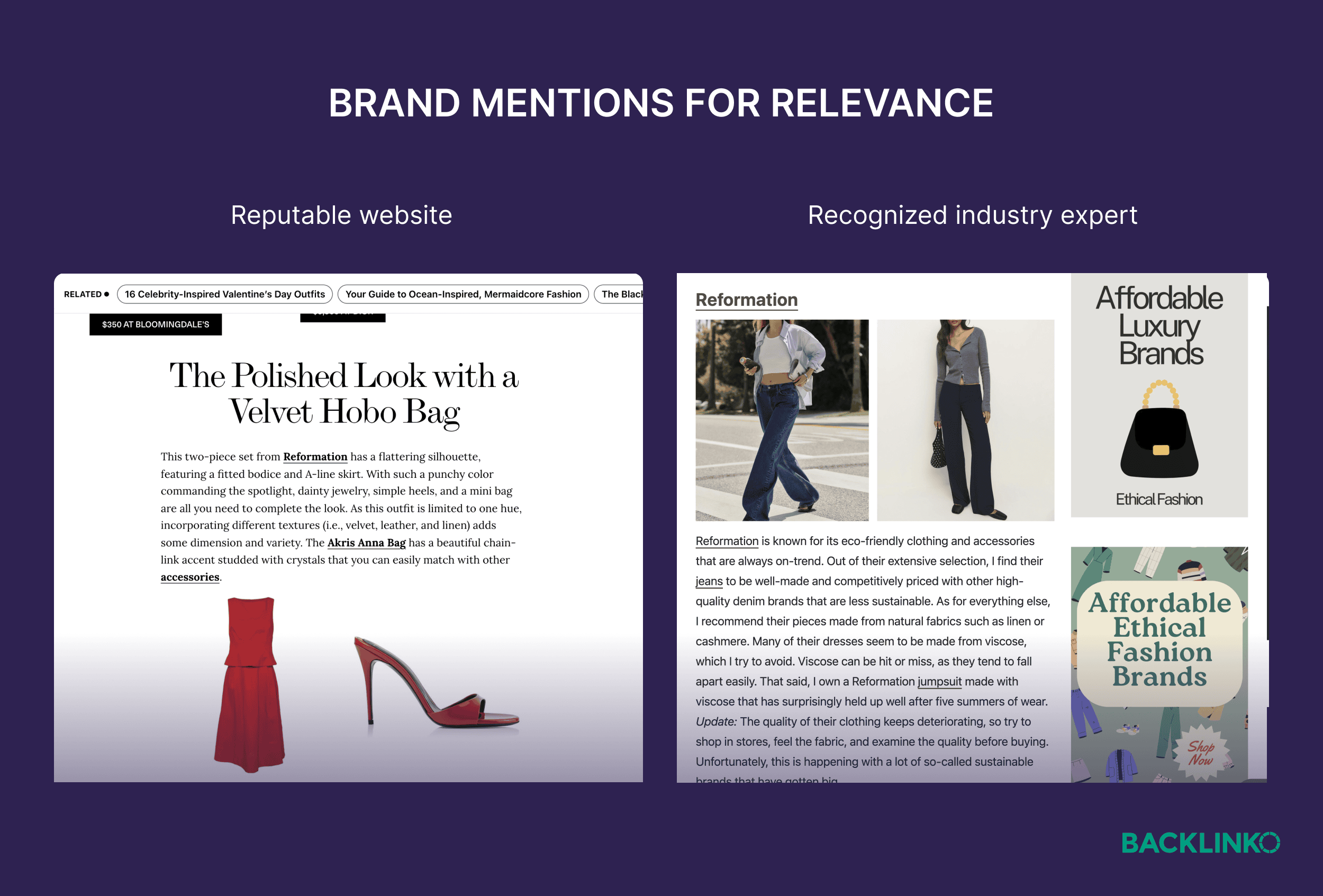
Relevance operates on a dual level, encompassing both topical alignment and industrial context. If a brand is referenced within content directly addressing its core industry and target subject matter, it significantly reinforces its topical authority. For example, fashion and lifestyle brands derive immense value from being cited in dedicated style guides and sustainable fashion reviews rather than unrelated technology forums.
Specificity represents the third critical quality metric. Superficial or vague references offer minimal algorithmic value. Genuinely impactful brand mentions incorporate specific insights, such as detailed product use cases, quantified performance metrics, pricing breakdowns, or unique feature evaluations. These granular details provide search engines and AI models with explicit contextual data, clarifying precisely what the brand offers and the specific consumer problems it solves.
Four Strategic Tactics to Secure Valuable Brand Mentions

Given the profound impact of brand mentions on modern search and AI visibility, organizations must implement proactive strategies to earn these citations consistently. Industry experts recommend four foundational tactics to build a sustainable pipeline of high-value brand mentions.
-
Developing Data-Driven, Citable Research Assets
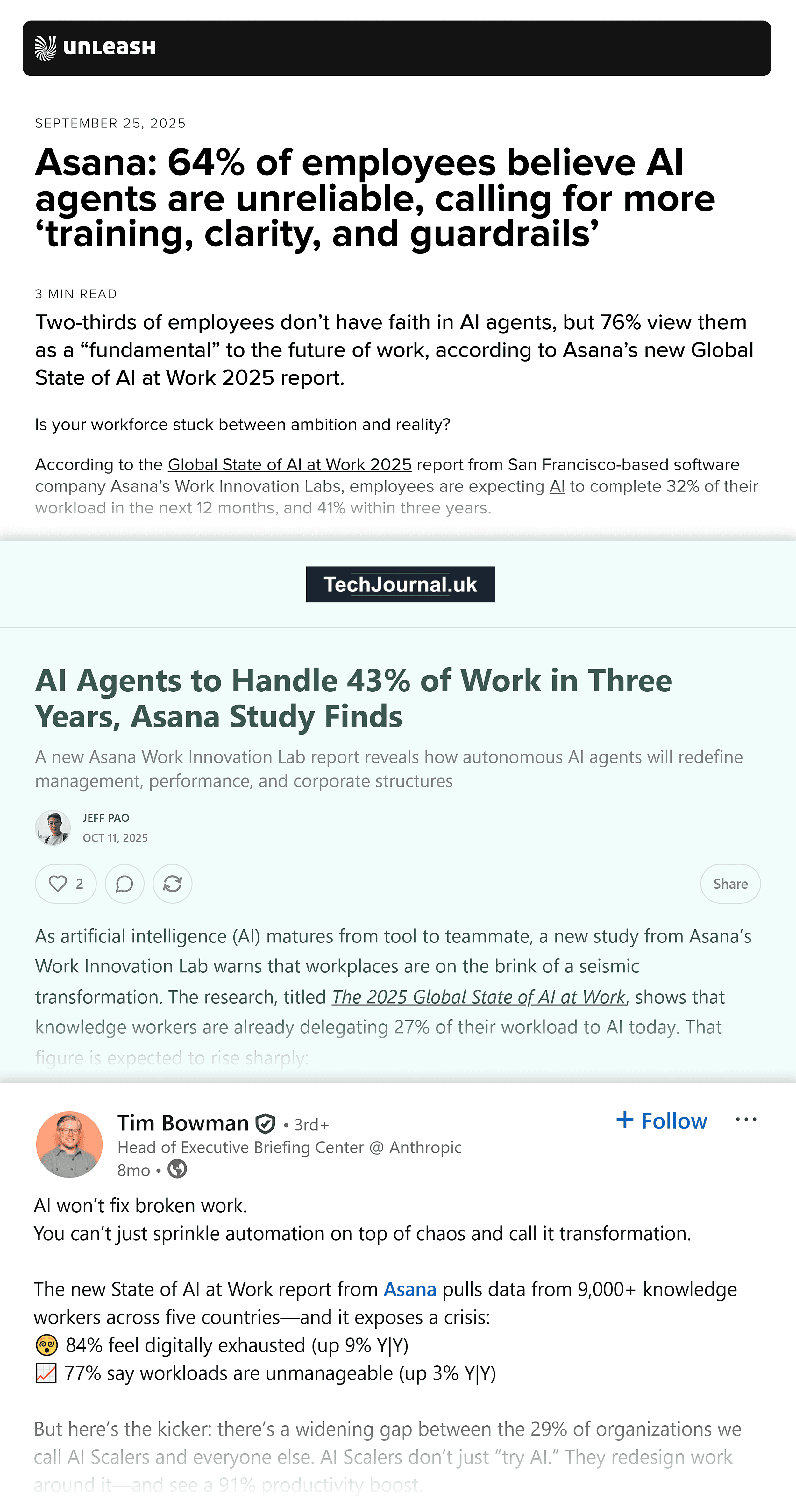
Original market research and proprietary data studies represent one of the most reliable methods for earning enduring brand mentions. When an organization publishes empirical research addressing hotly debated industry questions, citing that data inherently requires referencing the originating brand. By structuring research reports with clear executive summaries, downloadable datasets, and easily digestible charts, businesses make it frictionless for journalists, bloggers, and analysts to reference their findings. This approach frequently generates both authoritative brand mentions and high-quality backlinks simultaneously.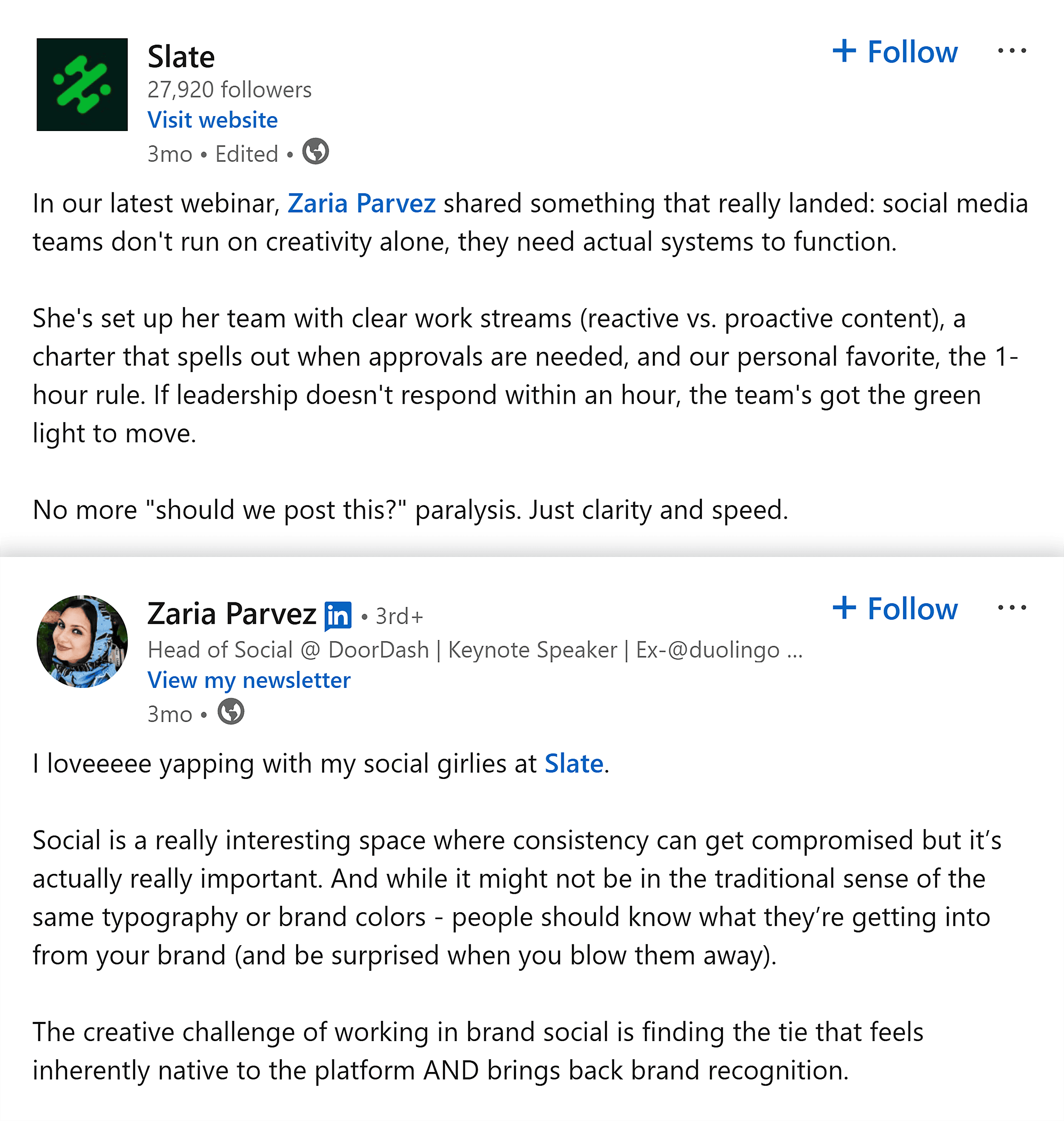
-
Executing Co-Created Campaigns with Complementary Brands
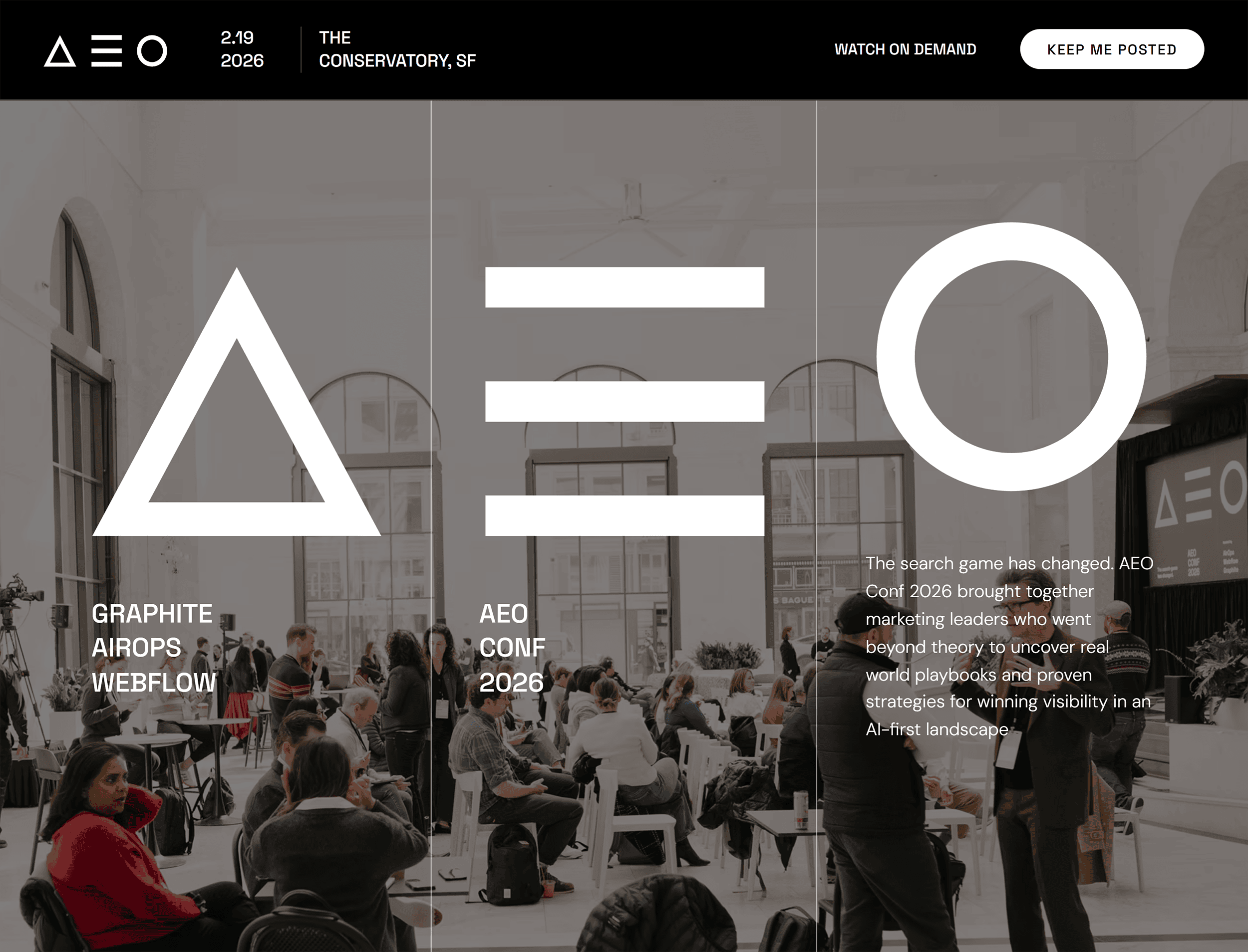
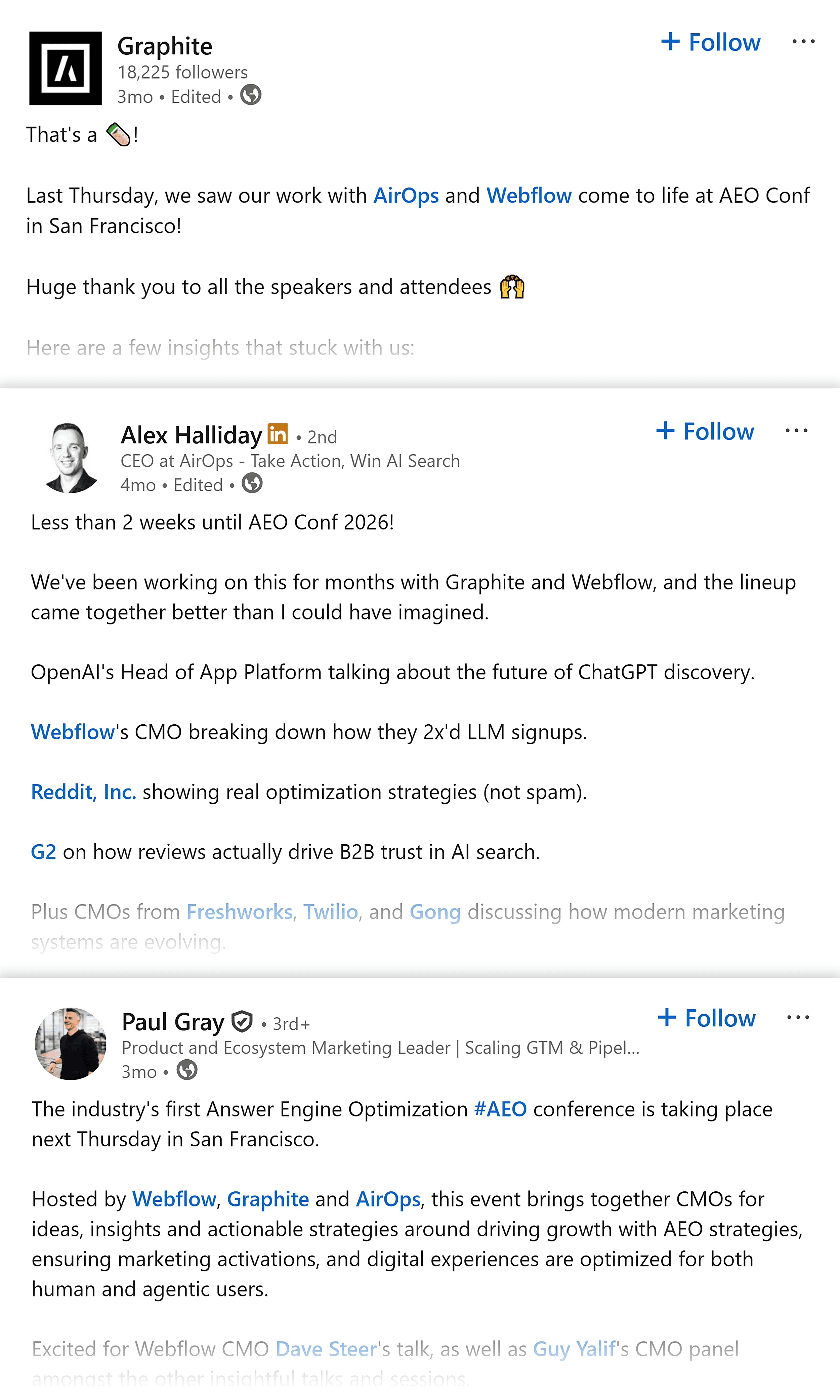
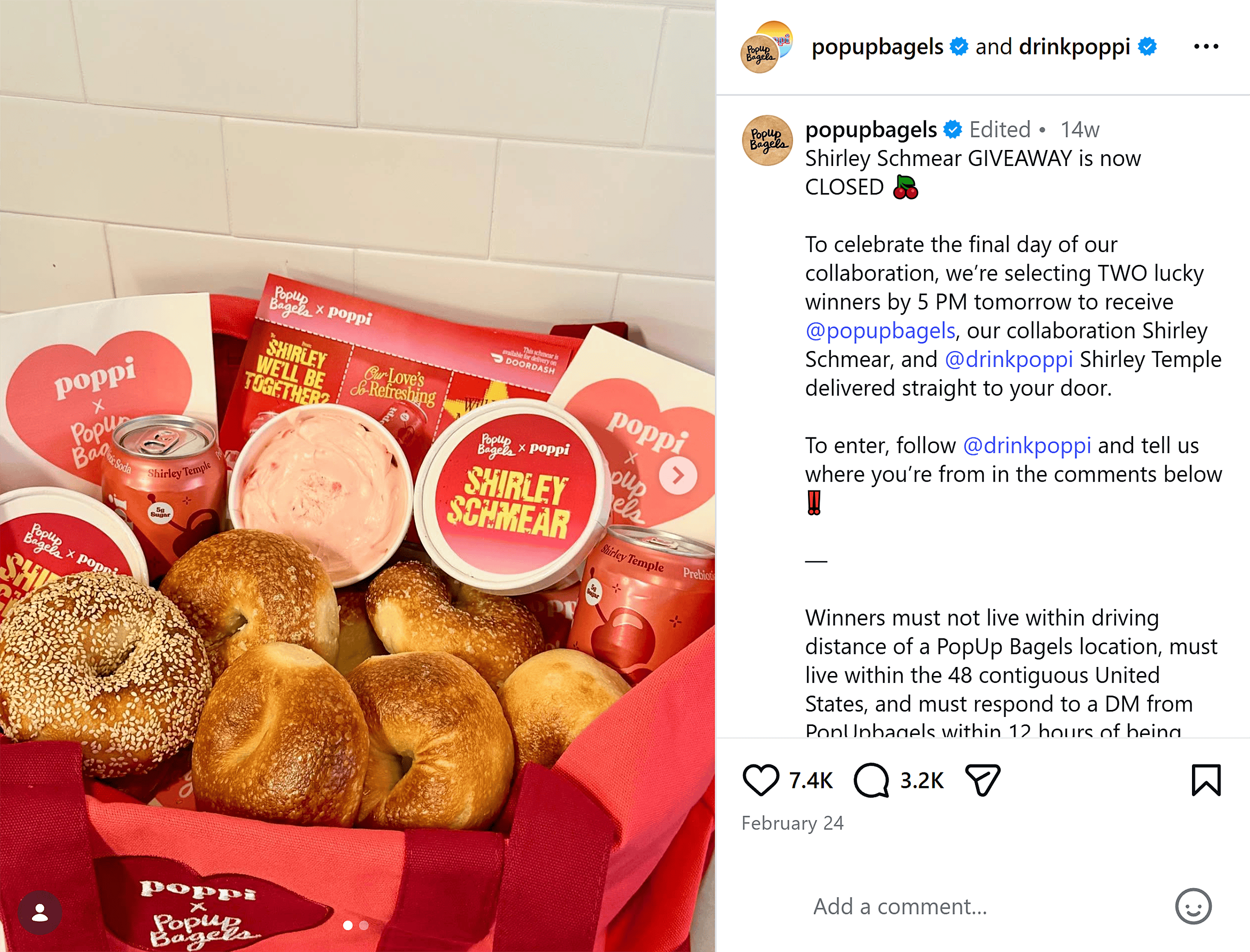
Strategic partnerships between non-competing brands targeting overlapping audiences can exponentially amplify visibility. Joint initiatives, co-hosted digital events, or collaborative product launches ensure that participating brands are consistently mentioned together across multiple media channels. When industry peers, event attendees, and media outlets publish recaps or promotional content, they reference all collaborating entities simultaneously. This consistent co-occurrence trains AI algorithms to associate the brands with shared topical domains.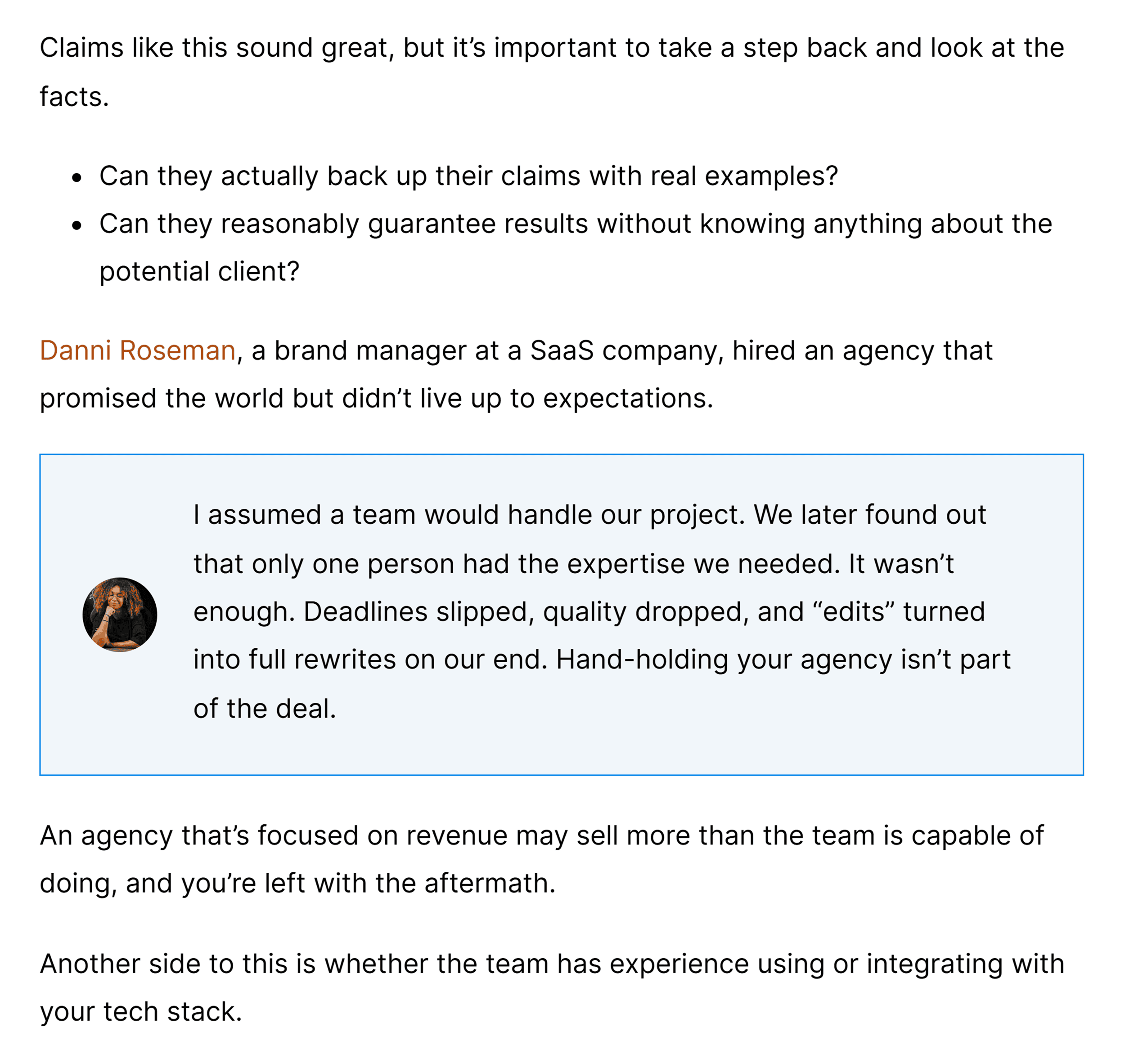
-
Centering Content Around Industry Experts and Authorities
Involving external experts, practitioners, and industry influencers in an organization’s content creation process naturally incentivizes those individuals to share the final output with their extensive personal networks. Formats such as expert roundup guides, collaborative benchmark reports, and specialized interview series place the contributor’s expertise at the center of the narrative. When prominent figures share these assets across professional networks, they generate high-value brand mentions within communities that the hosting organization could not otherwise penetrate easily.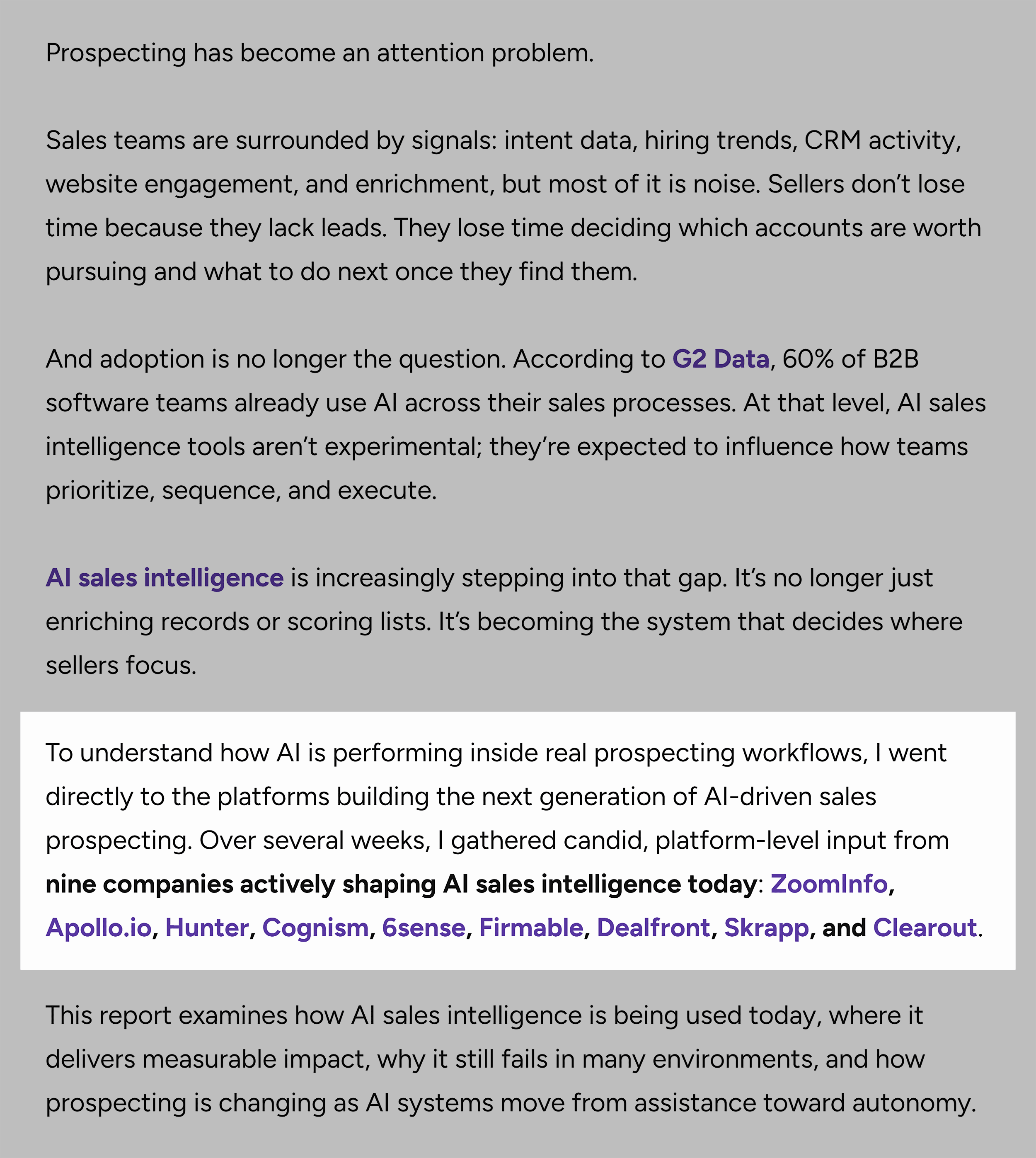
-
Participating in Digital PR and Strategic Media Outreach
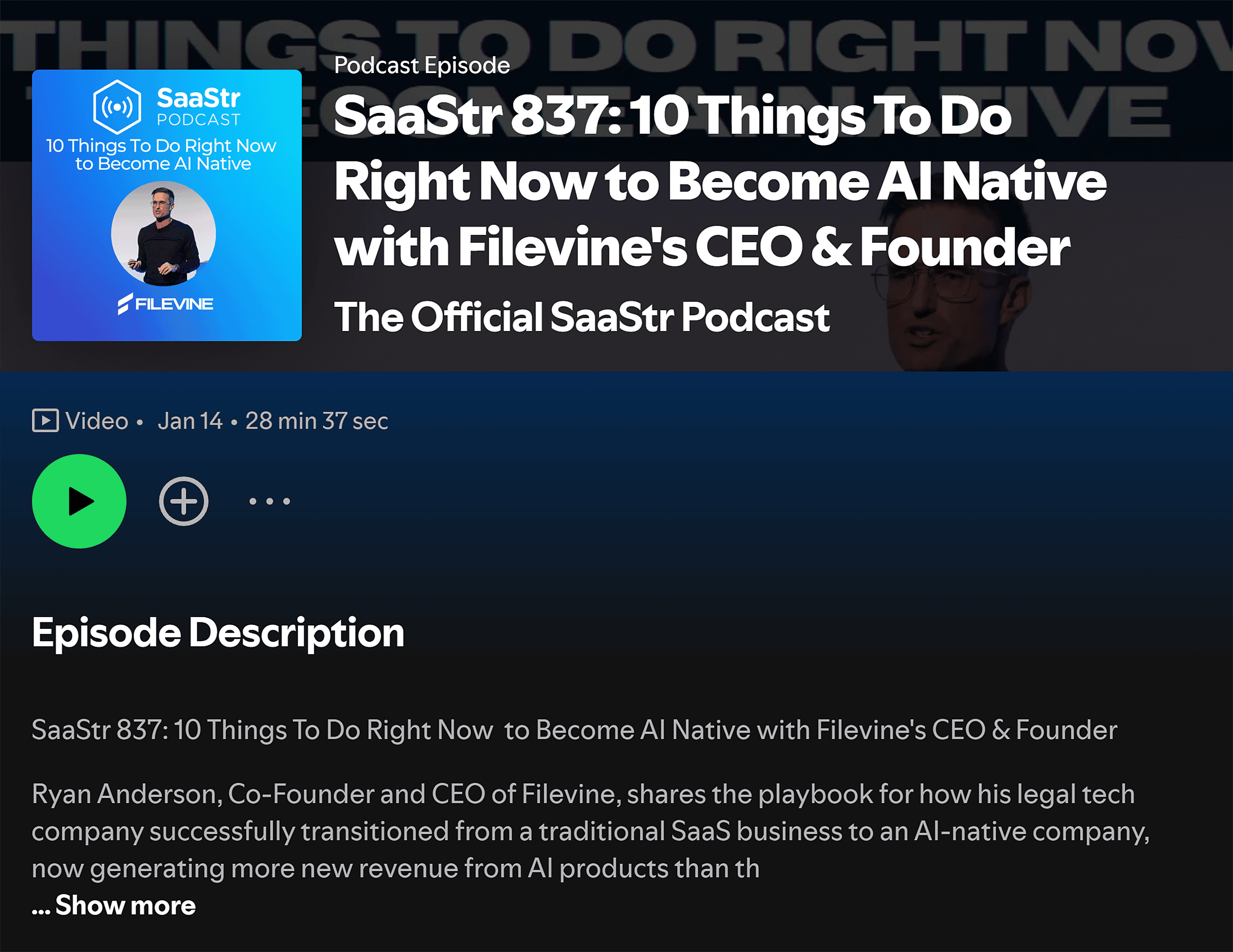
Proactive digital public relations involves contributing genuine subject matter expertise to external platforms, including industry podcasts, guest columns, and expert interview panels. Rather than pushing promotional sales messaging, executives and brand representatives should focus on sharing actionable playbooks, strategic frameworks, and educational insights tailored to the host audience’s specific pain points. Securing these placements across targeted, highly engaged niche media outlets builds robust entity signals that AI tools actively crawl and reference.
Tracking, Measuring, and Reporting Brand Mentions

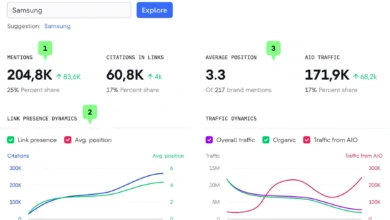
To evaluate the efficacy of a brand mention strategy, organizations must establish a rigorous tracking framework. This involves monitoring mention volume, sentiment shifts, source distribution, and referral pathways across the digital ecosystem.

Marketers typically employ a tiered monitoring approach. Free tools like Google Alerts provide a baseline mechanism for tracking direct brand name citations, though they must be supplemented with weekly manual searches across news aggregators, video platforms, and niche forums to capture unlinked references. For a more comprehensive analysis, advanced social listening platforms and brand monitoring applications track multi-channel conversations across social networks, review sites, and blogs, offering automated sentiment analysis and keyword filtering.
Finally, integrating backlink analytics tools allows digital marketing teams to filter inbound links by branded anchor text, identifying precise instances where external domains have linked directly using the company name. When reporting these metrics to executive leadership, data should be framed around qualitative storytelling rather than raw numerical volume. By highlighting the authority of the citing domains, the contextual sentiment of the references, and measurable spikes corresponding to specific campaigns, organizations can definitively prove the strategic ROI of their brand mention initiatives to key stakeholders.