The Rise of Generative AI in Music is Triggering an Existential Crisis for the Global Recording Industry

The rapid proliferation of generative artificial intelligence has fundamentally altered the landscape of the music industry, creating a technological paradox where the line between genuine artistry and synthetic mimicry has all but vanished. As sophisticated machine learning tools become increasingly accessible to the public, the digital ecosystem—spanning platforms like YouTube, Instagram, and TikTok—has been flooded with high-fidelity tracks featuring the voices of global superstars, often generated without their consent or knowledge. This technological shift, while celebrated by hobbyists as a new frontier of creative expression, is now viewed by major record labels and legal experts as a significant threat to intellectual property rights, artist branding, and the structural integrity of the music economy.
A Chronology of the AI Music Explosion
The current wave of AI-generated music began to gain significant traction in early 2023, moving from niche technical forums into the mainstream spotlight. In February, superstar DJ David Guetta ignited a public debate by showcasing a track during a live performance that utilized an AI-modeled voice of Eminem. Guetta’s use of the technology, which was achieved without the rapper’s authorization, highlighted the ease with which a performer’s likeness could be appropriated.
Shortly thereafter, the French hip-hop duo AllttA released "Savages," a track incorporating an AI-generated vocal performance of Jay-Z. While the track received critical praise for its technical execution, it underscored a growing trend: the commodification of a superstar’s vocal identity for aesthetic effect. The momentum shifted from experimentation to viral disruption in April 2023 with the release of "Heart on My Sleeve," an AI-generated collaboration between Drake and The Weeknd. The track, which spread rapidly across social media, prompted widespread speculation regarding whether it was a genuine leak, a viral marketing maneuver, or an unauthorized demonstration of the technology’s capabilities.
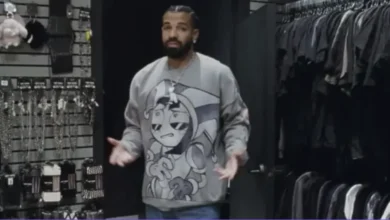
The reaction from the creative community was swift. Drake, whose likeness has been frequently targeted by AI hobbyists, took to social media to voice his disapproval, describing an AI-generated version of him covering Ice Spice’s "Munch (Feelin’ U)" as the "final straw." Despite the vocal opposition from several high-profile artists, others, such as Rihanna, have remained silent as their voices continue to be utilized in AI-generated cover songs spanning multiple genres and catalogs, including tracks by Beyoncé, Katy Perry, and Maroon 5.
The Technology Behind the Trend
The democratization of these tools is largely driven by open-source software such as So-Vits-SVC. The software allows users to train a model on a specific artist’s vocal data—often culled from existing a cappella tracks—and then apply that model to new audio inputs. The process has become so pervasive that the "So-Vits-SVC" hashtag on TikTok has garnered over 2 million views, serving as a hub for tutorials and community-led development.
For users like "YeezyBeaver," a 22-year-old creator, the process is akin to digital modding. By participating in Discord servers dedicated to unreleased artist archives, these creators have developed a library of vocal models that can mimic the cadence, timbre, and inflection of icons like Kanye West with startling accuracy. Another creator, known as "pieawsome," noted that the community often views their work as a form of fan fiction—an inevitable evolution of the way fans interact with their favorite music. However, this perspective overlooks the legal and ethical implications of using private data to create content that mimics an individual’s identity.
Institutional Resistance and Legal Uncertainty
The music industry’s response has been aggressive and institutional. Universal Music Group (UMG), the world’s largest music company, has taken a proactive stance by requesting that streaming platforms like Spotify and Apple Music prevent AI developers from "scraping" their copyrighted content to train generative models. UMG’s position is rooted in the belief that the unauthorized use of their artists’ voices is a violation of both copyright and publicity rights.
The concern is not merely aesthetic but existential. A recent report by an analyst at BNP Paribas Exane labeled AI-generated music a "disruptive threat" to the traditional music business model. This assessment has spurred legal conversations regarding the definition of identity theft in the digital age. Jonathan Bailey, formerly the CTO of Soundwide, suggests that the reanimation of a voice to perform material the artist never recorded constitutes a form of identity theft.
Yet, the legal path forward remains obscured by the novelty of the technology. Donald Passman, a preeminent attorney in the entertainment sector who has represented icons such as Adele and Taylor Swift, has declined to take a definitive stance, noting that the legal landscape is "way too new." Courts have yet to establish precedents regarding the "fair use" of vocal characteristics, leaving creators, labels, and streaming services in a state of regulatory limbo.
The Ethical Dilemma: Likeness and Mortality
The ethical debate intensifies when considering the use of AI to replicate the voices of deceased artists. Projects such as "BohemianRhapsod.ai," which allows users to conduct a choir of AI-generated Freddie Mercury vocals, have sparked intense discussions regarding the post-mortem rights of performers. Critics argue that once a person is no longer alive to grant consent, the use of their likeness becomes a moral issue of legacy and integrity.
Jered Chavez, a 19-year-old creator who produces AI-generated music videos featuring a blend of artists, acknowledges the controversy. He purposefully incorporates comedic elements into his work as a protective buffer, recognizing that he is "putting words in people’s mouths." Despite the potential for backlash, Chavez believes the genie is out of the bottle, suggesting that the technology is now so widely distributed that it cannot be fully suppressed.
Implications for the Future of Music
The intersection of AI and music is currently defined by a clash between the rapid pace of technological innovation and the slow-moving framework of copyright law. Several key implications emerge from this development:
- Copyright Enforcement: Labels are increasingly utilizing automated takedown notices to remove AI-generated content from platforms. While this addresses individual instances of infringement, it does not solve the underlying issue of how models are trained.
- Market Saturation: As the volume of synthetic music grows, the market value of "authentic" human performance may either depreciate due to oversaturation or skyrocket as consumers seek out verified human-made content.
- Creative Collaboration: Some artists may eventually embrace AI as a tool for their own creative process. If labels can successfully monetize AI models of their own artists—essentially licensing their voices for others to use—the current era of "piracy" could transition into a new, regulated revenue stream.
- Identity Rights: The legal definition of a "voice" as a protectable asset is likely to become the central battleground of the next decade. Legislative bodies in the U.S. and Europe are expected to face mounting pressure to modernize statutes to cover the unauthorized use of personal identity in generative media.
As the industry stands at this crossroads, the divide between those who view AI as a liberating creative force and those who view it as a threat to the foundation of musical labor continues to widen. While the hobbyist community remains committed to exploring the boundaries of what is possible, the major players in the music industry are preparing for a protracted legal and technical battle to regain control over the most fundamental aspect of their business: the voice of the artist. For now, the music industry remains in a period of unprecedented transition, waiting to see if legislation can catch up to the speed of the algorithm.