The Rise and Fall of Liberty Biberty: How a Jim Henson-Designed Mascot Sparked Online Backlash and Real-World Protests Against Liberty Mutual

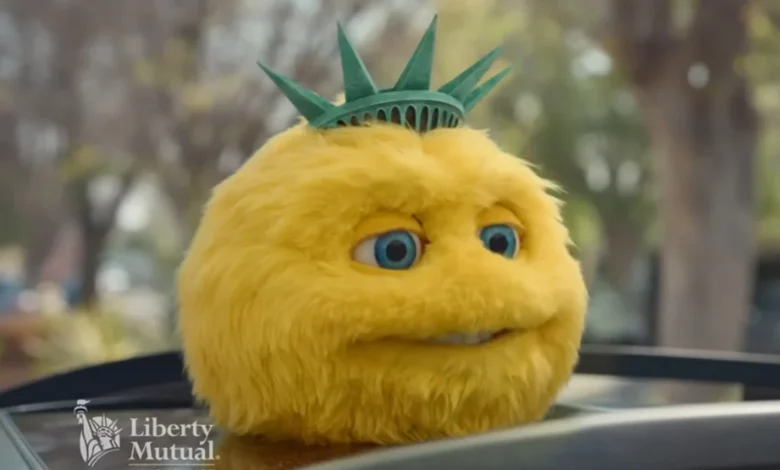
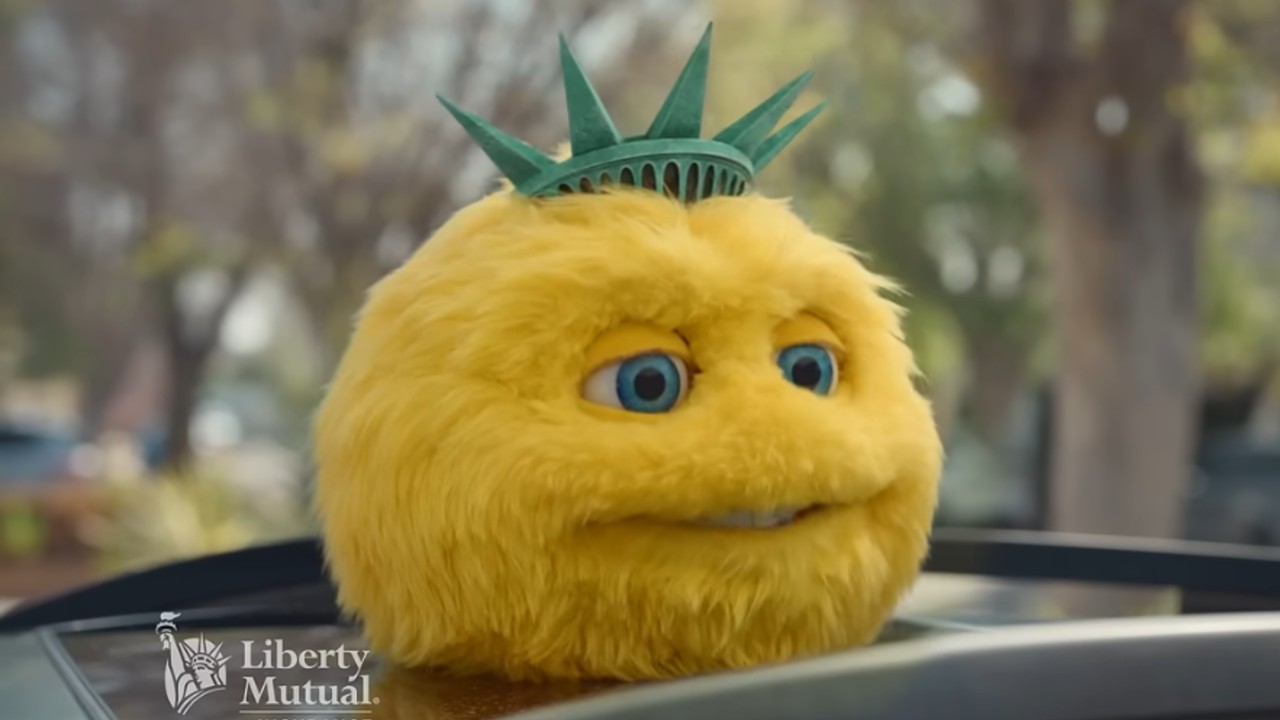
The corporate advertising landscape is no stranger to polarizing mascots, but few have achieved the rapid infamy and visceral public rejection of Liberty Biberty. Introduced in July 2026 by Liberty Mutual, the yellow, fur-covered creature—crafted by the legendary Jim Henson’s Creature Shop and featuring a crown reminiscent of the Statue of Liberty—was designed to be a memorable brand ambassador. Instead, Liberty Biberty became a digital lightning rod, inspiring millions of critical views, viral social media ridicule, and, ultimately, an unprecedented real-world protest outside the insurance corporation’s headquarters in Boston, Massachusetts.
The controversy surrounding Liberty Biberty highlights a shifting dynamic in modern corporate marketing, where high-budget campaigns risk immediate, hyper-coordinated online backlash that can quickly transcend the digital sphere. As brands increasingly lean into eccentric, meme-ready characters to capture Gen Z and millennial audiences, the case of Liberty Biberty serves as a cautionary tale of corporate miscalculation in the age of viral culture.
Main Facts and Introduction of the Mascot
Liberty Biberty made its official debut on July 20, 2026, anchoring a multi-platform advertising blitz for Liberty Mutual. The character—a vibrant yellow ball of fur equipped with an expressive face and a Statue of Liberty-style crown—was conceptually rooted in corporate lore. According to company background, the name is a nod to a popular 2019 commercial in which an on-camera actor humorously fumbled and mispronounced the insurance provider’s name, a gaffe that had previously achieved minor viral status.
To bring the physical character to life, Liberty Mutual commissioned Jim Henson’s Creature Shop, an organization globally renowned for its pioneering work on The Muppets and tactile, practical creature effects. Despite the high pedigree of its design team, the public reception was overwhelmingly hostile from day one.
The flagship commercial, uploaded to YouTube on the day of the launch, quickly accumulated staggering view counts—surpassing 77 million views within three months. However, the metrics of engagement skewed heavily negative. The comments section of the official YouTube upload became a repository of swift public mockery. One of the top-rated user remarks captured the prevailing sentiment of corporate desperation, stating: "’You have 10 seconds to come up with a new mascot for our company or you’re fired!’ ahh character."
Simultaneously, Liberty Mutual deployed a companion introductory video on TikTok, which managed to secure approximately 245,000 views in the same three-month window. Rather than endearing the company to younger demographics, the rollout was widely perceived as out-of-touch, leading to an immediate wave of internet satire.
Chronology of a Viral Backlash
The trajectory from minor commercial annoyance to a full-scale cultural phenomenon unfolded across a compressed, highly volatile timeline defined by internet meme culture.
Within ten days of the debut, the platform formerly known as Twitter (X) became a primary staging ground for anti-mascot sentiment. On July 30, 2026, user @DrakeGatsby published a post featuring an image of the character paired with an aggressive critique: "Liberty Mutual really thought they did something with this Liberty Bibberty s—. I’ll run that little freak over with my car." The post resonated deeply with weary consumers, garnering over 27,000 likes in three months and signaling that the mascot had crossed into territory ripe for absurd, hyperbolic internet humor.
As the summer progressed, the backlash evolved from simple expression of annoyance into complex, surreal meme formats. On September 27, X user @BarryOnHere posted a GIF depicting characters Pauly and Christopher from the HBO crime drama The Sopranos aggressively firing weapons into the ground. The post, captioned simply "Liberty Biberty," struck a chord with pop culture enthusiasts, pulling in over 127,000 likes in under a month and cementing the mascot as an ironic symbol of digital irritation.
The breaking point between online mockery and physical activism occurred in early October. On October 9, prominent YouTuber DimesAreTasty released a video formally announcing plans for a real-world protest against Liberty Biberty, scheduled for late October. The announcement video went viral, capturing over 600,000 views in three weeks and galvanizing a dispersed online community into physical action.
On October 25, 2026, the movement materialized outside Liberty Mutual’s corporate headquarters in Boston, Massachusetts. A turnout of demonstrators gathered at the site, turning the internet joke into tangible public theater. Protesters brought satirical signage, including one notable placard documented by X user @500crabs that featured the mascot juxtaposed with niche internet imagery. The post detailing the event received over 20,000 likes in five days, accompanied by the ironic rally cry, "MAY BIBERTY HAVE NO MERCY."
The momentum continued even after the protest concluded. On October 29, TikTok creator @isaaclele3 published a satirical video pretending to discover a classified internal document regarding Liberty Biberty hidden deep within the Liberty Mutual website. The skit quickly accumulated over 335,000 views in a single day, proving that public fascination with the corporate misstep showed no signs of slowing down.
Supporting Data and Public Engagement Metrics
The scale of the Liberty Biberty phenomenon can be quantified through the lens of digital analytics and audience reach. While traditional advertising metrics prioritize raw impressions and view counts—such as the flagship YouTube spot crossing 77 million views—qualitative data paints a distinctly different picture of brand health.
- High View-to-Sentiment Discrepancy: While the introduction video achieved massive top-of-funnel reach, the ratio of positive engagement to critical commentary was heavily skewed. Industry observers noted that algorithmic promotion of the heavy-spend campaign inadvertently fed the meme cycle, driving users to mock the content further.
- Cross-Platform Velocity: The backlash demonstrated simultaneous multi-platform traction, jumping from YouTube’s comment sections to viral X posts (with individual tweets exceeding 27,000 to 127,000 likes) and translating into hundreds of thousands of views on TikTok formats.
- Physical Conversion Rate: The transition from digital grievance to an on-the-ground protest at a major corporate headquarters is a rare escalation in modern advertising history, highlighting the potential volatility of leveraging shock-value or eccentric character designs in contemporary brand strategies.
Broader Impact and Implications for Corporate Marketing
The swift rejection of Liberty Biberty offers valuable insights into the current psychology of consumer-brand relationships. In an era where audiences are routinely inundated with hyper-optimized, algorithm-driven content, corporate attempts to manufacture viral moments often trigger skepticism rather than affection.
Historically, successful corporate mascots—from the Geico Gecko to the Pillsbury Doughboy—gained affection through gradual integration, charm, or nostalgic longevity. In contrast, the deployment of a high-concept, Jim Henson-designed creature carrying an awkward, meme-derived name felt to many consumers like a transparent corporate bid for internet relevance. Rather than laughing with the brand, the public laughed at the brand, weaponizing the character’s unconventional appearance against its creators.
Furthermore, the Boston headquarters protest marks a fascinating evolution in internet subculture. What began as low-stakes digital shitposting successfully bridged the gap between virtual communities and physical reality, demonstrating that modern meme culture possesses the organizational capacity to manifest real-world demonstrations, however tongue-in-cheek their underlying motivations may be.
As Liberty Mutual navigates the aftermath of the campaign, the saga of Liberty Biberty will undoubtedly be studied by marketing professionals and public relations firms alike. It stands as a stark reminder that while cutting through the noise is the ultimate goal of modern advertising, generating the wrong kind of noise can transform a multi-million-dollar marketing campaign into a public relations liability.