The Ultimate Post-Black Friday Apple Deals: Massive Discounts on iPads, MacBooks, and Accessories as Cyber Monday Approaches


The retail landscape is currently navigating the high-stakes transitional window between Black Friday and Cyber Monday, a period traditionally defined by prolonged promotional momentum and aggressive inventory clearing by major electronics distributors. As consumers pivot from the initial Friday shopping frenzy toward online-exclusive Cyber Monday offers, the market for Apple ecosystem hardware has experienced unprecedented price cuts. Major online retailers, led by Amazon and specialized tech vendors, have introduced substantial discounts spanning nearly every current generation of Apple mobile computing and audio hardware. This includes historic price drops on newly released devices, such as the 11-inch iPad Air (M4), the newly minted iPad mini, high-end MacBook Pro configurations featuring PROLED XDR displays, and essential peripheral hardware like the Apple Pencil and AirPods lineups.

The convergence of late-November promotional events has fundamentally shifted how creative professionals, students, and casual tech consumers evaluate hardware investments. Historically, the demarcation line between purchasing a tablet or a laptop was straightforward, dictated primarily by steep price differentials. However, the introduction of entry-level mobile silicon and ultra-budget laptop alternatives has complicated purchasing decisions across the global consumer electronics market. Industry analysts and retail data indicate that consumer demand remains exceptionally resilient, driven largely by targeted price adjustments on high-performance portables designed to capture both the professional creative sector and the mass consumer market.
Comprehensive Chronology and Evolution of the November Retail Window
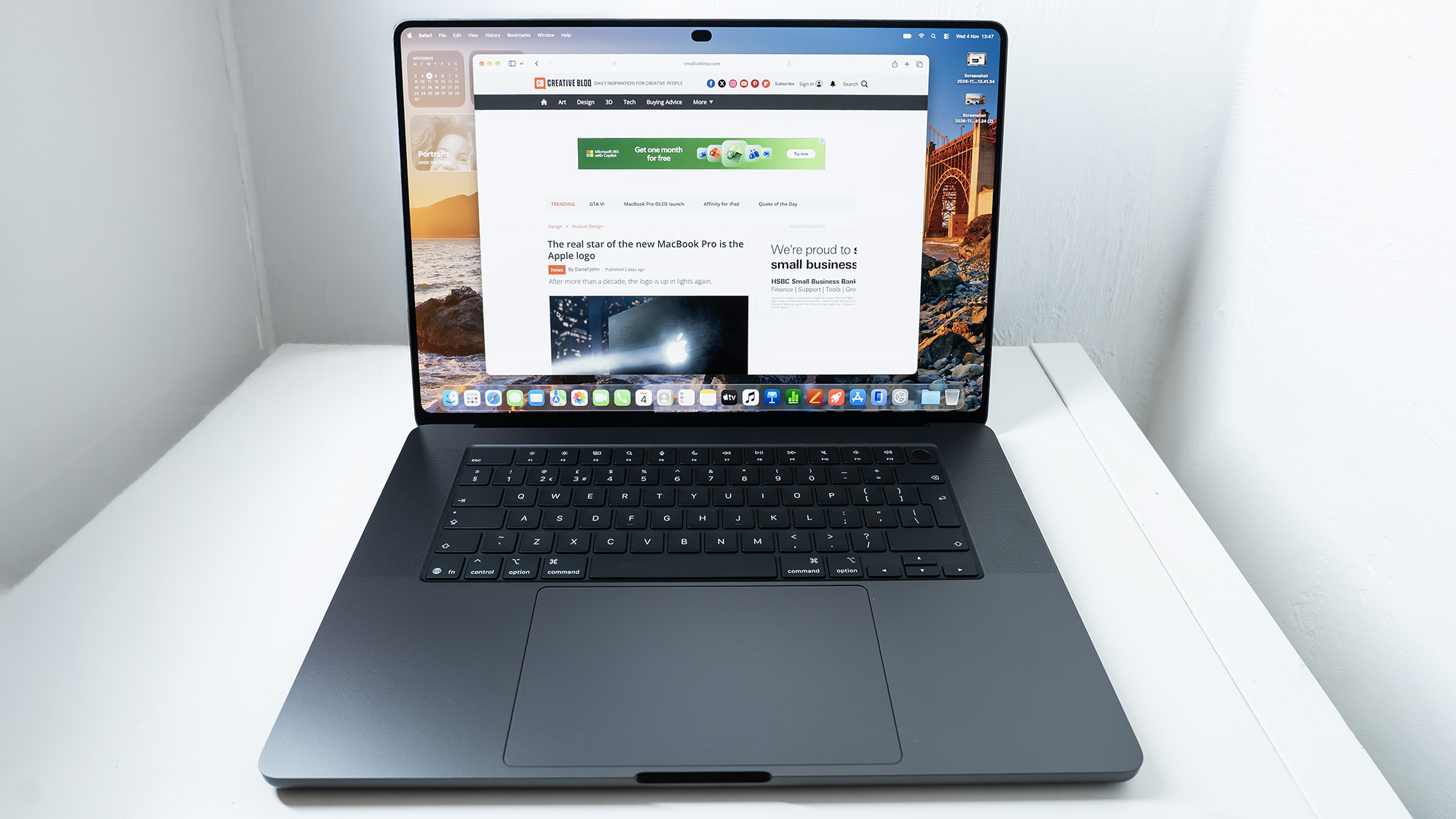
The promotional timeline for the 2026 holiday shopping season deviated from traditional retail patterns by introducing brand-new product iterations mere weeks before the Black Friday and Cyber Monday events. Apple’s release cadence earlier in the fourth quarter introduced several high-profile devices, including the M4-powered 11-inch iPad Air, the latest iteration of the compact iPad mini, and revolutionary touchscreen MacBook Pro models equipped with PROLED XDR panels.
Throughout the early weeks of November, consumer electronics markets braced for standard holiday discounts. However, the immediate inclusion of newly launched hardware in post-Black Friday markdowns signaled a strategic shift among major distribution channels. By Friday, November 28, 2026, retail tracking confirmed that aggressive promotional pricing had permeated not just older inventory, but flagship devices released earlier that very month. As the market transitions into Cyber Monday, pricing stability across prime digital marketplaces suggests that retailers are utilizing these final days of the promotional cycle to maximize volume before the end-of-year inventory audits.

Detailed Breakdown of Hardware Markdowns and Supporting Data
The current marketplace features notable price adjustments across multiple product tiers, offering quantifiable savings for both professional and consumer demographics.

In the tablet sector, the standout hardware discount centers on the Apple iPad Air 11-inch (M4, 2026). Originally retailing at $749 for introductory configurations, Amazon reduced the price to $649, representing a direct $100 saving. Higher-tier storage configurations of the same M4 model saw parallel reductions, dropping from an initial MSRP of $849 down to $749. This aggressive pricing strategy positions the mid-tier Air as a compelling alternative for users who require processing performance comparable to professional workstations without the financial commitment of the flagship iPad Pro.
Concurrently, the newly released iPad mini has experienced immediate downward price pressure. Following its introduction to the market earlier in November, online distributors have applied a $100 discount, bringing the compact device down to $499. Industry reviews have consistently praised the form factor’s portability and processing capacity, though consumer adoption remains closely tied to specific workflow requirements given the physical constraints of a smaller display estate.

For budget-conscious consumers seeking a traditional tablet experience, the standard 11th-generation iPad (featuring the A16 chip) has seen regional price adjustments. In the United Kingdom, Amazon reduced the base model from £429 to £399, providing an accessible entry point for media consumption, digital note-taking, and general productivity tasks.
In the professional computing space, discounts have extended to Apple’s newly launched MacBook Pro 16-inch configurations featuring M5 Pro processors and PROLED XDR touchscreen displays. Released earlier in the month, these advanced laptops have already begun appearing with promotional incentives on major retail platforms. Additionally, the budget-oriented MacBook Neo has seen direct price reductions of $50, forcing a re-evaluation of how consumers choose between traditional clamshell laptops and high-performance tablet setups.
Peripherals and Audio Ecosystem Reductions
Beyond primary computing devices, seasonal price cuts have heavily impacted Apple’s ecosystem accessories, specifically styluses and audio hardware.

The Apple Pencil lineup features tiered discounts reflecting generational capabilities. The Apple Pencil 2, widely utilized for precision digital art and vector illustration on compatible iPads, has been discounted at Amazon US from its standard $129 retail price down to $89, marking a substantial $40 saving that approaches historical low pricing benchmarks. Meanwhile, the budget-focused Apple Pencil (USB-C) has seen a 25% price cut in the UK market, dropping from £79 to £59. While omitting premium features such as magnetic wireless charging, the USB-C variant maintains unique cross-device compatibility advantages within Apple’s broader hardware ecosystem.
Audio accessories have also undergone significant discounting. The AirPods Pro 3 have received a prominent 40% discount at major US retailers, positioning the active noise-canceling earbuds as an essential accessory for mobile professionals operating in high-noise environments such as urban commutes or shared workspaces. Conversely, market analysts note that despite a 24% price reduction on the over-ear AirPods Max, consumer response remains lukewarm due to persistent criticisms regarding ergonomic weight, premium pricing structures, and legacy design limitations.

Comparative Analysis of Creative Workflows and Hardware Selection
The simultaneous discounting of tablets, laptops, and specialized peripherals requires consumers to carefully align hardware specifications with practical application requirements. Industry experts and hardware reviewers emphasize that purchasing decisions should be dictated by specific functional demands rather than the sheer magnitude of a retail discount.

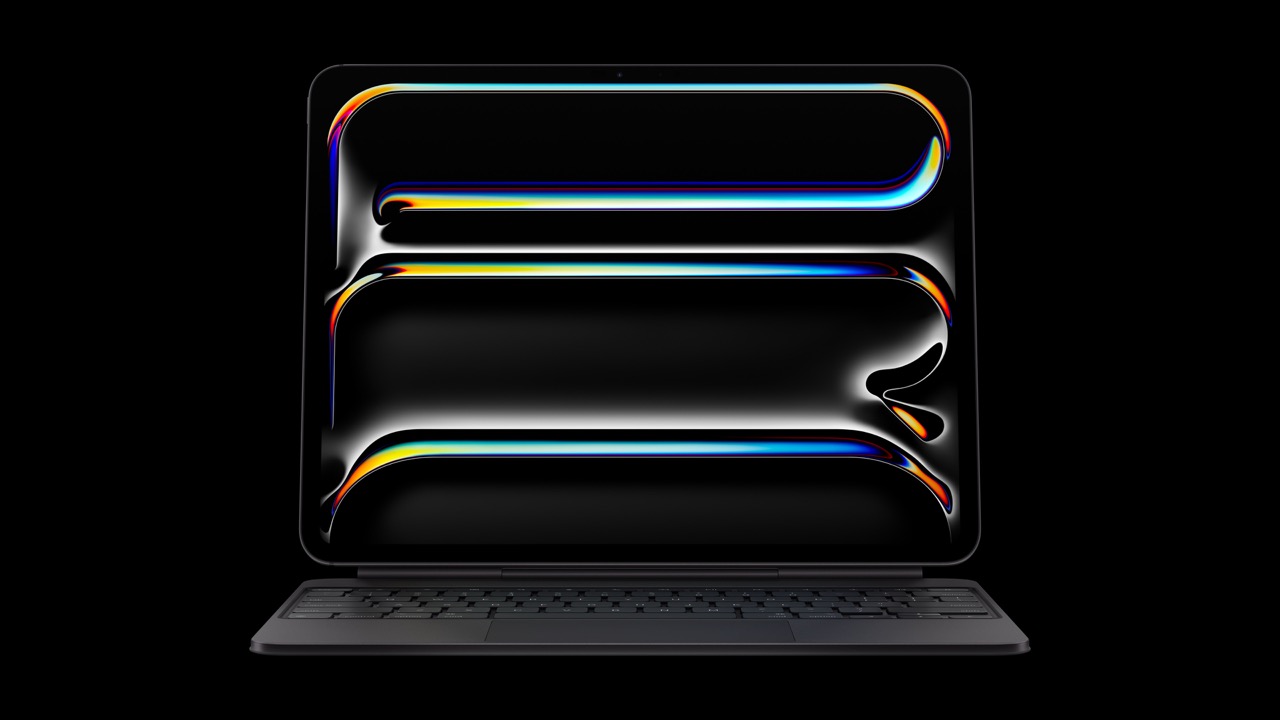
The iPad Pro, anchored by its Tandem OLED Ultra Retina XDR display and M5 silicon, remains the premier luxury choice for demanding digital artists, 3D modelers, and professional video editors. However, real-world usability studies indicate that standard administrative tasks, word processing, and casual media consumption fail to utilize the processing threshold of the Pro series, making the standard iPad or iPad Air more rational financial investments for the majority of users.
For digital illustrators, the debate between utilizing an iPad and dedicated drawing tablets—such as offerings from XPPen or Wacom—revolves around software independence versus tactile precision. While iPads offer self-contained operating systems and mobility, alternative drawing displays frequently feature specialized surface textures that more accurately replicate traditional paper friction, alongside styluses that do not require internal battery charging.

Broader Economic Implications and Industry Outlook
The aggressive pricing strategies observed during the Black Friday-to-Cyber Monday window reflect broader macroeconomic pressures on consumer electronics retailers. High inventory levels of premium technology hardware, combined with rapid product iteration cycles by manufacturers like Apple, have necessitated accelerated promotional timelines.

Market analysts suggest that while deep discounts stimulate short-term sales velocity, they also alter consumer expectations regarding the longevity and residual value of premium electronics. As modular computing blurs the line between traditional laptops—exemplified by Apple’s recent integration of touchscreen technology into the MacBook Pro line—and high-end tablets, pricing structures must adapt to maintain market share across diverse demographic segments.
As the Cyber Monday promotional window concludes, consumer electronics supply chains are projected to stabilize. However, the data gathered from this retail cycle will likely inform manufacturer pricing models and discounting strategies for subsequent seasonal events throughout the fiscal year.