CanJam London Highlights the Evolution of Personal Audio Technology and the Subjective Nature of High-Fidelity Sound


The global personal audio industry gathered in London recently for CanJam, the world’s premier trade show dedicated to headphones and in-ear monitors (IEMs). Produced by Head-Fi.org, the event serves as a critical barometer for the state of high-fidelity audio, showcasing a spectrum of products ranging from entry-level "budget bangers" to ultra-luxury flagship systems exceeding $5,000. This year’s exhibition was marked by a shift in focus from pure technical specifications toward the complex science of human hearing and the practicalities of ergonomic design.
As the personal audio market continues to expand—projected by some analysts to reach a valuation of over $100 billion by the end of the decade—CanJam London provided a platform for both established manufacturers and boutique engineers to address the growing demand for personalized listening experiences. The event underscored several disruptive realizations that are currently reshaping the discourse among audiophiles, professional reviewers, and hardware designers.
The Subjectivity of Acoustic Perception
A central theme of the weekend was the acknowledgment that acoustic "truth" is inherently subjective due to biological and mechanical variables. A prominent seminar titled "Why Can’t We Just Agree What a Headphone Sounds Like?" featured industry experts Griffin Silver (known as "Listener") and Cameron Oatley (GoldenSound) from Headphones.com. The presentation addressed the fundamental challenges in standardized audio reviewing and product development.
The seminar highlighted that individual human anatomy—specifically the shape of the pinna (outer ear) and the dimensions of the ear canal—drastically alters how sound waves are perceived. This phenomenon, known as the Head-Related Transfer Function (HRTF), means that two individuals listening to the same pair of headphones may experience significantly different frequency responses.
Furthermore, mechanical factors such as clamping pressure, the material of the ear pads, and the quality of the seal against the head can cause physical variations in the sound produced. Silver and Oatley argued that while frequency response graphs are essential tools for measurement, they are often insufficient in describing the nuance of a sound profile for every user. This realization has empowered a more inclusive hobbyist culture, where individual preference is increasingly recognized as being as valid as objective measurement.
The Ergonomic Levelling Factor
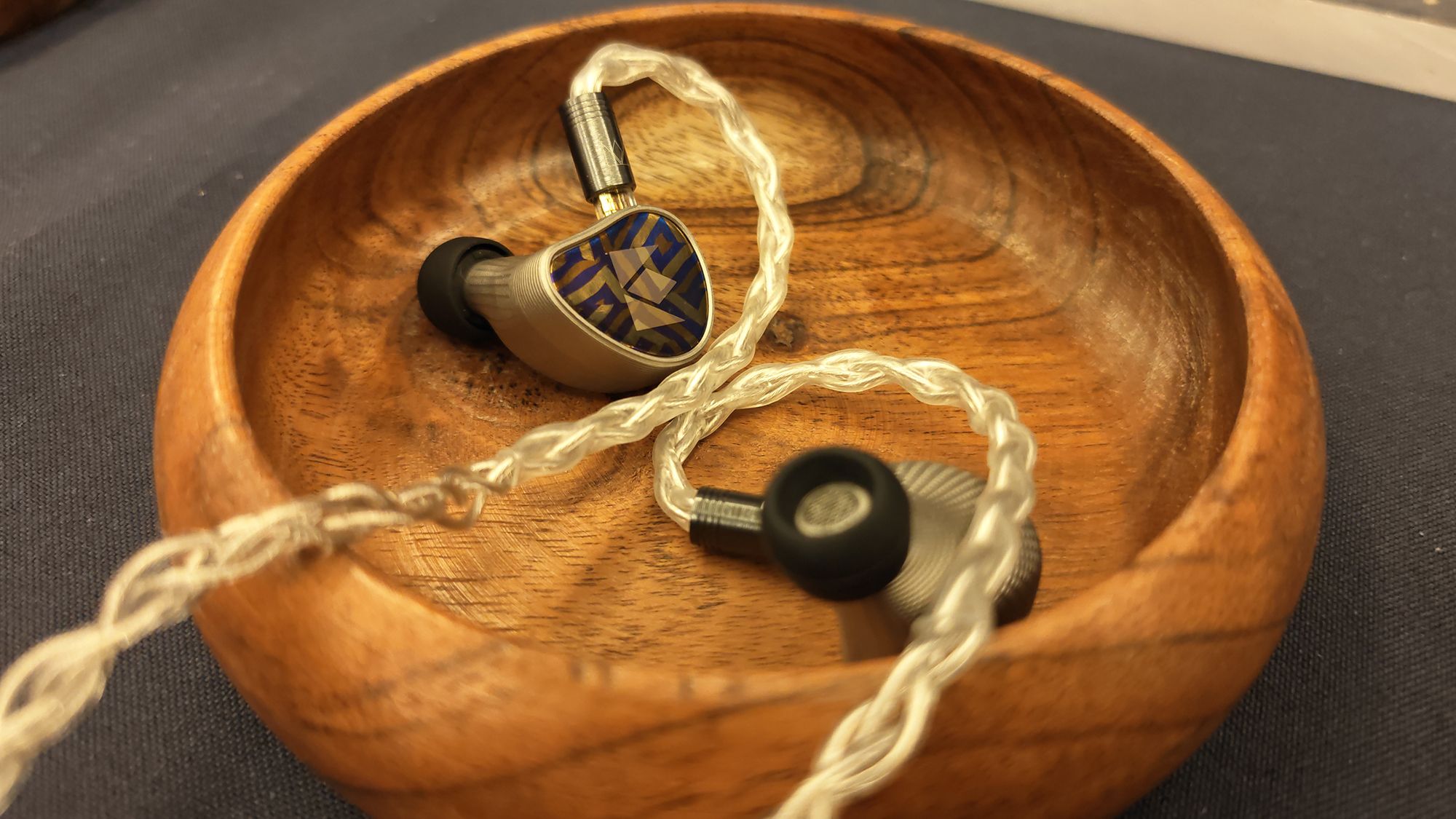
The event also highlighted a growing tension between high-end technical performance and wearable comfort. A significant point of discussion involved the Subtonic Storm, a flagship IEM priced at approximately $5,200. Despite being hailed by some critics as the most technically proficient IEM in existence, the device faced scrutiny regarding its physical design.
The Subtonic Storm utilizes an unvented, "chunky" chassis. In practice, this can lead to significant pneumatic pressure build-up within the ear canal, causing physical discomfort for certain users. For many attendees, this served as a reminder that technical excellence is secondary to ergonomics; a $100 earphone with superior comfort, such as the Final E4000, can provide a more enjoyable long-term listening experience than a $5,000 flagship that causes physical fatigue within minutes.
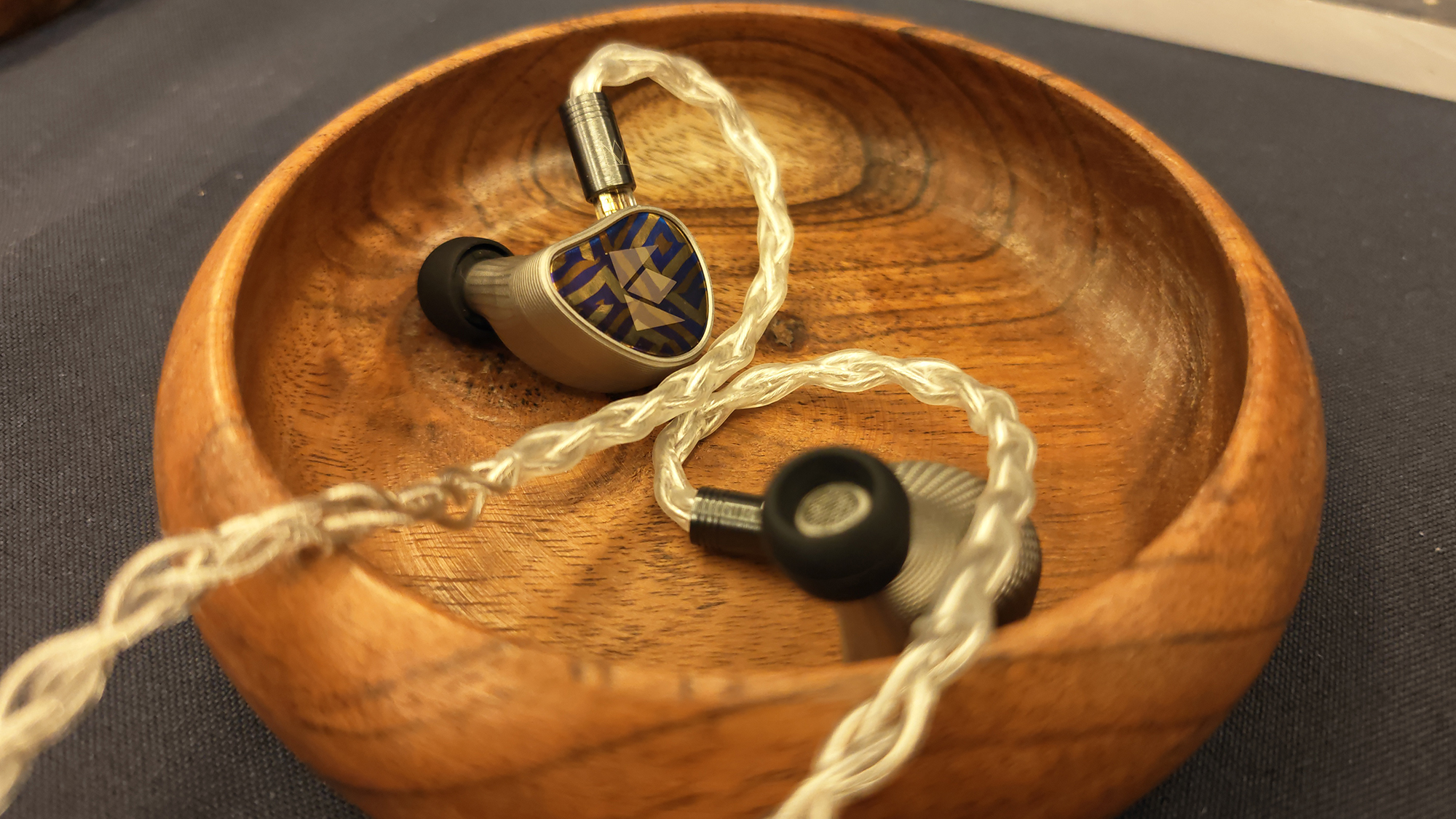
This trend suggests a maturing market where consumers are beginning to weigh "lifestyle" factors—such as weight distribution, cable microphonics, and pressure relief—as heavily as driver count or frequency extension.
The Movement Toward Objective Neutrality
While "colored" sound signatures (those with boosted bass or emphasized treble) remain popular for casual listening, CanJam London revealed a distinct industry movement toward genuine neutrality. This "reference" tuning aims to reproduce audio exactly as it was recorded, without artificial enhancements.
Several recent releases have championed this approach:
- The CrinEar Reference IEM: A collaboration focused on a strictly neutral target.
- The HEDD D1: A full-sized headphone utilizing Air Motion Transformer (AMT) technology to achieve a flat response.
- The Status Pro X GoldenSound Edition: A wireless earphone that has gained significant attention for its scientific approach to tuning.
The Status Pro X GoldenSound Edition, which debuted shortly before the show, represents a landmark in collaborative engineering. To develop its sound profile, Cameron Oatley and his team collaborated with Imperial College London to measure individual HRTFs. They compared these measurements against the Brüel & Kjær (B&K) 5128, the industry’s most advanced "Head and Torso Simulator" (HATS).

By deriving a neutral target specific to the 5128 simulator, the team was able to EQ the Pro X to match a baseline that accounts for human physiological averages. The result is a $280 wireless device that offers a level of tonal accuracy previously reserved for high-end wired studio monitors. This democratization of "true neutral" sound suggests that advanced digital signal processing (DSP) in wireless products is beginning to close the gap with traditional analog audiophile gear.
High-End Market Dynamics and Boutique Innovation
Despite the push for affordability and neutrality, the luxury segment of the market remains robust. Manufacturers like Noble Audio continues to push the boundaries of driver integration. At the Noble stall, attendees tested the new $325 Vanguard and the $699 Iris, leading up to the flagship Noble Kronos.
Priced at $4,500, the Kronos features a complex array of nine drivers per side. Unlike the clinical neutrality of the Status Pro X, the Kronos is designed for a "wonky and wonderful" experience, offering a warm lower-frequency response and high-resolution midrange detail. The success of such products indicates that there is still a significant audience willing to pay a premium for unique, artisan sound signatures that offer a "discovery" experience—finding new details in familiar tracks through specific harmonic colorations.
Chronology of the Event and Industry Response
The two-day event followed a structured timeline designed to bridge the gap between manufacturers and consumers:

- Friday/Saturday Morning: Exclusive press previews and "silent" listening sessions where brand representatives from companies like FiiO, Sennheiser, and Meze Audio engaged with professional tuners.
- Saturday Afternoon: Educational seminars. The Headphones.com talk on acoustic subjectivity was the most attended session, reflecting a shift in consumer interest toward the science of audio.
- Sunday: Public floor access, featuring "head-to-head" comparisons where attendees could bring their own source equipment (Digital Audio Players or DACs) to test against flagship amplifiers.
Industry reactions to the show have been largely positive, with manufacturers noting a "more informed" consumer base. Representatives from several brands commented that attendees are no longer just asking about "how much bass" a headphone has, but are inquiring about "transient response," "soundstage depth," and "impedance matching."
Broader Implications for the Audio Industry
The takeaways from CanJam London suggest that the personal audio industry is entering a "post-spec war" era. For years, the market was driven by increasing driver counts (e.g., 12 or 16 drivers per ear) and wider frequency ranges (e.g., 5Hz to 50kHz). However, the current trajectory emphasizes three distinct pillars:
- Personalization through DSP: As seen with the Status Pro X, the future likely lies in software that can adjust a headphone’s output based on a user’s specific ear shape or hearing health.
- Accessibility: The high performance of budget-friendly models like the FiiO FT1 or the Final E4000 indicates that the "diminishing returns" curve is hitting earlier than ever. Consumers can now achieve 90% of flagship performance for 10% of the price.
- Ergonomic Innovation: Manufacturers are being forced to innovate in materials science to make large, multi-driver units more wearable. The use of magnesium alloys, carbon fiber, and vented acoustic chambers is becoming standard to prevent the "pressure build-up" issues seen in older flagship designs.
In conclusion, CanJam London served as a vital reminder that while the technology behind personal audio is becoming increasingly sophisticated and objective, the act of listening remains a deeply personal and physiological experience. The industry’s challenge moving forward will be to balance the pursuit of "perfect" measurements with the diverse reality of human hearing and the practical needs of the everyday listener. For the audiophile community, the message is clear: the best-sounding equipment is not necessarily the most expensive, but rather the one that aligns most harmoniously with the listener’s unique anatomy and tonal preferences.