Adobe MAX 2026 Convenes Amid Industry-Wide Anxiety and Optimism Over Rapid Artificial Intelligence Integration

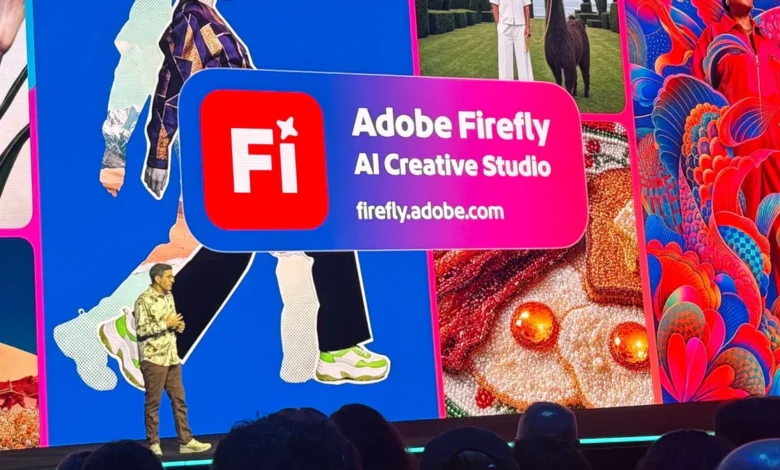
Adobe MAX 2026 opened its doors to thousands of design professionals, software developers, and industry leaders this week, immediately thrusting the ongoing friction between traditional artistic craftsmanship and generative artificial intelligence into the spotlight. As the flagship annual conference for one of the world’s most dominant creative software ecosystems, this year’s gathering was widely anticipated as a critical litmus test for how deeply and aggressively the tech giant plans to embed AI into the daily workflows of millions of creators.
Entering the conference halls, the sentiment among attendees was a mixture of anticipation and profound unease. For years, the rapid evolution of generative AI tools—epitomized by Adobe’s proprietary Firefly model—has sparked intense debate across the digital arts community. Critics and traditionalists have consistently voiced concerns over copyright ethics, the devaluing of human labor, and the existential threat of automation replacing human ingenuity. However, the opening keynotes and executive addresses delivered during the first 48 hours of the event revealed a calculated effort by Adobe leadership to address these anxieties head-on, pivoting from a purely technical exhibition to a pragmatic discussion on survival, adaptation, and professional empowerment.
Background Context: The Evolution of Firefly and Creative Workflows
To understand the weight of the announcements at Adobe MAX 2026, one must examine the trajectory of the company’s software suite over the preceding half-decade. What began as experimental plugin features and isolated text-to-image generators has systematically matured into a unified, cross-platform infrastructure. Firefly, once introduced as a safe, commercially viable alternative trained primarily on licensed stock imagery and public domain content, has steadily evolved from a supplementary tool into a fully realized creative studio ecosystem.
This transformation has coincided with a seismic shift in market demands. Modern graphic designers, illustrators, and video editors are no longer evaluated solely on their mastery of a single medium. Industry data highlights that contemporary creative professionals are increasingly expected to function as multidisciplinary agencies of one—handling web design, motion graphics, video production, and social media asset generation simultaneously under tightening deadlines and compressed budgets.
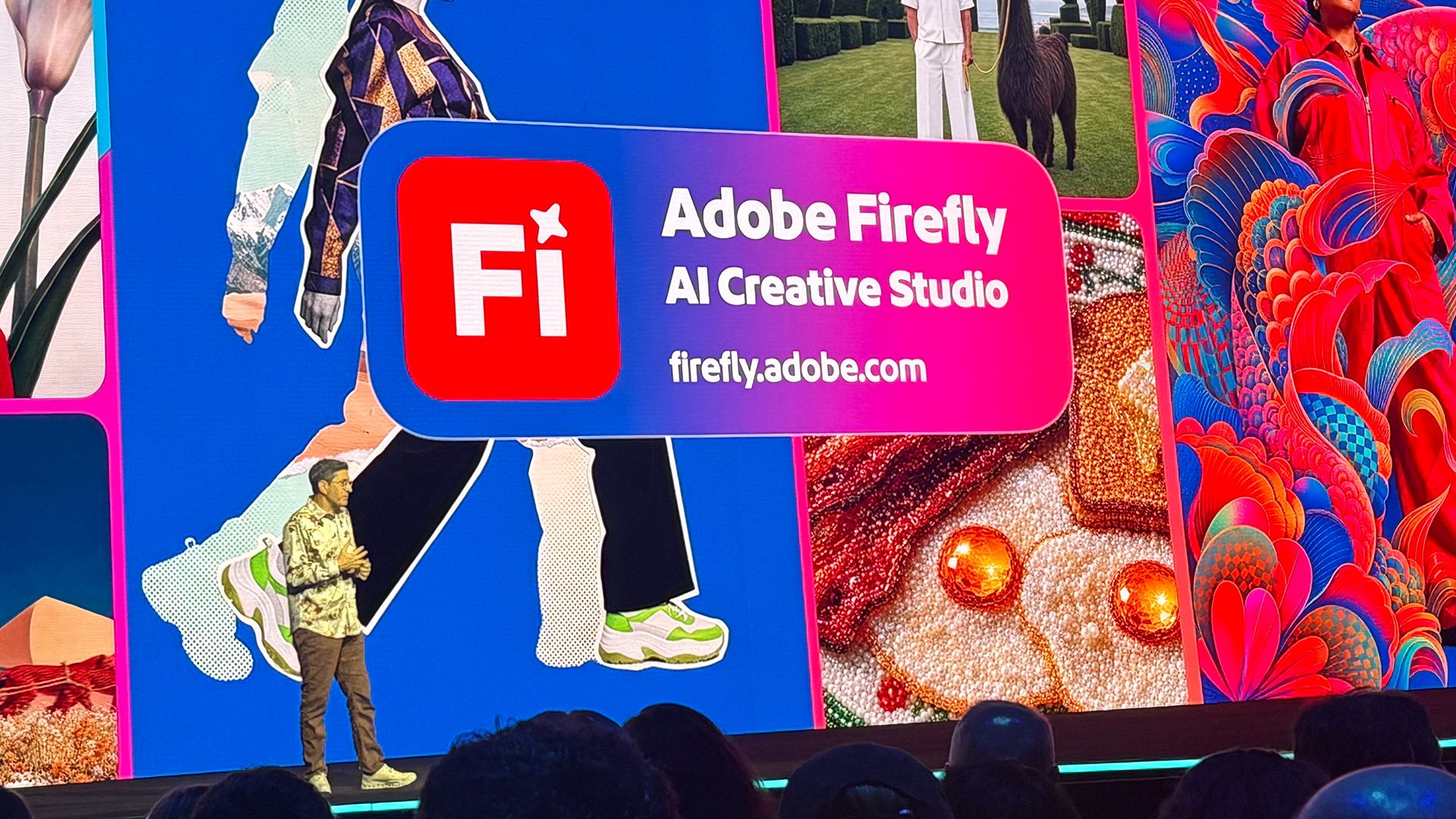
Recognizing this operational bottleneck, Adobe’s strategic roadmap has centered heavily on using artificial intelligence to absorb administrative friction, repetitive masking tasks, and technical rendering hurdles. Yet, this efficiency push has historically collided with a persistent ethical and psychological barrier among users who fear that optimizing the creative process strips away the human soul of art.
Executive Addresses and the Strategic Pivot Toward Empathy
Sensing the palpable tension in the main auditorium during the opening morning keynote, Adobe executives made a deliberate departure from standard corporate triumphalism. Instead of merely listing product specifications and feature rollouts, leadership opened the floor by validating the uncertainty felt across the design community.
Deepa Subramaniam, Adobe’s Vice President, took to the stage to address the psychological climate of the industry directly. Acknowledging that the current landscape feels overwhelmingly uncertain for many practitioners, Subramaniam emphasized that Adobe’s foundational identity was forged by individuals who care deeply about the integrity of artistic craft.
"Creativity isn’t a side project; it’s a way of life," Subramaniam stated during her address, attempting to bridge the ideological gap between corporate software expansion and the protective instincts of independent artists. She stressed that the company’s ongoing developments in automated workflows and machine learning are designed not to replace the artist, but to fort
ify them against burnout in an era defined by hyper-accelerated content consumption.
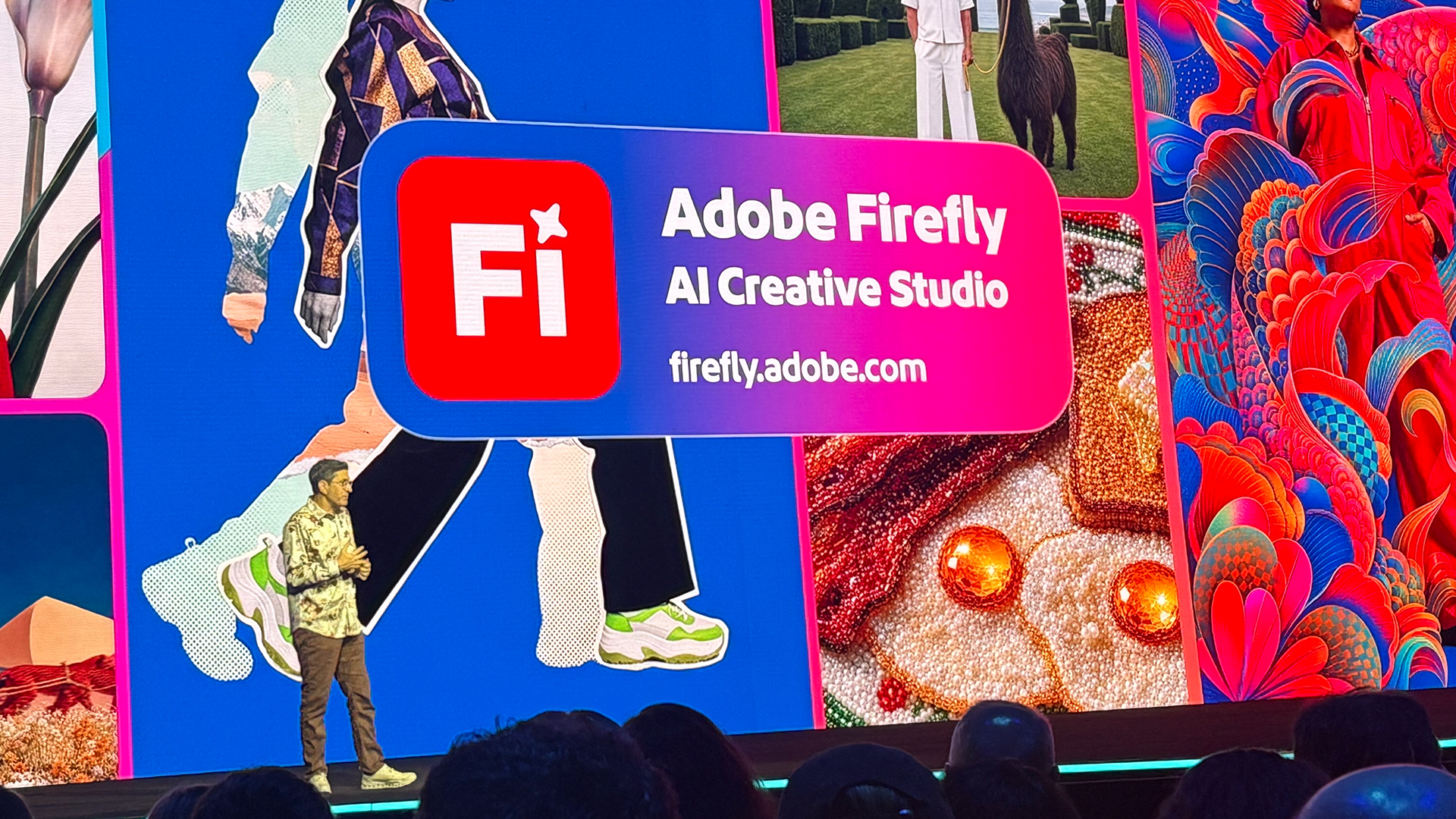
Later in the program, future Adobe CEO Anil Chakravarthy reinforced this stance during panel discussions, offering a direct reassurance to skeptics and enterprise users alike. Addressing the fear of total platform displacement, Chakravarthy assured attendees that "Adobe will meet you where you are," signaling a flexible implementation strategy that allows traditional manual controls to coexist alongside automated generation.
Expanding Capabilities: Photoshop, Partnerships, and the 2027 Roadmap
True to the tradition of Adobe MAX, the conference served as the launchpad for major product announcements, highlighting what the software giant has designated as its upcoming suite capabilities, including previews aligned with Photoshop 2027.
Among the most significant technical disclosures was the continued expansion of Adobe’s cross-industry partnerships, most notably its ongoing collaborations with major tech entities like Google. These strategic alliances point to a radically different foundational architecture for flagship products like Photoshop, moving away from localized processing limitations toward cloud-integrated, multimodal AI environments.
The newly announced features slated for the Photoshop 2027 ecosystem focus heavily on predictive layout generation, context-aware vector manipulation, and enhanced non-destructive editing workflows powered by advanced iterations of the Firefly image and video models. Adobe executives emphasized that these updates are built upon the company’s ongoing commitment to creator compensation and content authenticity initiatives, such as the Content Authenticity Initiative (CAI) and Coalition for Content Provenance and Authenticity (C2PA) standards, which aim to embed cryptographic watermarks and provenance data into AI-generated works.
Fact-Based Analysis of Industry Implications
The long-term implications of the strategy presented at Adobe MAX 2026 extend far beyond software feature lists, carrying profound consequences for the global creative economy.
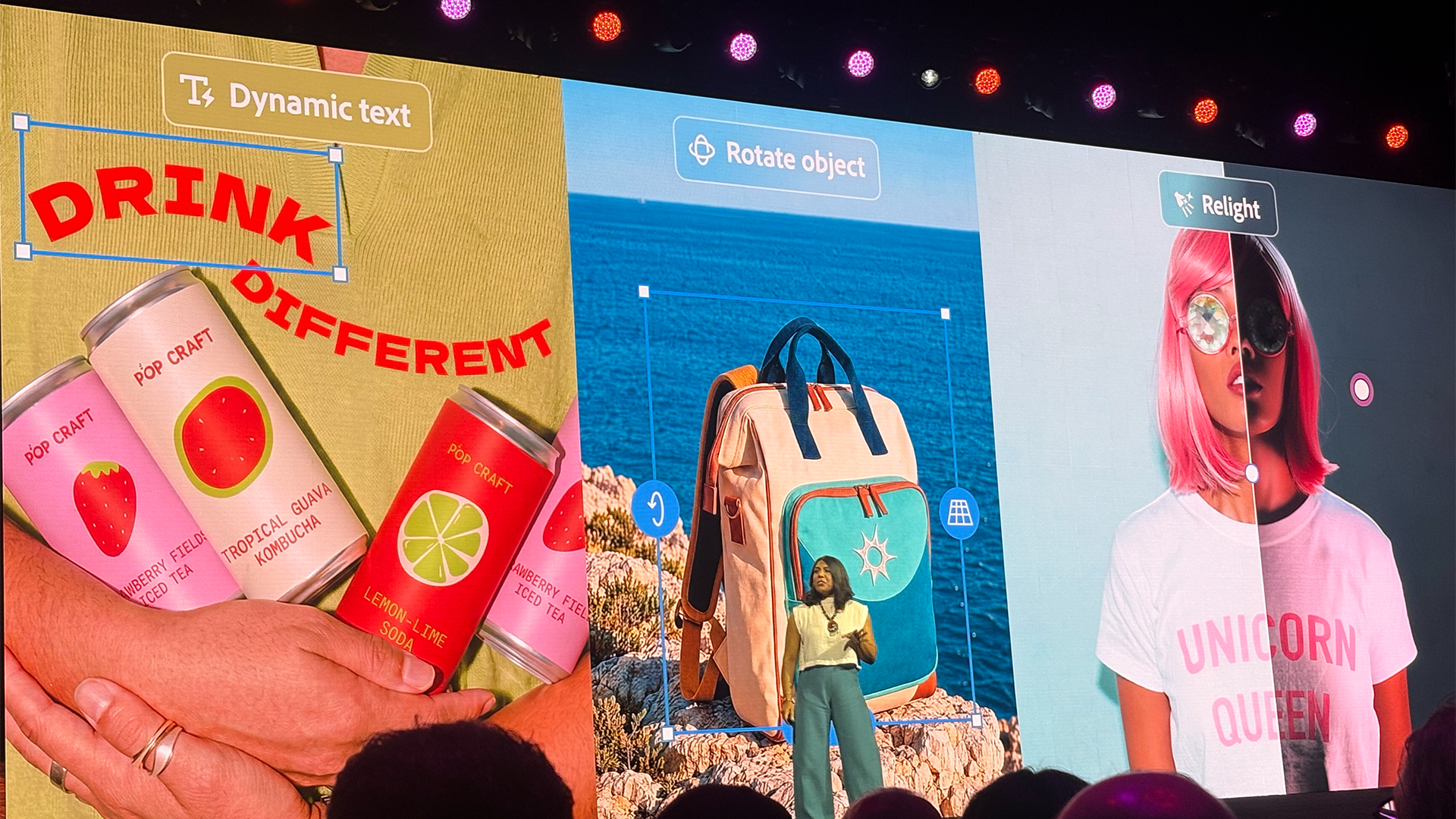
On one hand, the integration of advanced generative tools offers a vital economic lifeline for freelancers and small agencies struggling to keep pace with the exponential demand for digital content across social and commercial channels. By automating labor-intensive production tasks—such as background removal, aspect ratio expansion, and basic rotoscoping—creatives can theoretically reclaim hundreds of hours annually, redirecting their focus toward high-level conceptualization and strategic direction.
On the other hand, systemic risks remain unmitigated. The normalization of AI-assisted creation continues to depress baseline market rates for entry-level design work, as corporate clients increasingly expect rapid turnaround times and high output volumes at lower cost points. Furthermore, the psychological alienation of artists who view these tools as fundamentally antithetical to authentic human expression remains a formidable public relations and cultural hurdle for Adobe.
Conclusion and Outlook
As Adobe MAX 2026 continues through its remaining keynote sessions and technical lab workshops, the overarching narrative is one of cautious negotiation. While skepticism within the creative community has not vanished overnight, Adobe’s calculated shift toward empathetic engagement, ethical transparency, and workflow integration has noticeably softened the hard edges of resistance.
Whether these institutional assurances will be enough to maintain creator loyalty in an increasingly crowded and competitive generative software market will depend entirely on how seamlessly the newly announced tools perform in real-world professional environments over the coming year. For now, the conference has established a fragile consensus: the future of digital creation will be automated, but Adobe is betting its legacy on keeping the human creator at the center of the equation.
Related posts: