Google Arts and Culture Unveils First Comprehensive Online Retrospective Honoring South African Artist Dr. Esther Mahlangu on Her 91st Birthday

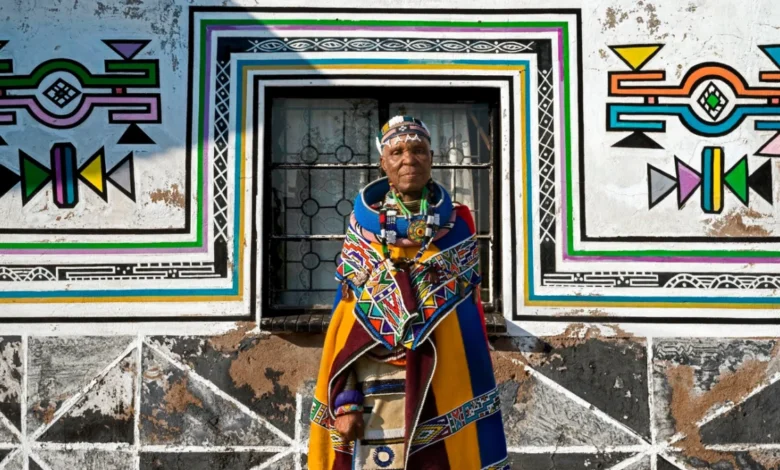
Celebrating nearly a century of vibrant artistic output, cultural preservation, and pioneering contributions to contemporary global art, Google Arts & Culture has officially launched the first comprehensive digital retrospective dedicated to renowned South African artist Dr. Esther Mahlangu. Released to mark her 91st birthday, the expansive online exhibition—titled "Then I Knew I Was Good at Painting": Esther Mahlangu, a Retrospective—serves as a monumental digital archive. It brings together more than 45 curated stories, immersive virtual tours, high-resolution imagery of large-scale murals and intimate works, and groundbreaking AI-assisted recreations of her undocumented early life.
The project bridges the gap between traditional museum archiving and advanced modern technology. Developed through a close collaboration between Dr. Nontobeko Ntombela, Senior Lecturer at the Wits School of Arts and long-time researcher of Mahlangu’s life and work, alongside Google DeepMind, the Google Arts & Culture Lab, and the research and design studio Domestic Data Streamers, the retrospective offers an unprecedented look at how an indigenous art form scaled global heights.
Background and Context of the Ndebele Art Tradition
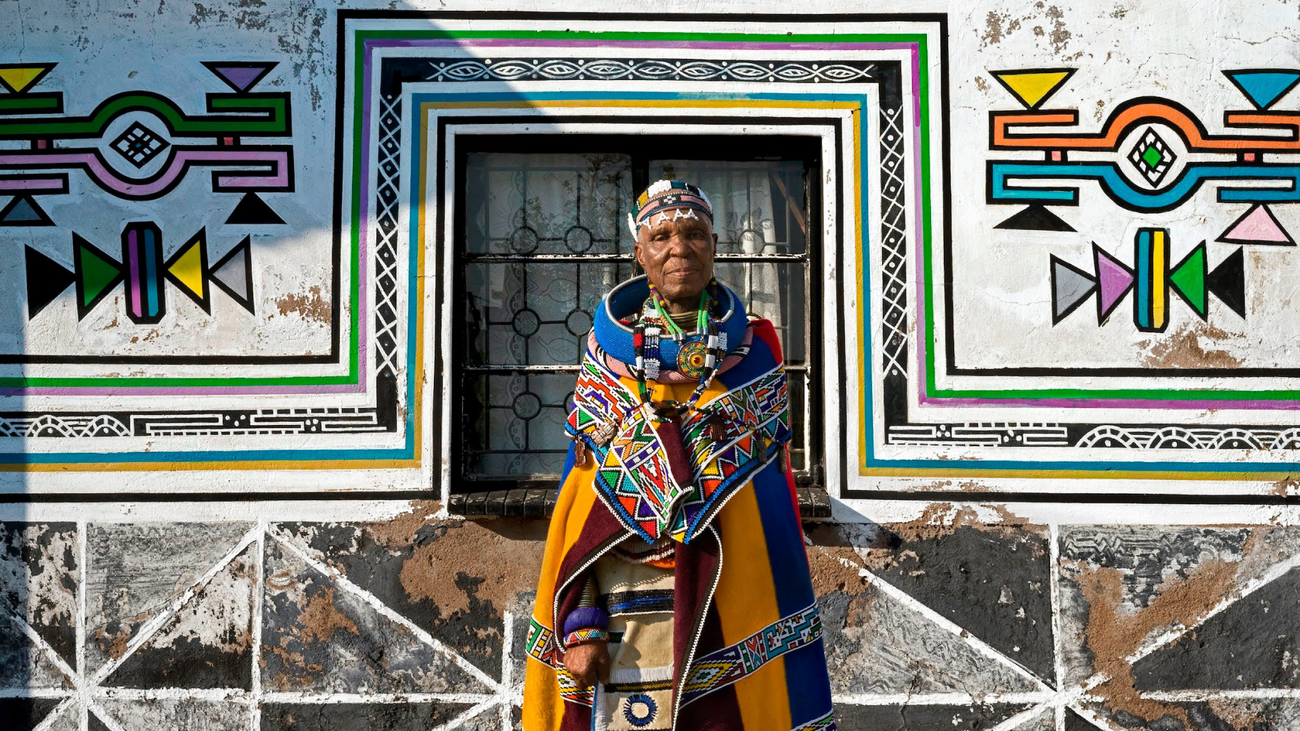
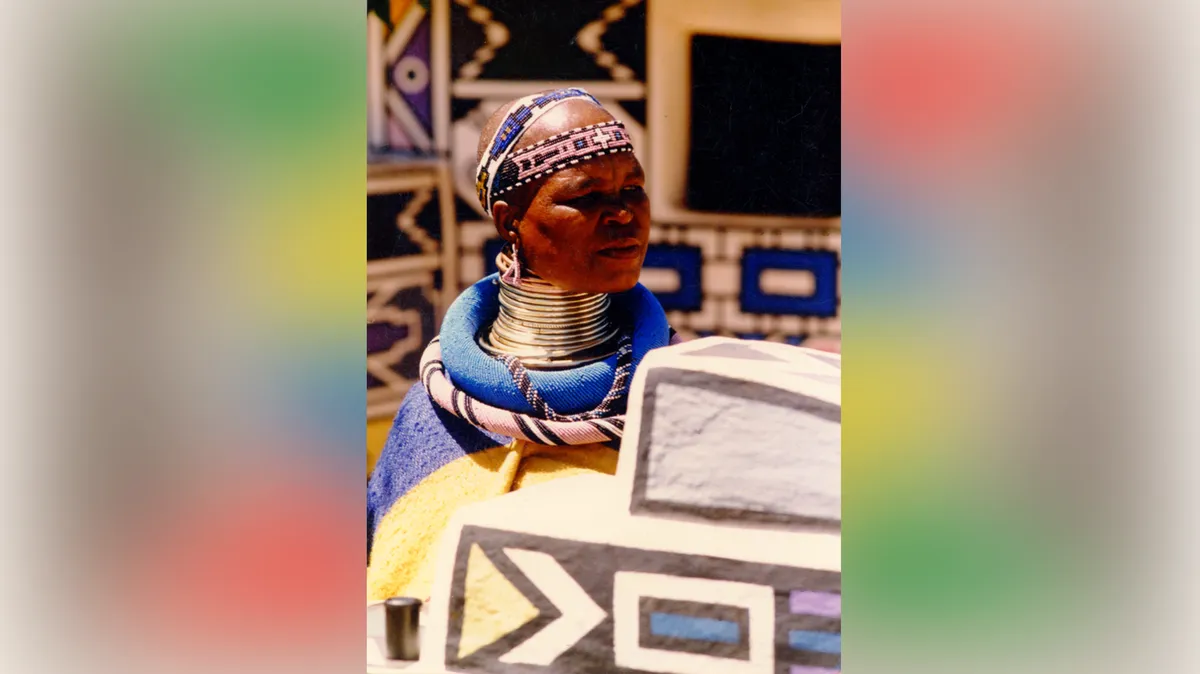
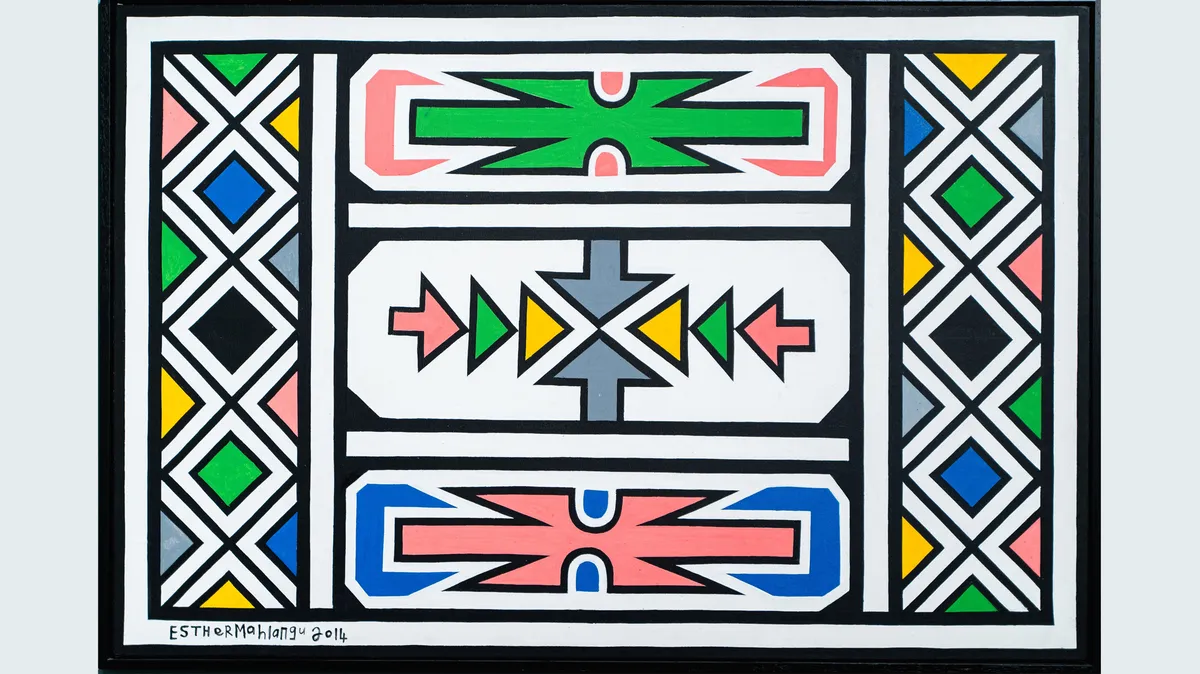
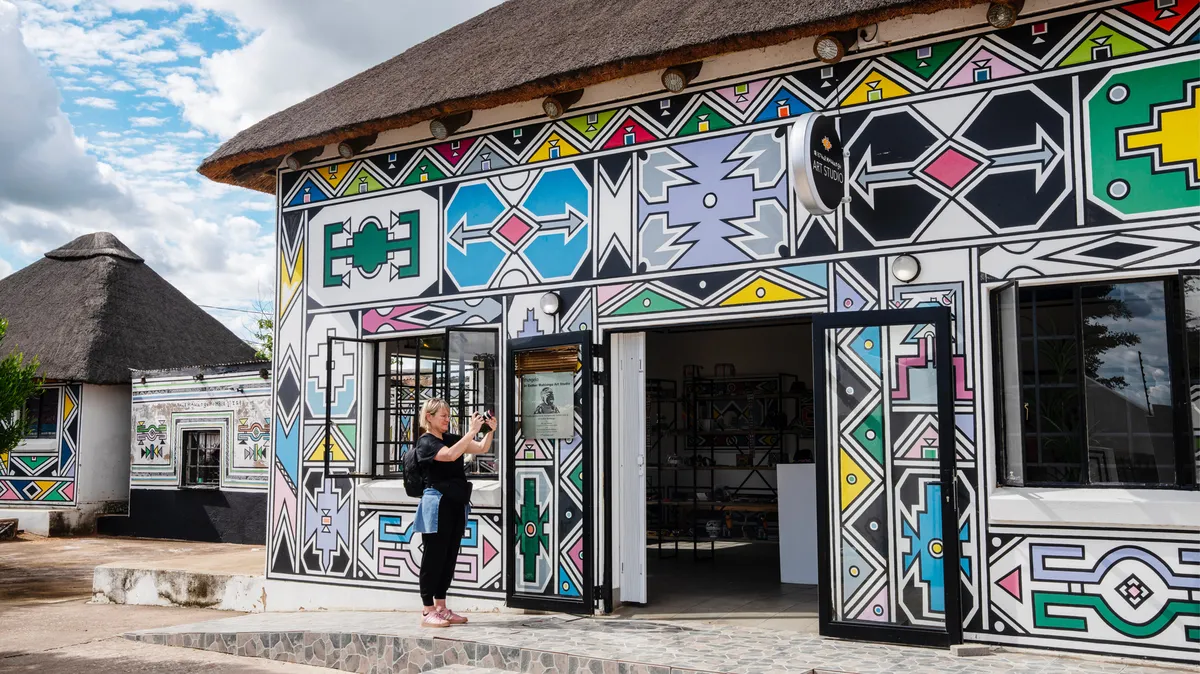
Dr. Esther Mahlangu was born in 1935 in Middelburg, Mpumalanga, South Africa. She belongs to the Ndebele nation, a community internationally celebrated for its striking, geometric architectural painting and intricate beadwork. Traditionally, Ndebele women are responsible for decorating the exterior walls of their homesteads using natural pigments, earth tones, and vibrant synthetic colors applied in precise, symmetrical geometric patterns to mark significant cultural events, rituals, and transitions within the community.
For decades, these art forms were passed down orally and practically through generations of women. However, Mahlangu transformed this localized, architectural vernacular into a globally recognized fine art medium. By translating the bold, rhythmic aesthetics of Ndebele wall paintings onto unconventional canvases—including contemporary art pieces, canvas panels, and even international design objects such as luxury automobiles, BMW art cars, and sneakers—Mahlangu shattered the boundary separating indigenous craft from elite global fine art. Her work has since been exhibited in prestigious institutions worldwide, including the British Museum, the Serpentine Galleries, and the National Museum of Women in the Arts.
Despite her immense global footprint, major gaps existed in the historical and archival record of her life, particularly regarding her formative years before 1980. This archival void presented a unique challenge for curators attempting to construct a holistic narrative of her century-long artistic journey.
Chronology of the Retrospective and Technological Innovation
The genesis of the online retrospective stems from years of meticulous academic research conducted by Dr. Ntombela, who sought to contextualize South African women artists who influenced the trajectory of the visual arts since the early 20th century. While contemporary archives held a wealth of material covering Mahlangu’s international rise from the 1980s onward, documentation of her childhood and early working years was virtually non-existent.
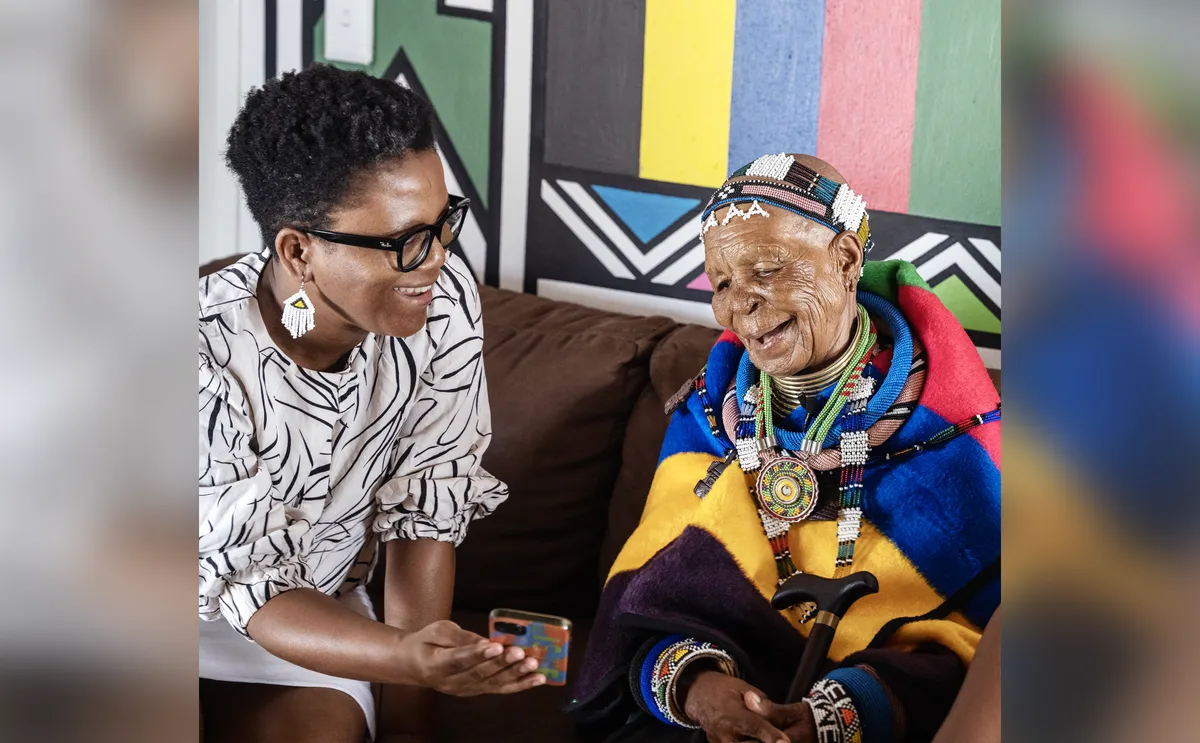
To solve this historical puzzle, the curatorial team adopted the methodology of the "synthetic memories initiative." Through a series of in-depth interviews and workshops with Mahlangu, researchers gathered oral testimonies detailing her earliest memories—most notably the pivotal moment when she discovered her exceptional talent for painting at just 10 years of age, utilizing chicken feathers rather than traditional brushes to apply pigments to surfaces.
Leveraging these oral histories alongside existing archival materials, Google DeepMind and the Google Arts & Culture Lab utilized generative artificial intelligence to reconstruct these missing decades. Utilizing advanced foundational models, including Google’s Veo video generation technology, the team translated static visual reconstructions of Mahlangu’s youth into dynamic video sequences. This innovative approach allowed the archival team to visualize the period spanning from her childhood in the 1940s up to her first formally documented exhibitions in 1980.
The resulting digital ecosystem encompasses:
- More than 45 distinct exhibitions and narrative stories.
- Comprehensive photographic documentation of her large-scale murals and intimate studio works.
- Virtual Street View integrations allowing global audiences to explore her home, studio spaces, and homestead environments.
- Institutional partnerships with the Iziko Museums of South Africa, the Art of Contemporary Africa, the British Museum, and the Jean Pigozzi Collection.
Statements and Official Responses
The collaborative nature of the project has drawn widespread acclaim from cultural leaders, technologists, and the artist herself. Reflecting on the launch, Dr. Esther Mahlangu expressed profound gratitude for the global reach afforded to her life’s work.
"Thank you to Google Arts & Culture for sharing my story, artwork, and the culture of the Ndebele nation with the world," Dr. Mahlangu stated. "It has always been my wish to ensure that the art and culture of my Nation lives on for those who follow."
Amit Sood, Vice President of Google Arts & Culture, emphasized the significance of preserving and democratizing access to indigenous heritage through emerging technological frameworks.
"We’re honored to help celebrate Dr. Esther Mahlangu’s legacy by making her work globally accessible online, offering younger generations everywhere the chance to explore Ndebele heritage and be inspired by her pioneering vision," Sood remarked.
Dr. Ntombela further underscored the academic and cultural importance of the retrospective, noting that the project sets a new precedent for how institutions approach the preservation of underrepresented histories. "This project demonstrates a new way to approach the preservation of cultural heritage, with technology that is guided at every step by a respect for personal memory and historical accuracy," Ntombela said. "It is my hope that this retrospective cements Esther’s place as a pivotal voice in global contemporary art, invites audiences to reimagine the possibilities of her archive, and ensures her story and her artistic vision can inspire generations to come."
Broader Impact and Implications for Digital Curation
The unveiling of the Esther Mahlangu retrospective arrives at a critical juncture for the museum and archival sectors, highlighting the ethical and practical applications of generative AI in cultural heritage preservation. Historically, dominant Western institutions have defined the global art canon, frequently marginalizing indigenous artists from the Global South due to a lack of formal written archives or institutional paperwork.
By relying on oral history, community-led workshops, and advanced synthetic media generation under the direct supervision of the artist and her community, the Google Arts & Culture project establishes a collaborative blueprint for filling historical blind spots. Rather than replacing authentic history, the AI tools employed in this initiative act as a visual translator of living memory, giving structural form to narratives that might otherwise have been lost to time.
Furthermore, the integration of Ndebele artistic heritage into a globally accessible digital format carries profound implications for cultural education. Students, art historians, and enthusiasts anywhere in the world can now engage with the intricate geometry and philosophy of Ndebele design without geographical barriers. As digital archives continue to expand, the Mahlangu retrospective stands as a benchmark for how modern technology can honor, protect, and amplify the enduring legacies of the world’s master creators.
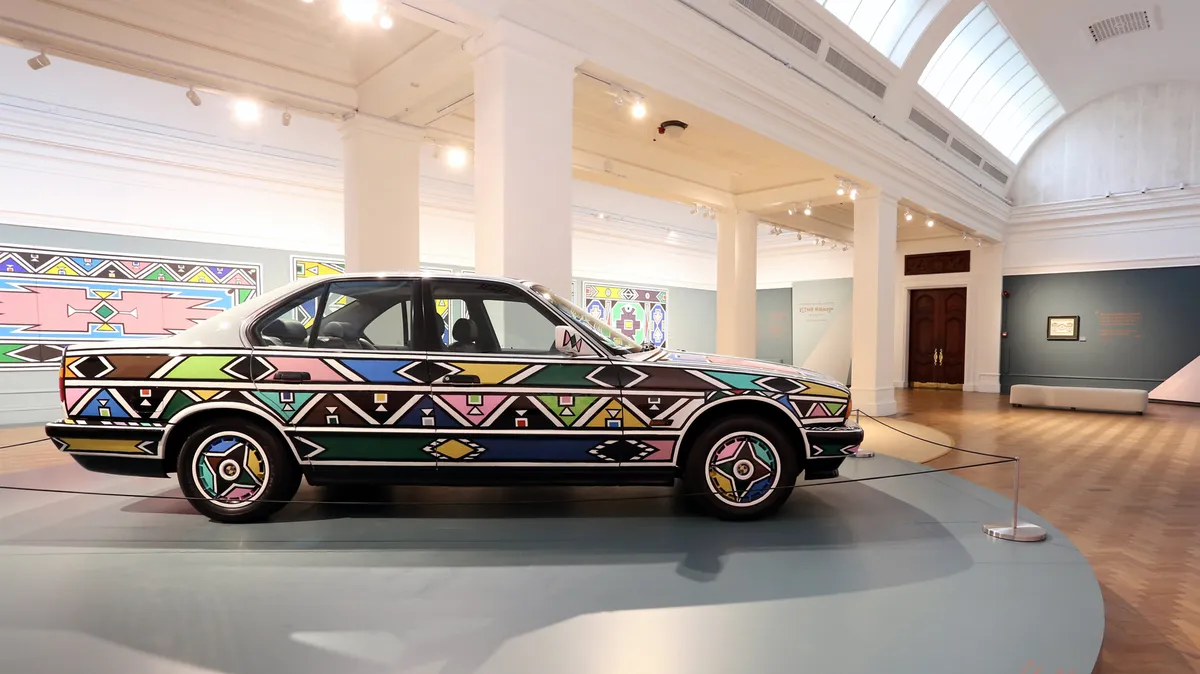
The complete digital exhibition is publicly accessible via the Google Arts & Culture platform.