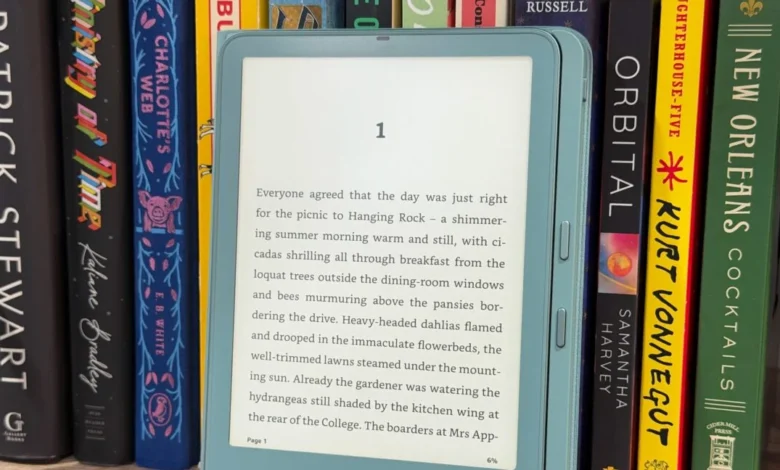
The landscape of consumer electronics has undergone a seismic shift over the last half-decade, defined largely by persistent supply chain volatility, inflationary pressures, and a strategic pivot among manufacturers toward premium hardware positioning. Nowhere is this trend more visible than in Amazon’s latest refresh of its e-reader lineup. With the release of the 2026 Kindle and Kindle Paperwhite models, the company has effectively redefined the entry-level price point, raising concerns among long-term users about the eroding value proposition of dedicated reading devices.
While the "new thing, better features, same price" model was once a hallmark of the tech industry, 2026 marks a departure from that standard. The cheapest Amazon Kindle available today carries a price tag that exceeds the cost of mid-range models from just three years ago. This escalation is not merely a reflection of component costs but a broader industry trend where marginal hardware improvements are increasingly gated behind higher entry costs.
A Chronology of Kindle Hardware Evolution
To understand the current dissatisfaction, one must look at the trajectory of the Kindle series since 2018. The 2018 Kindle Paperwhite set a benchmark for the industry, offering waterproofing and a 300 PPI display at a competitive price point. By 2021, the Paperwhite saw a significant hardware bump, moving to a 6.8-inch screen and introducing warm lighting, which became a standard feature for high-end readers.
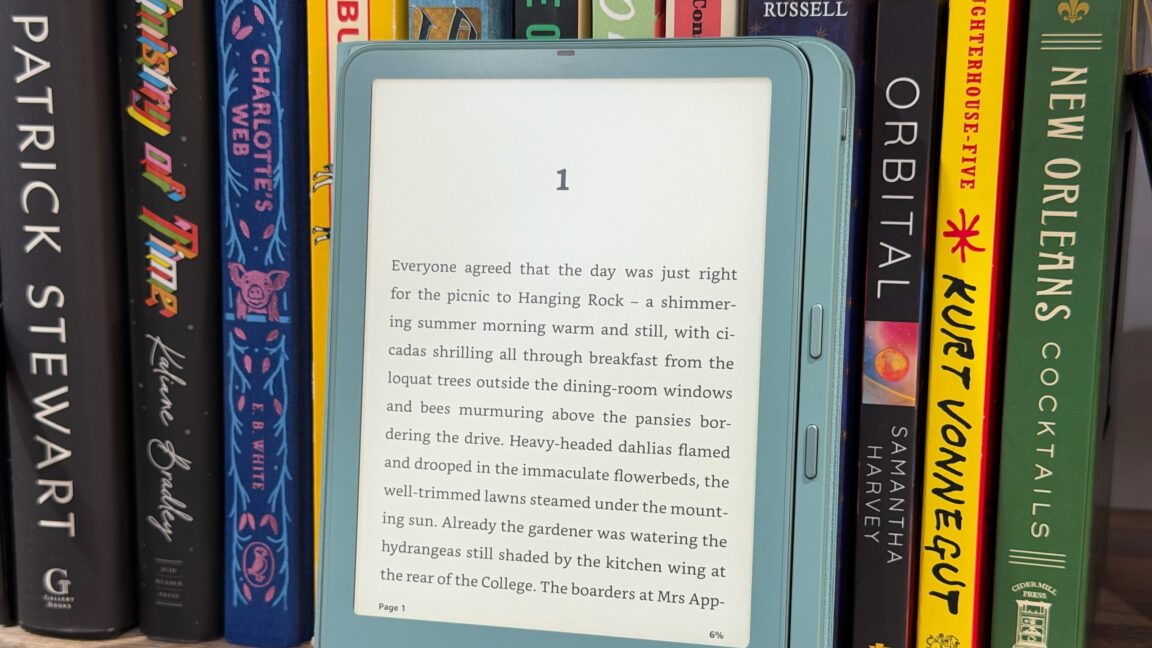
The 2024 cycle continued this trend with incremental refinements, including faster processors and better battery life. However, the 2026 update represents a pivot. The new Paperwhite, starting at $200, arrives without significant screen or lighting upgrades compared to its predecessor. Instead, the focus has shifted toward chassis materials—specifically the aluminum housing of the $250 Signature Edition—and the reintroduction of physical page-turn inputs through accessory-based modularity.
Comparative Analysis of Current Offerings
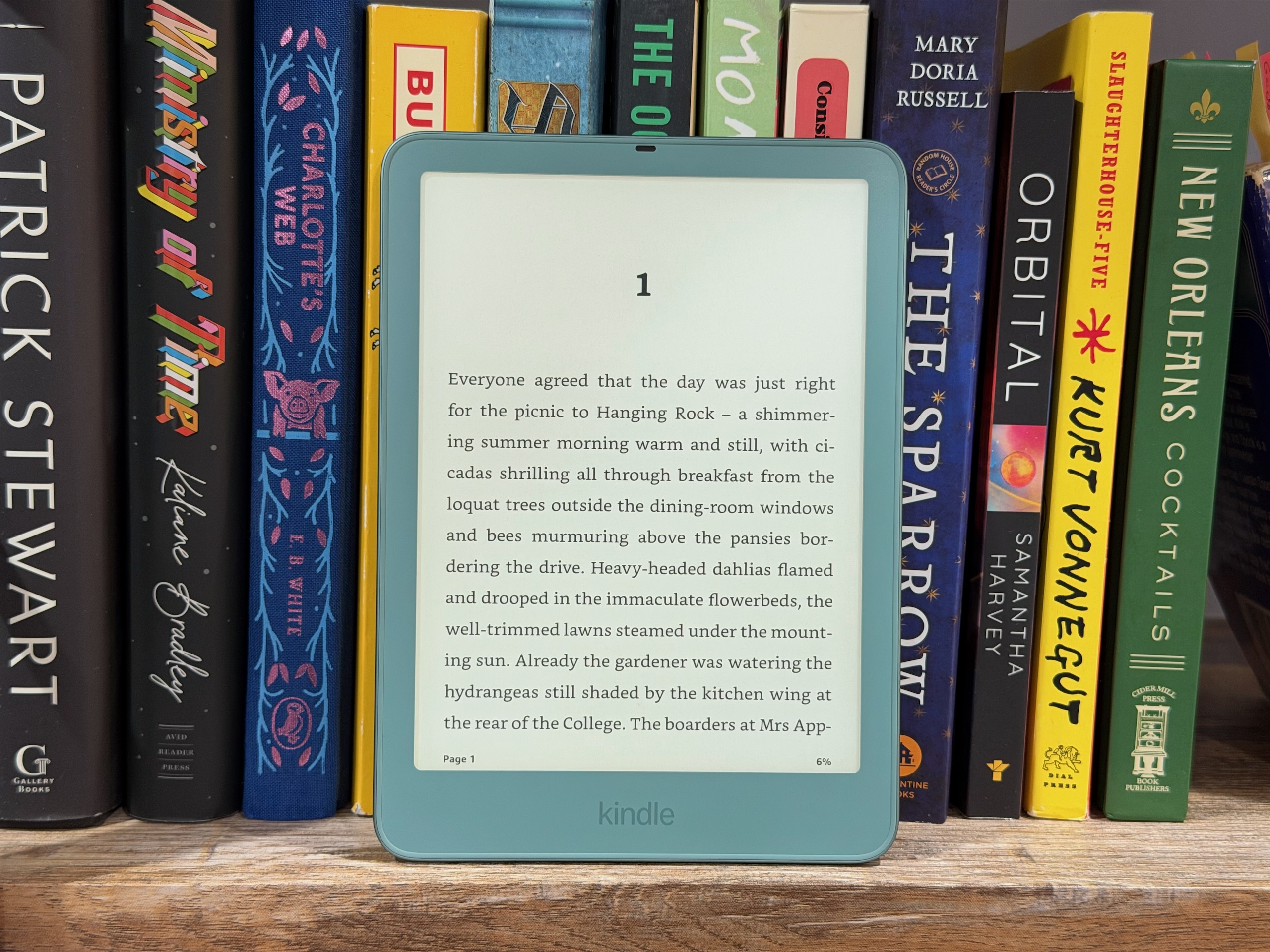
The 2026 lineup introduces a five-model family, ranging from the base Kindle to the aluminum-clad Paperwhite Signature Edition. A core point of contention is the base Kindle’s pricing, which has climbed to $150. For that price, users receive a 6-inch 300 PPI display in a flush-bezel design. However, it lacks the warm light and IPX8 waterproofing that were hallmarks of the 2021 Paperwhite, which sold for $140 at launch.
The following data table illustrates the compression of value across the current generation:
| Feature | Kindle (2024) | Kindle (2026) | Paperwhite (2026) |
|---|---|---|---|
| Display | 6-inch, 300 PPI | 6-inch, 300 PPI | 7-inch, 300 PPI |
| Lighting | Basic Front | Basic Front | Warm Light |
| Waterproofing | None | None | IPX8 |
| Starting Price | $110 | $150 | $200 |
The data highlights a significant "feature creep" where consumers must pay a premium for capabilities—such as warm lighting—that were previously considered standard for mid-tier devices. The removal of wireless charging from the 2026 Signature Edition, a feature present in the 2024 version, further underscores the trend of manufacturers stripping away premium convenience features while simultaneously increasing the base MSRP.
The Return of Tactile Controls: A Costly Compromise
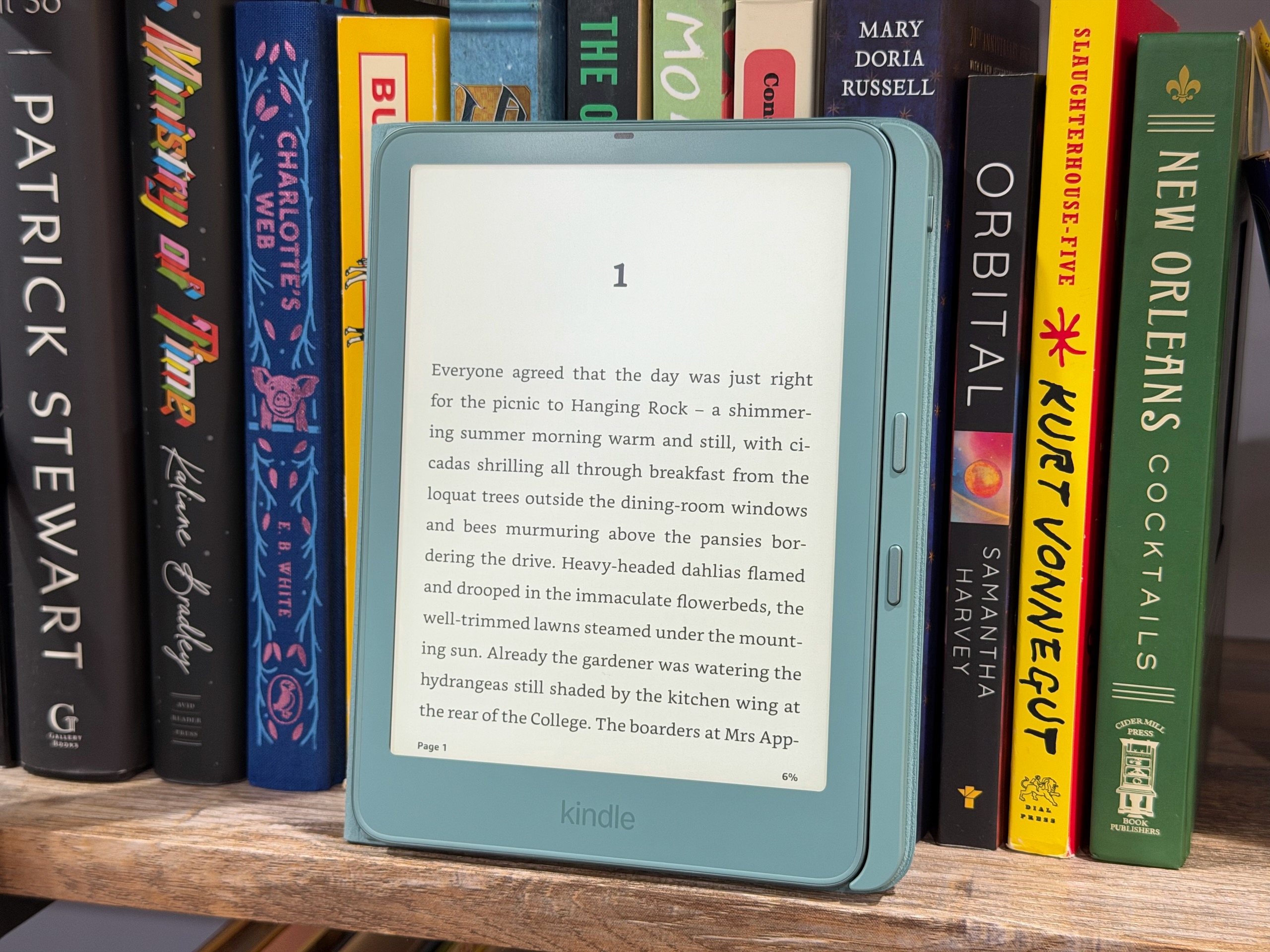
Perhaps the most notable, yet controversial, feature of the 2026 Paperwhite Signature Edition is the implementation of page-turn buttons. Unlike the legacy Kindle Oasis, which integrated these buttons directly into the chassis, the new model uses a "by proxy" approach. The device features exposed copper contacts on the rear casing, requiring the purchase of a proprietary $80 Page Turn Cover to enable physical navigation.
This modular strategy creates a high barrier to entry. A user seeking the classic "Oasis" experience must now invest $330 in total—$250 for the device and $80 for the cover. Industry analysts suggest this modular approach allows Amazon to maintain a streamlined manufacturing process for the main unit while offloading the cost of specialized mechanical inputs to a niche demographic of "power users" who demand tactile feedback.
Right-to-Repair and Regulatory Compliance
Amidst the criticism regarding price, there is a notable positive development: the introduction of user-replaceable batteries. This change is not purely altruistic; it is a direct response to evolving "Right to Repair" legislation, particularly in the European Union and certain North American jurisdictions. By designing the 2026 units with accessible battery compartments, Amazon is preempting regulatory mandates that aim to reduce e-waste by extending the lifespan of consumer electronics. While this adds engineering complexity, it represents a long-term benefit for the consumer, potentially allowing these devices to remain in circulation for years longer than their predecessors.
The "Kindle Click" and Ecosystem Lock-in
Amazon has also introduced the "Kindle Click," a $35 remote-control accessory designed to mimic the utility of page-turn buttons. Compatible with the 2024 and 2026 models, as well as the 2022 Kindle Scribe, this device highlights a growing trend of software-gated features. The operating system version 5.20.1.0.2 is required for these accessories, effectively walling off older devices from modern peripherals.
For consumers, this creates a dilemma. The software ecosystem is becoming increasingly fragmented, with newer, more expensive hardware receiving exclusive updates and accessory support. This strategy serves to shorten the effective lifecycle of older Kindles, nudging users toward a cycle of constant upgrades, even if the core reading experience remains largely identical.
Implications for the E-Reader Market
The broader implication of this strategy is the commodification of the e-reader as a premium accessory rather than a utility device. In the early 2010s, Kindles were subsidized by Amazon to drive bookstore sales; today, the hardware itself is expected to carry a healthy margin. As prices climb, the value proposition shifts from "affordable access to literature" to "luxury hardware for the digital reader."
Furthermore, the lack of competition in the dedicated e-reader space allows Amazon to dictate these price points with little fear of market share erosion. While smaller players like Kobo or Onyx Boox offer alternatives, Amazon’s seamless integration with its bookstore and cloud ecosystem remains the primary tether for most consumers.
Conclusion and Future Outlook
The 2026 Kindle and Paperwhite models are, by all accounts, highly capable and responsive devices. The flush-bezel designs, improved performance, and user-replaceable batteries are genuine improvements that will enhance the daily experience of any reader. However, these benefits are overshadowed by the reality that consumers are paying more for the privilege of owning a "standard" device.

For those currently using a 2021 or 2024 model, there is little technical incentive to upgrade. The screen technology, which is the primary interface for the user, has reached a plateau of maturity, and the performance gains are likely to go unnoticed by the average reader. As the market moves forward, the success of these new models will depend on whether consumers accept this new pricing tier or if they choose to flock to the secondary market for refurbished, older-generation units.
Ultimately, the 2026 release cycle serves as a case study in modern product management: prioritize incremental hardware modularity and premium pricing over mass-market accessibility. Whether this strategy will sustain the Kindle’s long-term dominance remains to be seen, but for now, the "golden age" of cheap, high-quality e-readers appears to be firmly in the rearview mirror.