The conclusion of the official Black Friday shopping period on November 27, 2026, has not signaled an end to the aggressive discounting strategies employed by major retailers. While the frantic pace of doorbuster events has subsided, Amazon and other authorized resellers continue to maintain significant price reductions on a wide array of Apple hardware. This extension of the sales cycle, often referred to as "Black Friday leftovers" or the transition into Cyber Monday, provides a strategic window for consumers who may have missed initial windows or are conducting further market research before finalizing high-value technology acquisitions.

The Landscape of the 2026 Holiday Sales Event
The 2026 retail season has been characterized by a more sustained approach to promotions compared to the compressed, high-intensity events of previous years. Apple’s own promotional event, which commenced on November 27 and is scheduled to conclude on November 30, has set the tone for the industry. While Apple traditionally favors gift cards over direct price slashes, third-party retailers have aggressively utilized direct price cuts to capture market share.
The persistence of these deals today suggests that retailers are managing inventory levels carefully, balancing the need to clear stock of current-generation hardware against the upcoming influx of new seasonal inventory. For the consumer, this presents a unique opportunity: the volatility of the shopping season has stabilized, allowing for more considered purchasing decisions on flagship items like the AirPods Pro 3, M5 MacBook Air, and the Apple Watch Series 12.

Analysis of Current Market Reductions
Data tracking indicates that the most significant price adjustments are currently concentrated on audio equipment and wearable technology. The AirPods Pro 3, currently retailing for $149.00—a reduction of $100 from its $249.00 MSRP—represents a benchmark for the current retail environment. This price point represents an all-time low, making it a focal point for analysts monitoring consumer tech spending patterns.
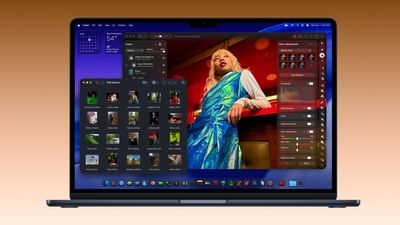
In the portable computing segment, the M5 MacBook Air remains a primary beneficiary of current promotional activity. Market observers note that the availability of these discounts across the entire M5 product line indicates a robust supply chain, contrasting with the supply shortages that plagued the electronics sector in the early 2020s. Furthermore, the inclusion of the M6 MacBook Pro and PROLED models in broader sales campaigns underscores the premium nature of the current holiday strategy, where retailers are attempting to incentivize upgrades to higher-tier, higher-margin hardware.

Wearables and Home Integration: The Value Proposition
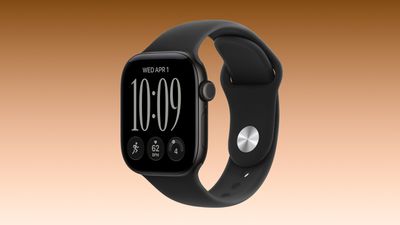
The Apple Watch segment continues to show high levels of consumer engagement. The Series 12, now priced at $299.00 ($100 off), and the Apple Watch SE 3, available at $179.00 ($70 off), are positioned to capture both the premium and entry-level demographics. These price points are significant as they place the Apple ecosystem within reach of a broader consumer base, which is critical for long-term service adoption—a key metric for Apple’s ongoing financial reporting.
Similarly, the iPad mini 8, now priced at $599.00 for the 128GB Wi-Fi configuration, represents a $100 saving. This device occupies a niche space in the tablet market, and sustaining a discount through the weekend following Black Friday indicates a push for volume sales in the portable tablet category. The AirTag 2, at $18.00 for the 1-pack, continues to serve as an essential "add-on" purchase, effectively lowering the barrier to entry for the Apple Find My network.
The Role of Cellular Carriers in Hardware Distribution
While Amazon, Best Buy, and other traditional retailers focus on direct hardware discounts, the mobile carrier market—including providers like T-Mobile—has adopted a different fiscal strategy. By offering incentives as high as $2,100 off the Apple iPhone Duo, carriers are leveraging the sale to drive long-term service contracts.
These offers are inherently more complex than simple retail discounts. They often require specific service plans, trade-in credits, and multi-year commitment windows. From a market perspective, these deals illustrate the symbiotic relationship between hardware manufacturers and telecommunications infrastructure. Consumers are advised to conduct a thorough cost-benefit analysis, as the "upfront savings" are often offset by the long-term cost of the required data plans.
Chronology of the 2026 Shopping Season
The current state of the market is the culmination of a sequence that began in mid-November. On November 14, initial "early access" deals were introduced, signaling the start of the holiday competition. By November 19, Apple officially announced its four-day shopping event, creating a clear timeline for consumers across global markets, including the United States, Europe, and the Asia-Pacific region.
The period of November 27 to November 30 serves as the primary nexus of this activity. However, the "leftover" phase we are observing today, November 28, demonstrates that the competition between Amazon’s automated pricing algorithms and other major retailers remains highly reactive. Prices are currently being updated in real-time, and the longevity of these offers is subject to inventory depletion.

Broader Economic Implications
The 2026 Black Friday cycle provides insight into the broader economic sentiment. High levels of promotional activity generally reflect a competitive retail environment where consumer discretionary income is being fought for aggressively. When retailers sustain deep discounts past the traditional holiday threshold, it often signals an attempt to stimulate demand in a climate where buyers are increasingly price-sensitive.
Economists watching the tech sector often look at these Apple product cycles as a barometer for consumer confidence. If high-end hardware continues to move at discounted rates, it suggests that while consumers are cautious, they remain willing to invest in premium technology when the entry price is lowered.

Strategic Advice for Consumers
For those looking to capitalize on these remaining deals, experts suggest the following considerations:
- Inventory Velocity: While many of these deals are expected to last through the weekend, high-demand configurations—such as specific storage capacities or color variants—may sell out quickly.
- Verify Terms: For carrier-based deals, ensure that the fine print regarding service contracts and trade-in valuations is fully understood.
- Affiliate Context: As noted by industry observers, many retail websites operate with affiliate partnerships. While this does not typically affect the price paid by the consumer, it is a standard component of the modern digital retail ecosystem that funds the tracking and aggregation of these deals.
- Long-term Utility: Before purchasing, evaluate whether the hardware meets long-term needs, especially given the rapid pace of iteration in the M-series chip architecture and Apple’s ecosystem updates.
Conclusion
As the post-Black Friday period progresses toward Cyber Monday, the landscape remains ripe for opportunistic buyers. The decision by major retailers to maintain these price levels for an extended period serves as a testament to the ongoing importance of the holiday season to the annual revenue cycle. Whether one is seeking to upgrade a primary workstation, secure a wearable device, or expand the home ecosystem with accessories, the current market offers a rare convergence of high-performance technology and aggressive pricing. The key for the informed consumer remains a balance of speed in securing the deal and diligence in verifying the terms of purchase. As the 2026 holiday season continues to unfold, these, and likely further, adjustments in the retail space will continue to influence how consumers interact with the evolving Apple product portfolio.