Apple Enters the Foldable Market: A Comprehensive Hardware and Usability Comparison Between the iPhone Duo and the Samsung Galaxy Z Fold 8

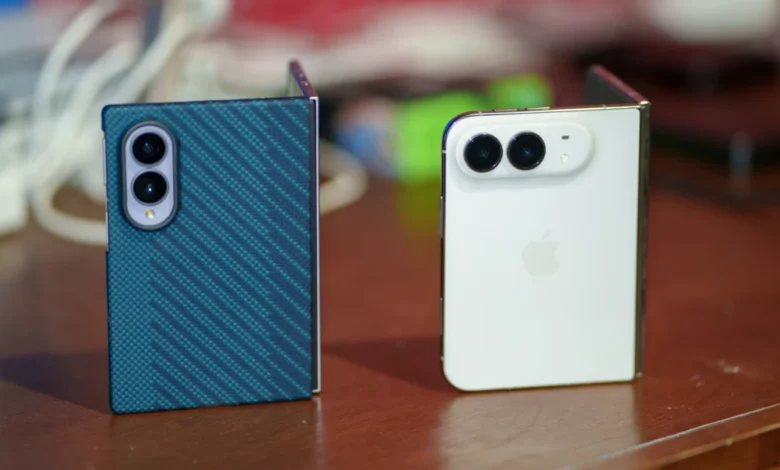
The landscape of the consumer electronics industry has undergone a profound transformation with the mainstreaming of foldable mobile devices. After years of speculation and deliberate market observation, Apple entered the foldable segment with the commercial release of the iPhone Duo. Arriving just over a month ago, the device represents Cupertino’s inaugural attempt to engineer a dual-screen, folding smartphone capable of challenging established market leaders. Among these competitors, the Samsung Galaxy Z Fold 8 stands as the benchmark for foldable engineering, having evolved through nearly eight generations of iterative refinement. A comparative analysis of these two flagship devices reveals contrasting hardware philosophies, distinct ergonomic trade-offs, and varying approaches to software integration in the modern foldable ecosystem.

Main Facts and Ergonomic Comparison
At the core of the hardware debate between the iPhone Duo and the Galaxy Z Fold 8 lie fundamental differences in physical dimensions, material selection, and structural weight. The Galaxy Z Fold 8 establishes a competitive advantage in portability, registering a total weight of 201 grams. In contrast, the iPhone Duo weighs 254 grams, making it substantially heavier than both its foldable rival and standard flagship models like the 211-gram iPhone 18 Pro.
This disparity in weight is largely attributed to material choices. The iPhone Duo utilizes a titanium chassis, an architectural decision intended to provide enhanced structural rigidity following criticisms of aluminum vulnerabilities in prior generations. However, this robust metal framework adds noticeable heft to the device when held in both closed and open configurations. Meanwhile, the Galaxy Z Fold 8 employs an advanced aluminum construction that successfully reduces overall mass, allowing the device to maintain a weight profile comparable to conventional, non-folding smartphones.

Beyond weight, the physical dimensions and aspect ratios of the outer and inner displays dictate daily usability. The iPhone Duo features a relatively compact width that facilitates one-handed operation on its cover screen, though users and reviewers have noted that a slightly taller aspect ratio would optimize content visibility above the virtual keyboard. Conversely, the Galaxy Z Fold 8 incorporates dimensions that accommodate expanded vertical workspace, allowing users to view marginally more content before software elements obscure the lower portion of the screen.
Chronological Context and Market Evolution
The arrival of the iPhone Duo is the culmination of a multi-year technological trajectory that began in the late 2010s with the commercialization of flexible OLED panels. While Samsung introduced its original Galaxy Fold in 2019, Apple adopted a cautious approach, prioritizing durability, thermal management, and ecosystem consistency over first-mover advantage. Industry analysts note that Apple’s entry into the foldable space was repeatedly delayed to overcome engineering hurdles related to display creases, hinge longevity, and battery integration.
Samsung, by comparison, has maintained an aggressive annual release cadence. Over the past eight years, the South Korean electronics manufacturer has systematically addressed early vulnerabilities—such as hinge debris intrusion and fragile screen protectors—transforming the foldable from a fragile novelty into a mainstream productivity tool. The introduction of the Galaxy Z Fold 8 marks a mature phase in Samsung’s hardware roadmap, characterized by optimized thinness, enhanced water resistance, and refined multitasking capabilities powered by One UI.
Supporting Data and Display Engineering
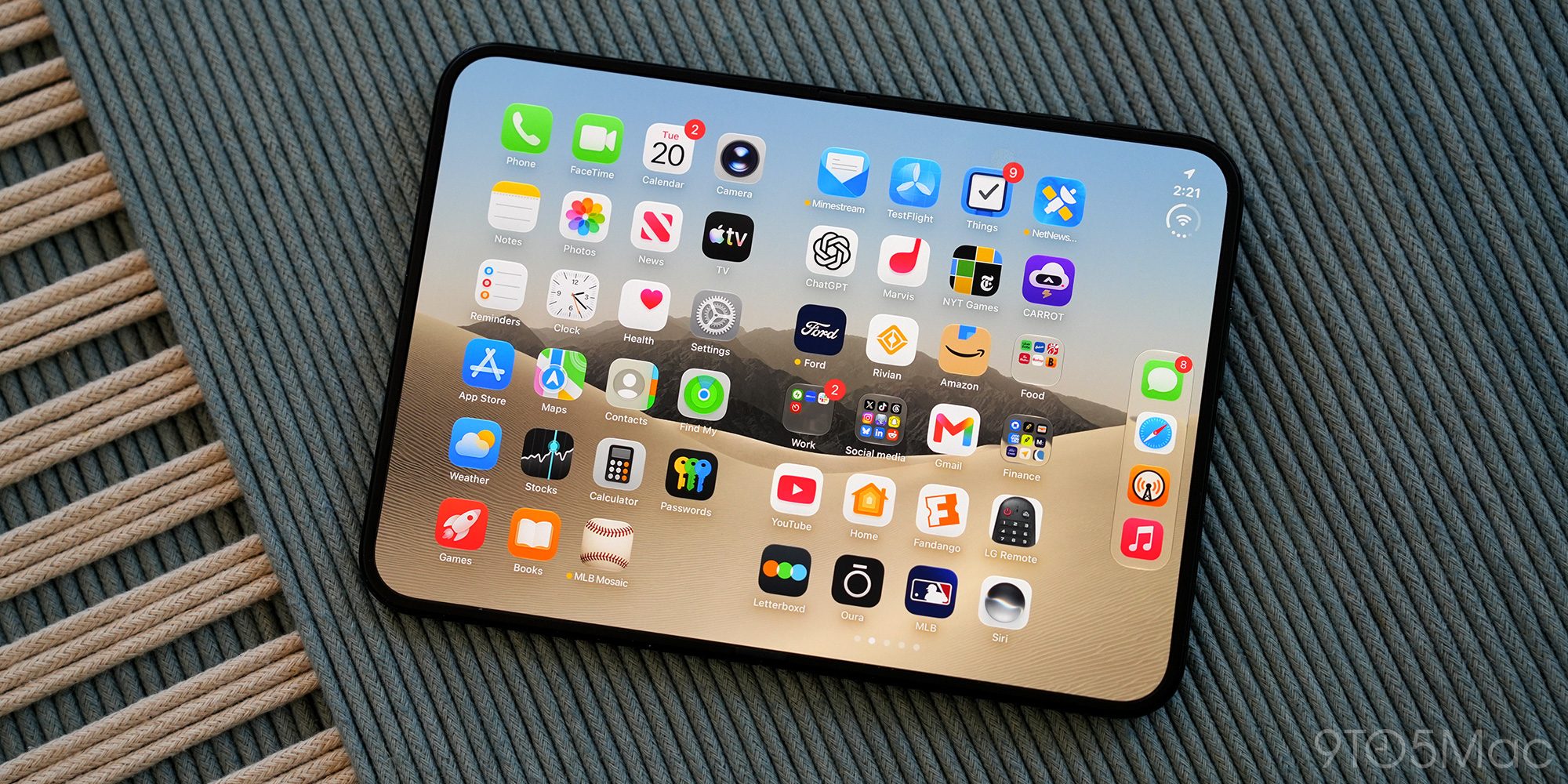
Display technology remains the defining differentiator between the two devices, particularly regarding crease mitigation and camera integration. Apple implemented a specialized nano-texture display layer on the internal folding screen of the iPhone Duo to diffuse ambient light and reduce the visibility of the central fold. Real-world usage indicates that while this nano-texture layer successfully minimizes glare, the physical crease remains noticeable primarily when viewing the screen at acute off-axis angles, much like the glossy polymer display of the Galaxy Z Fold 8. Consequently, industry observers debate whether the anti-glare coating is a structural necessity or an over-engineered solution that could potentially be replaced by a traditional glossy finish in future iterations.

Another critical divergence lies in camera placement. The iPhone Duo features an under-display selfie camera integrated into the primary inner screen. This design choice prioritizes an uninterrupted visual experience for media consumption and reading, albeit at the expense of low-light photographic performance for internal video calls. To compensate, the device provides higher-quality alternative lenses for self-portrait photography. In contrast, traditional punch-hole camera designs on competitor devices maintain superior sensor performance while sacrificing screen real estate.
Additionally, the external industrial design of the iPhone Duo incorporates a horizontal rear camera housing. This layout provides a natural resting ledge for the user’s index finger, improving grip stability. Conversely, the Galaxy Z Fold 8 features a vertical or localized camera module configuration that can occasionally impede natural hand positioning during single-handed use.

Official Responses and Industry Implications
Neither Apple nor Samsung has published direct commentary addressing specific comparative reviews from independent analysts, adhering to standard corporate communication protocols. However, supply chain reports indicate robust consumer demand for the iPhone Duo, prompting suppliers to adjust component manufacturing forecasts upward by more than 40 percent during the initial launch quarter. This surge in demand suggests that the Apple ecosystem possesses a high latent appetite for alternative form factors, irrespective of initial hardware weight penalties.
From an industry perspective, the competition between the iPhone Duo and the Galaxy Z Fold 8 underscores a broader maturation of the smartphone market. Foldables are transitioning from niche luxury items to viable alternatives for enterprise and power users. Operating system architecture continues to dictate the user experience just as much as physical hardware; while iOS offers seamless cross-device synchronization and transparent UI elements, Android platforms provide robust multitasking frameworks and flexible window management tailored for large canvases.

Broader Impact and Future Outlook
The introduction of the iPhone Duo establishes a permanent baseline for Apple’s hardware roadmap, signaling that flexible displays will play an integral role in future product generations. While the current model carries trade-offs in weight and thickness compared to eighth-generation competitors, it successfully retains ergonomic advantages such as rounded exterior corners, a stable multi-angle hinge, and an uninterrupted internal viewing area.
Future iterations of the iPhone Duo are widely expected to benefit from metallurgical advancements that reduce chassis weight without sacrificing durability, as well as refinements to under-display camera technology that may eventually enable secure facial recognition on both internal and external screens. Ultimately, the choice between devices like the iPhone Duo and the Galaxy Z Fold 8 extends beyond raw specifications, relying heavily on user preference for software ecosystems and daily ergonomic priorities.