
Apple Threat Notifications Mercenary Spyware
Apple Threat Notifications: Understanding Mercenary Spyware and Your Digital Defense
Apple’s implementation of Threat Notifications represents a critical advancement in user security, specifically designed to alert individuals targeted by state-sponsored mercenary spyware. This sophisticated form of surveillance, distinct from common malware, is developed and deployed by private companies, often contracted by governments, with the explicit purpose of infiltrating and extracting sensitive data from high-value targets. Understanding the nature of this threat, how Apple’s notifications work, and the proactive steps users can take is paramount in safeguarding their digital lives. Mercenary spyware is not a casual tool; its deployment signifies a significant and deliberate attempt to compromise an individual’s privacy and security, often involving nation-state actors or those operating with their tacit approval. These operations are characterized by their stealth, persistence, and the advanced technical capabilities employed to bypass conventional security measures.
The genesis of mercenary spyware can be traced to the burgeoning private surveillance industry, a sector that has grown exponentially in recent years. Companies in this industry develop highly specialized tools, often referred to as “zero-click” exploits, which can compromise devices without any user interaction. This means a target does not need to click a malicious link, download an attachment, or even open an app to fall victim. The exploitation often leverages previously unknown vulnerabilities in operating systems and applications, termed “zero-day” exploits, making them incredibly difficult to detect and defend against. These vulnerabilities are then used to deliver payloads that can grant attackers extensive access, including real-time microphone and camera activation, GPS tracking, message interception, and the ability to exfiltrate files and credentials. The economic model driving this industry involves selling these capabilities to intelligence agencies and law enforcement, but the potential for misuse by authoritarian regimes or even rogue actors is a significant global concern.
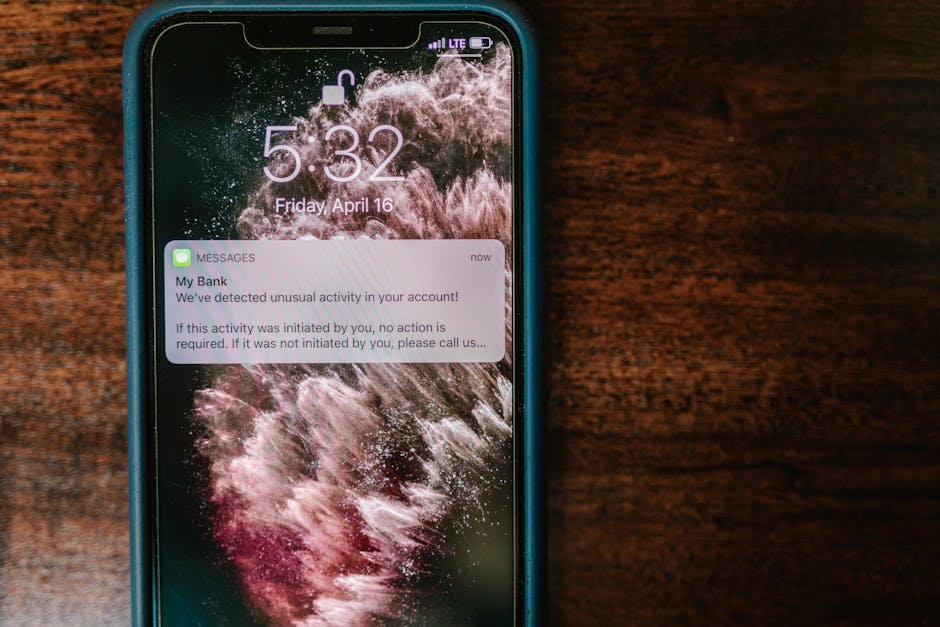
Apple’s Threat Notifications are a direct response to this evolving threat landscape. The system is not designed to alert every user; it is specifically triggered when Apple detects “state-sponsored mercenary spyware” targeting an Apple ID. This targeted nature means that individuals receiving such a notification are likely to be of significant interest to sophisticated adversaries. The notification itself is a stark warning, appearing as a banner at the top of the device’s screen and an email sent to the associated Apple ID. The message explicitly states that the user has been targeted by state-sponsored attackers and advises them to take immediate security measures. This transparency is a departure from traditional security alerts, which often offer less detail about the nature of the threat, reflecting Apple’s commitment to empowering users with actionable information. The distinction between state-sponsored mercenary spyware and less sophisticated malware is crucial; the former implies a level of resources and intent that warrants a higher level of concern and a more targeted response.
The technical mechanisms behind the detection of mercenary spyware are complex and proprietary, drawing on Apple’s extensive security research and intelligence gathering. It involves analyzing device activity, network traffic, and comparing it against known indicators of compromise (IOCs) associated with these advanced threats. This analysis is performed at scale, identifying patterns that are indicative of sophisticated surveillance campaigns rather than random malware attacks. Apple’s security engineers work tirelessly to discover and patch zero-day vulnerabilities exploited by these actors. When a new exploit is identified or when a device exhibits behavior consistent with an active mercenary spyware compromise, the Threat Notification system is triggered. This proactive detection is essential, as once a device is compromised by this level of attacker, traditional antivirus or anti-malware software may be ineffective or even compromised itself.
Receiving a Threat Notification from Apple is a serious event, demanding immediate and decisive action. The first and most crucial step is to heed the warning and take the recommended security measures seriously. Apple provides a dedicated webpage with detailed instructions and guidance for users who have received a Threat Notification. These instructions typically involve updating all Apple devices to the latest software versions, as updates often contain patches for newly discovered vulnerabilities. Furthermore, users are advised to enable all available security features, such as Two-Factor Authentication (2FA) for their Apple ID and other critical online accounts. Changing passwords for all online services, especially those accessed from the compromised device, is also a critical step to mitigate the risk of further credential theft.
Beyond immediate updates and password changes, individuals who have received a Threat Notification should consider a more comprehensive review of their digital security posture. This includes scrutinizing any third-party apps installed on their devices, as some may have been compromised or used as an entry point. Disabling location services for apps that do not require them, and reviewing app permissions regularly, can limit the data accessible to potential attackers. For individuals in high-risk professions or those who believe they are under persistent surveillance, adopting a “digital hygiene” approach that is far more rigorous than that of an average user is recommended. This can involve using encrypted communication tools like Signal for all sensitive conversations, employing VPNs to mask IP addresses and encrypt internet traffic, and limiting the use of personal devices for highly confidential work.
The implications of being targeted by mercenary spyware extend beyond immediate data compromise. These attacks can be used to discredit individuals, influence political discourse, or gain strategic advantages in corporate or geopolitical contexts. For journalists, activists, human rights defenders, and political dissidents, being a target of such spyware can have severe repercussions, including personal safety risks. Apple’s Threat Notification system, therefore, is not just a technical alert; it is a signal that an individual’s information and potentially their safety are at significant risk. Understanding the motivations behind these attacks, which often involve intelligence gathering, economic espionage, or suppression of dissent, is vital for comprehending the gravity of receiving such a notification.
The broader cybersecurity community continues to grapple with the challenges posed by the mercenary spyware industry. Organizations like Citizen Lab have played a pivotal role in exposing the activities of spyware vendors and their clients. The lack of robust international regulation and the opaque nature of the industry make it difficult to hold perpetrators accountable. Apple’s proactive stance through its Threat Notification system is a welcome development, but it represents only one facet of a much larger, ongoing struggle. Users must remain vigilant, continuously educate themselves about emerging threats, and implement strong security practices to protect themselves. The ongoing arms race between spyware developers and security researchers necessitates a multi-layered approach to defense, where software updates, strong authentication, and user awareness are all critical components.
The future of digital security will likely involve a continuous escalation of these sophisticated threats. As technology advances, so too will the methods employed by those seeking to exploit it. Apple’s commitment to user privacy and security, as demonstrated by its Threat Notification system, is a crucial bulwark against these evolving dangers. However, the responsibility for digital safety does not solely rest with technology providers. Users must actively engage in their own defense, staying informed, adopting best practices, and understanding the potential risks associated with their online activities. The threat of mercenary spyware is real and present, and a well-informed and proactive user is the first line of defense. The continuous evolution of these threats means that vigilance and adaptation are not optional but essential for maintaining digital security in an increasingly complex world. The goal is not simply to react to threats but to build a resilient digital presence that can withstand sophisticated attacks.