How to Build a Successful Marketplace Insights from CS-Cart and TackleTarts Case Study

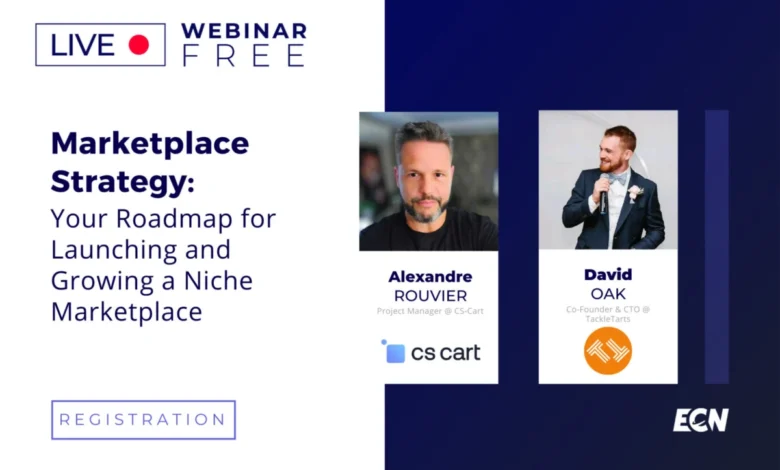
The global retail landscape is undergoing a fundamental transformation as traditional e-commerce models give way to the more dynamic and scalable marketplace structure. This shift, driven by consumer demand for variety and competitive pricing, has prompted retailers to look beyond selling their own inventory. In a recent strategic exchange, e-commerce software provider CS-Cart and the specialized merchant TackleTarts collaborated to provide a comprehensive roadmap for businesses seeking to transition into the marketplace arena. The presentation, hosted by E-Commerce Nation, highlights the technical and operational nuances of building a platform that allows multiple vendors to sell alongside a primary brand, effectively democratizing the "Amazon model" for specialized niches.
The marketplace model represents a significant evolution in digital commerce. Unlike traditional e-commerce, where a retailer manages its own inventory, logistics, and supply chain, a marketplace operator acts as a facilitator. This allows for an exponential increase in SKU (Stock Keeping Unit) counts without the associated overhead of warehouse storage or capital-intensive inventory procurement. According to recent industry data, third-party marketplaces now account for more than 50% of global online sales, a figure that continues to grow as technology lowers the barrier to entry for smaller players.
Chronology of the Marketplace Evolution
To understand the context of the CS-Cart and TackleTarts collaboration, one must look at the timeline of digital commerce over the last decade. In the early 2010s, the marketplace model was dominated almost exclusively by giants like Amazon, eBay, and Alibaba. These platforms possessed the proprietary technology and massive capital required to manage thousands of third-party vendors.
By 2018, the emergence of "Marketplace-as-a-Service" (MaaS) and dedicated multi-vendor software solutions began to change the landscape. Small and medium-sized enterprises (SMEs) gained access to the same tools used by industry leaders. By 2020, the global pandemic accelerated this shift, as retailers realized that diversifying their supply chains through third-party vendors was a vital survival strategy.
The webinar released in late 2023 comes at a critical juncture. As the e-commerce market reaches saturation in many sectors, the "niche marketplace" has emerged as the next frontier. TackleTarts, a specialized player in the angling and fishing equipment sector, serves as a prime example of this trend. By partnering with CS-Cart, a software company specializing in multi-vendor platforms, TackleTarts demonstrated how a brand can leverage its industry expertise to become a hub for an entire community of sellers.
Supporting Data: The Economic Case for Marketplaces
The drive toward marketplace development is backed by compelling economic data. Research indicates that marketplaces grow at double the rate of traditional e-commerce. For a retailer, the benefits are multi-faceted:
- Inventory Risk Mitigation: Because third-party vendors own the stock, the marketplace operator is not burdened by the risk of unsold inventory or seasonal fluctuations.
- Increased Traffic and SEO: A wider variety of products naturally leads to a broader range of keywords, improving organic search engine rankings and driving higher traffic volumes.
- Commission-Based Revenue: Beyond direct sales, operators earn a percentage of every transaction facilitated on the platform, creating a high-margin revenue stream that scales with the success of the vendors.
- Data Insights: Marketplace operators gain access to vast amounts of consumer data, allowing them to identify trending products and gaps in the market that they might eventually fill with their own private-label offerings.
In the case of TackleTarts, the transition allowed them to offer a "one-stop-shop" experience for fishing enthusiasts. By integrating products from various specialized manufacturers, they increased their average order value (AOV) and customer retention rates, as shoppers no longer needed to visit multiple sites to complete their kits.
Technical Infrastructure and Strategic Development
The collaboration between CS-Cart and TackleTarts emphasized that the success of a marketplace is deeply tied to its underlying technology. Developing a marketplace is significantly more complex than launching a standard online store. The presentation outlined several critical technical requirements that prospective operators must consider.
Vendor Management Systems
A robust marketplace must provide a seamless experience for its sellers. This includes a dedicated vendor dashboard where merchants can upload products, manage their own shipping settings, and track their performance. CS-Cart’s Multi-Vendor software, for instance, focuses on automating these processes to reduce the administrative burden on the marketplace owner.
Automated Payouts and Commission Logic
One of the primary hurdles in marketplace management is the financial distribution of funds. An effective platform must be able to split a single customer payment between multiple vendors while automatically deducting the operator’s commission and processing fees. This requires integration with sophisticated payment gateways like Stripe Connect or PayPal for Marketplaces.
Quality Control and Brand Consistency
A major risk of the marketplace model is the potential for a decline in customer service quality. If a third-party vendor fails to ship a product on time, it reflects poorly on the marketplace brand. The CS-Cart and TackleTarts exchange highlighted the importance of setting strict "Service Level Agreements" (SLAs) for vendors and using technology to monitor compliance.
Official Responses and Industry Implications
While official statements from the webinar emphasize the ease of use of modern tools, industry analysts point out that the human element remains the most challenging aspect of marketplace development. "Technology is the enabler, but community and trust are the currency of a successful marketplace," noted an E-Commerce Nation analyst following the event.
CS-Cart representatives suggested that the most successful marketplaces are those that do not try to compete with Amazon on scale, but rather on "curation." By focusing on a specific niche—such as angling, high-end fashion, or sustainable home goods—operators can provide a level of expertise and community engagement that a generalist platform cannot match.
TackleTarts’ journey suggests that for many retailers, the future lies in becoming a "platform brand." This involves moving away from the mindset of a merchant and toward the mindset of a curator. This shift requires a different set of KPIs, focusing less on individual product margins and more on vendor acquisition costs, platform churn, and gross merchandise volume (GMV).
Broader Impact on the Retail Ecosystem
The democratization of marketplace technology has profound implications for the global retail ecosystem. First, it empowers specialized retailers to reclaim market share from "everything stores." When a consumer seeks a highly technical product, they are increasingly likely to trust a specialized marketplace that understands the nuances of that industry.
Second, the model fosters a more collaborative environment. Small manufacturers who lack the marketing budget to reach a global audience can piggyback on the established traffic of a marketplace like TackleTarts. This creates a symbiotic relationship where the marketplace provides the audience, and the vendor provides the product diversity.
However, the rise of the "independent marketplace" also introduces new regulatory and logistical challenges. Issues such as cross-border VAT compliance, product liability, and data privacy (GDPR) become more complex when multiple parties are involved in a single transaction. The CS-Cart and TackleTarts case study underscores that while the opportunity is "golden," it requires a disciplined approach to legal and operational frameworks.
Conclusion and Future Outlook
The exchange between CS-Cart and TackleTarts serves as a blueprint for the next generation of e-commerce. As the digital economy continues to mature, the ability to "create your own marketplace" is no longer a luxury reserved for the tech elite; it is a viable and increasingly necessary strategy for retailers looking to maintain relevance.
The key takeaways for businesses are clear: identify a niche where expertise adds value, invest in a technical infrastructure that can handle multi-vendor complexity, and focus on building a curated ecosystem of reliable partners. As demonstrated by the TackleTarts case study, the transition from a traditional retailer to a marketplace operator is not merely a technical upgrade, but a strategic pivot that can unlock new levels of scalability and resilience in an ever-changing market.
For those looking to follow in these footsteps, the path involves a rigorous assessment of market needs and a commitment to providing value to both the end consumer and the third-party seller. The replay of the CS-Cart and TackleTarts session remains a vital resource for understanding the practicalities of this transition, offering a rare look behind the curtain of a successful digital transformation. In the coming years, we can expect to see a proliferation of these specialized hubs, each serving a distinct community and collectively reshaping the way the world shops online.