Iphone 16 Production Is Well Underway So Expect More Leaks Soon

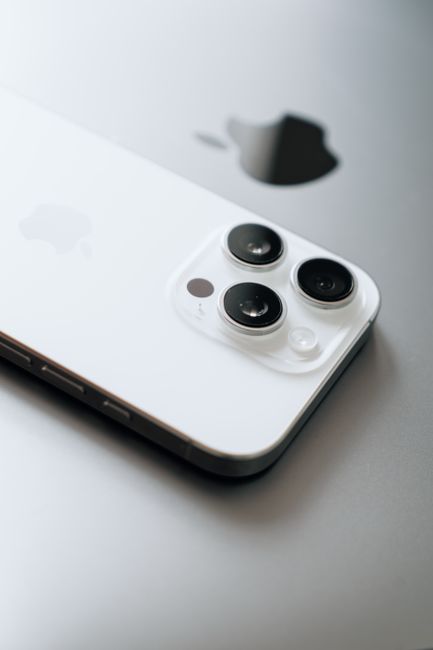
iPhone 16 Production Underway: Brace for an Avalanche of Leaks
The rumor mill is churning at an accelerated pace, a sure sign that Apple’s next flagship device, the iPhone 16 series, is not just in design but is now deep into its production cycle. This transition from conceptualization and prototyping to mass manufacturing is a critical juncture, not only for Apple but also for the tech enthusiast community and the industry at large. As production ramps up, the likelihood of further, more concrete leaks escalates exponentially. Components are being manufactured in vast quantities, assembly lines are humming, and more employees across various stages of the supply chain are handling and observing new parts and designs. Each step in this intricate process presents potential points of information leakage, from disgruntled employees to accidental public exposure of prototype devices or even early production units. This article will delve into what iPhone 16 production being underway signifies, the types of leaks we can anticipate, and why these leaks are becoming increasingly inevitable and significant.
The journey of a new iPhone from initial concept to global launch is a meticulously planned and executed, multi-stage operation. The "production underway" phase signifies that the design freeze has been finalized, and Apple has committed to a specific set of hardware specifications and aesthetic choices. This means that the prototypes that may have been circulating internally are now being translated into actual, manufacturable components and devices. This involves a colossal global supply chain, with factories in various countries producing everything from microchips and displays to camera sensors and chassis components. Once these individual parts are manufactured, they are shipped to assembly plants, primarily in Asia, where the iPhones are meticulously put together. The sheer scale of this operation, involving hundreds of thousands of workers and vast quantities of materials, inherently increases the chances of information escaping Apple’s tightly controlled environment.
The types of leaks we can expect to see will evolve as production progresses. In the very early stages of production, leaks often pertain to individual components. This could include detailed schematics of the A-series chip, revealing core counts, clock speeds, and potential architectural improvements. We might see images of new display panels, hinting at size changes, brighter screens, or even the long-rumored under-display camera technology for the front-facing camera. Camera sensor leaks are also a staple, providing insights into new megapixel counts, sensor sizes, and lens configurations, which directly correlate to photographic capabilities. These component-level leaks, while informative, often lack the context of how they will be integrated into the final device.
As production moves into the assembly phase, leaks become more holistic and visually striking. We can anticipate seeing images and videos of actual iPhone 16 units, albeit likely prototypes or early production models. These leaks will offer definitive confirmation of design changes, such as the rumored repositioning of the camera lenses, the potential introduction of a new "Capture Button" for enhanced camera functionality, or variations in physical dimensions. Screen protector manufacturers, often early recipients of device dimensions for their product development, are a consistent source of such leaks, providing highly accurate outlines of new phone shapes and sizes. Dummy units, essentially non-functional shells used for case manufacturers and accessory makers, also frequently surface, offering a tangible glimpse of the device’s exterior.
Furthermore, leaks will begin to reveal internal components and their arrangements. This could include detailed logic boards, revealing the placement of the A-series chip, RAM modules, and other crucial circuitry. Battery sizes and capacities are also frequently leaked through teardown analyses of early units or even through official regulatory filings in certain regions, which sometimes require the disclosure of battery specifications. Software leaks, while less directly tied to physical production, often accompany hardware leaks as early software builds are tested on pre-production hardware. These software leaks can provide glimpses into new operating system features and user interface changes that are designed to complement the new hardware.
The iPhone 16 series is anticipated to bring several significant upgrades, and production being underway means these upgrades are no longer theoretical. Rumors suggest a potential return to a vertical camera layout on the base iPhone 16 and 16 Plus models, potentially enabling Spatial Video recording for Apple’s Vision Pro headset. The Pro models are expected to see further advancements in their camera systems, possibly including larger main sensors and improved telephoto capabilities. The new A-series chip, likely dubbed the A18 Bionic, is a crucial component whose production is a major undertaking. Its performance enhancements will be a key selling point, and leaks regarding its architecture and capabilities will be eagerly scrutinized.
The adoption of a new "Capture Button" is another area of high anticipation. This dedicated button, rumored to be capacitive with haptic feedback, is expected to offer more intuitive control over camera functions, such as focusing, zooming, and shutter activation. Production of these new buttons and their integration into the chassis will be a distinct area for potential leaks, showing their placement and functionality. The larger screen sizes for the iPhone 16 Pro and Pro Max, potentially moving to 6.3-inch and 6.9-inch displays respectively, will also be evident in leaked chassis and screen dimensions.
The reliability of these leaks is a complex equation. While some leaks are mere speculation or even deliberate misinformation from competitors, a significant portion, especially those emerging during the production phase, tend to be remarkably accurate. This is due to the fact that they often originate from individuals directly involved in the manufacturing and assembly process, or from companies within Apple’s extensive supply chain. Component manufacturers, logistics providers, and even assembly line workers can inadvertently or intentionally reveal information. Regulatory bodies in countries like China or the US sometimes require disclosure of certain device specifications, further contributing to the flow of information.
Moreover, the sheer volume of leaks from multiple, independent sources increases their credibility. When different leaks corroborate each other on key features or design elements, it lends substantial weight to their accuracy. For instance, if multiple sources independently reveal the same camera bump design or the same button placement, it’s highly probable that this is indeed what Apple has planned.
The impact of these leaks on Apple’s product cycle and market perception is multifaceted. On one hand, the anticipation generated by leaks can build significant consumer interest and excitement leading up to the official launch. It allows enthusiasts to dissect potential features, compare them to existing models, and form expectations. This can contribute to strong pre-order numbers and a successful launch day. On the other hand, excessive or premature leaks can diminish the element of surprise that Apple traditionally cultivates for its product reveals. The meticulously choreographed launch events, designed to showcase new products with maximum impact, can be somewhat undermined if consumers have already seen and digested most of the key features through leaks.
However, Apple has, to a certain extent, learned to live with and even subtly leverage this leak culture. The company is known for its stringent security measures, but the sheer complexity and global nature of its supply chain make complete containment virtually impossible. Some analysts even speculate that Apple may, in some instances, intentionally allow certain controlled leaks to gauge public reaction or to manage expectations. The consistent and early emergence of leaks about upcoming iPhones has become an almost predictable part of the annual tech calendar.
As iPhone 16 production intensifies, we can expect the frequency and specificity of leaks to increase. We will likely see more detailed images of internal components, more precise dimensions, and potentially even early benchmarks of the new A-series chip. The types of leaks will shift from abstract component details to concrete evidence of the final product’s form factor and key functionalities. This ongoing stream of information, while sometimes overwhelming, provides a fascinating window into the development and manufacturing process of one of the world’s most anticipated consumer electronics. The coming weeks and months will undoubtedly be a period of intense scrutiny for every leaked image, every rumor, and every piece of information that surfaces, all pointing towards the eventual unveiling of the iPhone 16. The closer we get to Apple’s annual September launch event, the more the fragmented puzzle pieces of leaked information will coalesce into a clearer picture of what Apple has in store for us. This production phase is not just about making phones; it’s about making the future, and the leaks are the early blueprints of that future being revealed to the world. The continued production signifies that the decisions have been made, the designs are locked, and the world is one step closer to holding the next generation of Apple’s flagship smartphone.


