Is This Our First Look At The Apple Watch X
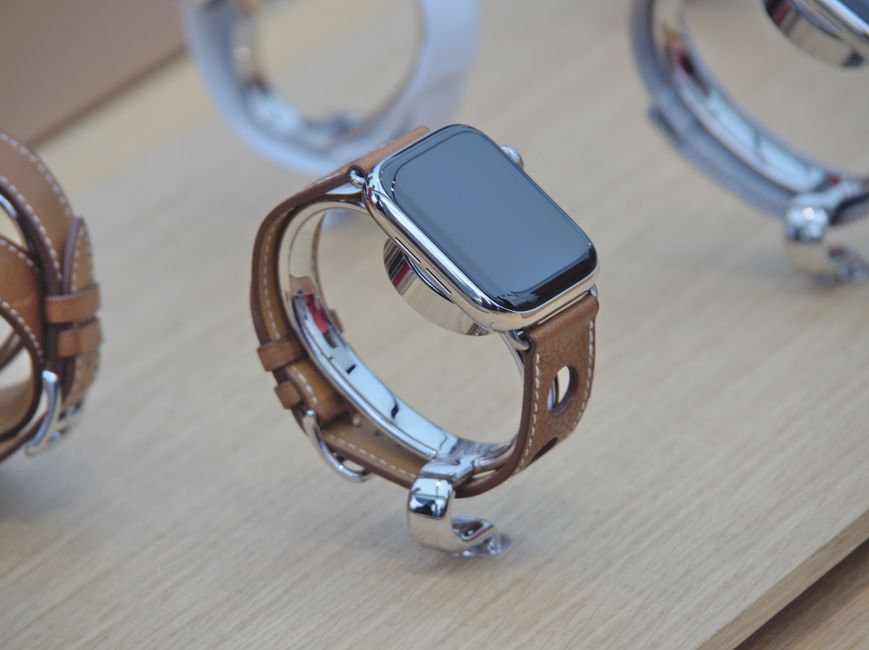
Is This Our First Look at the Apple Watch X?
The Apple Watch has become an indispensable part of many people’s lives, evolving from a simple notification device to a sophisticated health and fitness tracker, communication hub, and even a medical tool. With each annual iteration, Apple pushes the boundaries of what a smartwatch can do. The persistent rumors and leaks surrounding the Apple Watch X, as it’s widely speculated to be called for its potential tenth-generation release, have generated significant excitement. This article will delve into the most credible leaks, patent filings, and analyst predictions, piecing together a comprehensive picture of what this groundbreaking device might offer. While Apple maintains its characteristic silence, the accumulated evidence strongly suggests a transformative leap forward, potentially redefining the smartwatch landscape.
One of the most significant and consistently rumored changes for the Apple Watch X revolves around its design and display. For years, the Apple Watch has maintained a similar rectangular form factor with rounded corners, a design that has proven both functional and aesthetically pleasing. However, leaks suggest Apple is exploring a completely redesigned chassis, potentially moving away from the current design language. This could manifest as a more squared-off aesthetic, reminiscent of the original Apple Watch design but with a modern twist, or even a subtly different screen shape. Furthermore, there’s a strong indication that the display technology itself will see a substantial upgrade. The move to Micro-LED technology has been a persistent rumor for Apple devices, and the Apple Watch X is a prime candidate for this groundbreaking display innovation. Micro-LED offers several advantages over current OLED panels, including superior brightness, improved contrast ratios, enhanced color accuracy, and greater power efficiency. This would translate to a more vibrant and immersive visual experience, especially outdoors, and could contribute to longer battery life – a perennial concern for smartwatch users. The potential for a thinner and lighter device is also a significant implication of a new display and chassis design. Apple consistently strives for refinement in its product lines, and a redesign of this magnitude would certainly align with that philosophy, offering a more comfortable and discreet wearing experience.
Beyond aesthetics, the Apple Watch X is heavily anticipated to introduce substantial advancements in its health monitoring capabilities. Apple has made significant strides in this area with previous models, introducing features like ECG, blood oxygen sensing, and fall detection. The Apple Watch X is expected to build upon this foundation with non-invasive blood glucose monitoring. This is arguably the most sought-after health feature in wearable technology, as it would revolutionize diabetes management and proactive health tracking for millions worldwide. While technically challenging, Apple’s extensive research and development in sensor technology, combined with its strong focus on user health, make this a plausible and impactful addition. Other rumored health sensors include temperature sensing for fertility tracking and sleep pattern analysis, which would offer even deeper insights into users’ well-being. The integration of a more advanced optical heart rate sensor is also highly probable, leading to more accurate heart rate readings during workouts and a better understanding of cardiovascular health. Furthermore, the potential for blood pressure monitoring, while perhaps more ambitious, is also being discussed, though this might be a feature reserved for a future iteration if not fully realized in the X. The overarching goal appears to be transforming the Apple Watch X into an even more comprehensive and proactive health companion, moving beyond mere data collection to provide actionable insights and early warnings.
The internals of the Apple Watch X are expected to undergo a significant overhaul, focusing on both performance and power efficiency. A new generation of Apple Silicon, likely an A-series or S-series chip specifically designed for wearables, is a virtual certainty. This new chip will not only boost processing power for faster app launches, smoother animations, and more complex on-device computations but will also be optimized for energy consumption. This enhanced efficiency is crucial for supporting the more demanding health sensors and the potentially brighter Micro-LED display, aiming to achieve improved battery life that addresses user feedback from previous generations. Beyond the core processor, leaks suggest a potential upgrade in RAM and internal storage. More RAM would enable better multitasking and the ability to run more sophisticated applications directly on the watch without relying heavily on a connected iPhone. Increased storage could allow for more offline music, podcasts, and app data, further enhancing the watch’s standalone capabilities. The haptic engine is also rumored to receive an upgrade, providing more nuanced and responsive feedback for notifications and interactions, contributing to a more intuitive user experience. Connectivity is another area ripe for improvement. While current models offer Wi-Fi and cellular, the Apple Watch X might see the inclusion of Wi-Fi 6E or even Wi-Fi 7 support for faster and more reliable wireless connections, and potentially improved Bluetooth capabilities for more stable and extended range connections with accessories.
Software is intrinsically linked to hardware, and the Apple Watch X will undoubtedly debut with a new version of watchOS, likely watchOS 11. This software iteration will be designed to leverage the new hardware capabilities, particularly the advanced health sensors and the improved display. We can anticipate new watch faces optimized for the Micro-LED display, showcasing enhanced detail and responsiveness. Expect more robust health and fitness tracking features, with watchOS 11 offering deeper analysis and personalized insights derived from the new sensor array. This could include AI-powered predictive health alerts based on subtle changes in physiological data. The user interface itself might see refinements to take advantage of the potentially thinner bezels and the improved display technology, offering a more immersive and less cluttered experience. Enhanced Siri integration and more powerful on-device AI capabilities are also likely, allowing for more complex queries and commands to be processed directly on the watch, reducing reliance on the iPhone. The integration of new app categories or expanded functionalities within existing apps to support the advanced health features is also a strong possibility. For instance, a dedicated app for blood glucose management or more detailed sleep cycle analysis could become standard. The evolution of watchOS is crucial for unlocking the full potential of the Apple Watch X’s hardware, and we can expect a comprehensive update that seamlessly integrates new functionalities and enhances existing ones.
The realm of Apple Watch accessories and ecosystem integration is another area where the Apple Watch X is expected to make waves. The potential redesign of the chassis could lead to new bands and band mechanisms. While Apple has largely maintained compatibility with existing bands, a significant design change might necessitate new attachment systems, potentially offering more secure or streamlined options. Furthermore, the enhanced health monitoring capabilities will undoubtedly lead to new integrations within the Apple Health ecosystem. This means deeper synchronization with the Health app on the iPhone, providing users with a more comprehensive and unified view of their health data. The Apple Watch X could also play a more significant role in Apple’s broader health initiatives, potentially acting as a more advanced data collection device for clinical studies or remote patient monitoring programs. The watch’s ability to act as a more independent device, with improved cellular and Wi-Fi capabilities, will also enhance its integration with other smart home devices and services, further solidifying its position as a central hub for personal technology. The focus will likely be on creating a more seamless and interconnected experience, where the Apple Watch X acts not just as a standalone device but as an integral component of a larger technological ecosystem.
Considering the Apple Watch X’s anticipated feature set, the price point is a significant factor for consumers. Given the inclusion of advanced technologies like Micro-LED displays, sophisticated new health sensors, and a redesigned chassis, it is highly probable that the Apple Watch X will represent a premium offering within Apple’s smartwatch lineup. This could mean a higher starting price compared to previous generations, especially for models equipped with cellular connectivity or larger storage options. Apple often positions its flagship products at the higher end of the market, and the Apple Watch X, with its significant technological advancements, is likely to follow this trend. However, it is also possible that Apple will maintain its tiered product strategy, potentially offering slightly less advanced but still capable models at more accessible price points to cater to a wider audience. The introduction of a new premium model might also lead to a price adjustment for older models, making them more competitive in the market. Consumers should be prepared for a potentially higher investment for the latest and greatest from Apple, but the increased functionality and advanced health monitoring capabilities could justify the premium for many.
The anticipation for the Apple Watch X is palpable, fueled by years of incremental improvements and the growing demand for more comprehensive health and wellness features in wearable technology. While Apple’s secrecy ensures that definitive confirmation remains elusive until its official unveiling, the confluence of leaks, patent filings, and industry speculation paints a compelling picture of a device poised for a significant leap forward. From a radical redesign and a revolutionary Micro-LED display to groundbreaking health sensors like non-invasive glucose monitoring, the Apple Watch X promises to redefine what we expect from a smartwatch. Enhanced performance, improved battery life, and a more sophisticated watchOS will further cement its position as a leader in the wearable market. The impact on the broader tech landscape, particularly in health technology and personal computing, is likely to be substantial, setting new benchmarks for innovation and user experience. As the tenth-generation Apple Watch, it is poised to be a landmark device, solidifying Apple’s commitment to advancing personal technology and empowering individuals to live healthier, more connected lives.