Category Smart Home Technology

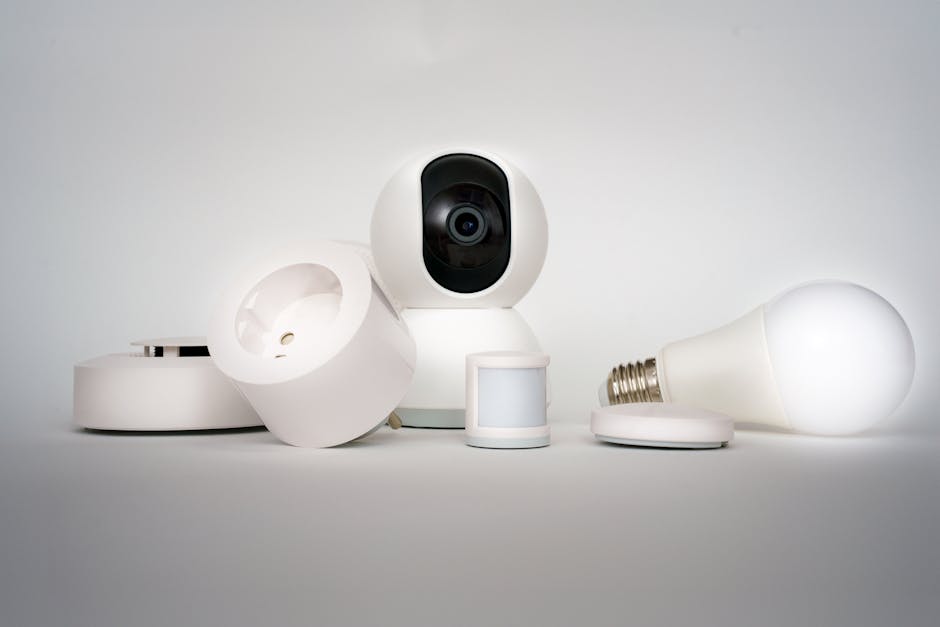
The Internet of Things (IoT) is the foundational concept that enables smart home technology. It refers to the vast network of physical devices, vehicles, appliances, and other items embedded with sensors, software, and network connectivity, allowing them to collect and exchange data. In the context of a smart home, IoT devices are integrated to create a cohesive ecosystem that automates, monitors, and controls various aspects of a living space, enhancing convenience, security, energy efficiency, and overall quality of life. This interconnectedness allows for seamless communication between devices, enabling them to respond to user commands, predefined schedules, or environmental changes. For instance, a smart thermostat can learn a household’s heating and cooling patterns and adjust automatically, while smart lighting can dim or turn off when no motion is detected, contributing to energy savings. The proliferation of affordable sensors, powerful microprocessors, and widespread internet access has fueled the rapid growth of smart home technology, making sophisticated automation and control accessible to a broader consumer base. The underlying principle is to imbue everyday objects with intelligence and connectivity, transforming them from passive tools into active participants in managing a home environment. This extends from simple tasks like turning on a coffee maker remotely to complex scenarios involving integrated security systems that alert homeowners to potential intrusions and adjust environmental controls accordingly.
Smart home technology encompasses a wide array of interconnected devices designed to automate and control household functions, thereby enhancing convenience, security, and energy efficiency. At its core, this category involves the integration of internet-connected devices, sensors, and software that enable remote control and monitoring of various aspects of a home environment. Key subcategories within smart home technology include smart lighting, smart thermostats, smart security systems, smart appliances, and smart entertainment systems, each contributing to a more intelligent and responsive living space. The overarching goal is to create a seamless and intuitive user experience, where devices communicate with each other and respond to user commands, whether delivered through voice assistants, smartphone apps, or automated routines. The evolution of this technology is driven by advancements in wireless communication protocols such as Wi-Fi, Bluetooth, Zigbee, and Z-Wave, which facilitate reliable and efficient data exchange between devices. Furthermore, the development of sophisticated AI and machine learning algorithms allows smart home systems to learn user preferences and behaviors, leading to increasingly personalized and proactive automation. The economic impact of this sector is significant, with continuous innovation driving market growth and consumer adoption across diverse demographics. Understanding the distinct functionalities and interdependencies of these subcategories is crucial for comprehending the full potential of smart home technology.
Smart lighting systems represent a significant segment of smart home technology, offering advanced control over illumination for enhanced ambiance, energy savings, and convenience. These systems typically involve LED bulbs or fixtures equipped with wireless connectivity (Wi-Fi, Bluetooth, Zigbee) that can be controlled remotely via smartphone apps, voice assistants (like Amazon Alexa, Google Assistant, Apple HomeKit), or automated schedules. Key features include dimming capabilities, color temperature adjustments (warm to cool white), and full RGB color spectrum control, allowing users to create diverse lighting moods for different occasions or activities. Scene creation is a prominent aspect, enabling users to pre-set lighting configurations for scenarios like "movie night," "reading," or "wake-up." Motion sensors can be integrated to automatically turn lights on when a person enters a room and off after a period of inactivity, optimizing energy consumption. Geofencing technology can also be employed, turning lights on or off as users arrive or depart their homes. Beyond convenience and aesthetics, smart lighting contributes to home security by simulating occupancy when residents are away, deterring potential intruders. The energy efficiency of LED technology, coupled with the ability to precisely control usage, results in substantial reductions in electricity bills. Advanced smart lighting systems can even integrate with other smart home devices, such as smart blinds to optimize natural light or security systems to activate specific lighting during an alarm event. The growing market for smart lighting reflects increasing consumer demand for personalized home environments, cost savings, and enhanced security features.
Smart thermostats represent a pivotal element of smart home technology, focusing on intelligent climate control for optimized comfort and energy efficiency. These devices go beyond traditional programmable thermostats by learning user habits and preferences to automatically adjust heating and cooling cycles. Through Wi-Fi connectivity, smart thermostats can be controlled remotely via smartphone applications, allowing users to adjust the temperature from anywhere, ensuring their home is comfortable upon arrival. Integration with voice assistants further enhances convenience, enabling hands-free temperature adjustments. Advanced features often include geofencing, which uses a user’s smartphone location to automatically adjust the thermostat when they leave or approach home, preventing unnecessary energy expenditure. Learning algorithms analyze occupancy patterns, local weather forecasts, and even utility peak pricing to make highly efficient adjustments, leading to significant energy savings, often reported as 10-15% or more annually. Many smart thermostats also offer detailed energy usage reports, providing insights into consumption patterns and suggesting further optimization strategies. Compatibility with various HVAC systems, including multi-stage heating and cooling, as well as multi-zone systems, is crucial for widespread adoption. Some models can also detect humidity levels and adjust accordingly, contributing to overall indoor air quality. The proactive nature of smart thermostats, anticipating needs and optimizing performance based on dynamic factors, positions them as essential components of a truly intelligent and efficient home.
Smart security systems are a cornerstone of smart home technology, offering enhanced protection and peace of mind through interconnected devices and remote monitoring. These systems typically comprise a central hub that communicates wirelessly with a range of sensors and cameras. Key components include door and window sensors that detect unauthorized entry, motion detectors that identify movement within a defined area, and smart cameras (indoor and outdoor) equipped with high-definition video recording, night vision, and two-way audio capabilities. Many smart security systems also integrate with smart locks, allowing users to remotely lock or unlock doors and grant temporary access to guests or service providers. Smoke and carbon monoxide detectors with smart capabilities can send instant alerts to homeowners’ smartphones in case of a fire or gas leak, even when they are away. The core advantage of smart security systems lies in their remote accessibility. Users can monitor their home in real-time through smartphone apps, view live camera feeds, receive instant notifications of triggered events, and even communicate with individuals within their home via two-way audio. Professional monitoring services are often available as an add-on, providing a layer of security by alerting authorities in the event of an emergency. Features like geofencing can also play a role, arming or disarming the system automatically as users leave or enter the home. The ability to customize security configurations, add or remove devices, and integrate with other smart home ecosystems provides a flexible and scalable solution for homeowners seeking to protect their property and loved ones.
Smart appliances are transforming the functionality and convenience of everyday household devices through internet connectivity and intelligent features. This category encompasses a wide range of products, including smart refrigerators, ovens, dishwashers, washing machines, dryers, and even coffee makers. The primary benefit of smart appliances is their ability to be controlled and monitored remotely via smartphone applications. This allows users to preheat an oven on their way home from work, check the contents of their refrigerator while at the grocery store, or receive notifications when a laundry cycle is complete. Beyond remote control, smart appliances often incorporate advanced features driven by AI and sensors. For instance, smart refrigerators might track inventory, suggest recipes based on available ingredients, and alert users when items are nearing their expiration date. Smart ovens can offer guided cooking programs, precise temperature control, and even internal cameras for monitoring food. Smart washing machines and dryers can automatically select optimal cycles based on fabric type and load size, and provide notifications for completion. Integration with other smart home devices is a key aspect, enabling synergistic operations. A smart oven could, for example, be preheated automatically when a user selects a recipe from their smart kitchen hub. Energy efficiency is another significant advantage, with many smart appliances offering optimized energy usage modes and detailed consumption reports. The ability to receive diagnostic information and troubleshooting assistance remotely also contributes to reduced maintenance costs and improved user experience. As the technology matures, smart appliances are becoming more intuitive, predictive, and integrated into the overall smart home ecosystem, promising a more streamlined and automated domestic life.
Smart entertainment systems represent a sophisticated integration of audio-visual devices and intelligent control, enhancing the home entertainment experience. This category includes smart televisions (Smart TVs) with built-in internet connectivity and operating systems, smart speakers with integrated voice assistants, streaming devices, and multi-room audio systems. Smart TVs offer access to a vast array of streaming services, online content, and interactive apps directly on the television screen, eliminating the need for external devices in many cases. Voice control, powered by assistants like Alexa, Google Assistant, or Siri, allows users to change channels, adjust volume, search for content, and even control other connected smart home devices using spoken commands. Smart speakers, often equipped with high-fidelity audio capabilities, serve as central hubs for voice control and music playback from various streaming platforms. Multi-room audio systems enable seamless playback of music or audio content across different zones of the house, controllable via smartphone apps or voice commands, creating a synchronized or independent listening experience in each area. Integration with other smart home devices can trigger specific entertainment scenarios. For example, a "movie night" scene might automatically dim the smart lights, lower the smart blinds, and turn on the smart TV and sound system. The evolution of smart entertainment systems also includes advancements in picture and sound quality, such as 4K, HDR, and immersive audio technologies, further elevating the home viewing and listening experience. The focus is on creating a cohesive and intuitive ecosystem that simplifies access to content and enhances the overall enjoyment of home entertainment.
The interoperability of smart home devices is paramount for creating a truly functional and seamless smart home ecosystem. Interoperability refers to the ability of different devices and systems, often from various manufacturers, to communicate, exchange data, and work together effectively. Without robust interoperability, a smart home can become a fragmented collection of standalone devices, limiting the potential for automation and complex routines. Several wireless communication protocols facilitate this, including Wi-Fi, Bluetooth, Zigbee, and Z-Wave. Each protocol has its strengths and weaknesses in terms of range, power consumption, and data transfer rates, and many smart home hubs are designed to support multiple protocols to maximize compatibility. Standards and platforms like Matter, a new connectivity standard, are emerging with the explicit goal of simplifying interoperability and making it easier for devices to work together regardless of brand. This is achieved through a unified communication layer that ensures devices from different manufacturers can discover and control each other. Voice assistants (Amazon Alexa, Google Assistant, Apple HomeKit) play a crucial role in bridging the gap, acting as central control points that can interpret commands and translate them into actions for various connected devices. APIs (Application Programming Interfaces) also enable developers to create integrations between different services and devices, further expanding the possibilities. The ultimate aim of achieving high levels of interoperability is to enable the creation of sophisticated automations and scenarios that would be impossible with isolated devices. For instance, a smart security system could trigger a "welcome home" scene that disarms the alarm, turns on specific lights, and adjusts the thermostat, all in response to the user’s arrival. As the smart home market matures, interoperability remains a key area of development, promising a more cohesive, user-friendly, and powerful smart home experience.
Data security and privacy are critical considerations within the smart home technology landscape. As more devices become interconnected and collect personal data, ensuring the security of this information and respecting user privacy becomes paramount. Smart home devices often collect sensitive information, including usage patterns, personal preferences, location data, and even audio and video recordings. Therefore, robust security measures are essential to protect this data from unauthorized access, breaches, and malicious attacks. Manufacturers must implement strong encryption protocols for data transmission and storage, secure authentication mechanisms to prevent unauthorized access to device controls, and regular software updates to patch vulnerabilities. Users also play a vital role in maintaining security by choosing strong, unique passwords for their Wi-Fi networks and smart home accounts, enabling two-factor authentication whenever possible, and being mindful of the permissions granted to smart home apps. Privacy concerns extend to how the data collected by smart home devices is used by manufacturers and third parties. Transparency regarding data collection practices, clear privacy policies, and user control over data sharing are essential for building trust. Regulations such as GDPR (General Data Protection Regulation) and CCPA (California Consumer Privacy Act) are increasingly influencing how companies handle user data, pushing for greater accountability and user rights. The development of privacy-preserving technologies, such as on-device processing of data and anonymization techniques, is also contributing to a more secure and privacy-conscious smart home ecosystem. Addressing these concerns is not only a matter of compliance but also crucial for the long-term adoption and acceptance of smart home technology.
The future of smart home technology points towards increasing automation, enhanced personalization, and deeper integration with artificial intelligence. We can anticipate a shift from reactive control, where users initiate commands, to proactive systems that anticipate needs and act autonomously. AI algorithms will become more sophisticated, enabling smart homes to learn complex patterns of behavior, predict future requirements, and adapt in real-time to changing circumstances. This could manifest in systems that optimize energy consumption based on anticipated occupancy and weather, or security systems that intelligently distinguish between normal activity and genuine threats. Personalization will be a key driver, with smart homes tailoring experiences to individual users based on their preferences, habits, and even emotional states. Imagine a home that adjusts lighting, music, and temperature to create a calming environment after a stressful day, or a kitchen that proactively suggests meals based on dietary needs and available ingredients. Edge computing, where data processing occurs locally on devices rather than solely in the cloud, will become more prevalent. This will enhance responsiveness, reduce reliance on internet connectivity for certain functions, and improve data security and privacy by keeping sensitive information within the home. The integration of smart home technology with broader ecosystems, such as smart cities and connected vehicles, will also expand its capabilities. For example, a connected car could communicate with a smart home to pre-condition the house before arrival. Furthermore, advancements in sensor technology will lead to more comprehensive environmental monitoring, including air quality, water usage, and even the early detection of health issues. The overarching trend is towards a more intuitive, intelligent, and seamlessly integrated living environment that enhances convenience, efficiency, and overall well-being.


