Apple Hints That The Iphone Se Is Closer Than Ever

iPhone SE 4 Rumors Intensify: Apple’s Budget Flagship on the Horizon
The rumor mill surrounding Apple’s next-generation iPhone SE model, widely speculated to be the iPhone SE 4, is churning with an unprecedented intensity. A confluence of leaks, analyst predictions, and supply chain whispers paints a compelling picture of a device that is not just in development, but potentially closer to a public unveiling than ever before. This surge in information suggests a strategic shift in Apple’s budget smartphone strategy, potentially leveraging familiar yet powerful hardware to deliver an Apple experience at a more accessible price point. The consistent threads in these reports point towards a significant redesign, a more modern display, and the integration of technologies previously reserved for higher-tier iPhones, all while retaining the core philosophy of the SE line: offering premium performance in a value-oriented package.
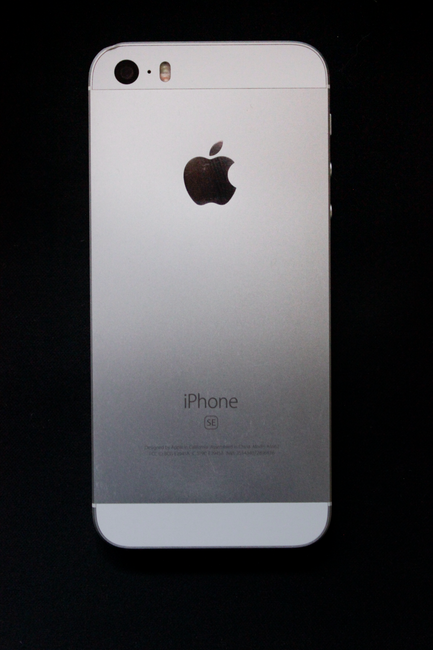
The most significant and consistently reported detail regarding the iPhone SE 4 is its anticipated design overhaul. Unlike previous SE iterations that relied on the aging chassis of older iPhone models (the first SE mirroring the iPhone 5s, and the second and third generations utilizing the iPhone 8 design), leaks strongly suggest the SE 4 will adopt a design language akin to the iPhone 14. This marks a substantial departure, signaling Apple’s intent to equip its budget iPhone with a more contemporary aesthetic. This hypothetical iPhone 14-esque design would likely feature a flat display with a notch to house the Face ID sensors, a move away from the iconic Home button that has been a hallmark of the SE line since its inception. The implications of this shift are far-reaching, not only in terms of user interface and functionality but also in Apple’s broader product ecosystem. By aligning the SE 4’s design with a recent flagship model, Apple can streamline manufacturing processes and potentially leverage economies of scale, making the device more cost-effective to produce. Furthermore, it addresses a key criticism of previous SE models: their dated physical appearance, which, for some consumers, detracted from the premium Apple experience. The adoption of an edge-to-edge display also opens the door for a larger screen size within a relatively compact form factor, a desirable trait for many smartphone users. The implications for user experience are profound, offering a more immersive viewing experience for content consumption, gaming, and general navigation.
Another critical area of speculation revolves around the display technology. While the iPhone 8-based SE models featured a 4.7-inch LCD panel, the iPhone SE 4 is heavily rumored to incorporate an OLED display, mirroring the technology found in the iPhone 14. This upgrade would represent a significant leap in visual quality, offering deeper blacks, richer contrast ratios, and more vibrant colors. OLED panels are also more power-efficient, which could contribute to improved battery life, a perennial concern for smartphone users. The adoption of an OLED screen would also pave the way for features like Always-On Display, a convenience that has become standard on higher-end iPhones. The move to OLED is not merely an aesthetic enhancement; it has tangible benefits for user interaction and media consumption. Improved color accuracy and contrast can make photos and videos more lifelike, while the superior black levels enhance the viewing experience for movies and games. Furthermore, the energy efficiency of OLED technology can contribute to longer usage times between charges, a crucial factor for a device positioned as an everyday essential. The inclusion of this premium display technology would significantly elevate the perceived value of the iPhone SE 4, bridging the gap between budget and flagship offerings in a tangible way.
The question of internal hardware, specifically the chipset, is a recurring theme in iPhone SE 4 rumors. While definitive confirmation remains elusive, the prevailing theory suggests Apple will equip the SE 4 with a recent A-series chip, likely a variant of the A15 Bionic or even the A16 Bionic, the same processors found in the iPhone 13 and iPhone 14 series, respectively. This would provide a substantial performance boost over the current A15 Bionic in the iPhone SE (3rd generation), ensuring that the SE 4 can handle demanding applications, high-end games, and future software updates with ease for years to come. This approach aligns with Apple’s strategy of repurposing powerful, yet slightly older, silicon for its budget-friendly devices, thereby offering flagship-level performance at a more accessible price point. The longevity of performance is a key selling point for Apple products, and equipping the SE 4 with a powerful, recent chip would reinforce this reputation, offering users a device that remains fast and responsive for an extended period. This not only benefits the individual consumer but also contributes to Apple’s sustainability goals by extending the usable life of its devices. The implications for developers are also noteworthy; with a more powerful SE, developers can create more sophisticated and resource-intensive applications, knowing that a significant segment of the iPhone user base will be able to run them smoothly.
Another significant rumor points to the integration of 5G connectivity, a feature that was introduced with the third-generation iPhone SE but is expected to be a core component of the SE 4. While the exact 5G bands supported are yet to be detailed, the inclusion of this technology is crucial for future-proofing the device and ensuring compatibility with the expanding 5G network infrastructure. This would allow users to experience faster download and upload speeds, lower latency for gaming and streaming, and improved network performance in general. The commitment to 5G underscores Apple’s strategy of bringing modern connectivity to all its iPhone models, ensuring that even its most affordable offerings are not left behind in the technological evolution of mobile networks. The widespread adoption of 5G is rapidly transforming how we interact with the digital world, and providing this capability on a more affordable iPhone ensures a broader segment of the population can benefit from these advancements. This includes improved productivity for mobile workers, enhanced entertainment experiences for casual users, and a more seamless integration with the Internet of Things.
Camera capabilities are also a subject of intense speculation. While the SE line has historically prioritized a single, high-quality rear camera, rumors suggest the iPhone SE 4 could adopt a more advanced camera system. Some reports suggest it might borrow the camera hardware from the iPhone 13 or even the iPhone 14, potentially including features like sensor-shift optical image stabilization and improved low-light performance. While it’s unlikely to feature a multi-lens system like the Pro models, any upgrade in camera hardware would be a welcome improvement for users who rely on their iPhones for photography. The potential for enhanced computational photography features, driven by a more powerful chip, could also lead to significant improvements in image quality. This would allow users to capture more detailed and vibrant photos, even in challenging lighting conditions, further solidifying the iPhone SE 4’s position as a compelling value proposition for mobile photographers. The democratization of advanced camera technology is a key aspect of Apple’s strategy, and the SE line plays a crucial role in making these capabilities accessible to a wider audience.
The iPhone SE 4’s potential release timing is also a hot topic. While Apple typically refreshes the SE line every couple of years, the prolonged silence and the sheer volume of leaks suggest that the SE 4 could be closer to launch than previously anticipated. Some analysts predict a late 2024 or early 2025 release, aligning with Apple’s typical product launch cycles for its mid-range devices. This projected timeline, coupled with the increasing volume and specificity of rumors, indicates that development is likely in advanced stages. The strategic positioning of the SE 4’s launch could also be influenced by market dynamics and the competitive landscape, with Apple aiming to capture a significant share of the mid-range smartphone market. The anticipation surrounding the SE 4 suggests a strong market demand for a more modern, yet affordable, iPhone. Apple’s ability to deliver a device that balances premium features with a competitive price point will be crucial for its success in this segment. The sustained interest from both tech enthusiasts and the general public highlights the enduring appeal of the iPhone SE as a gateway to the Apple ecosystem.
The integration of Face ID, as mentioned earlier, would be a monumental shift for the iPhone SE line, marking the end of the physical Home button. While this would undoubtedly streamline the design and bring it in line with modern iPhones, it would also represent a significant change for a segment of users who have grown accustomed to the tactile feedback and familiarity of the Home button. However, Apple’s move towards Face ID across its product line suggests a commitment to this biometric authentication technology, and its inclusion in the SE 4 would further solidify its position as the standard for iPhone security and unlocking. The transition to Face ID, while potentially requiring an adjustment period for some, offers enhanced security and a more seamless unlocking experience. It also allows for greater screen real estate and a more modern user interface. The presence of Face ID on a more affordable iPhone would democratize access to this advanced security feature, making it accessible to a broader range of consumers.
The prospect of an iPhone SE 4 with a larger display, potentially around 6 inches, is also gaining traction. This would bring the SE in line with the display sizes of the standard iPhone 14 and 15 models, offering a more immersive viewing experience for media consumption, browsing, and gaming. The challenge for Apple will be to balance this larger display with an affordable price point, which they are likely to achieve by utilizing existing design frameworks and components from previous flagship models. A larger screen size is a significant driver of smartphone purchasing decisions for many consumers, and offering this at a more accessible price point via the SE line would significantly broaden its appeal. This would allow users to enjoy a more expansive view of their content without the premium cost associated with Apple’s Pro Max or Plus models. The combination of a larger display and an OLED panel would represent a substantial upgrade in visual fidelity for the SE line, making it a more attractive option for a wider audience.
The pricing strategy for the iPhone SE 4 will be a critical factor in its success. While specific pricing details are speculative, it is widely expected to remain the most affordable iPhone in Apple’s lineup. This would likely involve a price point in the $400-$500 range, making it a compelling option for budget-conscious consumers and those looking to enter the Apple ecosystem. By offering a device that bridges the gap between entry-level Android phones and higher-priced iPhones, Apple aims to capture a larger share of the global smartphone market. The continued success of the SE line hinges on its ability to deliver a compelling Apple experience at a price that undercuts its flagship offerings. This strategic pricing allows Apple to cater to a wider demographic, including students, first-time smartphone buyers, and those seeking a reliable secondary device. The perceived value of an iPhone at this price point is incredibly high, given Apple’s reputation for quality and software support.
In conclusion, the mounting evidence and consistent rumors strongly suggest that the iPhone SE 4 is not just a possibility, but a near certainty, and that its development is progressing at an accelerated pace. The anticipated redesign, the adoption of OLED technology, the integration of a powerful A-series chip, and the potential for an improved camera system all point towards a device that will redefine Apple’s budget smartphone offering. By leveraging proven technologies and design elements from its more premium iPhones, Apple appears poised to deliver a compelling and modern iPhone experience at a more accessible price point than ever before. The iPhone SE 4’s arrival is poised to disrupt the mid-range smartphone market, offering a potent combination of Apple’s renowned performance, user experience, and ecosystem integration in a package that is more attainable for a broader consumer base. The signals are clear: Apple is preparing to launch its most advanced and anticipated budget iPhone to date.


