Internal Policies for Brand Safety: An Enterprise Framework for Navigating Modern Risk

In an era defined by lightning-fast algorithmic distribution, generative artificial intelligence, and decentralized content creation, the landscape of corporate brand management has fundamentally transformed. Brand safety—the systematic practice of protecting an organization’s digital footprint from toxic environments, malicious actors, and reputational decay—is no longer a passive checklist reserved for periodic marketing audits. Instead, modern enterprise architecture requires rigorous, multi-layered internal policies, strict approval workflows, and continuous monitoring to safeguard brand equity across both paid media and organic social channels.

As digital channels multiply and programmatic buying commands over 90% of US digital display ad spend, the velocity of content placement vastly outpaces manual human review. Without a centralized, institutionalized framework, global brands face exponential vulnerability to automated ad misplacements, coordinated bot attacks, unvetted influencer controversies, and AI-generated deepfakes. Consequently, establishing robust internal governance has become a foundational imperative for corporate survival, risk mitigation, and consumer trust.
Understanding the Baseline: The Evolution of Brand Safety Standards

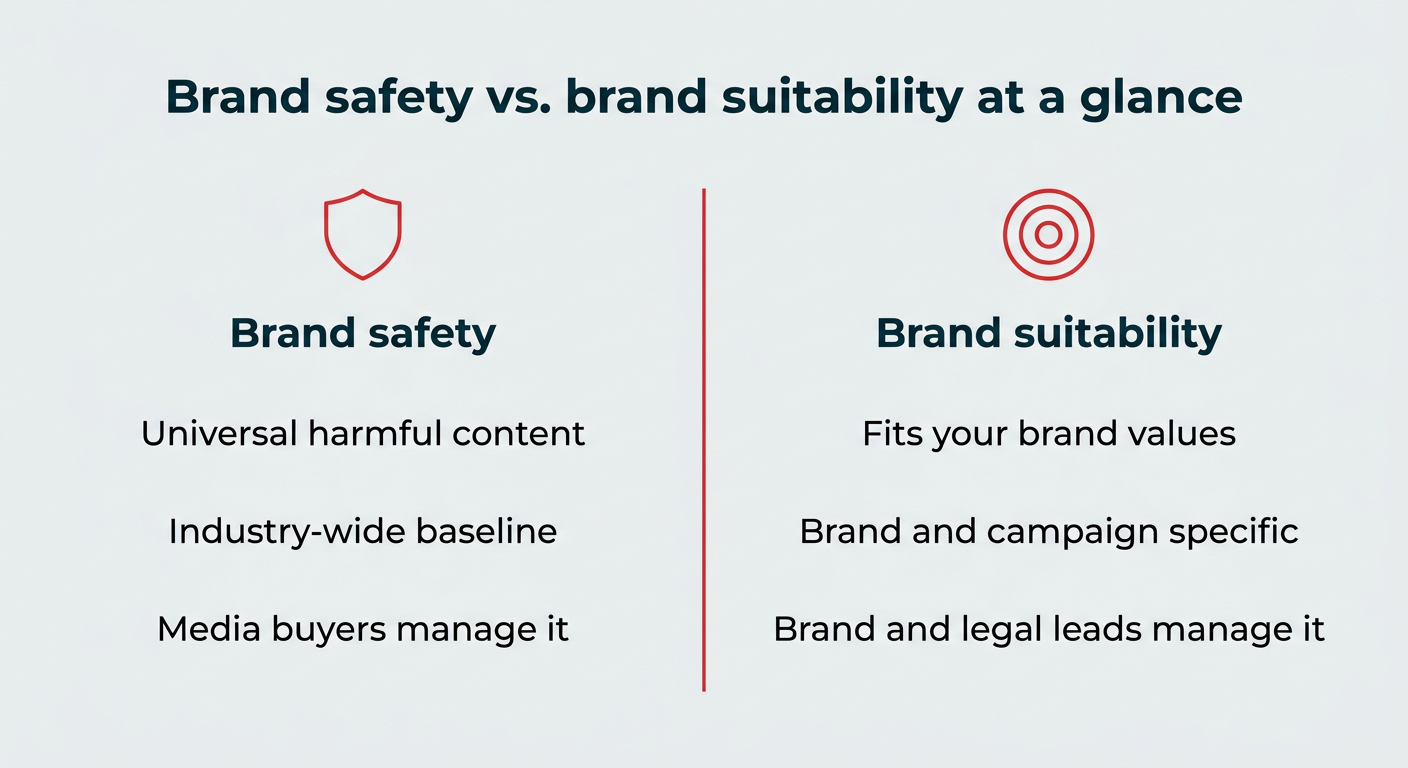
To construct a resilient internal framework, marketing and legal leadership must first differentiate between foundational industry baselines and brand-specific suitability. Historically, the Global Alliance for Responsible Media (GARM), a cross-industry initiative launched in 2019 under the World Federation of Advertisers, established the definitive benchmark known as the Brand Safety Floor. Although the World Federation of Advertisers discontinued GARM operations in August 2024 following mounting regulatory and legal pressures, the foundational concepts of the Brand Safety Floor and Adjacency Standards Framework continue to serve as legacy reference points for digital marketers globally.
The industry-wide baseline addresses universally toxic content—such as hate speech, explicit material, and terrorism—which virtually every commercial entity seeks to avoid. However, modern brand safety goes significantly further by incorporating brand suitability. While safety keeps an organization out of legal and ethical danger zones, suitability dictates whether a specific media environment aligns with an individual brand’s core values, target audience, and current campaign objectives. For instance, a mainstream news article reporting on a natural disaster satisfies baseline brand safety standards, yet it remains fundamentally unsuitable for a luxury cruise line running a lighthearted summer advertising campaign. Managing these nuances requires clear demarcation of responsibilities among media buyers, programmatic verification vendors, legal counsel, and brand marketing teams.
The Contemporary Risk Landscape: Threats Facing Enterprises
The risk matrix confronting modern communications and marketing executives has evolved dramatically, driven largely by rapid technological proliferation. Industry analysts note that enterprise vulnerabilities now cluster around five distinct threat vectors:
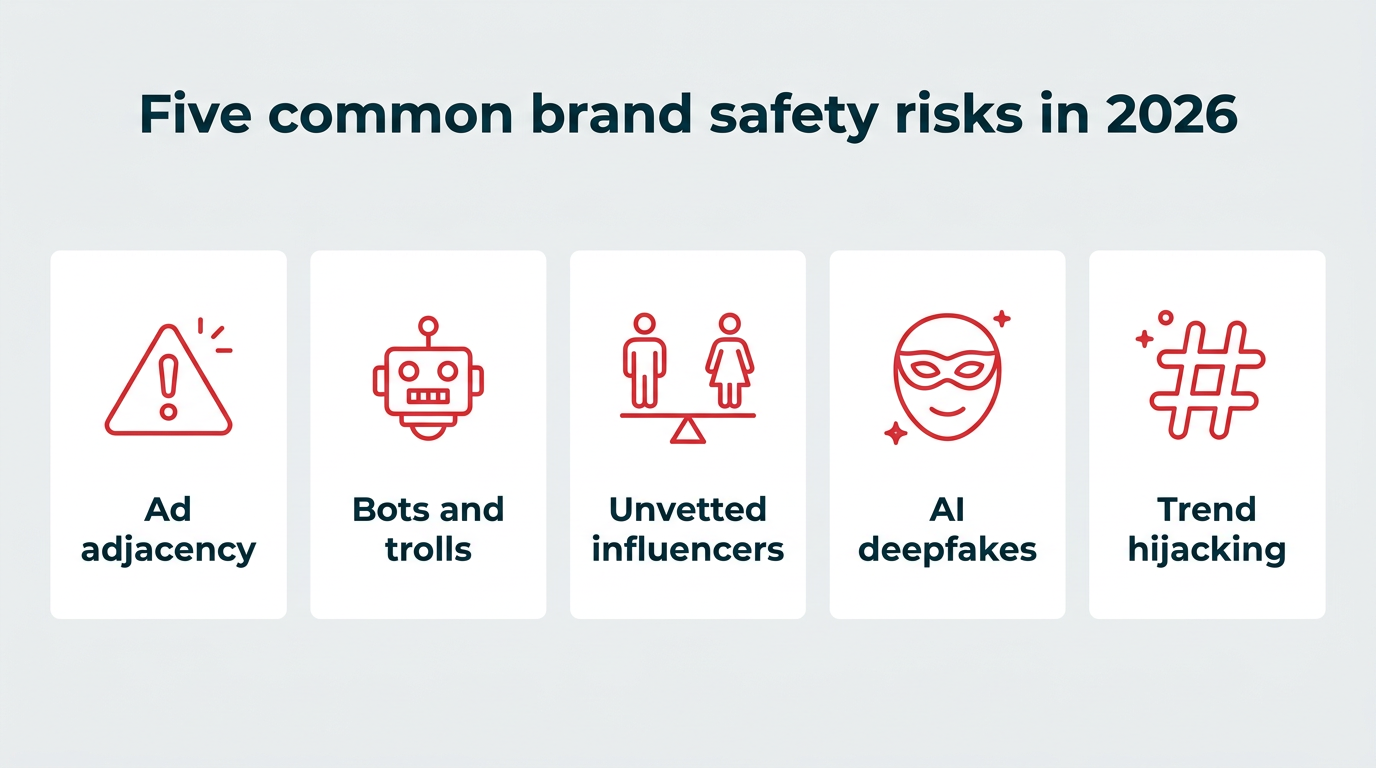
- Programmatic Ad Adjacency Failures: Automated ad-buying algorithms can accidentally position high-value corporate logos directly beside extremist commentary or graphic violence, triggering immediate public backlash before internal teams can intervene.
- Bots, Trolls, and Coordinated Inauthentic Behavior: Automated networks routinely flood comment sections during major product announcements, artificially inflating negativity or manufacturing fake public outrage that can easily mislead corporate decision-makers.
- Unvetted Influencer Partnerships: Associating a brand with external creators whose past digital footprints, audience demographics, or behavioral shifts misalign with corporate values can instantly taint campaign outcomes.
- Misinformation and Generative AI Deepfakes: Synthetic media has lowered the barrier to entry for malicious actors, leading to a surge in fabricated executive announcements, cloned brand accounts, and fraudulent endorsements. According to recent Gartner findings, approximately 62% of organizations encountered a deepfake-related security or reputational incident within a single 12-month period.
- Hashtag and Trend Hijacking: Jumping onto viral internet trends without investigating their historical origins frequently results in brands inadvertently endorsing social movements, protests, or tragedies that contradict their corporate ethos.
Core Components of an Effective Enterprise Brand Safety Policy
To neutralize these escalating threats, enterprise organizations are increasingly deploying comprehensive internal brand safety policies. These documents act as organizational constitutions, detailing exact protocols for content creation, multi-tiered review boards, crisis escalation, and data security. An effective policy framework comprises six indispensable pillars:
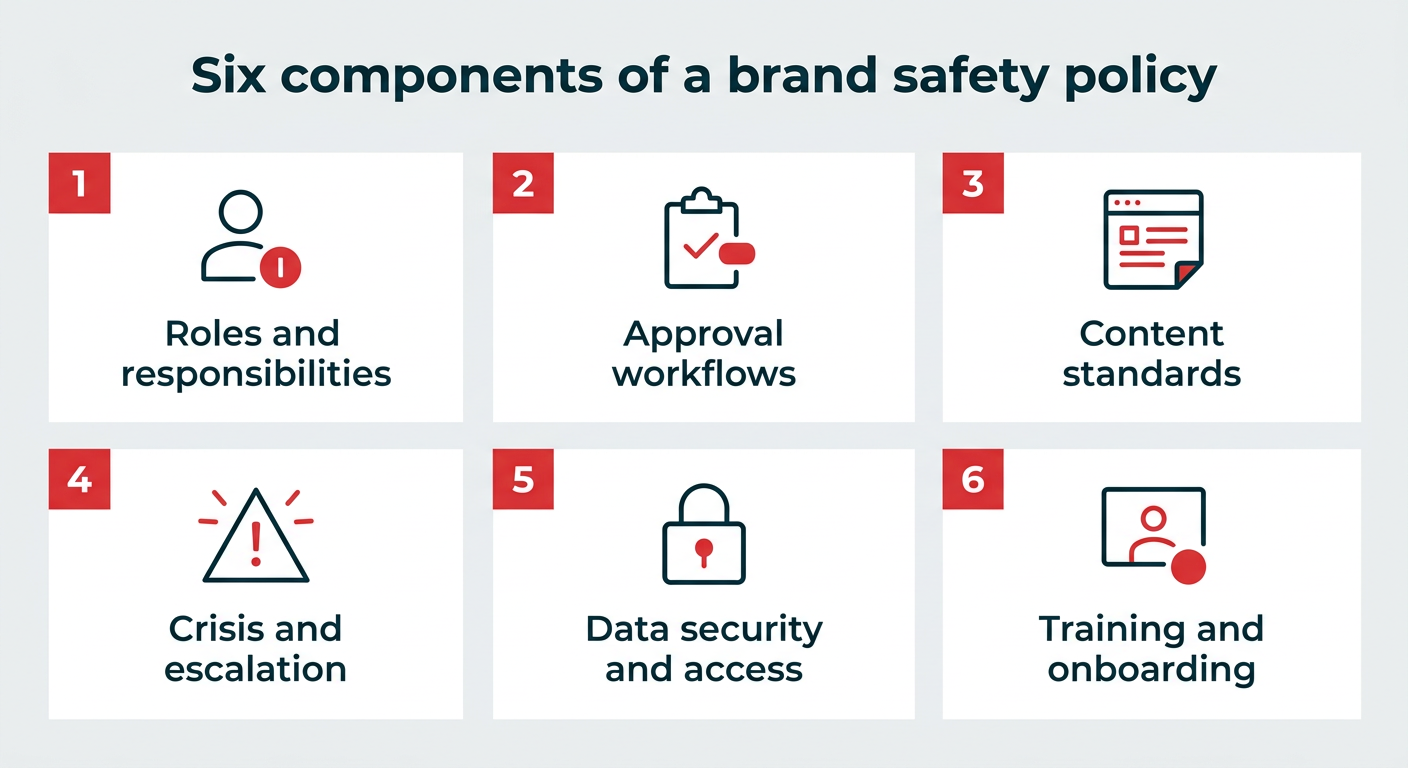
First, defining clear roles and responsibilities ensures absolute accountability across matrixed corporate structures. Executive leadership, regional social media managers, legal advisors, and customer care agents must clearly understand their specific jurisdictions within the content pipeline.
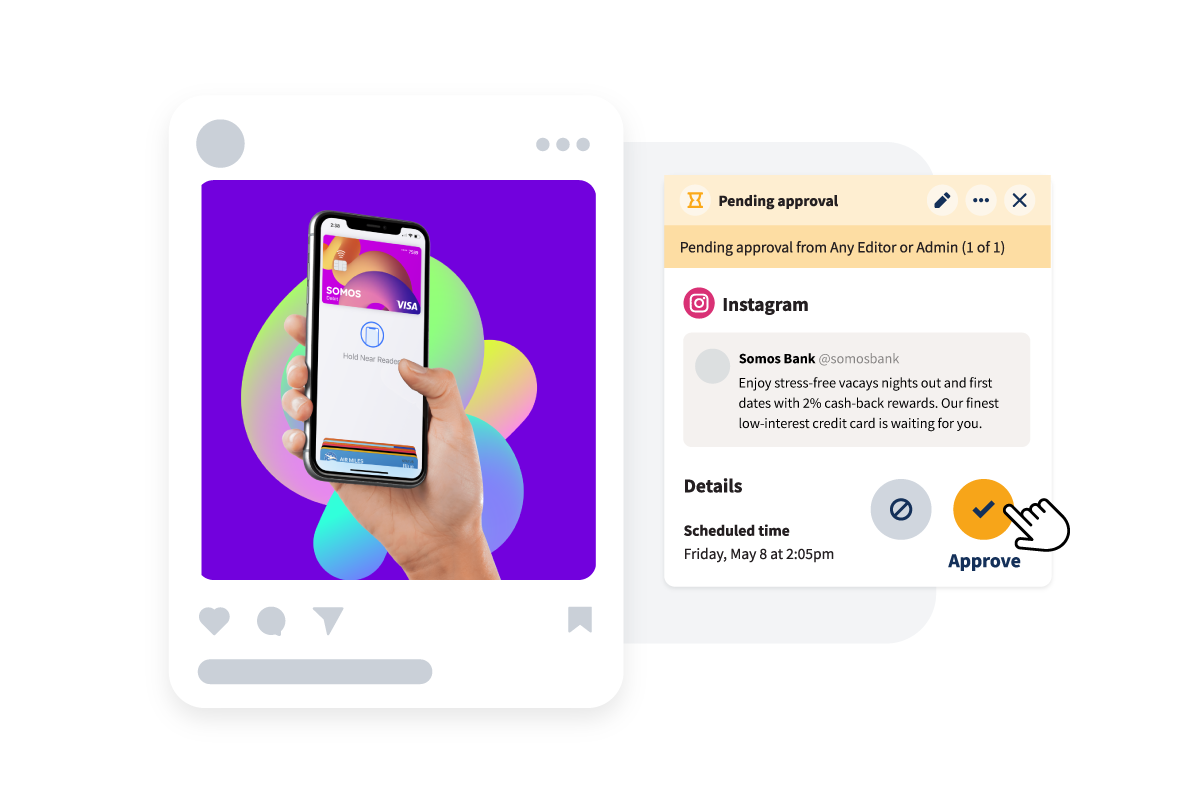
Second, rigorous approval workflows and publishing guardrails restrict the ability to push live updates to verified personnel. By utilizing specialized enterprise tools such as Hootsuite’s Social OS—leveraging applications like Perch for publishing approvals and Vigil for governance—organizations can enforce multi-step review processes that eliminate unvetted, freelance, or rogue publishing.
Third, explicit content standards establish unambiguous boundaries regarding tone, visual style, regulatory claims, and sensitive socio-political topics. Rather than relying on intuition, creative teams operate within well-defined parameters that delineate acceptable corporate discourse.
Fourth, structured crisis detection and escalation plans guarantee that emerging issues are intercepted before escalating into full-scale public relations emergencies. Integrating real-time listening tools, such as Lumen, allows communication teams to monitor brand sentiment globally and execute pre-drafted response protocols instantly.

Fifth, stringent data security, access controls, and account protections prevent unauthorized access, credential stuffing, and internal human errors. Centralized login frameworks and role-based permissions ensure that dormant accounts or departed employees cannot weaponize corporate assets.
Sixth, continuous training and onboarding programs transform static policy documents into living operational habits. Forward-thinking enterprises conduct mandatory quarterly refreshers, simulated crisis drills, and role-specific certifications to embed brand safety deeply into corporate culture.
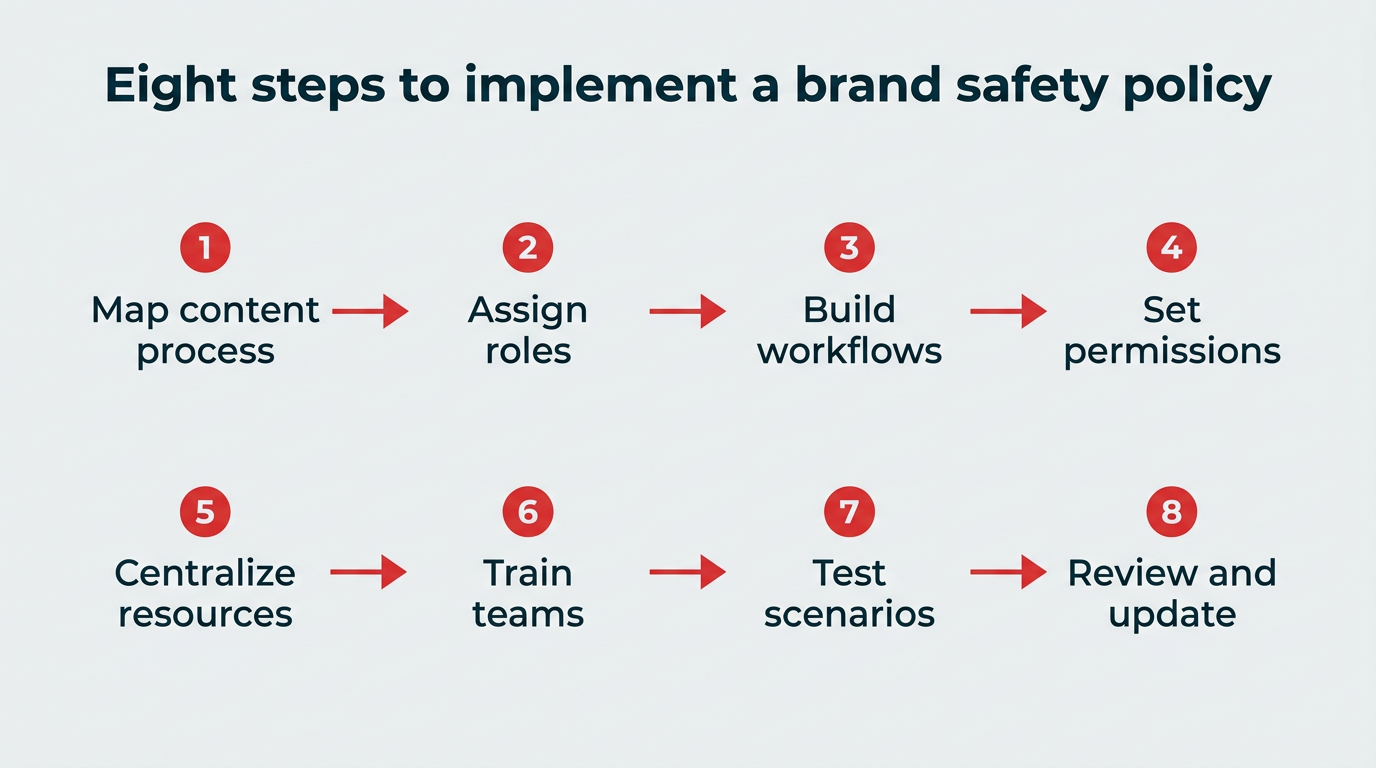
Implementation Methodology: Operationalizing Governance Without Stifling Creativity
Translating high-level safety mandates into daily operational workflows requires a disciplined, step-by-step implementation strategy. Industry experts emphasize that overly restrictive or fear-based guidelines often backfire, causing employees to self-censor or abandon social media engagement entirely. Instead, organizations achieve optimal results by pairing clear compliance boundaries with enabling technology and positive reinforcement.
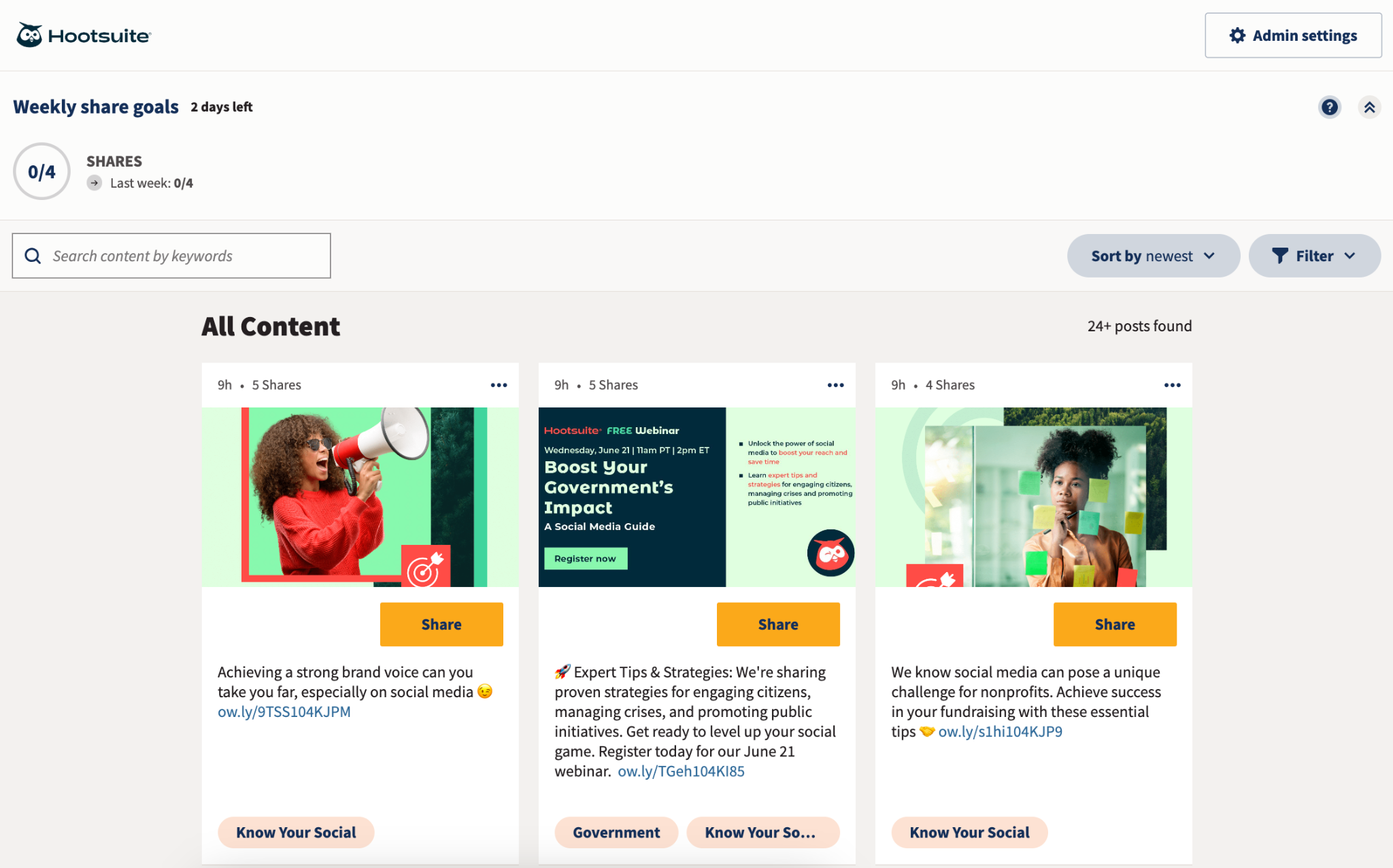
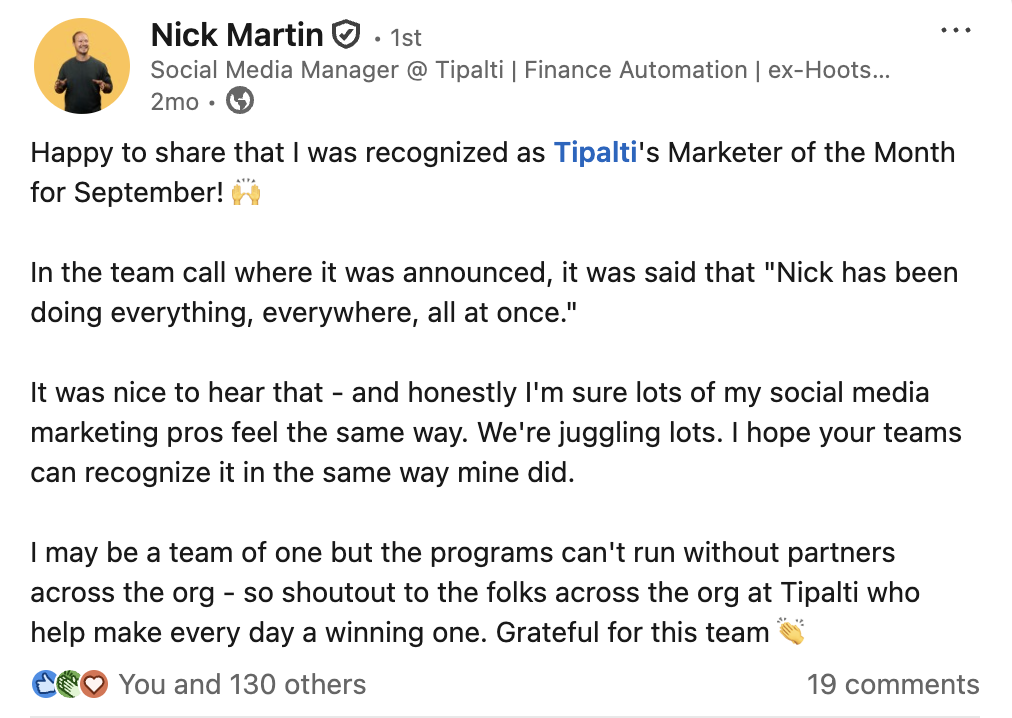
Nick Martin, Social Media Lead at Tilpati, advocates for a balanced approach that removes operational ambiguity. "When employees aren’t sure what’s allowed, they either freeze or take risks," Martin explains, stressing the importance of providing safe, pre-approved pathways for digital participation. Utilizing centralized employee advocacy platforms allows staff members to share vetted corporate messaging safely without drafting content from scratch. Furthermore, Martin advises replacing punitive, threatening language with direct, understandable guidance—such as clear directives protecting proprietary customer data rather than sweeping threats of termination. Recognizing and publicly celebrating model employee behavior further reinforces positive engagement patterns across the enterprise.
The Expanding Role of Artificial Intelligence in Brand Safety
As organizations look toward the future, artificial intelligence occupies a paradoxical role within corporate brand safety strategies. On one hand, generative AI acts as an accelerant for malicious operations, empowering bad actors to manufacture sophisticated deepfakes, synthetic misinformation campaigns, and scaled social engineering attacks at unprecedented volumes. Market projections underscore this growing threat, with Gartner estimating that enterprise expenditures dedicated to combating misinformation and disinformation will surpass $30 billion globally by 2028.
Conversely, artificial intelligence serves as an indispensable defensive shield. Enterprises increasingly rely on machine learning models for real-time sentiment analysis, automated content moderation, and proactive brand-mention tracking across global audio and video feeds. By embedding AI orchestration tools—such as Wisdom within the Hootsuite ecosystem—into their compliance frameworks, brands can automate the detection of anomalous traffic spikes, unauthorized media usage, and coordinated bot activity long before human operators could identify them manually.
Real-World Implications and Strategic Takeaways
The tangible value of disciplined brand safety governance is best illustrated through real-world corporate case studies. Programmatic missteps continue to cost major advertisers millions in wasted media spend and reputational repair, underscoring the necessity of strict inclusion lists and third-party verification protocols. Conversely, proactive listening and agile crisis management can successfully transform operational anomalies into unprecedented brand equity.
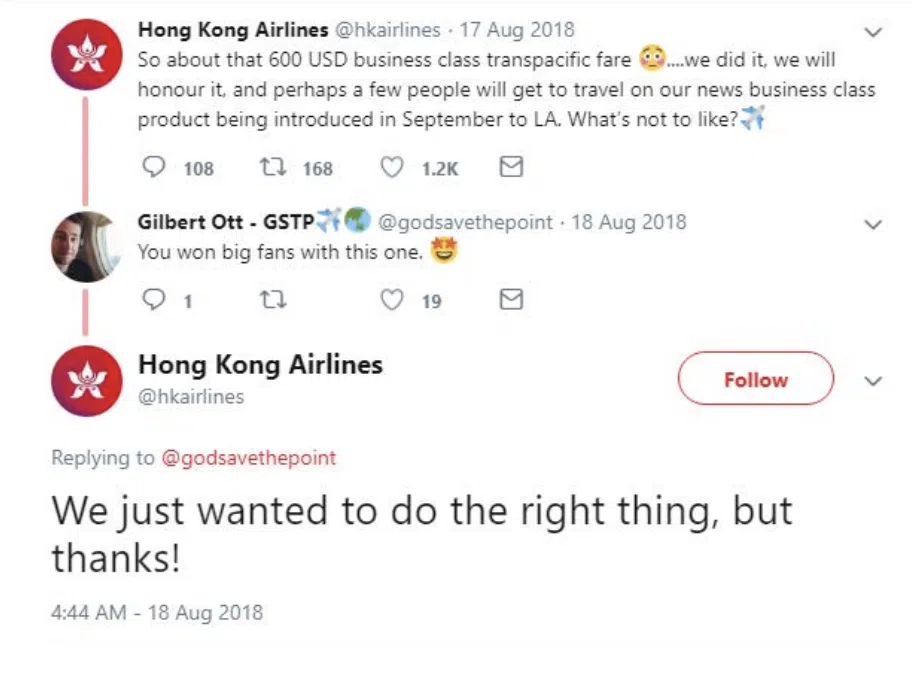
A prominent example of this dynamic occurred when Hong Kong Airlines utilized real-time listening alerts to detect a major ticketing system pricing error that was rapidly going viral. Empowered by a clear internal escalation framework, the corporate communications team decided within minutes to honor the erroneous fares rather than enter a protracted public dispute. The resulting consumer goodwill generated a staggering 4,900% increase in social media engagement, proving that transparent, values-aligned decision-making can successfully rescue a brand from potential crisis.
Ultimately, maintaining brand safety at scale requires an ongoing commitment to adaptation, technological integration, and cultural reinforcement. As digital ecosystems continue to evolve at a relentless pace, organizations that treat brand safety not as an obstacle to creativity, but as an essential framework for sustainable growth, will successfully protect their hard-earned reputations in an increasingly complex global marketplace.