
Android Fans Mocked This Iphone Feature Now Samsungs Galaxy S24 Just Copied The Same Thing
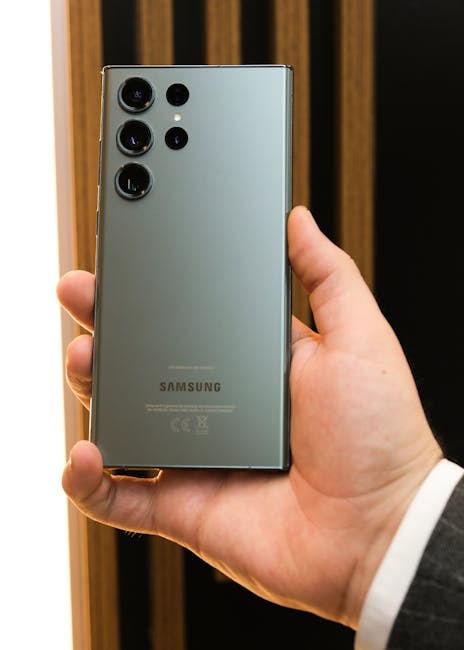
The Irony of Innovation: Android Fans Mocked This iPhone Feature, Now Samsung’s Galaxy S24 Mirrors It
The tech world is a perpetual carousel of innovation and imitation, a dynamic where features once derided become celebrated. This narrative arc has played out spectacularly with a specific iPhone functionality that, for years, was a frequent target of Android user derision. Now, with the launch of Samsung’s Galaxy S24 series, the very same feature has been adopted, raising eyebrows and sparking a fresh wave of discussions about technological evolution and brand loyalty. The feature in question is Apple’s Dynamic Island, and its uncanny reappearance on Samsung’s flagship devices, albeit under a different moniker, underscores a fascinating shift in the competitive landscape and a potential re-evaluation of past criticisms.
For context, the Dynamic Island, introduced with the iPhone 14 Pro and Pro Max, replaced the traditional notch with a pill-shaped cutout that ingeniously blends hardware and software. It dynamically expands and contracts to display alerts, notifications, background activities, and live information. This means that instead of a static cutout, users see a fluid, interactive area that morphs to showcase things like music playback controls, timers, directions, and ongoing calls. This was a significant departure for Apple, moving from a purely functional design element to one that actively contributes to the user experience by making information readily accessible without interrupting the main screen content.
The initial reception from the Android community was largely dismissive. Critics often pointed to its perceived novelty as a gimmick, questioning its necessity and even its aesthetic appeal. Memes and online commentary frequently caricatured the Dynamic Island, labeling it as a forced attempt by Apple to rebrand a hardware limitation as an innovative feature. Many argued that Android had already implemented similar functionalities through widgets and persistent notification banners, offering comparable information access without such a prominent, dynamic display. The narrative often framed it as Apple catching up to Android’s more mature and flexible notification systems, rather than introducing something truly groundbreaking. The emphasis was on Android’s established methods of conveying information, which were seen as more practical and less visually intrusive.
Fast forward to the Samsung Galaxy S24 unveiling, and the parallels become striking. Samsung has introduced what it calls a "Dynamic Lock Screen" or, in some contexts, a "Smart Display" feature that exhibits a striking resemblance in its core functionality to Apple’s Dynamic Island. While Samsung’s implementation might differ in specific visual styling and the exact types of information it prioritizes, the fundamental concept of a dynamic, interactive area on the lock screen or always-on display that consolidates notifications and background activities is undeniably present. This includes showing incoming calls, media playback, alarms, and potentially other live updates in a visually integrated manner that aims to provide glanceable information without requiring the user to fully unlock their device or navigate through multiple menus.
The irony of this situation is palpable. The very feature that was so readily dismissed by many Android enthusiasts as superfluous or a mere cosmetic upgrade is now being adopted by one of Android’s most prominent manufacturers. This raises several pertinent questions about how innovation is perceived, the role of brand loyalty in technological adoption, and the often-fluid nature of what constitutes a "good" or "bad" feature.
One of the primary drivers behind this adoption could be the recognition of a genuine user benefit. While the initial criticisms focused on the perceived gimmickry, the success of the Dynamic Island suggests that users do appreciate the convenience of having key information readily available. By consolidating alerts into a single, dynamic visual space, it reduces the need to constantly check individual app notifications, thereby streamlining the user experience. Samsung, a company known for its keen observation of market trends and user behavior, likely recognized this inherent value proposition.
Furthermore, the competitive pressure within the smartphone market is immense. Companies are constantly looking for ways to differentiate their flagship devices and offer compelling reasons for consumers to upgrade. If Apple has successfully integrated a feature that enhances user engagement and provides a perceived benefit, it’s natural for competitors to explore similar avenues. The goal isn’t necessarily to copy, but to adapt and improve upon a concept that has demonstrated market appeal. Samsung, with its history of integrating popular features from other ecosystems, albeit often with its own spin, is no stranger to this strategy.
The discussion also highlights the subjective nature of technological critique. What one group deems a flaw or a gimmick, another might later recognize as a valuable innovation. This often depends on the perspective, the immediate context, and the established norms of a particular operating system. For years, Android users were accustomed to highly customizable widgets and robust notification shade functionality, which arguably offered a more granular and less integrated approach to information display. The Dynamic Island, on the other hand, offered a more curated and visually cohesive experience, which resonated with Apple’s design philosophy. The recent adoption by Samsung suggests a broader acceptance of this more integrated approach to information presentation.
Moreover, the marketing and branding surrounding a feature play a crucial role in its reception. Apple is renowned for its ability to frame its innovations in a way that emphasizes user experience and seamless integration. The "Dynamic Island" name itself, while perhaps initially met with skepticism, ultimately became synonymous with a unique and interactive iPhone experience. Samsung, while likely to adopt a different branding for its iteration, will also face the challenge of communicating its value proposition effectively to consumers, particularly those who previously voiced their disapproval of similar concepts.
The reaction from Android loyalists to Samsung’s move is likely to be a mixed bag. Some may embrace it as a sign of progress and a validation that the underlying concept is indeed beneficial. Others might feel a sense of cognitive dissonance, having previously criticized the very same idea. It’s also possible that the specific implementation by Samsung will be subject to its own set of critiques, focusing on its aesthetics, performance, or the breadth of its functionality compared to the Dynamic Island. The devil, as always, will be in the details.
This situation also serves as a reminder that technological development is rarely linear or confined to isolated ecosystems. Ideas and functionalities often transcend platform boundaries, evolving and being reinterpreted by different manufacturers. The journey of the "Dynamic Island" from a target of mockery to an embraced feature on a rival platform is a testament to this iterative and often convergent nature of innovation. It compels us to look beyond immediate brand allegiances and evaluate features based on their actual utility and impact on the user experience.
In conclusion, the Samsung Galaxy S24’s adoption of a feature reminiscent of Apple’s Dynamic Island represents a significant moment in the ongoing dialogue surrounding smartphone innovation. It underscores the fact that even features initially met with derision can evolve into widely adopted and appreciated functionalities. This development prompts a re-examination of past criticisms, highlights the competitive dynamics within the industry, and reminds us that the perceived value of a feature can often change with time, context, and the undeniable influence of successful implementation by major players. The tech world, in its constant pursuit of advancement, often finds itself in ironic cycles of critique and adoption, and the story of the Dynamic Island is a prime example of this fascinating phenomenon.