Coinbase Blocks 4.7 Million Dollars in Cryptocurrency Transfers Linked to AI Deepfake Elon Musk Scam

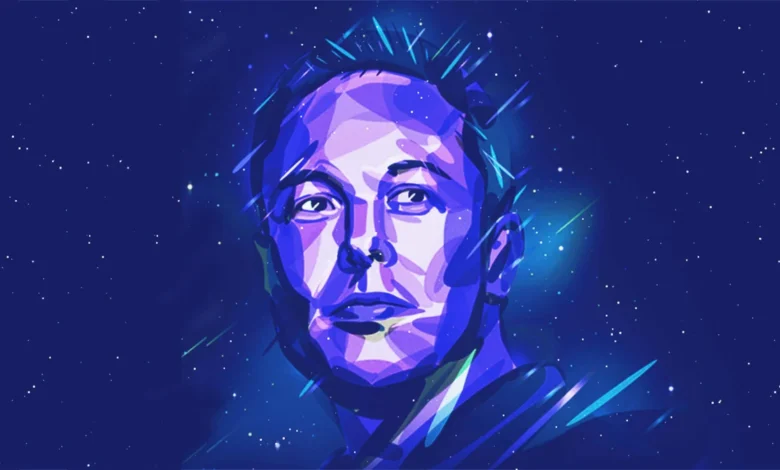
In a sophisticated demonstration of modern cybersecurity defense, cryptocurrency exchange Coinbase successfully intercepted $4.7 million in unauthorized user transfers linked to a massive, AI-driven fraud campaign. The incident centered on a fraudulent YouTube livestream that utilized high-fidelity deepfake technology to impersonate Elon Musk during a high-profile Tesla product demonstration. The scam, which attracted an audience exceeding 500,000 viewers, highlights the growing challenge of social engineering in the age of artificial intelligence, where perpetrators can bypass traditional security protocols by manipulating human psychology rather than exploiting software vulnerabilities.
The fraudulent campaign was timed to coincide with a legitimate, highly anticipated Tesla event, specifically a demonstration related to the company’s "flying car" technology. By hijacking the anticipation surrounding Tesla’s innovation roadmap, the bad actors created a convincing, albeit synthetic, broadcast. The stream featured an AI-generated avatar of Elon Musk that appeared to be discussing a promotional giveaway. The scammers promised viewers that any cryptocurrency sent to specific wallet addresses would be immediately doubled and returned to the sender. This "doubling" scheme is a hallmark of crypto-fraud, preying on the desire for rapid financial gain and the misplaced trust users often place in high-profile public figures.
Chronology of the Fraudulent Event
The incident unfolded over approximately two hours, a window of time that proved critical for both the attackers and the exchange’s automated defenses. As the fake livestream gained traction, it began to circulate across social media platforms and crypto-centric forums, driving traffic toward the fraudulent YouTube channel.
Within the first hour, hundreds of Coinbase users—many of whom were established, long-term members of the platform—began initiating transactions. The psychological pressure exerted by the scammers was significant; the livestream employed a countdown timer and a sense of manufactured urgency, insisting that the "giveaway" was limited to the duration of the event.
As the transaction volume spiked, Coinbase’s internal fraud-prevention systems were triggered. Unlike standard security measures that detect unauthorized access to a user’s account, this scenario presented a unique challenge: the users were authenticated, authorized, and actively participating in the transaction. Because the victims were voluntarily initiating the transfers, standard "unauthorized transaction" flags were ineffective. However, Coinbase’s machine learning models, specifically designed to identify anomalous behavior and patterns associated with known scam typologies, began to flag the destination wallets as suspicious. By the time the event concluded, Coinbase had successfully intervened, blocking approximately 91% of the attempted transfers.
The Evolution of Social Engineering and AI
The fundamental difficulty in defending against this specific type of attack lies in the nature of the consent provided by the victim. In cybersecurity terms, this is a form of "authorized push payment" fraud. The user believes they are making a sound financial decision, often ignoring the inherent risks of dealing with unverified entities because the visual evidence—the deepfake video—appears authentic.
Coinbase’s response mechanism, an AI-powered agent, was designed to mitigate this human-centric vulnerability. When a user attempted to send funds to the scam-linked wallets, the AI agent did not simply block the transaction. Instead, it engaged the user in an interactive, real-time dialogue. The agent posed specific questions designed to uncover the context of the transfer, such as whether the user was following instructions from a live broadcast or if they had been promised a return on their investment.
Remarkably, the AI agent had not been explicitly trained on this specific deepfake campaign. Instead, it recognized the "DNA" of the scam: the promise of an inflated return, the use of a time-sensitive live event, and the request for an irreversible cryptocurrency transfer. This capacity for generalization allowed the system to operate autonomously, successfully preventing the theft of nearly $5 million without human intervention.
Historical Context of Elon Musk Impersonation Scams
The misuse of Elon Musk’s likeness for cryptocurrency fraud is a long-standing issue that has evolved alongside the sophistication of deepfake technology. For years, scammers have utilized various tactics, ranging from low-effort email phishing campaigns to high-effort account takeovers.
In previous instances, threat actors have compromised verified Twitter (now X) accounts, changing the display name and avatar to match Musk’s profile to lend credibility to scam links. Others have flooded platforms like TikTok and YouTube with pre-recorded videos, often using poorly synced audio to lure users into "investment" platforms that are essentially black holes for capital. The shift toward live, AI-generated deepfakes represents a significant escalation. These live streams are designed to trick users into believing they are witnessing a real-time, exclusive event, which lowers the threshold of skepticism for even the most tech-savvy individuals.
Previous incidents have seen significant financial damage. In one notable case, a wave of hacked verified accounts resulted in the theft of over $580,000 in a single week. The current attempt, which reached for millions of dollars, demonstrates that as security defenses improve, scammers are scaling their operations to compensate for lower success rates per user.

Analysis of Implications for Financial Institutions
The success of the Coinbase intervention suggests a shift in the philosophy of financial security. As AI tools become more accessible to malicious actors, the focus must move beyond simply securing credentials. Institutions are now forced to adopt "intent-based" security, where the goal is to determine the authenticity of the user’s intent rather than just their identity.
The implications for the broader cryptocurrency ecosystem are profound. The incident highlights the necessity of:
- Context-Aware Security: Financial platforms must integrate systems that understand the context of a transaction. If a user is transferring money during a known high-risk event or to a newly created address, the system should automatically trigger friction—such as the AI-agent interaction—to force the user to pause and reconsider.
- Public Awareness and Education: Despite the effectiveness of automated defenses, human error remains the weakest link. The fact that hundreds of users attempted to send money underscores the need for continuous education regarding the risks of crypto-giveaways and the dangers of trusting social media livestreams.
- Cross-Platform Cooperation: The scam was hosted on YouTube and executed on Coinbase. The lack of integrated, real-time communication between content platforms and financial institutions allows these scams to persist. Greater coordination between social media companies and exchanges could potentially lead to faster takedowns of fraudulent streams before they reach hundreds of thousands of viewers.
Looking Ahead
While Coinbase reported that it successfully blocked the majority of the attempted transfers, the question of how many funds were lost remains a critical metric for assessing the total impact. The company has not released specific data on the total number of successful transfers that reached the scammers, citing privacy and ongoing investigations.
The incident serves as a stark reminder that the digital asset space remains a primary target for sophisticated threat actors. As artificial intelligence becomes a standard tool for both the defenders and the attackers, the battleground has shifted to the ability of systems to verify not just the technical legitimacy of a transaction, but the rational intent behind it.
For users, the advice from cybersecurity experts remains consistent: if an investment opportunity appears too good to be true, or if it is being promoted via a livestream that promises "doubled" funds, it is almost certainly a scam. Independent verification through official channels—such as checking the official website of the company or the verified social media accounts of the individuals involved—is the only way to ensure the safety of digital assets in an increasingly deceptive digital environment. The era of the "AI-driven scam" has arrived, and it requires a heightened level of digital literacy and skepticism from every participant in the global financial market.
Related posts: