Israeli Swimmer Anastasia Gorbenko Booed At Worlds In Qatar After Winning Silver Medal

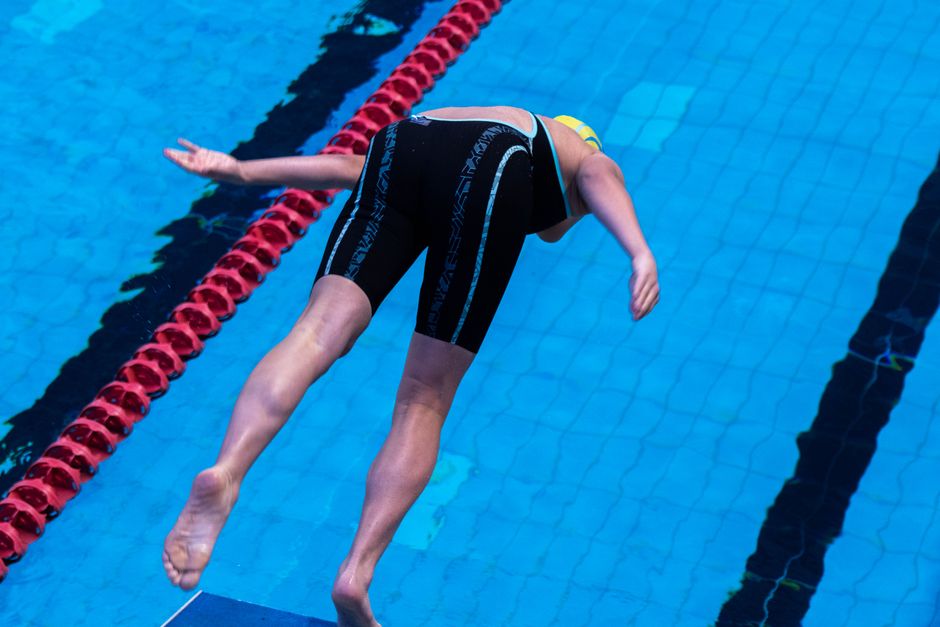
Anastasia Gorbenko Faces Boos at World Aquatics Championships in Qatar After Silver Medal Triumph
Israeli swimmer Anastasia Gorbenko encountered a hostile reception at the World Aquatics Championships held in Doha, Qatar, following her impressive silver medal performance in the 400m individual medley. The incident, which saw a segment of the Qatari crowd booing as Gorbenko stood on the podium, has ignited discussions surrounding the politicization of sports and the treatment of athletes from nations caught in complex geopolitical landscapes. Gorbenko, a rising star in women’s swimming, secured her second medal of the championships with a strong showing in the grueling 400m IM, clocking a time of 4:37.56. This performance followed her bronze medal victory in the 200m individual medley earlier in the week, solidifying her status as a formidable competitor on the global stage. However, the athletic achievement was overshadowed by the unwelcome sounds of disapproval emanating from a portion of the spectators, creating an uncomfortable and unprecedented atmosphere for an athlete receiving a medal.
The booing, which reportedly lasted for several seconds, cast a shadow over Gorbenko’s significant accomplishment. While the majority of the audience likely applauded her success, the vocal dissent from a minority was impossible to ignore, particularly within the context of the ongoing Israeli-Palestinian conflict. Qatar, as the host nation, has often found itself navigating the delicate balance between international sporting neutrality and its own political stances. The World Aquatics Championships, a prestigious event attracting athletes from over 190 nations, typically serves as a platform for celebrating athletic excellence and fostering global unity. Yet, the reception Gorbenko received suggests that political tensions can permeate even the most apolitical arenas. This incident is not the first time Israeli athletes have faced challenges in Arab nations, though the scale and public nature of the booing in Doha are particularly noteworthy.
Anastasia Gorbenko, at just 20 years old, has rapidly ascended through the ranks of international swimming. Her qualification for the Olympics and her medal-winning performances at both European and World Championships demonstrate her immense talent and dedication. In Doha, she further cemented her reputation by achieving a podium finish in a highly competitive event. The 400m individual medley is a test of endurance, technical proficiency across four strokes, and mental fortitude. Gorbenko’s ability to perform at such a high level under pressure, especially in the latter stages of the race, speaks volumes about her athletic prowess. Her silver medal performance in the 400m IM was a testament to her hard work and training, and she deserved to be recognized for this exceptional feat of athleticism. The presence of her national flag and anthem on the podium are standard protocols for celebrating medalists, underscoring the importance of national representation in international sports.
The act of booing an athlete on the podium is widely considered unsportsmanlike and disrespectful, regardless of the spectator’s personal beliefs or political affiliations. In the realm of sports, the focus is generally expected to be on the athletes’ performance, their years of dedication, and the culmination of their efforts. The booing directed at Gorbenko diverts attention from her legitimate sporting achievement and introduces an element of hostility that is antithetical to the spirit of competition. It raises questions about the responsibility of host nations and sporting organizations to ensure a welcoming and respectful environment for all participants, irrespective of their nationality. While freedom of expression is a fundamental right, its manifestation in a manner that directly targets and demeans an athlete during a moment of triumph is problematic and has drawn criticism from various quarters, including sporting bodies and commentators.
The broader implications of this incident extend beyond the individual athlete. It highlights the persistent challenges of separating sports from politics, particularly in regions where geopolitical conflicts are highly sensitive. While athletes are often encouraged to be neutral and focus solely on their sport, they are also national representatives. Their participation in international events carries symbolic weight, and their experiences can inadvertently become politicized. The booing of Gorbenko in Qatar could be interpreted as a manifestation of anti-Israel sentiment, which is a complex and sensitive issue in the Middle East. However, the venue and the context of a world championship event demand a level of decorum and respect that was seemingly absent from a segment of the audience. The incident underscores the need for continued dialogue and education regarding the importance of sportsmanship and the role of athletes as ambassadors of goodwill.
Several sports commentators and organizations have condemned the booing, emphasizing that political grievances should not be directed at athletes. They argue that athletes train for years and deserve to be celebrated for their hard work and dedication, regardless of their country of origin. The World Aquatics Federation, while upholding the right of individuals to express themselves, also typically promotes an environment of respect and fair play. The incident in Doha serves as a reminder of the potential for political polarization to infiltrate sporting events and the importance of maintaining a focus on athletic merit. It also prompts a reflection on how to better protect athletes from such emotionally charged and potentially intimidating displays of dissent.
In conclusion, Anastasia Gorbenko’s silver medal win at the World Aquatics Championships in Doha was a significant sporting achievement marred by the unwelcome sounds of booing from a portion of the Qatari crowd. This incident brings into sharp focus the enduring tension between sports and politics, the challenges of ensuring neutral ground for international competition, and the fundamental importance of sportsmanship. Gorbenko’s performance was a testament to her skill and dedication, and she deserved to be celebrated for her accomplishment. The booing, however, serves as a stark reminder that even in the arena of sport, global political realities can cast a long shadow, impacting the experiences of athletes and raising important questions about respect, neutrality, and the true spirit of international competition. The incident calls for a collective effort to uphold the values of fair play and mutual respect, ensuring that athletic achievements are recognized and celebrated without the intrusion of divisive political agendas.


