LimeWire Reimagined: The Evolution of a Digital Icon into a Generative AI and NFT Publishing Powerhouse

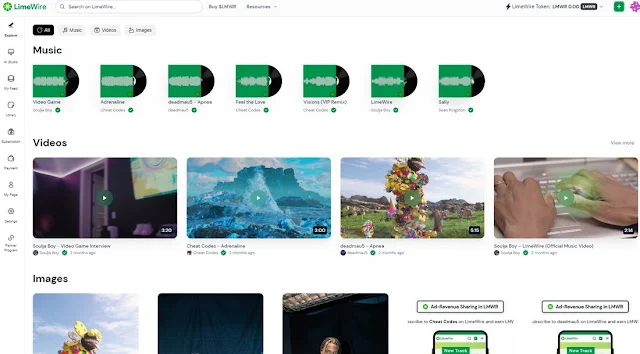
The landscape of digital content creation is currently undergoing a paradigm shift, driven by the rapid maturation of generative artificial intelligence and the decentralization of digital ownership. At the forefront of this evolution is LimeWire, a brand once synonymous with the early-2000s peer-to-peer file-sharing revolution, which has successfully pivoted into a sophisticated, blockchain-integrated AI creative studio. Unlike its predecessor, which primarily served as a conduit for file distribution, the contemporary LimeWire functions as a comprehensive ecosystem where users can generate, publish, monetize, and trade AI-synthesized digital assets.
A Chronology of Transformation
The history of the LimeWire brand is marked by two distinct eras. From its inception in 2000 until its court-mandated shutdown in 2010 due to extensive copyright infringement litigation, the original LimeWire was a dominant force in the nascent digital music industry. Following a decade of dormancy, the brand was acquired in 2021 by brothers Paul and Julian Zehetmayr. Their vision was to reclaim the brand’s legacy of facilitating digital exchange but transition it into a legal, Web3-compliant framework.
By 2022, the platform relaunched as an NFT marketplace, drawing significant attention from the entertainment industry. High-profile figures, including Deadmau5, Soulja Boy, and Sean Kingston, were among the early adopters, utilizing the platform to release exclusive music and video content as digital collectibles. In 2023, the platform expanded its core value proposition by integrating generative AI capabilities, allowing users to synthesize visual art through text-to-image prompts, effectively democratizing the creation process for professional and amateur artists alike.
The Technological Architecture of LimeWire Studio
At the heart of the modern platform lies LimeWire Studio, a centralized interface designed to bridge the gap between high-end AI generation models and blockchain minting. The platform currently provides users with access to industry-standard models, including Stable Diffusion 2.1, Stable Diffusion XL, and OpenAI’s DALL-E 2. By consolidating these disparate models into a single user-friendly dashboard, LimeWire lowers the technical barrier to entry for creators who might otherwise struggle with the complexities of local installation or command-line interfaces.
The platform’s technical framework is designed for flexibility. Users can toggle between various aesthetic presets—such as cinematic, anime, pixel art, and analog film—to refine the output of their prompts. Furthermore, the inclusion of samplers and advanced guidance settings allows for iterative refinement, a crucial feature for professional designers seeking specific visual fidelity. According to company development roadmaps, the firm is currently iterating on a proprietary AI model designed specifically to enhance consistency across generated assets, aiming to distinguish its output from the generic results often associated with open-source models.
Blockchain Integration and Digital Ownership
One of the most distinct features of the LimeWire ecosystem is its automated NFT minting protocol. Upon the publication of an AI-generated image, the platform allows creators to mint the asset directly onto the Polygon or Algorand blockchains. This process effectively transforms a digital file into an immutable, tradeable asset.
This integration addresses the critical issue of provenance in the AI art space. By minting content as an NFT, the creator establishes a verifiable record of ownership. Furthermore, the platform utilizes a smart contract system that grants original creators a 2.5% royalty on all secondary market transactions. This mechanism provides a sustainable revenue stream that is largely absent in traditional social media platforms, where content is often harvested for ad revenue without direct compensation to the creator.
Economic Models and Revenue Streams
The monetization model employed by LimeWire is a multi-layered approach designed to attract both casual users and professional content creators. The platform operates on a revenue-sharing basis, where creators are eligible to receive up to 70% of the ad revenue generated by their content views. This model incentivizes the creation of high-engagement, viral content, as the platform tracks impressions across its hosted gallery.
Earnings are distributed in LMWR, the platform’s native utility token. The tokenomics of LMWR are structured to create circular demand: creators earn tokens through ad revenue and royalties, while those same tokens can be utilized to purchase additional generation credits or access premium features within the studio. The accessibility of these tokens on major exchanges, such as Kraken, ByBit, and Uniswap, provides liquidity for creators who wish to convert their digital earnings into fiat currency.
Tiered Subscription Framework
To accommodate varying levels of creative demand, LimeWire employs a tiered pricing structure. While a free-to-use tier provides 10 credits daily—enough for approximately 20 image generations—it serves as a gateway to more robust professional plans:
- Pro Plan ($9.99/month): Provides 1,000 monthly credits, allowing for up to 2,000 image generations, early access to new AI models, and a 50% ad revenue share.
- Pro Plus Plan ($29/month): Increases the allotment to 3,750 credits (7,500 images) and raises the ad revenue share to 60%.
- Pro Premium Plan ($49/month): Offers 5,000 credits (10,000 images) and a 70% ad revenue share.
- Pro Elite Plan ($99/month): The top-tier package, providing 11,250 credits (22,500 images) and maintaining the 70% ad revenue share.
All premium tiers include supplemental benefits, such as professional profile badges, ad-free browsing, and access to enhanced generation speeds, reflecting the platform’s intent to cater to digital agencies and professional artists.
Implications for the Creator Economy
The rise of platforms like LimeWire signifies a fundamental shift in the relationship between creators, AI, and digital assets. By enabling seamless monetization of synthetic media, the platform is participating in a broader trend of "democratizing the creative process." However, this shift also invites scrutiny regarding the ethical implications of generative AI, particularly concerning copyright and the potential displacement of human illustrators.
Industry analysts suggest that LimeWire’s success will hinge on its ability to navigate these legal landscapes while maintaining a competitive edge in the rapidly evolving AI field. The platform’s planned expansion into AI-generated music and video represents a high-stakes move into sectors that are currently the focus of intense regulatory and ethical debate. If successful, LimeWire could solidify its position as a "one-stop shop" for multimedia creation, effectively replacing traditional stock content libraries with user-generated, AI-synthesized, and blockchain-verified assets.
Future Outlook
Looking ahead, the integration of AI-driven video and audio synthesis will be the next major hurdle for LimeWire. The ability to generate short-form video or audio clips from simple text prompts could revolutionize the way social media content is produced. By keeping these tools within a monetized, blockchain-secured environment, LimeWire is positioning itself as an essential utility for the next generation of digital creators.
As the platform continues to refine its proprietary models and expand its reach, the focus will likely remain on user retention. The transition from a nostalgic brand name to a legitimate technological hub is nearly complete, yet the true test will be the platform’s long-term sustainability as the generative AI market becomes increasingly saturated. For now, LimeWire stands as a prime example of how legacy digital platforms can reinvent themselves by embracing the convergence of decentralized finance and artificial intelligence.