Xiaomi 18 Fold Review: Unmatched Hardware Brilliance Overshadowed by Regional Software Limitations


The landscape of foldable smartphones has long demanded compromise, forcing consumers to choose between the structural compromises of slim profiling or the functional heft of traditional flagships. In recent years, the market has pivoted toward a passport-style book-foldable format, popularized by industry heavyweights like Samsung and Apple. Entering this fiercely competitive arena, the Xiaomi 18 Fold arrives as a technological marvel that defies conventional engineering constraints. By packing an unprecedented 6,000mAh silicon-carbon battery and a Leica-engineered periscope telephoto lens into a featherlight 219-gram chassis, Xiaomi has arguably crafted the most physically impressive foldable device on the market. However, because the device is currently restricted to a mainland China-exclusive ROM running HyperOS 4, its everyday viability in Western markets remains hampered by significant software and connectivity roadblocks.
The Evolution of the Passport-Style Foldable Market
The genesis of the passport-style foldable category dates back several years, with manufacturers continually refining aspect ratios to mirror standard pocket notebooks. This form factor aims to bridge the gap between traditional candy-bar smartphones and expansive tablets. While competitors like the Samsung Galaxy Z Fold 8 and the Apple iPhone Duo have established strong footholds in North American and European territories, they have historically left critical hardware gaps—most notably in battery capacity and optical zoom capabilities—to maintain slim profiles.
Xiaomi’s entrance into the foldable space is not new; the company has quietly iterated on book-style and flip foldables since 2021. With the launch of the Xiaomi 18 Fold, the brand has directly targeted the physical shortcomings of its rivals. By pricing the device aggressively at 10,999 yuan (approximately $1,640) in mainland China, Xiaomi undercuts major Western alternatives. Yet, the absence of a global release strategy at its recent international showcase—where Xiaomi debuted the 18 Pro and 18 Pro Max—leaves prospective international buyers reliant on the grey market, introducing import markups and localized software hurdles.
Physical Design, Ergonomics, and Structural Engineering
At first glance, the Xiaomi 18 Fold immediately distinguishes itself through superior weight distribution and spatial efficiency. Tipping the scales at a mere 219 grams, it is roughly 35 grams lighter than the Apple iPhone Duo and only 18 grams heavier than the Samsung Galaxy Z Fold 8. When analyzing total folded volume, the Xiaomi 18 Fold occupies 105.37 cubic centimeters, translating to roughly 6 percent less physical space than Apple’s offering and closely matching the Oppo Find N6.
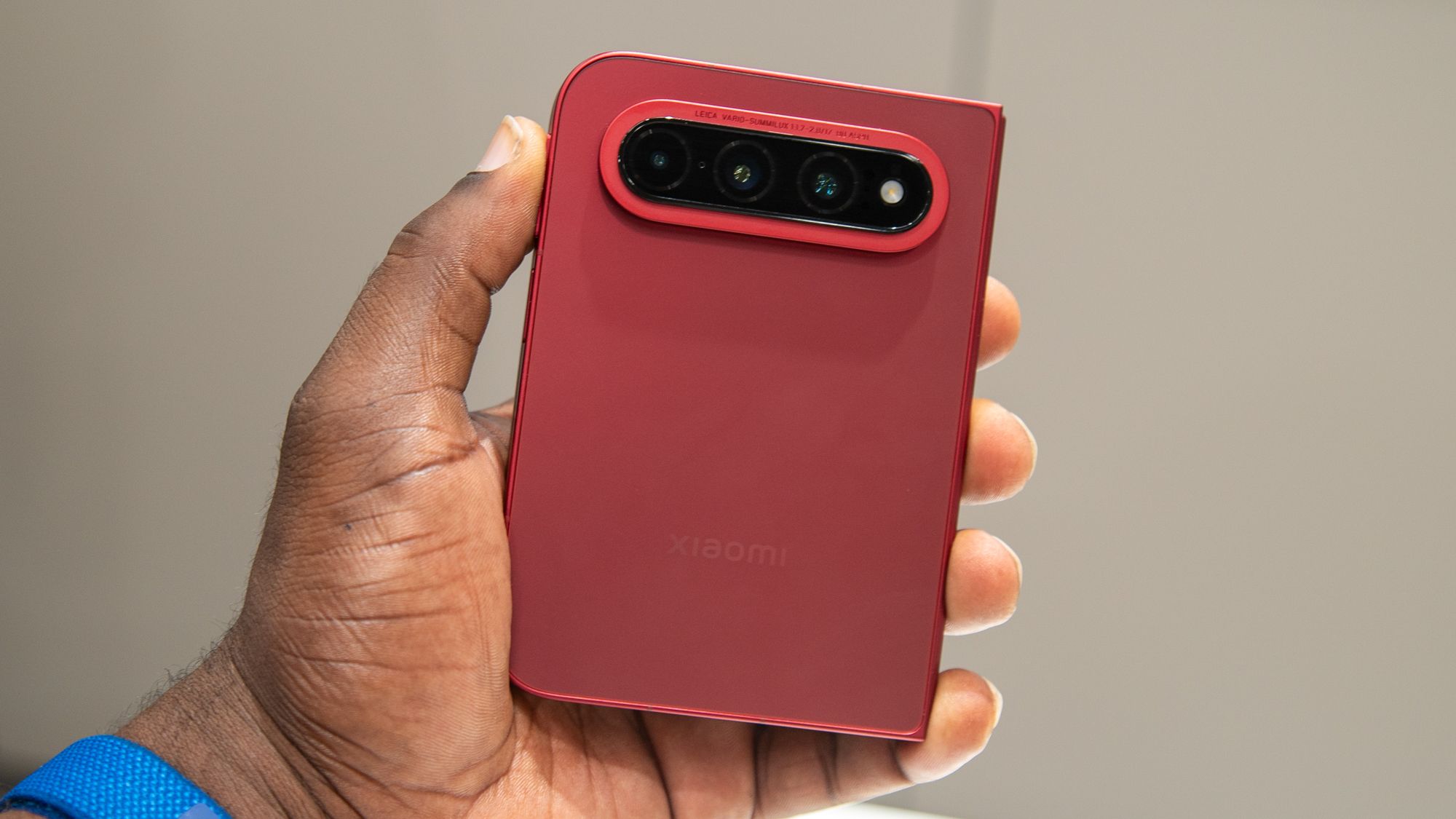
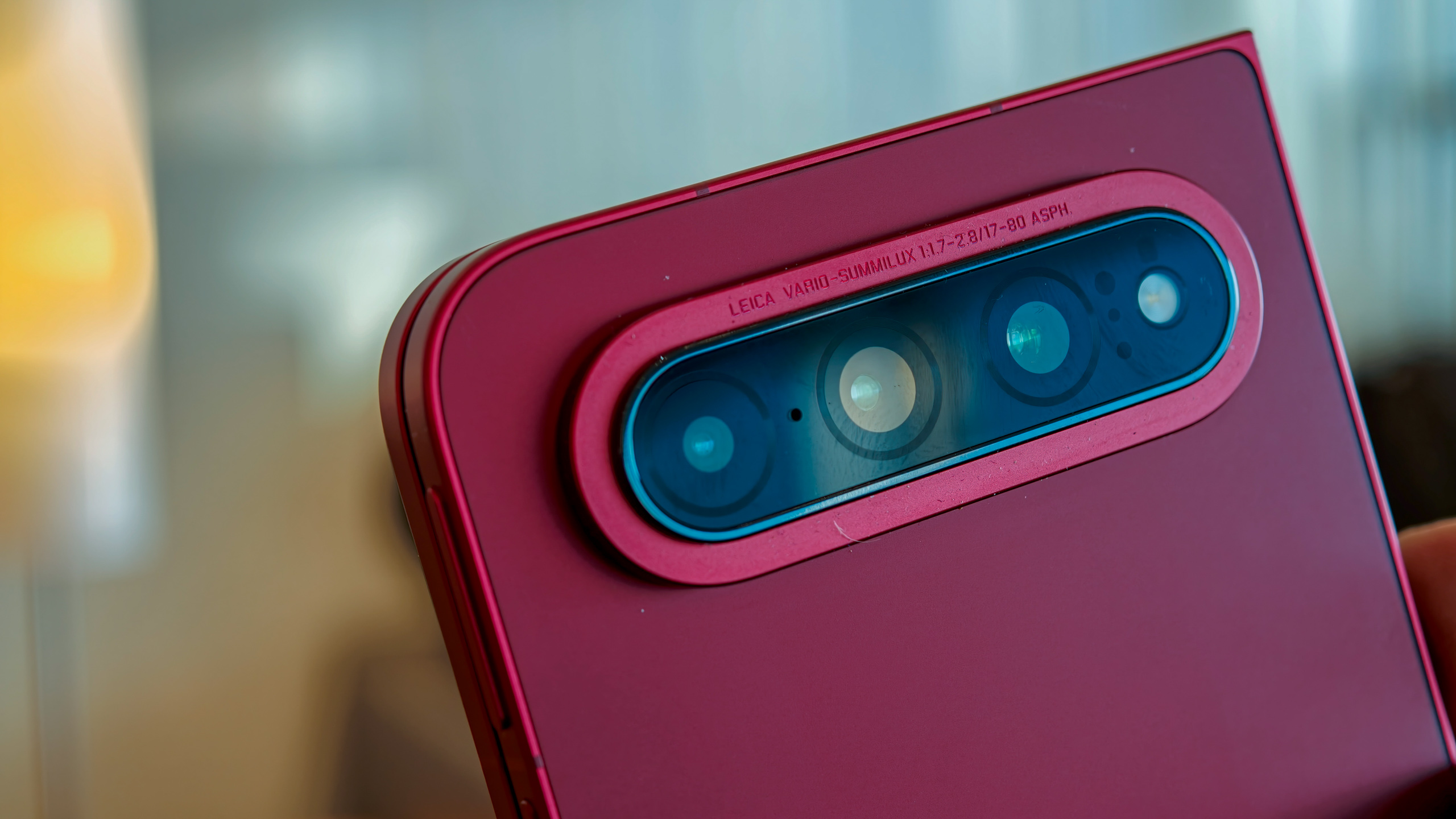
The device achieves its slim 5.02mm unfolded profile without sacrificing structural integrity. Finished in matte Nishino Red glass against a dark metal frame, the chassis projects a high-end aesthetic. A notable ergonomic inclusion is the wide horizontal camera bar. Rather than acting as a visual detractor, the housing doubles as a natural finger rest, providing a secure anchor point when the phone is held unfolded in portrait mode.
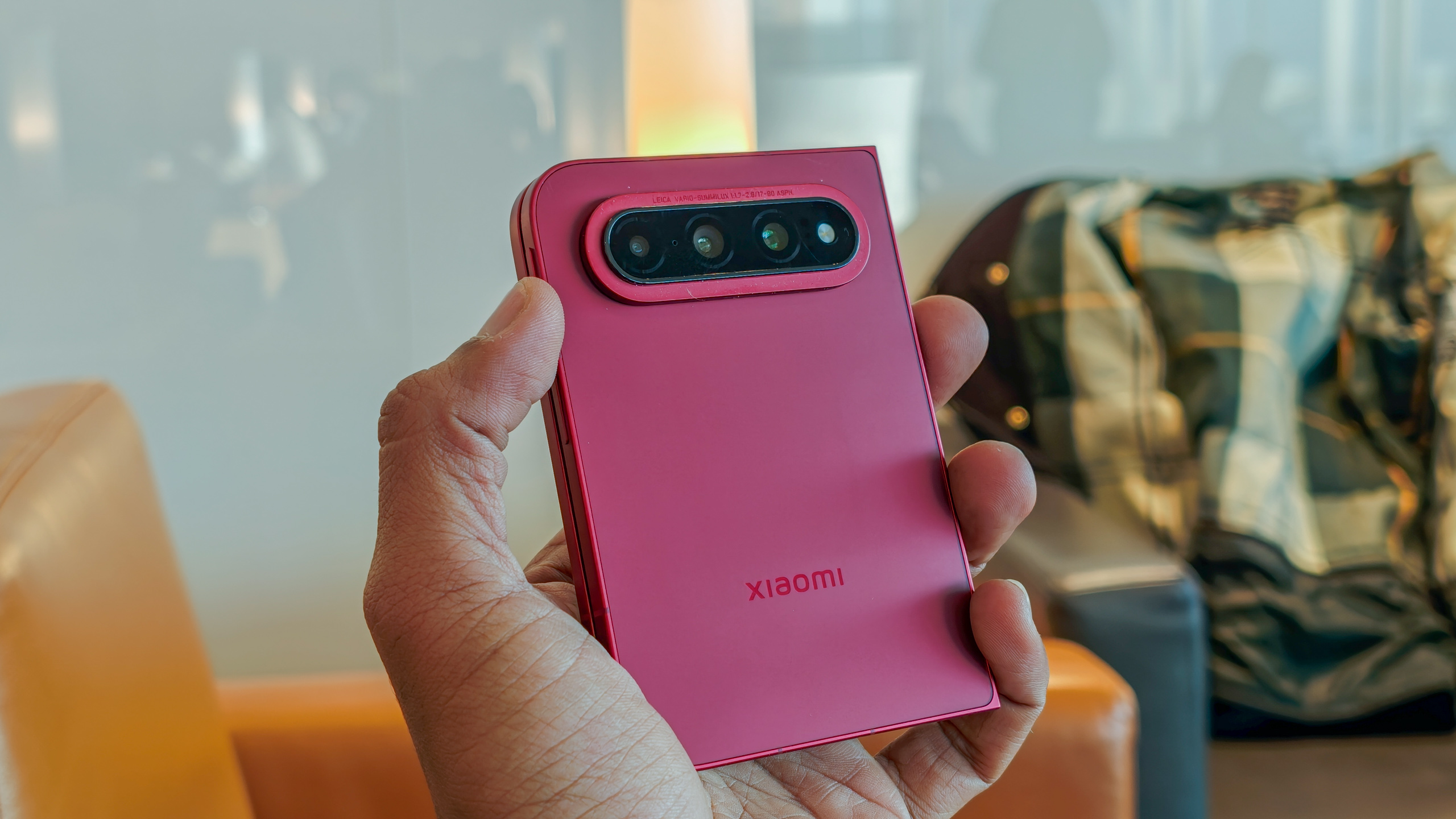
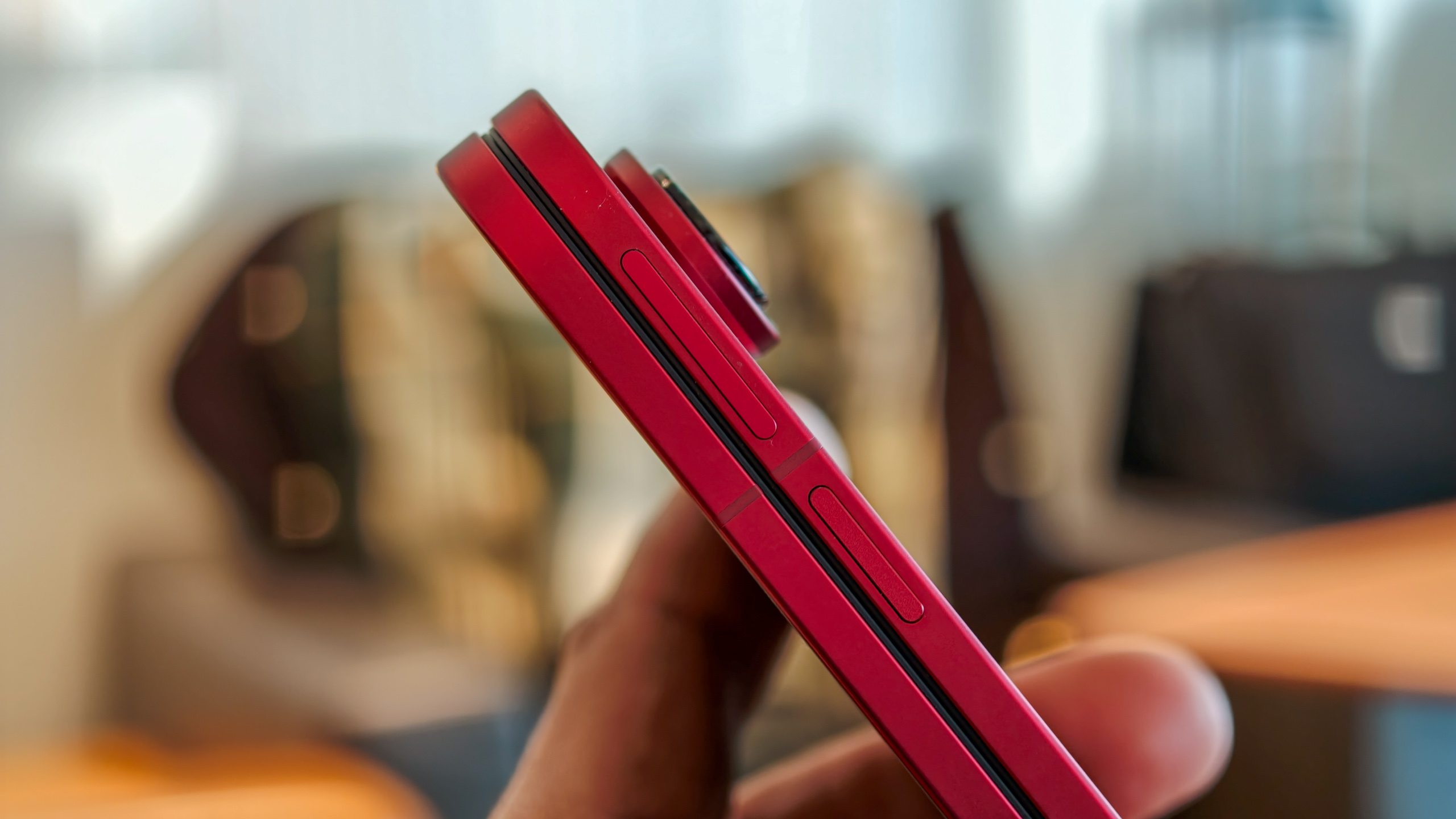
The keel-style hinge mechanism operates smoothly, offering reassuring stability, though it lacks the pronounced magnetic snap found on the iPhone Duo and offers fewer intermediate flex angles. Biometric security is handled swiftly by a side-mounted capacitive fingerprint reader, supplemented by 2D facial recognition. Despite these hardware triumphs, trade-offs are evident: the chassis achieves an IP58 water-resistance rating—handling accidental submersions adequately but lacking comprehensive dust ingress protection—and omits stylus support entirely. Furthermore, the slim stereo speakers produce a treble-heavy, tinny acoustic profile when compared to the richer audio output of Samsung and Apple flagships.
Display Technology: Balancing Brightness and Crease Mechanics
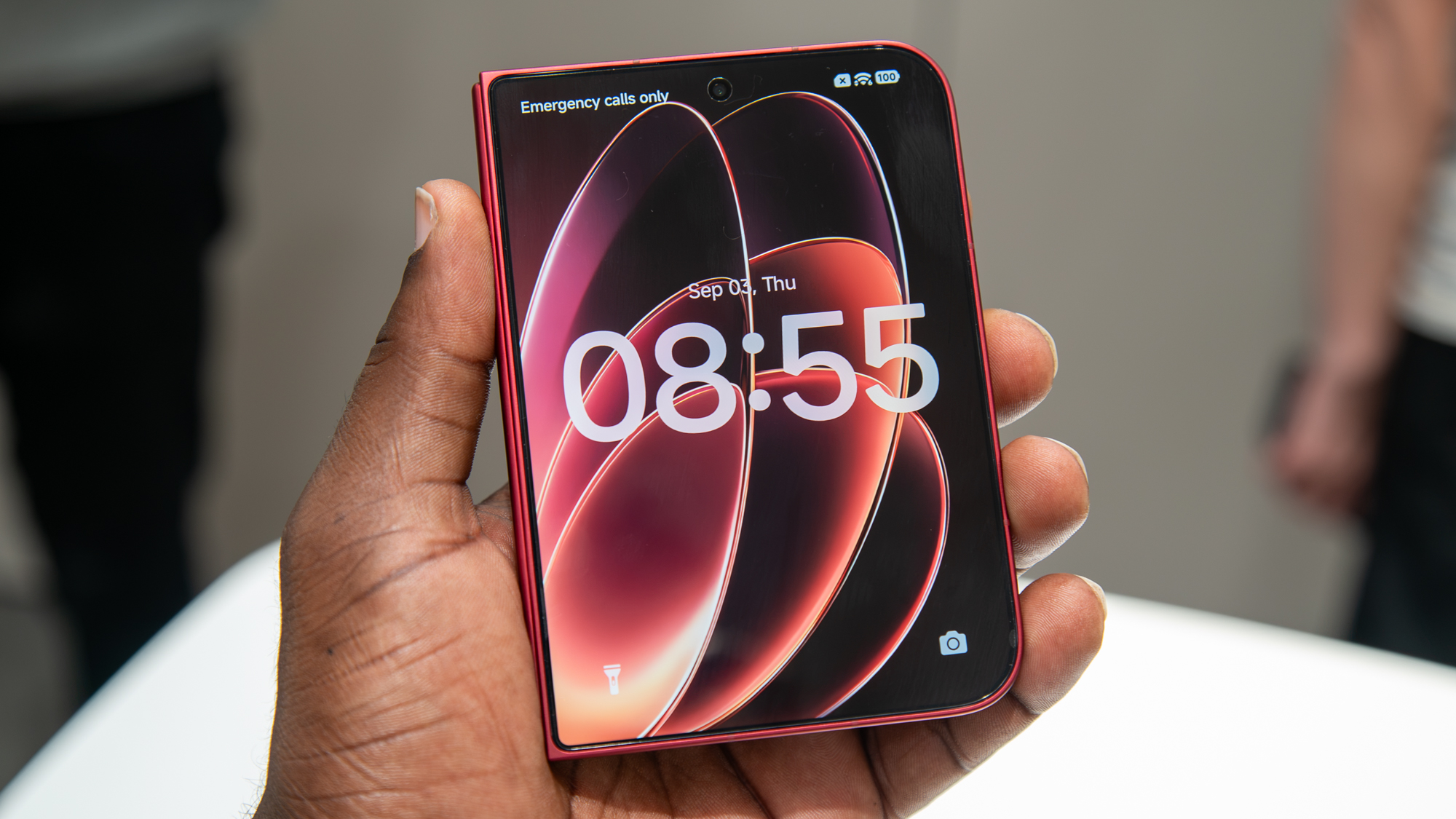
The external cover display measures 5.38 inches, presenting a wide passport-style aspect ratio that facilitates comfortable two-thumb typing without feeling cramped. While the heavily rounded outer corners cut slightly into usable corner real estate compared to squared-off competitors, daily usability remains high.
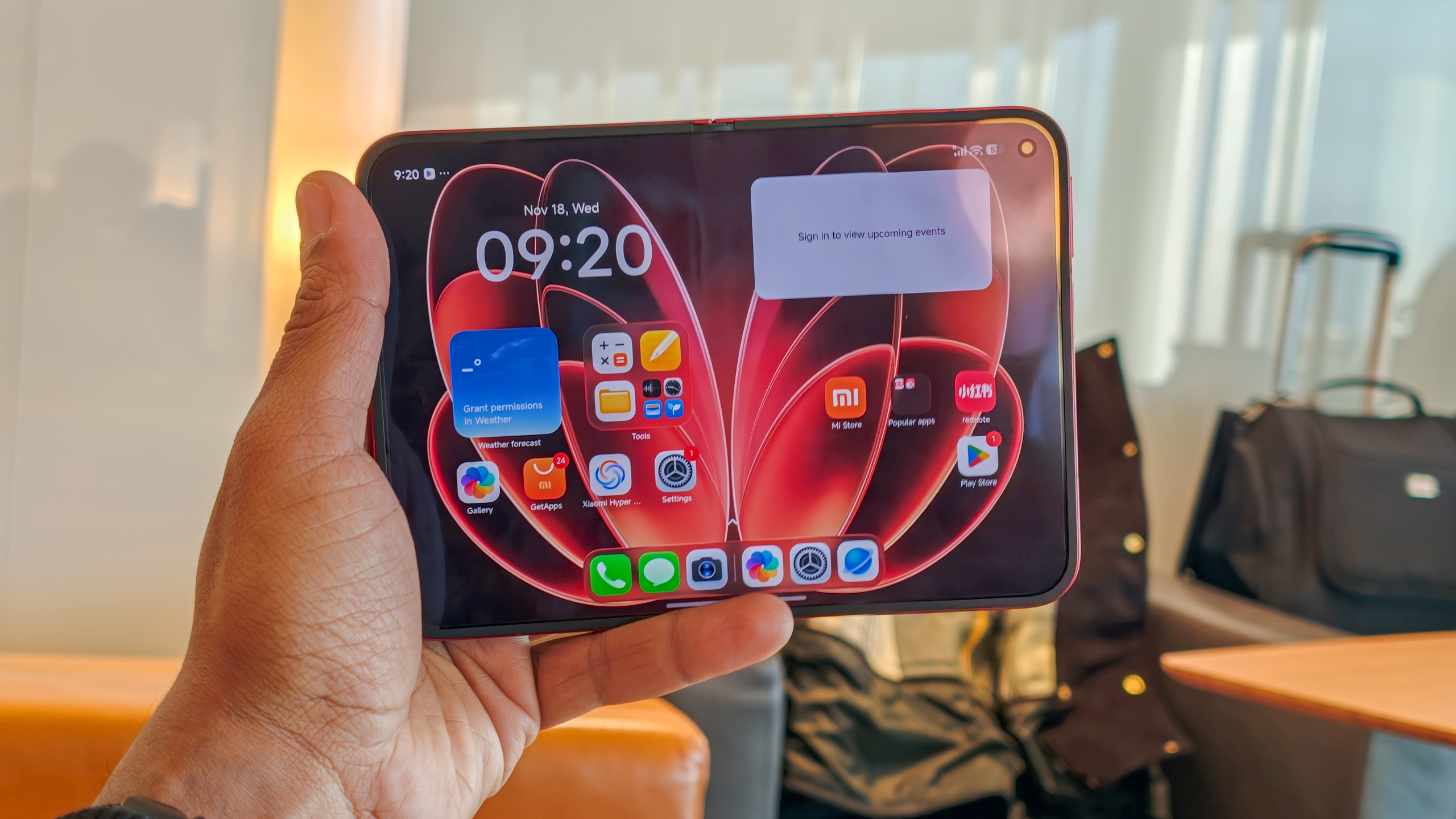
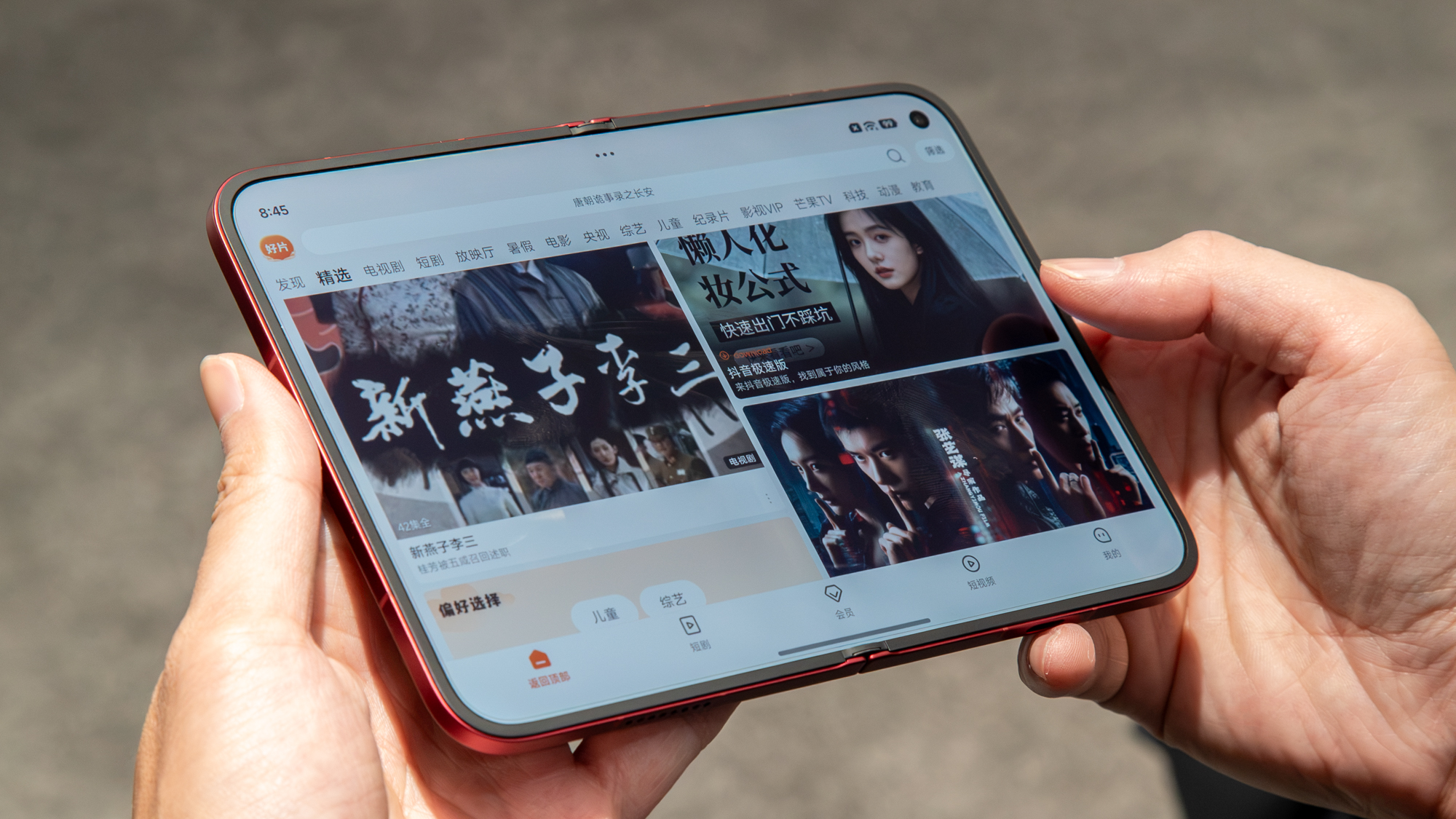
Unfolding the device reveals a sprawling 7.58-inch internal OLED panel. Boasting HDR peak brightness levels exceeding 3,700 nits, the screen remains easily legible under harsh outdoor sunlight. Unlike Apple’s optical illusion strategies, the central crease on the Xiaomi 18 Fold is virtually invisible when viewed head-on, though it becomes noticeable at oblique viewing angles. Additionally, users with sensitive eyes should note potential low-brightness PWM flicker during late-night usage sessions.
Performance Benchmarks and Power Management
Under the hood, the Xiaomi 18 Fold serves as the debut vehicle for the company’s proprietary 3nm XRing O3 flagship processor, paired with 16GB of LPDDR6 RAM. Everyday navigation, split-screen multitasking, and heavy camera processing execute instantaneously. However, prolonged execution of demanding 3D gaming titles or extended video capture sessions induces noticeable thermal warmth along the upper half of the thin chassis.
The true engineering triumph lies in the integration of a massive 6,000mAh silicon-carbon battery. Despite powering two high-refresh-rate displays, the modest footprint of the outer screen helps conserve power, resulting in class-leading endurance that comfortably outlasts competing foldables under heavy testing loads. Recharging is expedited via 67W wired charging, which restores 50 percent capacity in 19 minutes and a full charge in 50 minutes using the bundled power brick. Additionally, 50W wireless charging support provides convenient cable-free replenishment.
Optical Superiorry: The Leica Camera System
Xiaomi’s hardware-first research and development philosophy yields its most significant advantage in the camera department. While Western competitors routinely equip their foldables with dual-lens arrays or cropped sensors, the Xiaomi 18 Fold incorporates a robust triple-camera array: a 200MP main sensor, a 50MP ultrawide lens, and a dedicated 50MP 3.5x optical periscope telephoto lens.
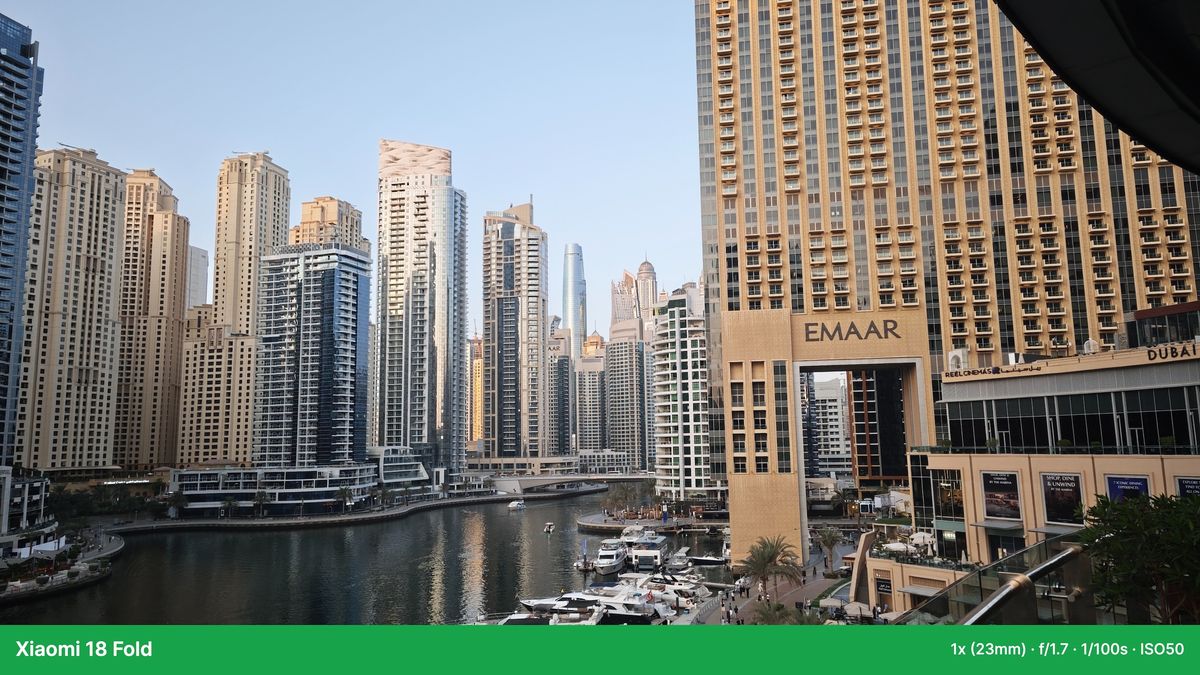
Comparative field testing against the iPhone Duo and Galaxy Z Fold 8 demonstrates a decisive victory for Xiaomi in the zoom category. The periscope lens preserves sharp optical detail across focal lengths ranging from 3x past 30x, avoiding the digital blurring common in rival devices. Combined with Leica Vibrant color science and sophisticated low-light metering, the system produces consistent imagery across diverse lighting conditions. Minor limitations include a relatively narrow 17mm ultrawide crop and slight lens flare on the cover selfie camera during harsh backlighting.
Software Limitations and the HyperOS 4 Ecosystem Dilemma
The primary friction point for international consumers centers around software optimization. Running HyperOS 4 based on Android 17, the interface provides fluid animations and an innovative six-app horizontal multitasking strip that allows users to manage three full-height panes simultaneously.
Installing Google Mobile Services and the Google Play Store is relatively straightforward, allowing core applications like Gemini to function. However, because the ROM is engineered exclusively for mainland China, several integrated Android features fail to operate correctly in Western regions. Users cannot designate alternative system assistants or system-wide default browsers. Furthermore, Google Find Hub fails to resolve device locations despite comprehensive permission grants, and Google two-factor authentication (2FA) verification prompts frequently fail to trigger.
Additional ecosystem incompatibilities include the complete absence of Android Auto functionality and lack of native eSIM support—a limitation stemming from regional regulatory frameworks. The device also omits 6 GHz Wi-Fi connectivity and a dedicated desktop mode despite supporting wired video output via USB-C. Industry analysts note that these software friction points could be swiftly resolved if Xiaomi deployed a global HyperOS ROM similar to those used on the Xiaomi 18 Pro series, mirroring Oppo’s localization strategies.
Market Implications and Conclusions
The Xiaomi 18 Fold represents a watershed moment for foldable hardware engineering, successfully resolving historical compromises regarding battery capacity and optical zoom within a lightweight passport-style chassis. For consumers residing in mainland China, or for dedicated technology enthusiasts willing to navigate import channels and accept missing features like Android Auto and eSIM functionality, it stands as arguably the finest foldable device available.
However, for the broader global consumer base, the software limitations imposed by the regional ROM position the device as an enthusiast’s dream rather than a mainstream recommendation. Until Xiaomi commits to an official global rollout complete with localized software support, mainstream users are advised to rely on the more thoroughly integrated, albeit less ambitious, hardware offerings from Samsung and Apple.