Locked Out Of Your Apple Id Youre Not The Only One As Apple Faces Widespread Reports Of Forced Password Resets
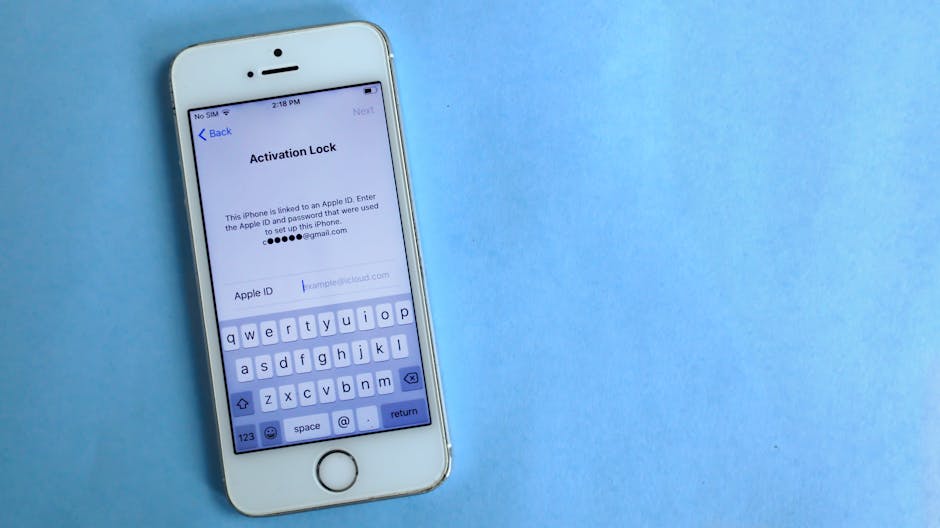
Locked Out of Your Apple ID? You’re Not the Only One: Apple Faces Widespread Reports of Forced Password Resets
Numerous Apple ID users across the globe are reporting being unexpectedly locked out of their accounts, with many experiencing forced password resets. This widespread issue has left individuals unable to access their devices, iCloud services, and purchased content, causing significant disruption and frustration. The influx of complaints on social media platforms and Apple support forums suggests a systemic problem rather than isolated incidents. While Apple has not yet released a definitive public statement detailing the cause or scope of these lockouts, the sheer volume of affected users points towards a significant technical glitch or a security-related event that has triggered an automated lockout protocol. This article will delve into the potential reasons behind these forced resets, the impact on users, and what steps individuals can take to regain access to their Apple IDs.
The core of the problem appears to stem from Apple’s robust security measures. Apple ID is the central hub for a user’s entire digital ecosystem. It governs access to iPhones, iPads, Macs, Apple Watches, iCloud storage, the App Store, iTunes, Apple Music, Apple Pay, and a host of other services. Consequently, Apple employs stringent security protocols to protect these accounts from unauthorized access. When the system detects unusual activity, multiple failed login attempts, or potential compromise, it can automatically trigger a lockout to prevent further unauthorized use. However, in this recent wave of incidents, the triggers for these lockouts seem to be occurring without any apparent user-initiated suspicious activity, leading to widespread confusion and distress.
One of the most commonly cited scenarios by affected users involves receiving an email notification from Apple stating that their Apple ID password has been changed. This notification often arrives unexpectedly, and upon attempting to log in with their existing credentials, users find them to be invalid. This immediate disconnect between the user’s knowledge of their password and the system’s denial of access is a hallmark of the current problem. Following this, users are typically guided through Apple’s account recovery process, which often involves verifying identity through trusted devices, phone numbers, or email addresses. However, for some, even these recovery steps are proving to be problematic, either due to delays, communication issues, or the inability to access the necessary verification methods.
The "forced password reset" aspect is particularly concerning. While password resets are a normal part of account security, the forced nature of these events, without a clear user prompt or trigger, raises questions about the underlying cause. It could indicate that Apple’s security systems have proactively intervened due to perceived threats, or it could be a consequence of a bug within the system that is mistakenly flagging legitimate accounts as compromised. The minimum duration of these lockouts or recovery periods can also be a significant point of contention, as users can be completely cut off from their devices and data for extended periods, impacting their ability to work, communicate, and manage their lives.
The impact of being locked out of an Apple ID extends far beyond the inability to log into a single device. For many, their iPhone is their primary communication device, wallet (via Apple Pay), and access point to essential applications. When this access is revoked, it can lead to a cascade of problems. Users might be unable to make or receive calls and texts, access vital contacts, use navigation services, or even make emergency calls if their device is locked. iCloud sync is also disrupted, meaning photos, documents, and other data stored in the cloud become inaccessible until the account is restored. This can be particularly devastating for individuals who rely on iCloud for backups and data synchronization across their devices.
Furthermore, the financial implications can be substantial. Users who have made in-app purchases, downloaded paid applications, or subscribed to Apple services like Apple Music or Apple TV+ will find themselves unable to access these paid-for features. While purchases are tied to the Apple ID, the inability to authenticate means the device cannot verify ownership of these digital goods and services. This can lead to lost productivity for professionals who rely on specific apps and a frustrating entertainment experience for consumers. The anxiety and stress associated with being disconnected from one’s digital life, coupled with the potential financial losses, contribute to the significant negative sentiment surrounding this issue.
Speculation about the cause of these widespread lockouts is rife. Some users suspect a large-scale phishing attack or data breach that Apple is actively responding to by locking down accounts. Others believe it could be a software bug in a recent iOS, macOS, or other Apple operating system update that is erroneously triggering security protocols. A coordinated attack targeting Apple’s authentication servers is another possibility, forcing Apple to implement broad security measures to protect its user base. Without official word from Apple, these remain theories, but the consistent pattern of forced password resets suggests a systemic trigger rather than individual account compromises.
For individuals currently experiencing this issue, the primary recourse is to engage with Apple’s official account recovery process. This typically involves visiting the Apple ID account recovery website (if accessible) or contacting Apple Support directly. The process usually requires users to verify their identity through various means. This might include:
- Trusted Devices: Having another Apple device signed into the same Apple ID that can receive verification codes.
- Trusted Phone Numbers: Receiving verification codes via SMS or phone call to a pre-registered phone number.
- Email Addresses: Using a trusted email address to receive recovery instructions or verification codes.
- Security Questions: Answering security questions previously set up on the account.
- Account Recovery (Delayed Process): If other verification methods fail, Apple may initiate a longer account recovery process that can take several days to complete, during which time access is limited.
It is crucial for users to be patient and follow the instructions provided by Apple meticulously. Attempting to bypass the official channels or seeking third-party solutions can potentially further compromise the account or lead to scams. Users are also advised to ensure they have access to all the information Apple might require for verification, including serial numbers of their Apple devices, purchase receipts for Apple products or digital content, and knowledge of their account history.
While waiting for account recovery, users can take some proactive steps to mitigate further disruption. If they have any vital data on their devices that is not synced to iCloud, they should try to back it up to a computer if possible, assuming the computer is not also locked down by the same Apple ID. If they have another Apple device that is not locked out, they can try to use it to manage family sharing settings or access purchased content, depending on the specific nature of the lockout.
The widespread nature of these forced password resets highlights a critical vulnerability in the reliance on a single account for such a vast array of personal and financial data. While Apple’s commitment to security is commendable, the execution of its security measures has, in this instance, caused significant hardship for a large segment of its user base. The lack of immediate and clear communication from Apple about the cause and resolution of this issue has only exacerbated the problem, leading to increased anxiety and distrust among its customers.
Moving forward, it is imperative for Apple to not only address the immediate technical issues causing these lockouts but also to enhance its communication protocols during such widespread security events. Providing users with clear, timely, and actionable information is paramount. Furthermore, Apple might need to re-evaluate its automated lockout mechanisms to ensure they are not overly aggressive and are less prone to false positives that inadvertently penalize legitimate users. The focus on robust security should be balanced with user experience and accessibility, especially when such fundamental access is disrupted.
For users, this situation serves as a stark reminder of the importance of maintaining a secure Apple ID and having a robust account recovery plan in place. This includes:
- Strong, Unique Passwords: Utilizing complex passwords that are not shared across other services.
- Two-Factor Authentication (2FA): Ensuring 2FA is enabled for the Apple ID, which adds an extra layer of security.
- Trusted Devices and Phone Numbers: Keeping trusted devices and phone numbers up-to-date within the Apple ID settings.
- Regularly Reviewing Account Security: Periodically checking Apple ID security settings and activity logs for any suspicious entries.
- Secure Email Access: Ensuring the primary email address associated with the Apple ID is secure and accessible.
- Physical Backups: Considering periodic local backups of important data to a computer or external drive, independent of cloud services.
The ongoing reports of forced Apple ID password resets underscore a significant operational challenge for Apple and a considerable inconvenience for its millions of users. While the exact cause remains unconfirmed, the impact is undeniable, leaving many locked out of their digital lives. The focus for affected users must remain on navigating Apple’s official recovery channels, and for Apple, the imperative is to resolve this widespread issue promptly, transparently, and with a commitment to preventing future occurrences of such disruptive events. The trust users place in Apple’s ecosystem is immense, and incidents like these test that trust, emphasizing the need for both robust security and seamless user experience.


