Mastering Enterprise Social Media Leadership in 2026: Essential Strategies, Skills, and Metrics

The landscape of digital communications has evolved dramatically, shifting social media from a tactical publishing channel into a critical enterprise function. In 2026, leading a corporate social media team requires a sophisticated blend of strategic vision, cross-functional collaboration, cultural fluency, and rigorous governance. Recent data from enterprise studies underscores that organizational success is increasingly tied to empowering leaders who possess deep strategic understanding and direct decision-making authority. As social ad spending in the United States alone surpasses $121 billion, executives are no longer evaluating social media through the narrow lens of vanity metrics. Instead, they demand demonstrable impact on brand health, revenue pipelines, risk mitigation, and customer retention.

The distinction between social media management and social media leadership has become pronounced across global enterprises. While social media managers focus on the day-to-day execution of campaigns, publishing cadences, and immediate community responses, social media leaders establish the overarching direction, governance frameworks, and budgets. Leaders navigate the complexities of managing distributed teams across multiple time zones, aligning regional outputs with global corporate objectives, and communicating complex data narratives to the C-suite. Industry experts emphasize that exceptional social leaders must possess acute cultural awareness. Rather than chasing every fleeting trend, effective leaders read the room to steer their organizations through sensitive cultural moments, avoiding tone-deaf messaging that could jeopardize brand reputation.
Core Competencies for Modern Social Media Leaders

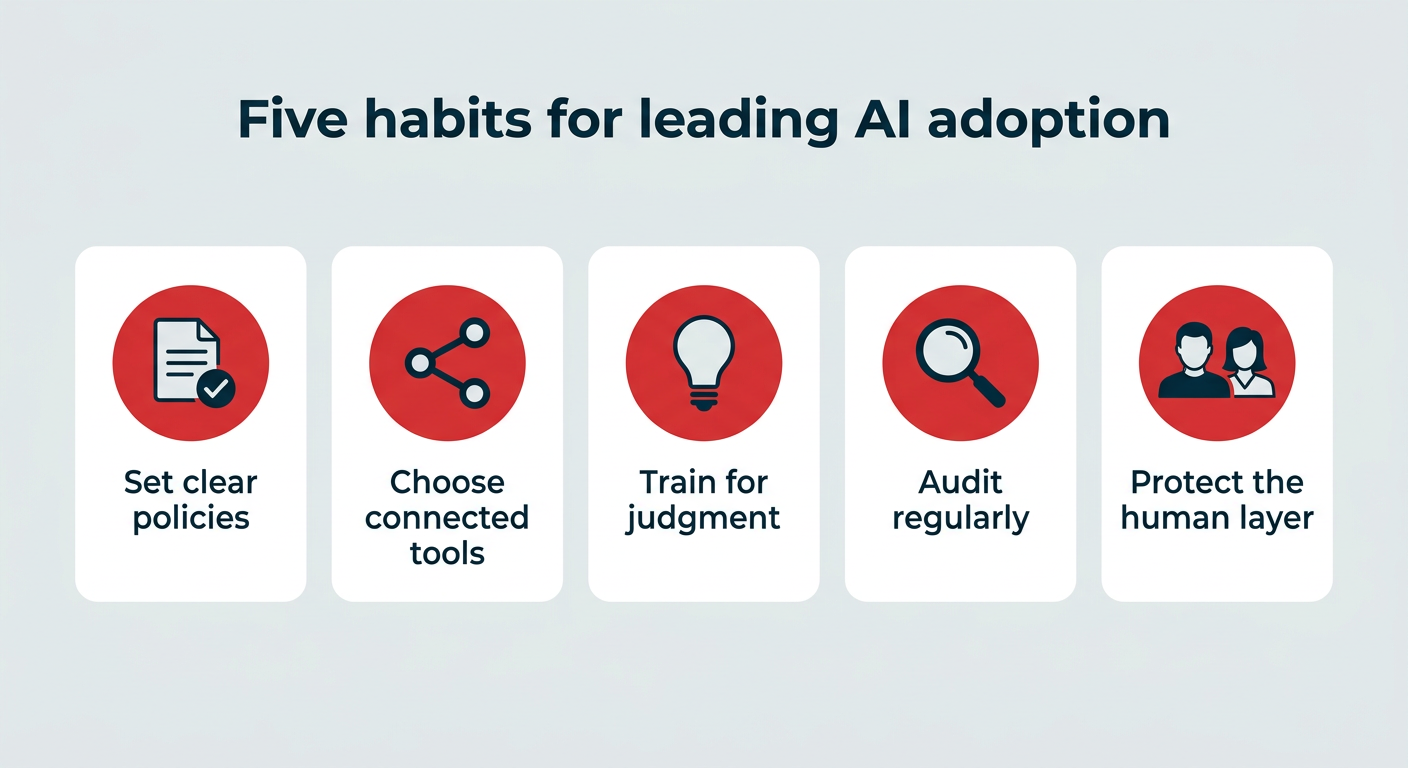
Navigating enterprise social media successfully in 2026 demands mastery across five core operational pillars. First, strategic thinking and goal alignment require leaders to decide not only which objectives to pursue, but equally importantly, which initiatives to decline. By narrowing the scope, regional teams avoid the trap of spreading their resources too thin across competing priorities. Second, leading artificial intelligence adoption and governance has transitioned to the forefront of operational strategy. With AI-driven marketing automation projected to double by 2028, leaders must implement proactive governance tools—such as Hootsuite’s Vigil framework—to ensure automated workflows comply with brand safety standards without stifling team creativity.
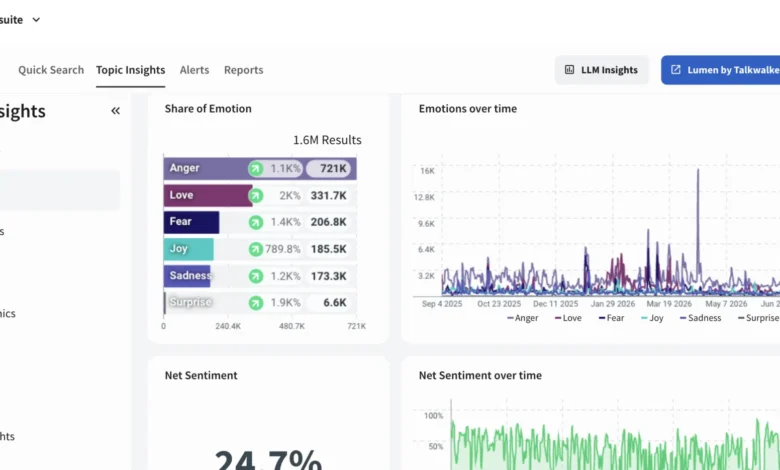
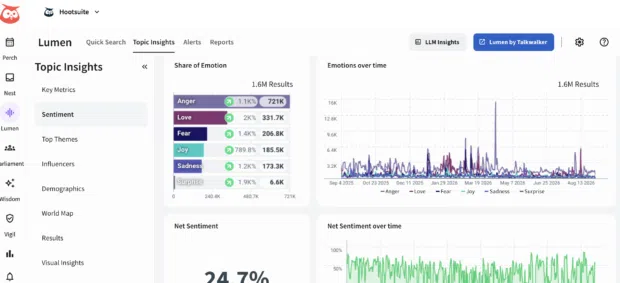
Third, data storytelling remains vital for securing executive buy-in. Transitioning raw metrics into compelling narratives involves pairing quantitative performance indicators with qualitative insights, such as capturing genuine customer sentiment from direct messages and public comments. Fourth, crisis leadership and reputation management require robust listening infrastructure, utilizing insights tools like Lumen to monitor sentiment shifts at scale. Proactive community management strategies often involve routing product-specific inquiries directly to customer experience departments, thereby preserving the social team’s bandwidth for strategic content creation. Finally, cross-functional collaboration bridges the traditional silos between marketing, product development, sales, and human resources, turning social intelligence into a company-wide asset.
Evolution of the Role and Operational Frameworks
The structural transformation of social media leadership is driven by four primary shifts: the integration of advanced AI tools, heightened regulatory scrutiny, the demand for measurable commercial attribution, and the expansion of distributed global workforces. Enterprise directors now operate digital marketing ecosystems rather than isolated channels. To maintain compliance without impeding workflow velocity, organizations rely on integrated operating systems that embed compliance checks, automated approvals, and audit trails directly into the publishing process. This structure eliminates bottlenecks, ensuring that legal and regulatory requirements are met seamlessly across all jurisdictions.
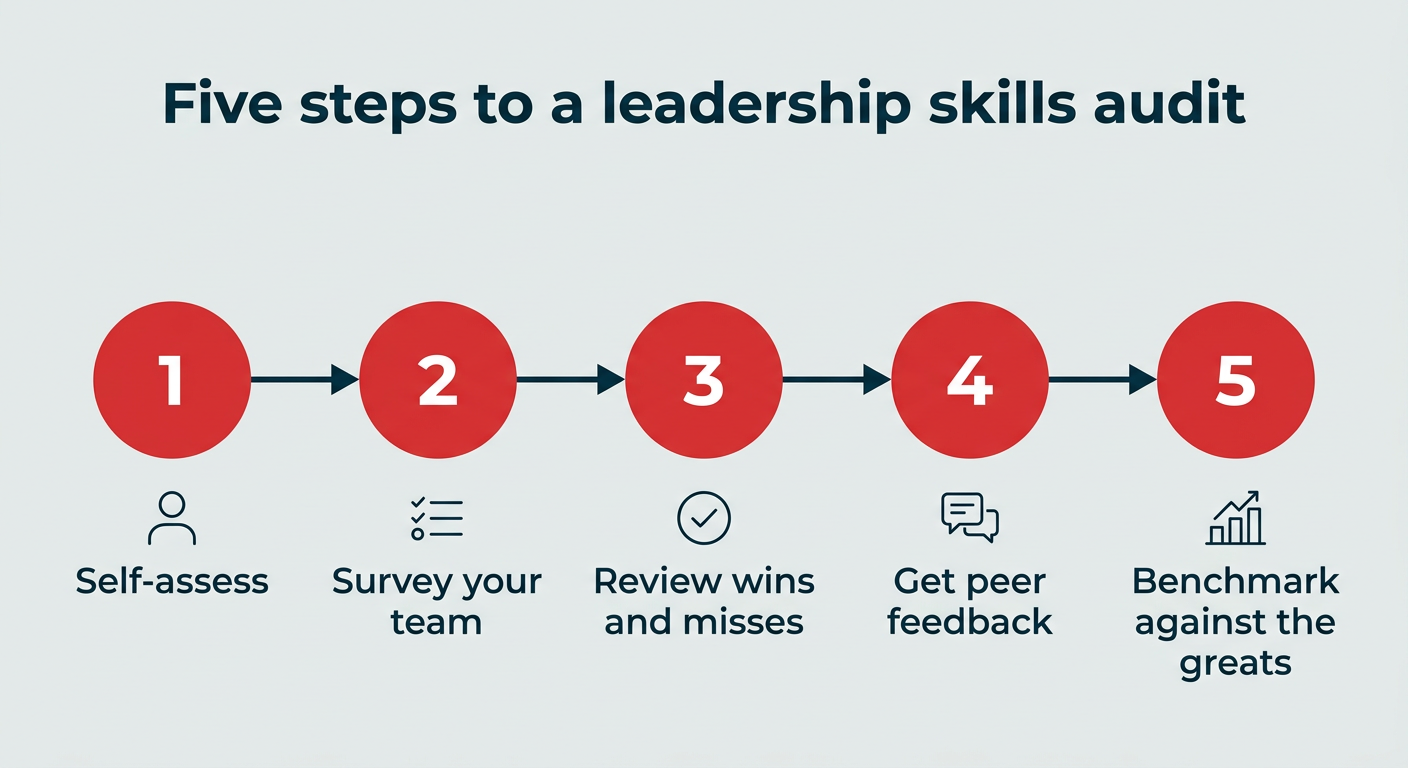
Furthermore, leadership development within this specialized field often stems from proactive career advocacy and structured internal audits. Professionals aiming for executive oversight must systematically document their contributions, tracking how social initiatives directly influence commercial pipelines and customer retention. Establishing clear decision-making frameworks, fostering mentorship, and maintaining a high tolerance for calculated experimentation are hallmarks of resilient leadership. Perfectionism frequently hinders progress in fast-paced digital environments, whereas a willingness to test, analyze failures, and iterate rapidly drives long-term innovation.
Measuring Impact Beyond Vanity Metrics
Evaluating the success of a modern social enterprise requires shifting away from superficial metrics like raw follower counts and focusing instead on comprehensive impact indicators. Industry leaders advocate tracking a balanced scorecard that maps directly to broader business outcomes. Key performance metrics now include brand sentiment and share of voice, crisis response times, team workflow efficiency, AI-assisted output review rates, employee advocacy reach, and social-attributed revenue pipelines. By presenting these metrics within a broader contextual framework—such as year-over-year comparisons and competitor benchmarks—leaders can clearly demonstrate the tangible value of social media operations to executive boards.
Ultimately, the future of enterprise social media leadership hinges on building connected, intelligent, and flexible ecosystems. Platforms that unify publishing, listening, customer care, and governance into a single system empower leaders to move past fragmented toolsets. By prioritizing strategic alignment, fostering cross-functional trust, and maintaining rigorous yet adaptable governance standards, social media leaders solidify their role as indispensable drivers of enterprise growth and brand resilience in 2026 and beyond.