Samsung Hit With $15 Million Fine in South Korea Over Misleading Gaming Performance Claims on Past Flagship Devices

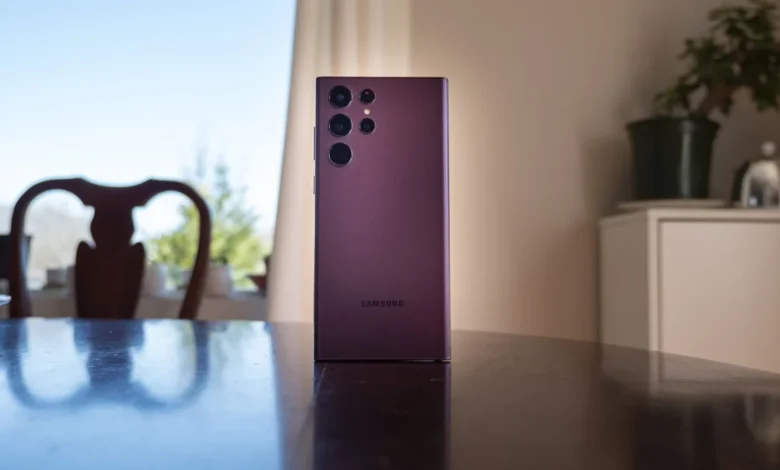
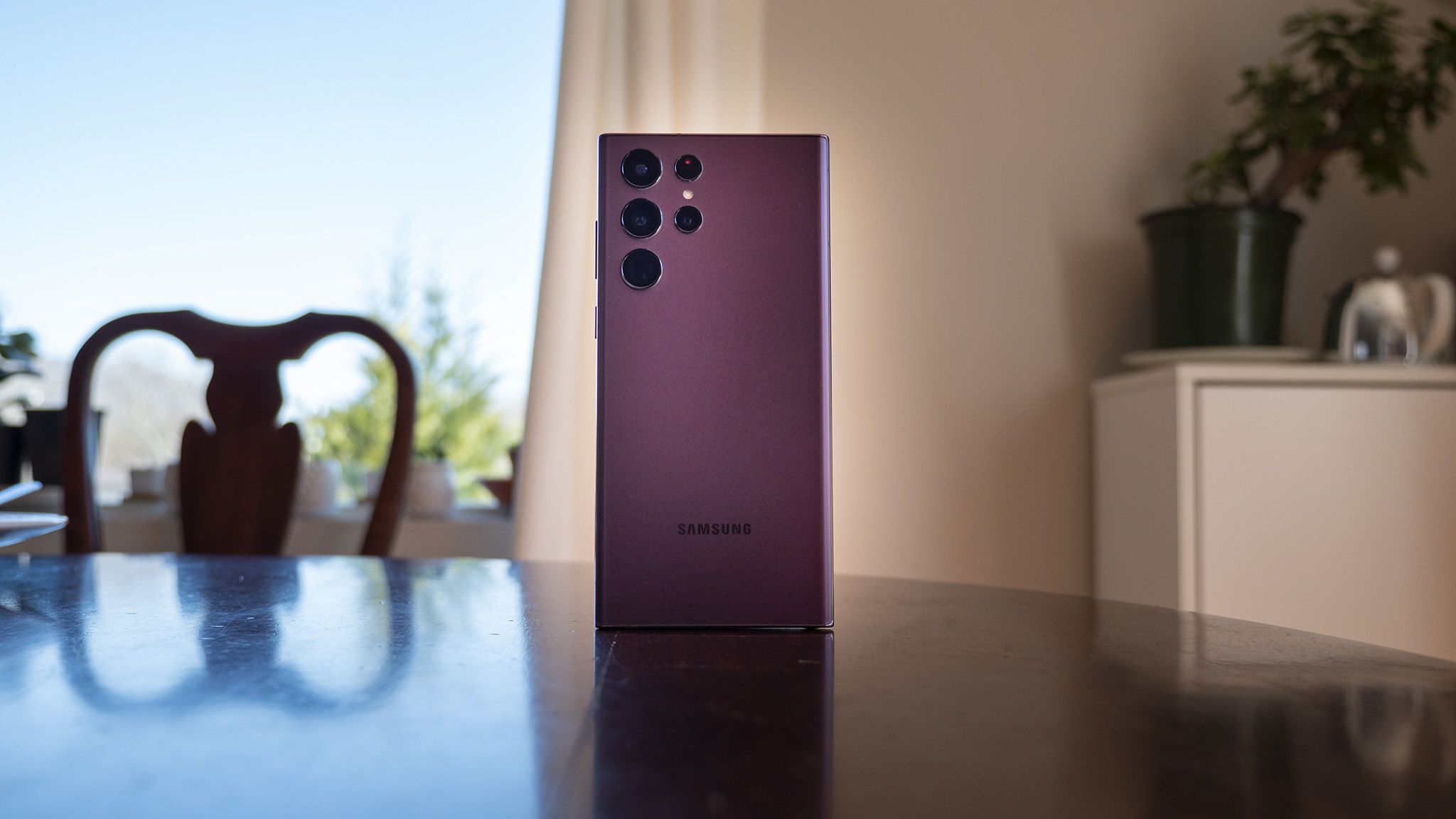
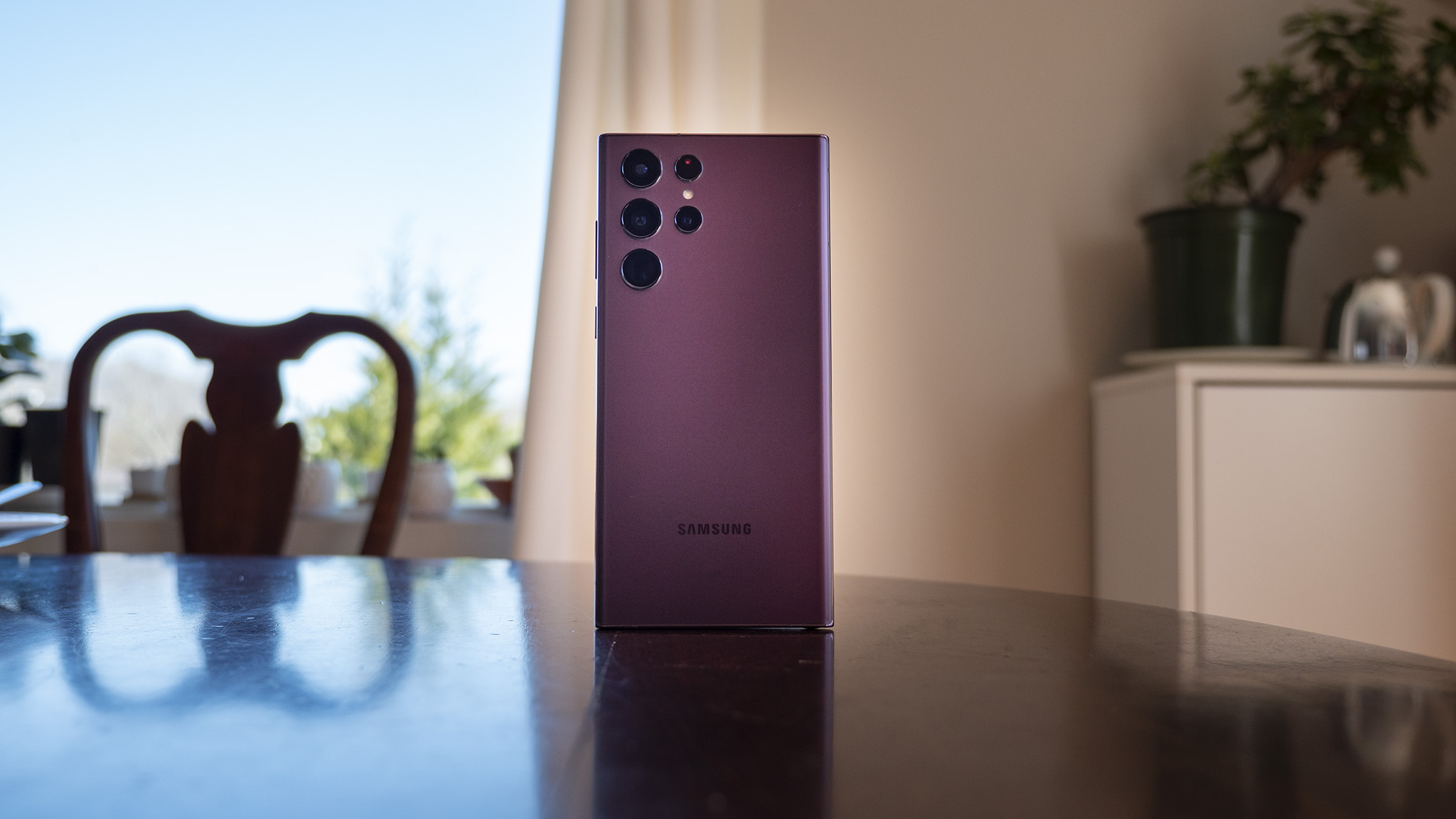
Samsung Electronics has been handed a substantial financial penalty by South Korea’s antitrust regulator, the Fair Trade Commission (FTC), over allegations that the tech giant misled consumers regarding the gaming performance of several past-generation flagship smartphones and tablets. The regulatory body imposed a fine of 20 billion KRW, equivalent to approximately $15 million USD, following a comprehensive investigation into how the company managed and advertised hardware capabilities on devices including the Galaxy S21, Galaxy S22, and Galaxy Tab S8 series.
The regulatory action highlights ongoing tensions between manufacturers aiming to maximize device longevity and thermal safety, and consumers who expect advertised specifications to translate directly into real-world performance. According to the FTC, Samsung’s promotional campaigns heavily emphasized high-end mobile gaming experiences, showcasing rapid screen transitions and complex graphical effects as primary selling points for its premium hardware. However, the commission concluded that the actual user experience frequently fell short of these representations due to internal software limitations that were not adequately disclosed at the time of purchase.
The Role of the Game Optimizing Service (GOS)
At the heart of the regulatory dispute is the Game Optimizing Service (GOS), a pre-installed software application embedded within the affected Samsung devices. While Samsung maintained that the service was designed as an essential thermal management tool to prevent overheating and ensure stable, long-term operation during resource-heavy tasks, the FTC’s findings painted a different picture of its functionality.
Investigators discovered that the GOS automatically initiated performance throttling the moment a designated mobile game was launched. Rather than reacting dynamically to rising internal temperatures—a standard practice across the consumer electronics industry to protect hardware components—the service reportedly throttled the performance of both the central processing unit (CPU) and the graphics processing unit (GPU) regardless of whether the device was operating at a normal temperature or running under extreme thermal stress.
This aggressive throttling resulted in noticeable performance degradations, including reduced frame rates, graphical stuttering, screen freezing, and input lag. For consumers who purchased devices marketed explicitly for high-performance mobile gaming, the intervention of the GOS effectively created a bottleneck that prevented the hardware from delivering the capabilities advertised in marketing materials.
Regulatory Findings and Consumer Transparency
The South Korean FTC emphasized that hardware performance, particularly regarding gaming and graphical rendering, serves as one of the most critical benchmarks for consumers evaluating premium smart devices. In its official adjudication, the commission stated that companies bear a strict responsibility to clearly and transparently inform buyers of any software-level limitations or performance restrictions that could materially affect their user experience.
By failing to disclose the preemptive restrictions imposed by the GOS prior to purchase, Samsung engaged in deceptive marketing practices, according to the regulator. The FTC noted that consumers were led to believe they were purchasing hardware capable of sustaining peak performance levels indefinitely, only to experience unexpected slowdowns during everyday usage scenarios.
Samsung’s Response and Legal Stance
Samsung Electronics has formally expressed disagreement with the FTC’s conclusions and the severity of the financial penalty. In statements provided to regional media outlets such as Yonhap News, the company defended the implementation of the Game Optimizing Service as a necessary engineering decision aimed at protecting hardware integrity and user safety.
According to Samsung, the GOS was intentionally engineered to strike a balance between processing power and thermal dissipation, ensuring that users could enjoy prolonged gaming sessions without risking hardware degradation, battery damage, or excessive exterior temperatures. The company maintains that optimizing performance for stability is a standard industry practice designed to benefit the consumer rather than mislead them.
Legal representatives for Samsung have indicated that the company plans to vigorously contest the FTC’s ruling through official legal channels, arguing that the regulatory framework fails to account for the complex engineering challenges associated with packing high-performance computing components into slim, mobile form factors.
Background Context and Industry-Wide Thermal Challenges
The controversy surrounding Samsung’s GOS is not entirely new; consumer backlash first surfaced globally when tech enthusiasts and benchmark developers uncovered the software limitations shortly after the commercial release of the Galaxy S22 lineup. Users discovered that while benchmarking applications—which were often excluded from the GOS whitelist—registered peak hardware performance, actual gaming applications suffered immediate performance penalties.
The root cause of these aggressive thermal management strategies often ties back to processor design. In several markets, Samsung’s flagship devices relied on proprietary Exynos chipsets, which historically faced criticism from reviewers and consumers alike for generating excessive heat and consuming battery power rapidly under sustained loads. While competitors utilizing Qualcomm Snapdragon or Apple silicon faced similar thermal constraints, the deployment of hidden throttling software without clear user toggles or disclosures became a distinct point of contention for Samsung.
In response to the initial public outcry in 2022, Samsung issued system software updates for the Galaxy S21 and S22 series, introducing a performance priority toggle within the Game Booster settings. This update allowed users to manually choose whether they preferred prioritized frame rates over thermal and battery conservation. Despite these retroactive software patches, regulatory scrutiny persisted, culminating in the current FTC ruling and monetary penalty.
Broader Implications for the Mobile Industry
The FTC’s decision against Samsung establishes a significant precedent for transparency in the mobile device market. As smartphones and tablets increasingly rival traditional gaming consoles in computational power and graphical fidelity, manufacturers face intense pressure to market these capabilities aggressively.
However, this ruling signals to the broader tech industry that regulatory bodies are closely monitoring the gap between marketing claims and real-world execution. Companies can no longer rely on unannounced background software interventions to manage hardware limitations without facing legal and financial consequences.
As Samsung prepares its defense against the 20 billion KRW fine, the case serves as a cautionary tale for smartphone manufacturers worldwide, emphasizing that consumer trust relies as much on transparent communication regarding device limitations as it does on raw hardware specifications.