Mastering Social Media for Business in 2026: The Comprehensive Strategy Guide for Global Brands


The landscape of digital commerce and communication has fundamentally shifted, with worldwide social media adoption reaching a staggering 5.66 billion users by October 2025. For modern enterprises, maintaining an active digital presence is no longer merely a branding exercise; it is an integrated engine driving customer service, market research, lead generation, and direct sales. As U.S. advertisers alone project social network ad spending to exceed $121 billion, organizations across all sectors are forced to reevaluate how they capture attention, foster community trust, and prove return on investment in an increasingly crowded online marketplace.

Understanding the Core Pillars of Digital Engagement

The modern business case for social media rests on three foundational pillars: global reach, real-time relationships, and deep consumer data. When utilized strategically, social platforms dissolve traditional boundaries between brands and consumers. Industry surveys indicate that 83% of marketers cite increased exposure as the primary advantage of social media marketing. Furthermore, social networks have firmly established themselves as a premier channel for consumer research, with prospective buyers frequently evaluating brand reputation and product reliability online long before making a purchase.

Brands like parody magazine Hot Teen successfully leveraged this phenomenon, cultivating an engaged Instagram community prior to the launch of their inaugural print issue. By establishing brand awareness early, the enterprise ensured a ready and receptive market upon debut. This discovery-first approach underscores a vital truth in contemporary commerce: audiences must recognize a brand’s existence and value proposition before transactions can occur.

Direct consumer engagement represents another critical advantage. Platforms such as Facebook, Instagram, and X provide an instantaneous line of communication, allowing support and marketing teams to resolve grievances and answer inquiries with a speed that traditional email hotlines or call centers cannot match. Effective social customer service transforms potential public relations crises into demonstrations of responsiveness and care, as evidenced by beauty brand Wonderskin’s strategic video responses to negative feedback regarding product application.
Constructing a Modern Social Media Strategy
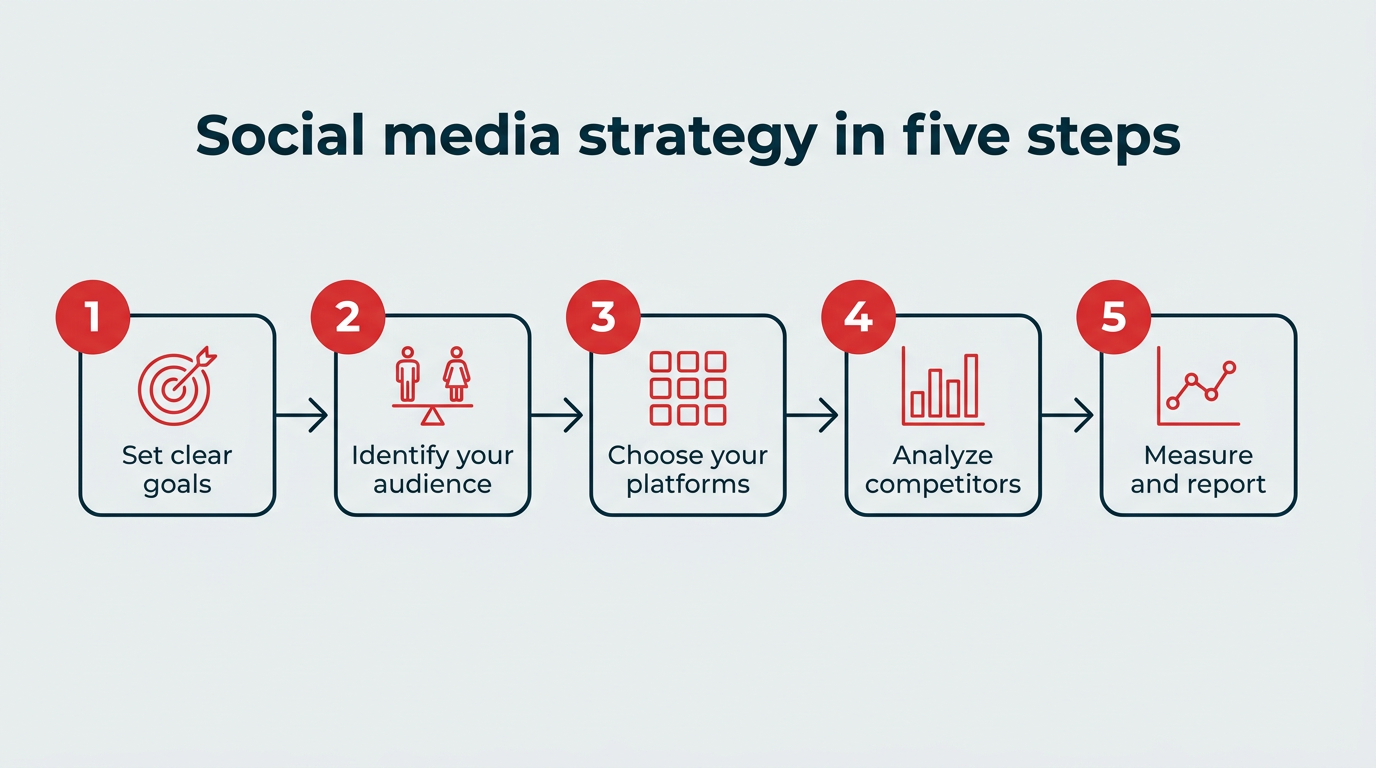
Establishing a sustainable and profitable social media footprint requires a rigorous, multi-step framework that aligns organizational goals with actionable execution.

Setting Measurable Objectives
Without clearly defined targets, calculating return on investment remains elusive. Marketing professionals increasingly rely on SMART criteria—specific, measurable, attainable, relevant, and time-bound goals—to steer their campaigns. Industry analysts continually advise steering away from superficial vanity metrics like follower counts or raw likes, which frequently fail to correlate with bottom-line revenue. Instead, organizations are encouraged to prioritize high-intent metrics, including click-through rates, direct conversion percentages, and verified engagement volume.
Audience Identification and Listening
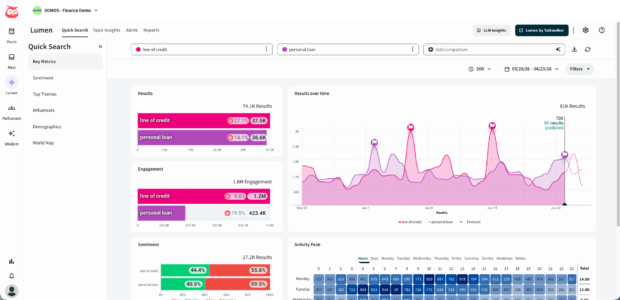
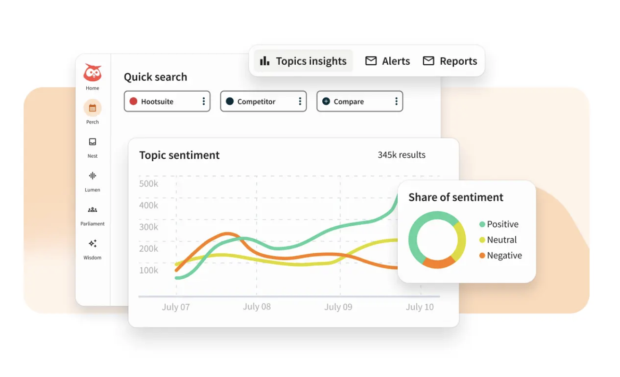
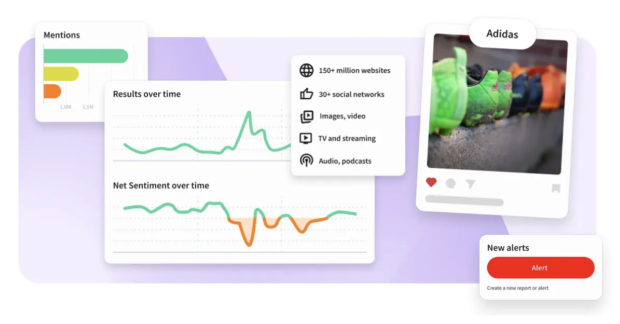
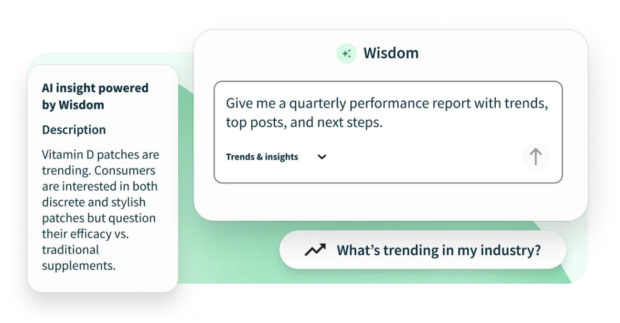
Leveraging sophisticated social listening tools allows businesses to analyze conversations across millions of websites and dozens of social networks. Advanced analytics platforms track sentiment, reach, and emerging linguistic trends, offering granular insights into demographic preferences. By feeding these data streams into AI-driven administrative agents, marketing teams can rapidly synthesize massive volumes of unstructured commentary into actionable content strategies, product enhancements, and customer support improvements.
Platform Selection and Resource Realization
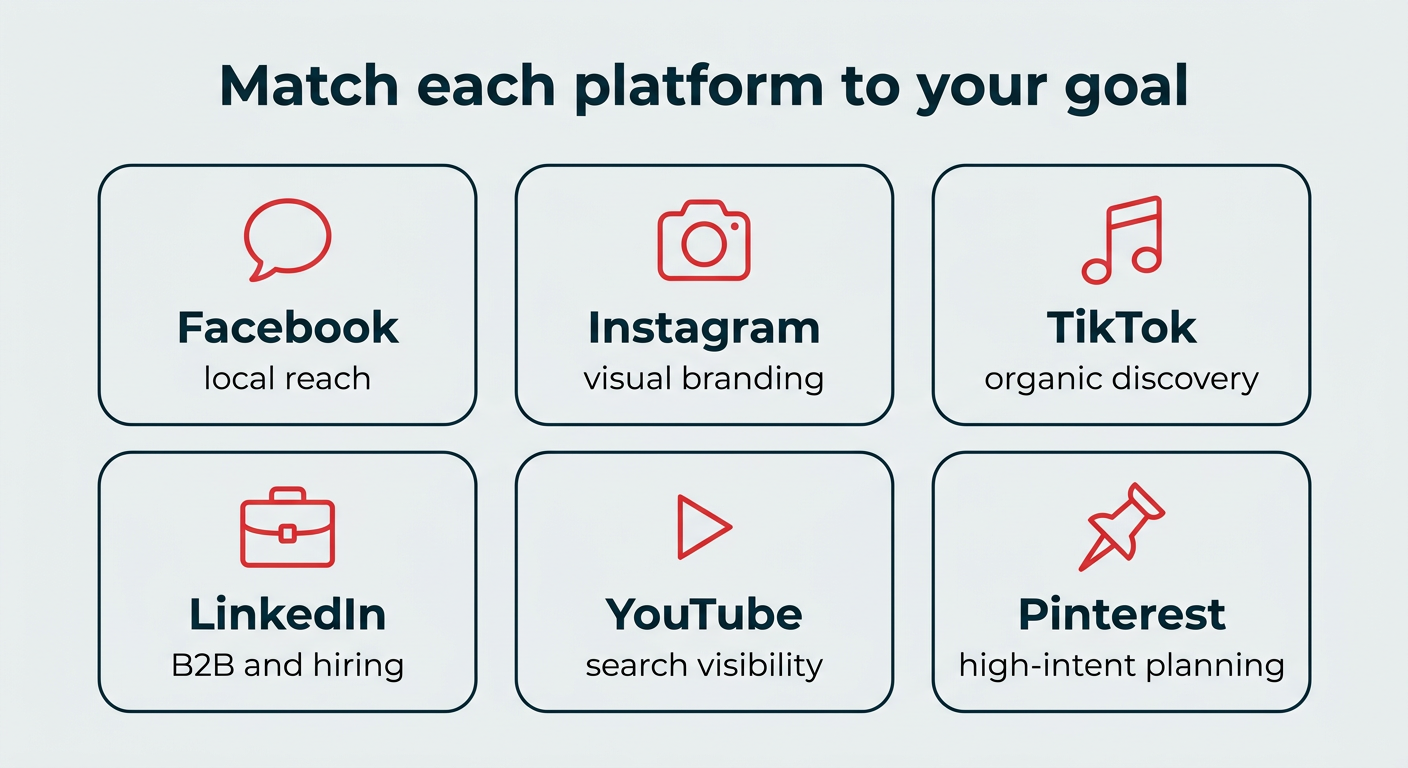
With distinct generational divides defining platform usage—such as Pew Research findings indicating that 80% of U.S. adults aged 18 to 29 utilize Instagram compared to just 19% of those 65 and older—brands must meticulously match their presence to target demographics. Fenty Beauty’s dominant presence on TikTok aligns directly with data showing that 81% of U.S. TikTok Shop sales originate within the health and beauty sector. Enterprises must balance audience location with internal resource capacities, recognizing that maintaining two or three active channels yields significantly better results than spreading thin across six unmanaged platforms.
Competitive Benchmarking and Analytics
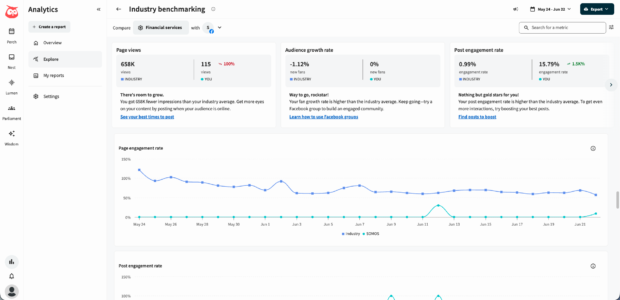
Continuous analysis of competitor activity provides invaluable benchmarks regarding industry standards and emerging content formats. By integrating social platform analytics with comprehensive website data tracking tools like Google Analytics and utilizing custom UTM parameters, organizations can accurately attribute website traffic, email sign-ups, and direct product sales back to specific organic posts or paid ad campaigns.

The Evolution of Paid Social and Governance
While organic reach remains crucial for community building, paid social advertising offers hyper-targeted deployment based on precise user behavior, geographic location, and demographic profiles. Advertisers can amplify top-performing organic content rather than relying on unproven paid campaigns, ensuring optimized budget allocation.
However, rapid scaling introduces complex challenges regarding privacy compliance and corporate governance. Handling customer data responsibly and regulating employee access permissions across enterprise accounts are paramount concerns. Unregulated access or mishandled consumer data carries severe legal, financial, and reputational ramifications. Consequently, modern social media management infrastructure increasingly incorporates rigorous governance layers to manage permissions and approvals securely before administrative scaling takes place.
Leveraging Artificial Intelligence in Social Workflows

Artificial Intelligence has transitioned from an experimental novelty into an indispensable operational layer for modern social media teams. The primary utility of AI lies in workflow velocity: drafting initial content variations, parsing massive sentiment datasets, and accelerating customer inquiry triage. While automated tools cannot replace authentic human empathy and strategic brand judgment, they drastically reduce the administrative friction between identifying an emerging market insight and executing a corrective campaign.

Future Outlook and Strategic Imperatives

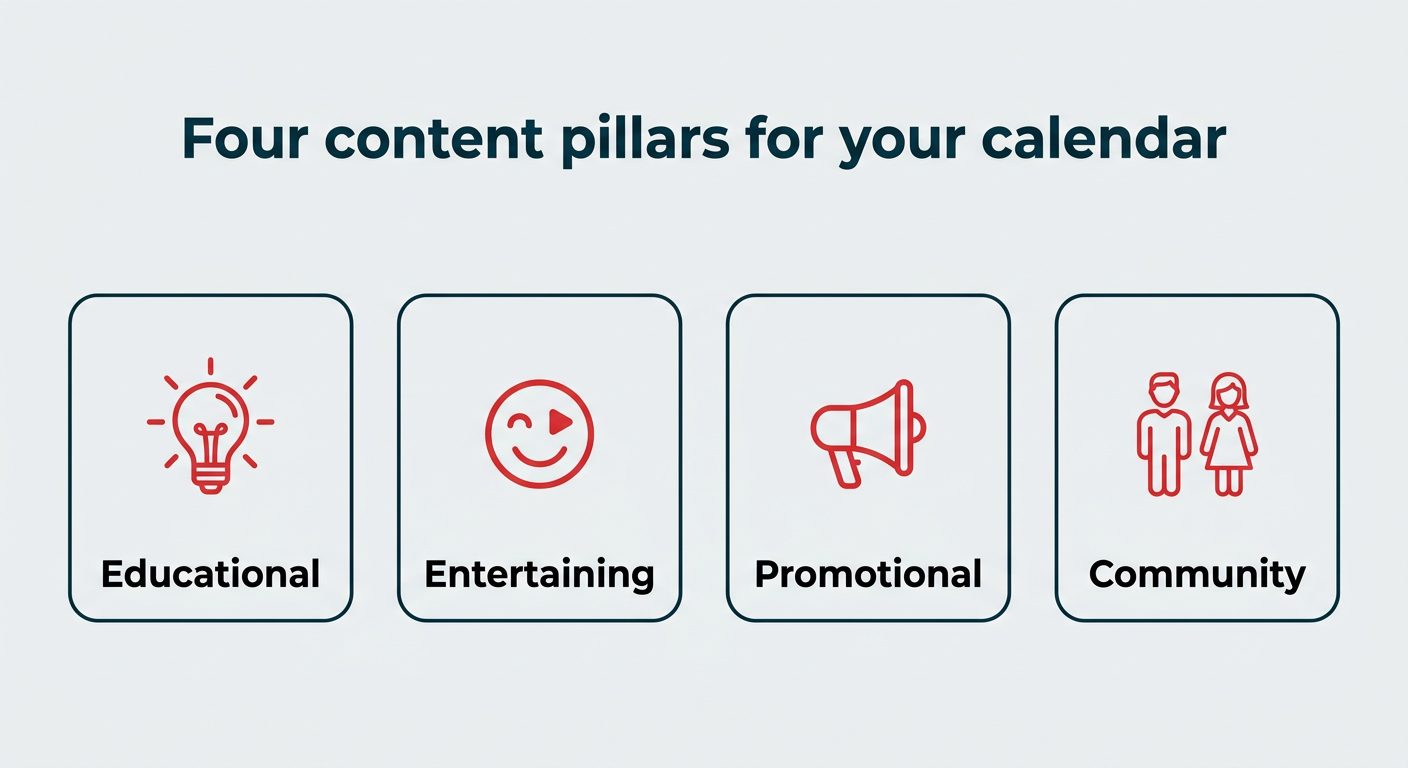
As social commerce continues its exponential expansion through 2026, the enterprises that achieve long-term success will be those that prioritize consistency, authenticity, and rigorous measurement. By pairing structured content calendars with advanced social listening, robust analytics, and agile community engagement, businesses can transform fleeting digital interactions into lasting brand loyalty and sustainable revenue growth.