Digital Anarchy releases Beauty Box v6.5 with advanced AI-powered eye and teeth whitening features for professional video workflows

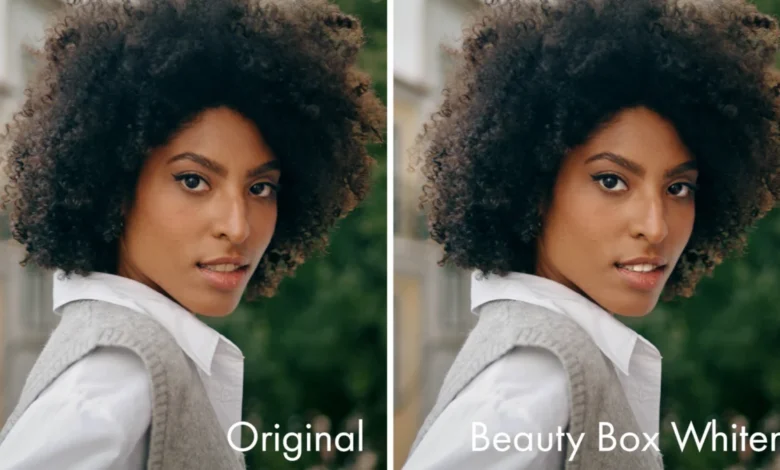
Digital Anarchy has officially launched Beauty Box v6.5, marking a significant milestone in the evolution of real-time skin retouching software for the professional video production industry. This latest iteration introduces sophisticated machine learning algorithms specifically designed to automate the traditionally tedious tasks of eye and teeth whitening. By integrating these features directly into a high-performance GPU inference engine, the update aims to streamline post-production workflows for editors working within major non-linear editing (NLE) platforms, including Adobe Premiere Pro, After Effects, Apple Final Cut Pro, Blackmagic Design DaVinci Resolve, and Avid Media Composer.
The Evolution of Skin Retouching in Post-Production
For over a decade, Digital Anarchy has positioned itself as a leader in digital aesthetics, specifically focusing on skin smoothing and shine removal. The original Beauty Box plugin revolutionized how editors handled close-ups by automating the masking of skin tones and applying smoothing filters while preserving essential facial details like hair and eye texture.
The transition from version 6.0 to 6.5 represents a strategic shift toward incorporating deep learning models into the local rendering pipeline. While traditional skin retouching relied heavily on color-space analysis and edge detection, the new AI-driven approach allows for semantic segmentation—the ability for the software to identify specific anatomical features such as the sclera of the eye or the enamel of the teeth. By moving this processing to a local GPU-accelerated engine, Digital Anarchy ensures that the heavy computational lifting is performed on the user’s hardware, circumventing the latency and security concerns often associated with cloud-based AI processing.
Technical Advancements in Beauty Box v6.5
The hallmark of the 6.5 release is the implementation of a proprietary GPU inference engine. In contemporary high-resolution workflows—particularly those involving 4K or 8K footage—rendering speed is a critical bottleneck. Digital Anarchy has optimized its new machine learning models to utilize the parallel processing power of modern NVIDIA, AMD, and Apple Silicon graphics cards.
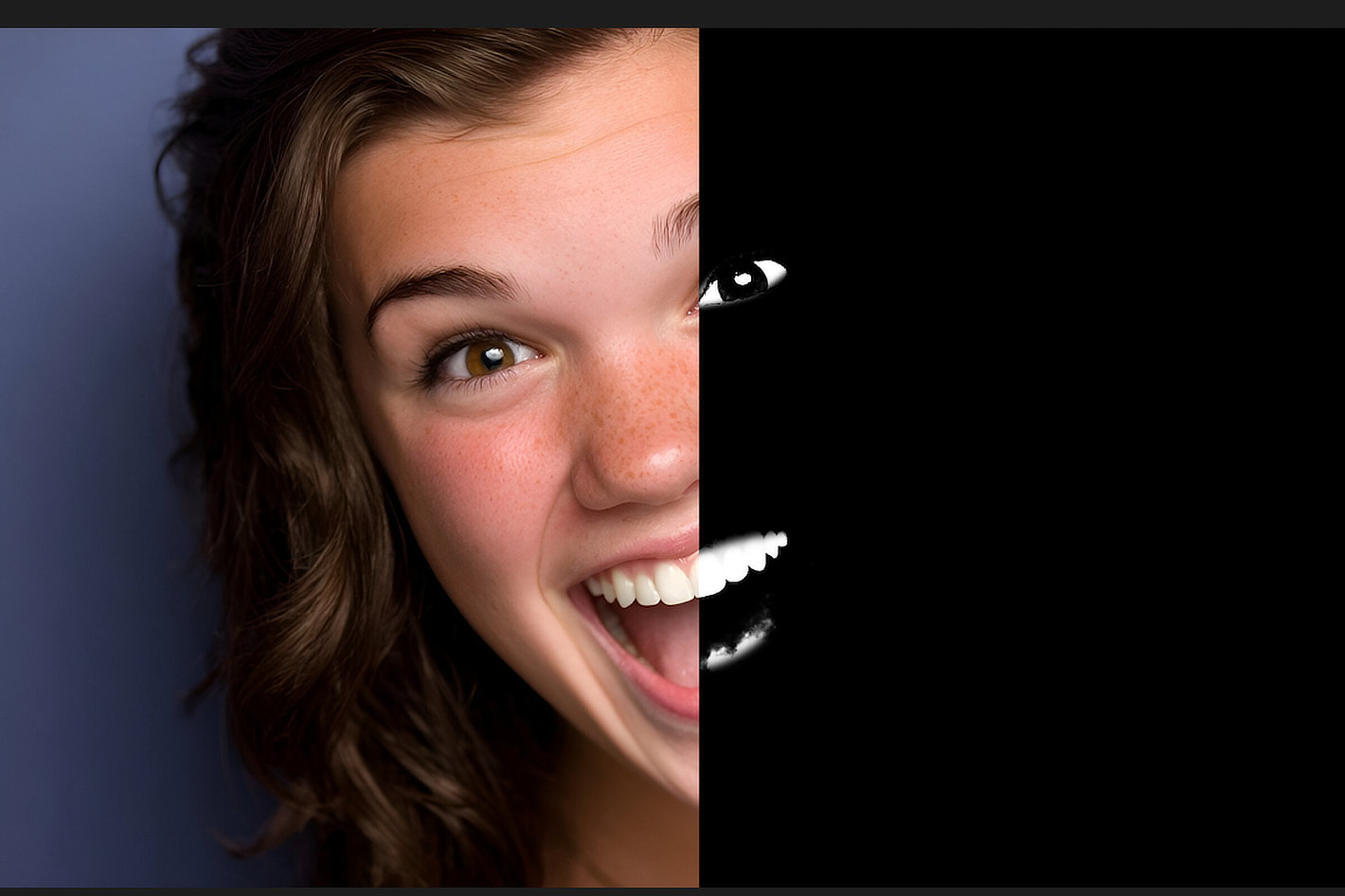
By keeping the inference process local, the software provides several distinct advantages for enterprise and high-end boutique environments:
- Data Security: Because no video data is transmitted to the cloud, studios handling proprietary or sensitive footage remain fully compliant with internal security protocols.
- Workflow Efficiency: The elimination of upload and download times allows for near real-time playback, even when multiple AI filters are stacked on a single clip.
- Predictable Latency: Local rendering ensures that performance is tied solely to the editor’s workstation specifications rather than fluctuating internet bandwidth.
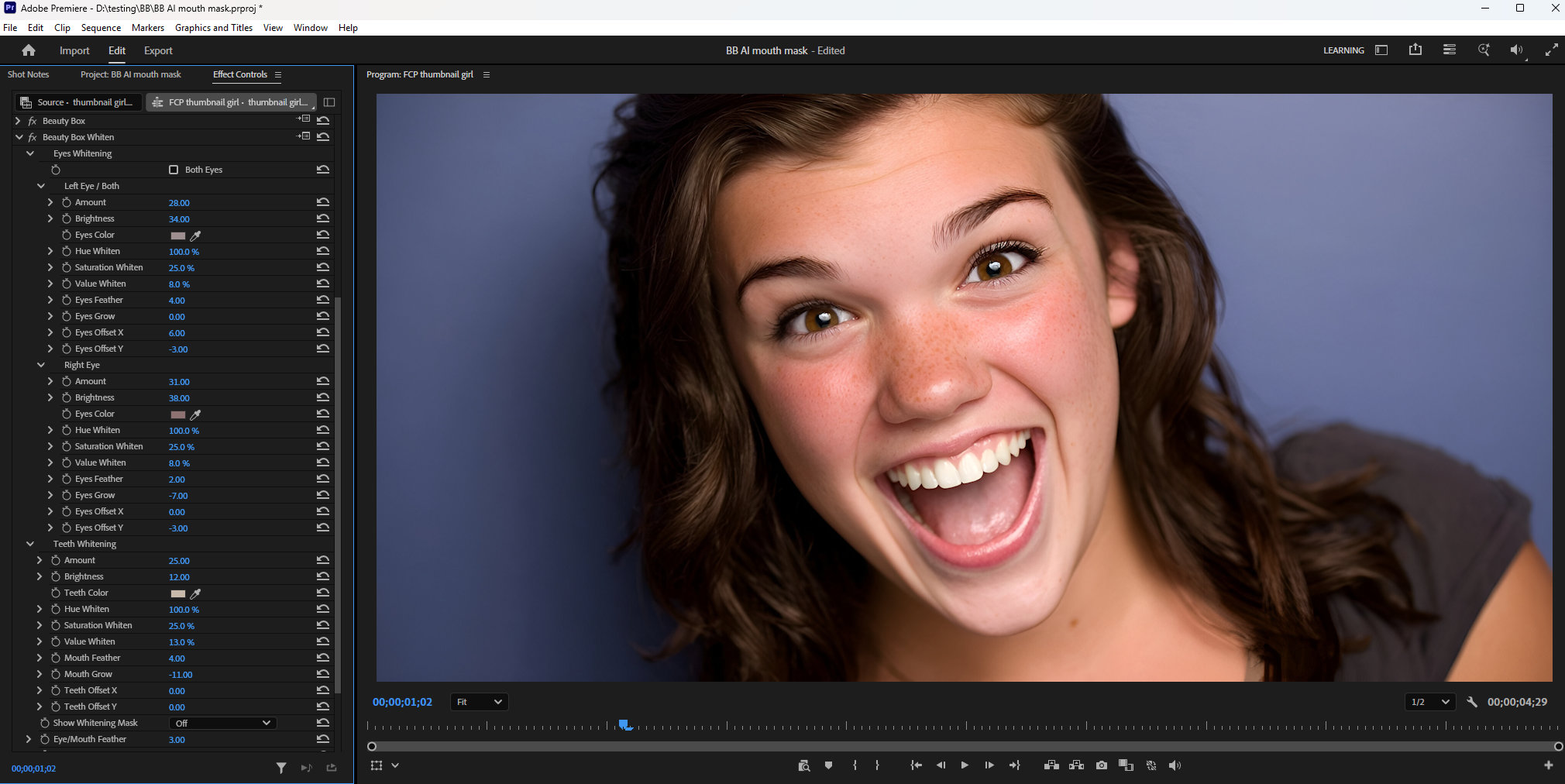
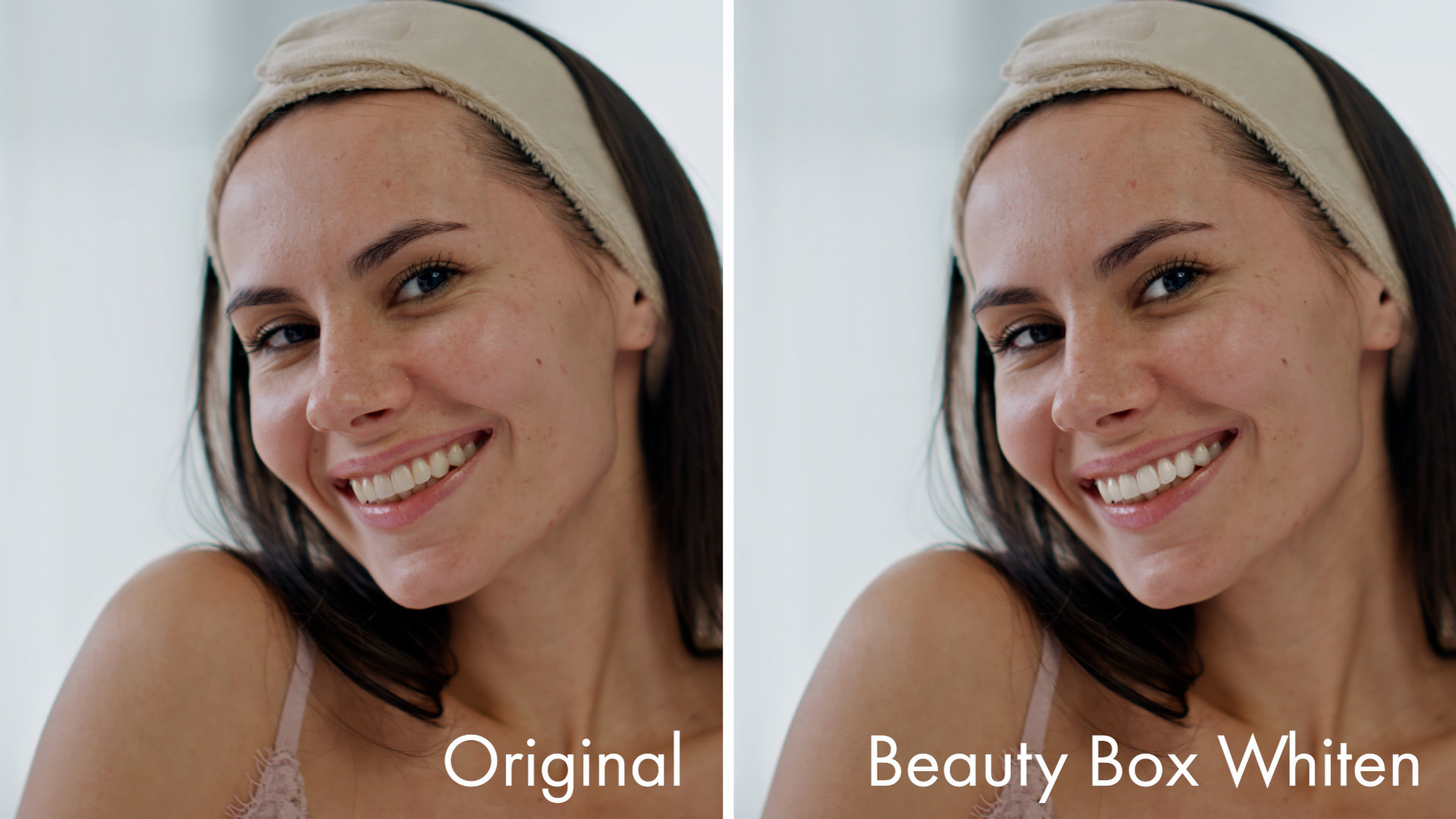
The addition of the eye and teeth whitening filters represents a direct response to customer feedback. Historically, editors had to perform secondary color correction or use complex rotoscoping to brighten teeth or remove redness from eyes. Beauty Box v6.5 automates this by analyzing the facial structure and applying localized adjustments that adjust for brightness and color temperature without affecting the surrounding skin tones.
Chronology and Development Roadmap
The development of Beauty Box v6.5 follows a long-standing pattern of iterative updates that have defined Digital Anarchy’s market strategy:
- 2009–2012: Initial development and mass adoption of Beauty Box as a premiere skin-smoothing solution for filmmakers.
- 2015–2018: Integration of GPU acceleration, significantly reducing render times for 4K video projects.
- 2020–2022: Introduction of broader compatibility with NLEs, including the expansion into the DaVinci Resolve ecosystem and Apple Silicon support.
- 2023: Initial testing of machine learning models for feature detection.
- 2024: Official launch of v6.5, formalizing the integration of AI-driven feature detection (eye and teeth whitening) into the standard plugin suite.
Market Context and Industry Impact
The demand for high-end digital retouching has surged with the proliferation of high-resolution digital cinema cameras. Modern sensors capture every pore, imperfection, and subtle color variance, which can be distracting in high-end commercials or corporate interviews. Consequently, "beauty work" has migrated from the province of high-end visual effects houses to the daily tasks of generalist video editors.
Industry data suggests that the market for video post-production software is expected to maintain a steady compound annual growth rate as content creation shifts toward high-fidelity streaming and social media advertising. Digital Anarchy’s move to lower the barrier to entry for professional-grade retouching by including these features in a standard plugin suite reflects a broader trend: the commoditization of AI in creative tools.
Official Responses and Strategic Positioning
Digital Anarchy has emphasized that the goal of this release is not to replace the human editor, but to augment their capabilities. By handling the repetitive "cleaning" tasks, the software allows editors to spend more time on color grading, pacing, and storytelling.
"The integration of AI into our pipeline is not about changing the look of the video, but about providing a more sophisticated toolkit that respects the editor’s time," stated a spokesperson for the company. "By focusing on the most requested features—teeth and eye whitening—we are allowing our users to achieve a polished, high-end look that was previously only accessible through frame-by-frame manual adjustments."
Pricing and Subscription Accessibility
Digital Anarchy continues to offer flexible acquisition models to cater to both independent freelancers and larger production houses. The company maintains two primary paths for software access:
- Perpetual Licensing: For users who prefer a one-time investment, Beauty Box v6.5 is available for $199.00 USD. For existing users, the company offers a tiered upgrade structure: $99.00 USD for those upgrading from version 5.0, and $149.00 USD for those on earlier versions.
- Anarchy Cloud Subscription: In line with the shift toward Software-as-a-Service (SaaS), the company provides access to its entire suite of tools through the Anarchy Cloud. This subscription model is designed to provide greater flexibility for studios that may require access to a wide variety of plugins, including those for text, audio, and visual effects, without the overhead of multiple individual licenses.
Broader Implications for the Future of Post-Production
The release of Beauty Box v6.5 serves as a microcosm for the larger transformation occurring within the creative industry. As AI models become more adept at identifying and manipulating specific elements of a video frame, the line between "editing" and "VFX" continues to blur.
Looking forward, the industry can expect to see further refinement in these tools. Future iterations will likely move beyond simple brightening to more complex generative tasks, such as skin texture restoration or dynamic lighting adjustments. However, the success of such tools will depend on the same factors that made Beauty Box successful: the ability to maintain a natural, authentic aesthetic while reducing the mechanical burden on the artist.
For professional editors, the takeaway from the v6.5 update is clear: the focus of the job is shifting from the manual, pixel-level management of imagery to the intelligent oversight of automated processes. As the tools become more powerful, the value provided by the editor lies less in their ability to perform the technical labor of retouching, and more in their creative judgment regarding how much retouching is appropriate for the story being told.
Conclusion
Beauty Box v6.5 arrives as a mature, refined tool that successfully navigates the intersection of traditional NLE plugin design and modern machine learning. By keeping the AI processing local and focusing on high-impact, time-saving features, Digital Anarchy has provided a solution that addresses the practical needs of the professional video community. As editors continue to face shorter deadlines and higher expectations for image quality, the adoption of tools that provide surgical, AI-assisted precision is no longer an optional upgrade, but a requirement for those looking to maintain a competitive edge in a saturated media landscape. The update is available immediately, providing a seamless transition for current users looking to enhance their retouching capabilities with the latest in local GPU-accelerated innovation.