Remember November 2026 Is Coming: The Evolution and Cultural Footprint of Internet Memorabilia

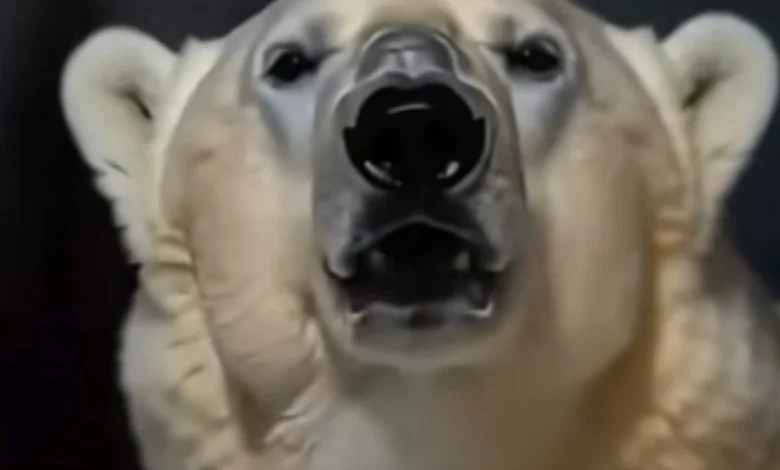
In the rapidly evolving landscape of digital culture, internet memes often transcend mere humor to become complex socio-technical phenomena. The latest viral sensation capturing the attention of millions across TikTok and Instagram Reels is known as "Remember November 2026 Is Coming." This emergent internet meme centers on an artificial intelligence-generated video featuring a polar bear singing the titular phrase to the tune of Oliver Tree’s popular track "Life Goes On." Operating as a digital countdown and a playful nod to speculative futurism, the meme has transformed a localized joke into a global digital touchstone. Understanding the trajectory of this viral trend requires an examination of its origins, the technical mechanisms driving its proliferation, and the broader implications of generative AI within modern meme culture.
Chronological Origins: From 2023 Cryptic Post to 2026 Digital Countdown
The conceptual genesis of the "Remember November 2026 Is Coming" phenomenon traces back to early 2023, well before the current wave of content flooded social media feeds. On March 27th, 2023, TikTok user @gmd_arahis uploaded a cryptic video set to Mr. Kitty’s atmospheric synthwave track "After Dark." The post featured an eerie, seemingly AI-generated image of a lone polar bear standing on snow at night, resting its weight on its front paws.
What distinguished the post was not merely its aesthetic—which blended uncanny valley realism with melancholic music—but its Cyrillic caption, which translated to English as, "this is a November meme from 2026, you won’t understand yet." This framing positioned the image as a temporal artifact sent backward from the future, playing into the ironic sci-fi trope of "memes from the future" that frequently captivates digital communities. Over the course of six months, the foundational video quietly accumulated more than 3.1 million plays and approximately 371,800 likes, embedding itself in the algorithmic memory of platform users as a dormant Easter egg.
The dormancy ended in late August 2026. On August 28th, TikTok user @bigbakdiskk28 capitalized on the lingering mystique of the original upload by publishing a newly minted, AI-generated music video. This iteration featured a synthetic polar bear rhythmically vocalizing the repeated mantra, "Remember November 2026 is coming," fused with the melodic cadence of Oliver Tree’s musical style. Gaining nearly one million views within its first two weeks, this video served as the catalyst that transformed a niche 2023 inside joke into a mainstream viral movement.
Rapid Spread and Platform-Specific Adaptation
By September 2026, the trend had transitioned from a solitary viral video into a decentralized content ecosystem spanning multiple social media platforms. Creators across TikTok and Instagram Reels began producing derivative works that riffed on the impending, albeit entirely arbitrary, date of November 2026.
On September 7th, 2026, creator @monitorr.r released a video further amplifying the meme, securing over 600,000 views in just three days. Simultaneously, Instagram user birobidzanih introduced a localized, tactile variation of the joke. This post featured the iconic polar bear image placed digitally next to a household bag of potato chips bearing an ironic November 2026 expiration date. The post resonated strongly with audiences, generating more than 92,000 likes in 72 hours and demonstrating the meme’s adaptability to real-world objects and physical comedy.
The participatory nature of the trend reached a new threshold on September 9th, 2026, when TikToker @fatguynamedbigcheezy posted a video of himself earnestly performing vocal covers of the polar bear’s synthesized song. Amassing over 584,000 views in a single day, the user’s performance underscored a common mechanism of modern internet culture: the humanization and live-action reenactment of synthetic, algorithmic creations. Subsequent contributions from users such as @mangosingos, @dingleberryjoe4, and @_gasp.1 introduced genre-specific remixes, including Jersey Club dance interpretations and niche editorial cuts, cementing the meme’s status as a multifaceted audio-visual template.
The Role of Generative AI in Shaping Modern Internet Lore
The rapid ascent of the "Remember November 2026 Is Coming" phenomenon highlights a broader shift in how digital folklore is manufactured. Unlike previous eras of meme creation, which relied heavily on organic photography, found footage, or rudimentary image macros, contemporary viral trends are increasingly powered by generative artificial intelligence.
Tools capable of text-to-video synthesis, neural audio generation, and deep learning-based image manipulation have lowered the barrier to entry for complex multimedia production. In this instance, AI served not as a tool for realistic simulation, but as an engine for the surreal and the absurd. The slight uncanny valley effect inherent in early-generation AI visuals provided the exact tone needed to sell the joke of a futuristic, time-traveling meme.
Furthermore, the integration of recognizable musical elements—such as Oliver Tree’s distinct vocal styling and atmospheric tracks like "After Dark"—demonstrates how algorithmic audio stitching drives user retention. By pairing bizarre visual subjects with familiar auditory cues, creators leverage cognitive dissonance to capture user attention in hyper-competitive algorithmic feeds.
Socio-Cultural Implications and the Psychology of Speculative Humour
From a psychological perspective, the preoccupation with specific future dates like November 2026 reflects a collective coping mechanism characterized by ironic escapism. Gen Z and millennial internet users frequently utilize hyper-specific, nonsensical temporal markers to mock the unpredictable nature of contemporary socio-political and economic landscapes. By projecting mundane or absurd events onto a distant calendar date, communities create an internal mythology that offers temporary respite from real-world anxieties.
Moreover, the "meme from the future" trope leverages shared irony. Audiences participate in the joke by acting as though the fictional event carries genuine historical weight, fostering a sense of in-group solidarity. This collective participation turns passive content consumption into an interactive, role-playing experience where every remix and re-upload acts as a brick in a collaboratively built digital narrative.
Future Outlook and Search Interest Trajectory
As the calendar inexorably ticks closer to the titular month, digital analysts anticipate a surge in search interest and platform engagement surrounding the phrase. While specific metrics fluctuate as algorithms prioritize newer trends, the foundational footprint established by early September 2026 ensures that the meme will retain cultural currency through the autumn season.
Whether the trend will culminate in a synchronized digital event when November 2026 officially arrives remains to be seen. However, the phenomenon has already secured its place as a case study in the power of generative AI, algorithmic virality, and the enduring human desire to find community through shared, absurd mythology. As digital platforms continue to evolve, the legacy of the singing polar bear will likely serve as a benchmark for how internet subcultures construct complex, decentralized narratives out of synthetic tools and collective imagination.