Rise In Tourist Footfall In Kashmir Shows Improved Security Minister
Kashmir’s Resurgent Tourism: A Testament to Enhanced Security and a Brighter Future
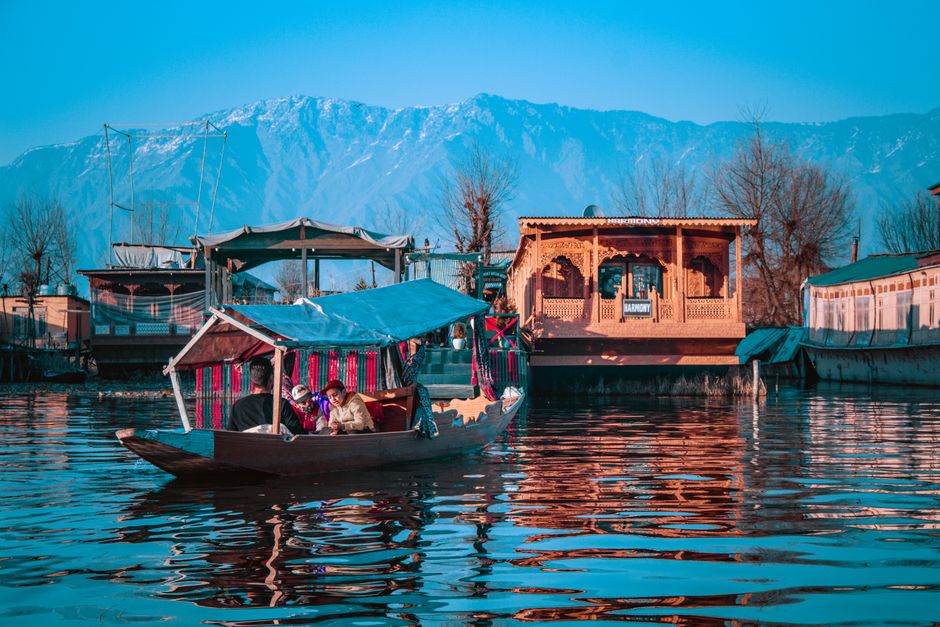
The burgeoning influx of tourists to Kashmir, a region historically shadowed by security concerns, represents a significant and promising development. This surge in visitor numbers is not merely a cyclical uptick but a tangible indicator of the substantial improvements in the security apparatus and the overall peaceful environment that the Union Territory has witnessed in recent years. Minister of State for Home Affairs, G. Kishan Reddy, has consistently highlighted this positive trend, attributing it directly to the government’s unwavering commitment to restoring normalcy and ensuring the safety of both residents and visitors. The visible increase in tourist activity, from the serene Dal Lake to the snow-capped peaks of Gulmarg, underscores the efficacy of these security measures and paints a compelling picture of Kashmir’s reemergence as a premier tourist destination. This resurgence is a multifaceted triumph, impacting the local economy, fostering community confidence, and signaling a definitive shift away from the era of instability. The narrative of Kashmir is undeniably being rewritten, with tourism serving as a powerful testament to the success of enhanced security initiatives.
The enhanced security measures implemented across Kashmir have been the bedrock upon which this tourism revival is built. For decades, the region’s beauty was often overshadowed by reports of militancy and unrest, deterring potential visitors. However, a concerted and strategic approach by the central and local security forces has demonstrably curbed such activities. This includes robust intelligence gathering, increased patrolling by the Jammu and Kashmir Police and paramilitary forces, and the proactive dismantling of militant networks. The result is a palpable sense of security that permeates the valley, allowing tourists to explore its breathtaking landscapes and rich cultural heritage without apprehension. This improved law and order situation has not only reassured international and domestic travelers but has also instilled a greater sense of safety and confidence among the local population, who are crucial stakeholders in the tourism ecosystem. The minister’s statements accurately reflect the ground reality: the visible reduction in security incidents has directly translated into a more welcoming and secure environment for tourism. This is not an abstract notion but a quantifiable change, reflected in the positive experiences shared by a growing number of tourists.
The economic ramifications of this tourism boom are profound and far-reaching. Kashmir’s economy is intrinsically linked to tourism, with a vast network of hotels, guesthouses, houseboat owners, tour operators, restaurateurs, and artisans depending on visitor spending. The significant increase in tourist footfall translates directly into increased revenue for these sectors, leading to job creation and improved livelihoods for thousands of families. Local artisans, renowned for their exquisite Pashmina shawls, intricate wood carvings, and vibrant carpets, are experiencing a renewed demand for their products, injecting much-needed vitality into traditional crafts. Similarly, the hospitality industry, which had faced considerable challenges during periods of instability, is now witnessing a revival, with increased occupancy rates and a growing demand for services. This economic upliftment is crucial for the long-term stability and prosperity of Kashmir, fostering a sense of optimism and encouraging further investment in tourism infrastructure and services. The minister’s emphasis on this aspect highlights the broader socio-economic benefits derived from a secure environment conducive to tourism.
The improved security situation has also fostered a more positive and welcoming atmosphere for the local populace. When tourism flourishes, the Kashmiri people, known for their warmth and hospitality, are able to engage with visitors, share their culture, and benefit from the economic opportunities it presents. This interaction can help break down stereotypes and build bridges of understanding. Furthermore, the confidence that comes with a secure environment empowers local communities to actively participate in and contribute to the tourism sector. They are more likely to invest in their businesses, improve their services, and become ambassadors for their region. The minister’s pronouncements resonate with this sentiment, acknowledging that the success of tourism is a collective endeavor, deeply intertwined with the well-being and engagement of the local population. The visible return of happy tourists, engaging with local culture and businesses, is a powerful counter-narrative to the years of negative perceptions.
The government’s proactive approach to promoting tourism in Kashmir has played a pivotal role in capitalizing on the improved security landscape. This has involved targeted marketing campaigns, participation in international travel fairs, and the development of new tourist circuits and experiences. Efforts to promote adventure tourism, spiritual tourism, and cultural tourism have broadened Kashmir’s appeal beyond its traditional scenic beauty. The ease of access and improved infrastructure, including better road connectivity and enhanced airport facilities, have also contributed to the growing number of visitors. The minister’s consistent articulation of these efforts underscores a strategic vision to leverage the prevailing peace for sustained economic growth and development through tourism. The emphasis is not just on attracting visitors but on creating a sustainable tourism ecosystem that benefits everyone involved. This includes promoting responsible tourism practices that preserve the environment and respect local culture.
Furthermore, the narrative surrounding Kashmir is gradually shifting. Years of negative media coverage have been countered by the firsthand experiences of a growing number of tourists who are sharing their positive encounters and recommending the destination to others. Social media platforms are abuzz with stunning imagery and testimonials from visitors, painting a vivid picture of Kashmir’s enduring charm and the welcoming nature of its people. This organic amplification of positive experiences is a powerful tool in rebuilding confidence and attracting a wider audience. The minister’s acknowledgments of the rising footfall serve as official validation of these positive trends, reinforcing the perception of Kashmir as a safe and desirable travel destination. This shift in perception is crucial for long-term tourism sustainability.
The sustained commitment to peace and security remains paramount for the continued growth of Kashmir’s tourism sector. While the current trajectory is highly encouraging, it is imperative that the gains made are consolidated and that vigilance is maintained. Continued investment in security infrastructure, coupled with a focus on socio-economic development and community engagement, will ensure that Kashmir remains a peaceful and prosperous region. The minister’s emphasis on improved security is not just about a static situation but about an ongoing commitment to creating and maintaining an environment where tourism can thrive sustainably. The vision is for Kashmir to be recognized globally not for its past challenges, but for its unparalleled natural beauty, rich cultural heritage, and the genuine warmth of its people, all underpinned by a secure and stable environment. This successful tourism revival is a clear signal of a brighter future for the region, demonstrating that peace and prosperity are indeed attainable. The consistent rise in tourist numbers is a powerful indicator that the hard work invested in restoring security is yielding tangible and beneficial results, transforming the visitor experience and the lives of the Kashmiri people.


